






Manila Bulletin
 Business
Trade & Industry
BAI sounds alarm as deadly goat, sheep virus threatens Philippines
Business
Trade & Industry
BAI sounds alarm as deadly goat, sheep virus threatens Philippines
Business
Trade & Industry
BAI sounds alarm as deadly goat, sheep virus threatens Philippines
BAI sounds alarm as deadly goat, sheep virus threatens Philippines
Published Dec 8, 2025 10:59 am
|
Updated Dec 8, 2025 01:31 pm


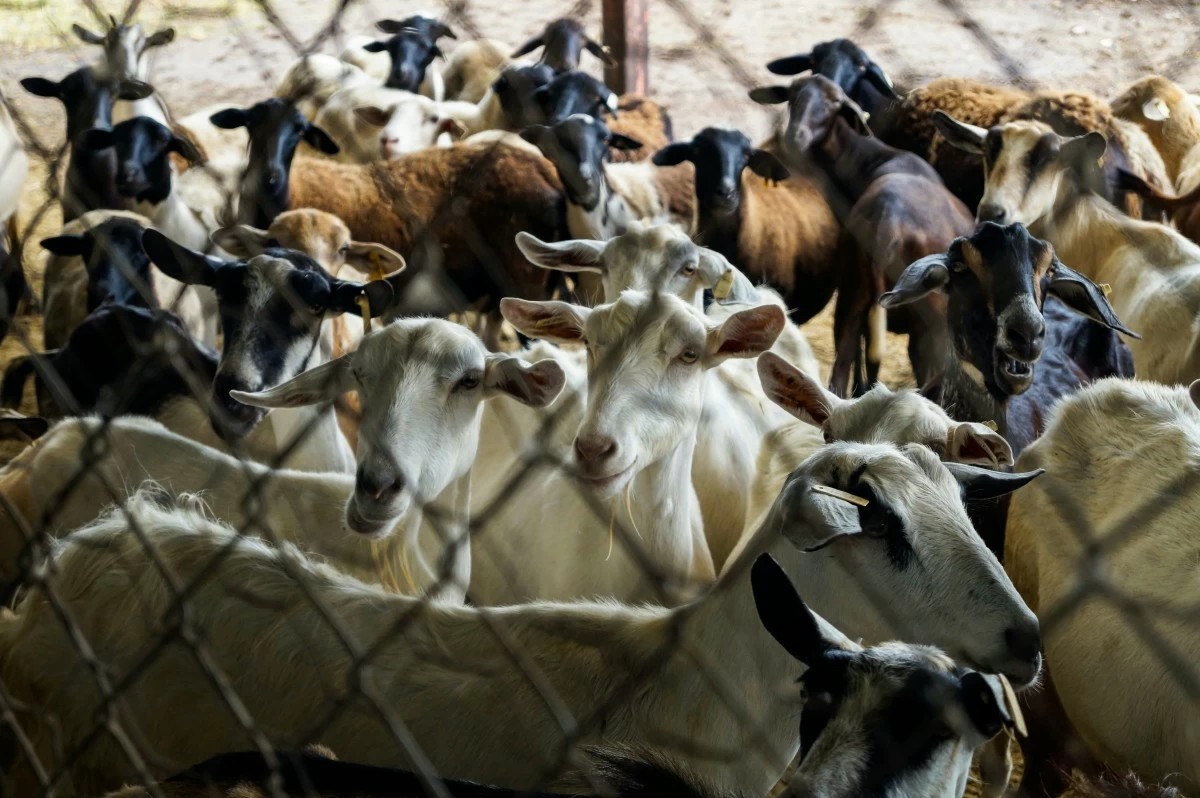
(Unsplash)
The Bureau of Animal Industry (BAI) is urging goat and sheep raisers to strengthen their biosecurity measures following the detection of a highly contagious disease that could wipe out the majority of an affected herd.
In a public advisory, BAI warned the local sheep and goat industry that peste des petits ruminants (PPR) has recently been detected in neighboring Southeast Asian countries.
“The Philippines remains free from PPR, but the presence of the disease in the region increases the risk of introduction through illegal movement of animals, unsafe trade practices, and contaminated equipment or materials,” the bureau said.
PPR is a highly contagious viral disease, caused by a morbillivirus, that affects small ruminants such as goats and sheep.
The disease causes fever, eye and nasal discharges, mouth lesions, pneumonia, severe diarrhea, and often a high mortality rate in affected animals.
According to the Food and Agriculture Organization (FAO), the virus can infect up to 90 percent of an animal herd, with a mortality rate of 70 percent for infected animals.
The World Organization for Animal Health (WOAH), meanwhile, estimates that the mortality rate can go as high as 90 percent in worst-case situations.
BAI said PPR does not infect humans and poses no public health risk, but it warned that it can trigger economic losses and threaten the livelihoods of farmers.
Based on a report by FAO, the disease has been inflicting economic losses of up to $2.1 billion annually since it was first identified more than 80 years ago.
FAO, a specialized agency under the United Nations (UN), said much of the impact was fueled by the absence of an adequate response by local veterinary services in curbing the spread of the disease.
To strengthen the country’s measures against PPR, BAI called on the public to avoid bringing in, purchasing, or transporting goats and sheep from countries with reported cases.
The bureau also advised farmers and livestock handlers to reinforce their farm biosecurity by isolating newly acquired animals, limiting farm visitors, maintaining the sanitation of housing and feeding areas, and disinfecting equipment and vehicles that come into contact with animals.
Any goat or sheep that exhibits signs of PPR such as fever, mouth sores, watery eyes, respiratory distress, or sudden death should be reported to the nearest veterinary office for disease investigation and laboratory confirmation.
“Early reporting is crucial to prevent potential spread and to protect the country’s PPR-free status,” BAI said. “The cooperation of all stakeholders is critical in keeping the Philippines free from PPR and protecting our small-ruminant industry.”
The country’s goat population is estimated at around 3.81 million, while the sheep population stands at approximately 30,000.
BAI said the government’s surveillance, border control measures, and emergency preparedness systems remain in place to strictly monitor the threat of PPR.