






Manila Bulletin
 Opinion
A conversation about the Clean Ocean Project — and what MFIs in the Philippines can learn
Opinion
A conversation about the Clean Ocean Project — and what MFIs in the Philippines can learn
Opinion
A conversation about the Clean Ocean Project — and what MFIs in the Philippines can learn
A conversation about the Clean Ocean Project — and what MFIs in the Philippines can learn
Published Dec 8, 2025 12:05 am
|
Updated Dec 7, 2025 03:31 pm


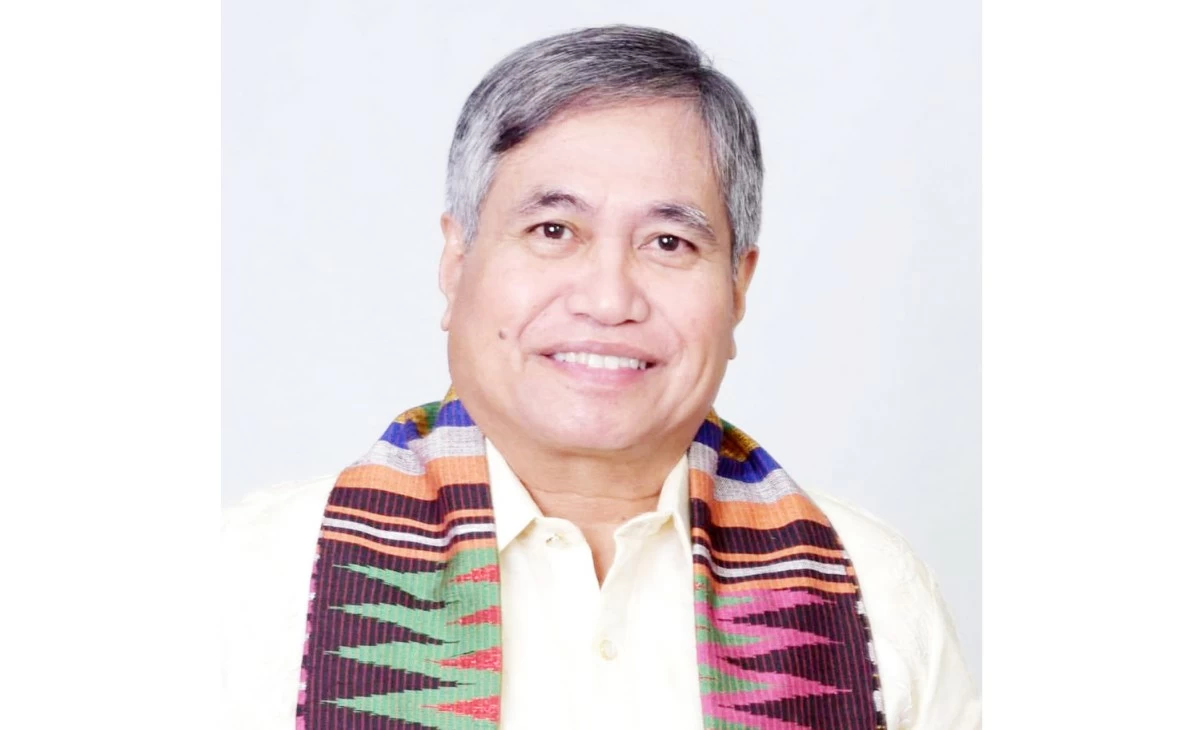
FROM THE MARGINS
After participating as one of the panelists at Oikocredit’s 50th Anniversary celebration in Rotterdam, my wife and I flew to Fuerteventura in the Canary Islands to visit our granddaughter, Maxine Suasi Alip. She had just completed her BA in Performing Arts at the Institute of Arts Barcelona in Sitges — and, to my surprise, had begun working with an environmental NGO called the Clean Ocean Project (COP).
Her excitement was contagious. She walked us through the beach-cleanups she helps organize, COP’s promotion of natural sports like surfing and swimming, and her work in the organization’s shop, which sells organic clothing and eco-friendly merchandise to sustain their advocacy. Seeing her commitment to environmental stewardship filled me with pride.
Soon after, Maxine introduced us to Wim Geirnaert, COP’s founder. Soft-spoken and humble, Wim told us how he first arrived in Fuerteventura in the 1990s and found its beaches choked with plastic and abandoned fishing gear. Instead of turning away, he gathered friends to clean a small stretch of shoreline in Cotillo. That single act has since grown into a respected environmental movement.
“Everybody is part of the problem,” Wim said, “and everybody is part of the solution. Just do your bit.”
That line stayed with me.
Understanding the Clean Ocean Project
As Wim and Maxine shared more about COP’s work, I saw how comprehensive and community-driven it truly is:
• Regular coastal cleanups, including remote beaches where large amounts of debris accumulate
•Waste-reduction campaigns that target single-use plastics
• Partnerships with surf schools to promote environmental responsibility
• Public education efforts and beach waste-collection stations
• Monitoring of coastal development projects to ensure environmental safeguards
Over the years, COP volunteers have collected more than 100,000 kilograms of coastal waste and mobilized over 1,000 volunteers. In one recent cleanup alone, 30 volunteers removed nearly 2,000 kilograms of trash between El Cotillo and Playa del Mejillón.
For a small island whose economy relies on clean oceans, COP’s impact is immeasurable.
A realization: Why can’t
we do this back home?
Listening to Wim, I could not help thinking of the Philippines — an archipelago of more than 7,000 islands, where many microfinance clients live. Our popular beaches — Boracay, Panglao, Malapascua, Siargao, Puerto Galera, Coron, and many others — face the same threats of plastic pollution, degrading coastal ecosystems, and climate-related pressures.
With the wide outreach of microfinance institutions (MFIs) like ASA Philippines, TSPI, KMBI, RAFI Microfinance, NWTF, CARD MRI, and many others, we actually have an incredible opportunity. MFIs gather members weekly. We support their livelihoods. We help build their resilience. We are trusted in the community and can easily mobilize people to protect their own coastal environments.
Imagine MFIs coordinating coastal clean-ups with clients in fishing villages, beach towns, or tourism-dependent barangays. Imagine center meetings weaving in conversations about waste reduction, recycling, and environmental stewardship. Imagine supporting microenterprises that produce reusable bags, refill products, eco-friendly detergents, or upcycled items.
Maxine showed me a shirt they sell at COP which says, “Care for your coast.”
The message rang true for the Philippines, too.
Where MFIs can lead
Here’s what we can learn — and apply — from the Clean Ocean Project:
1. Community-led environmental action - MFIs already organize communities. Extending this to beach cleanups or mangrove planting is a natural progression.
2. Financing environmental microenterprises - Eco-products, refill stations, organic clothing, upcycled crafts, or community recycling hubs can be supported through microloans.
3. Integrating environmental awareness into center meetings - A short segment on waste management or climate preparedness can be easily incorporated into weekly gatherings.
4. Supporting coastal livelihoods through cleaner environments - Cleaner beaches strengthen small tourism businesses — homestays, sari-sari stores, snack vendors, tricycle operators, and surf instructors.
5. Connecting with climate and circular economy programs - Plastic collection, recycling hubs, and community conservation work can link with carbon financing and emerging climate-resilience initiatives.
MFIs already promote financial inclusion; environmental inclusion is a logical next step.
Sustainability and inclusive finance go together
My time in Fuerteventura reminded me that environmental protection and microfinance are not separate priorities. They reinforce each other:
• Healthy coastlines sustain small businesses.
• Clean oceans support fisheries, food security, and local tourism.
• Community participation builds cohesion and resilience — the foundation of successful microfinance programs.
The Clean Ocean Project began with a single volunteer and a single beach. In the Philippines, with thousands of beaches and millions of MFI members, imagine the collective power we could unleash if each community decided to “do their bit.”
My visit left me inspired — not only because of Maxine’s work, but because it showed what is possible. With the right mobilization, MFIs can help protect the very ecosystems that sustain our people and livelihoods.
After all, caring for our coasts is simply caring for our communities.
* * *
“Individually, we are one drop. Together, we are an ocean.” – Ryunosuke Satoro
(Dr. Jaime Aristotle B. Alip is a poverty eradication advocate. He is the founder of the Center for Agriculture and Rural Development Mutually-Reinforcing Institutions (CARD MRI), a group of 23 organizations that provide social development services to eight million economically-disadvantaged Filipinos and insure more than 27 million nationwide.)