







Rewriting the rules of car depreciation
VinFast Philippines; RVG Program gears up the Philippines for sustainable mobility movement
By MB Drive
Published Dec 5, 2025 04:27 pm


At A Glance
- Many Filipino buyers worry about how quickly EV technology evolves and how that affects future resale values.
- This is why VinFast introduced its first-of-its-kind Residual Value Guarantee (RVG) Program in the Philippines: a program that applies a fixed annual depreciation schedule that guarantees the vehicle's value at key milestones.
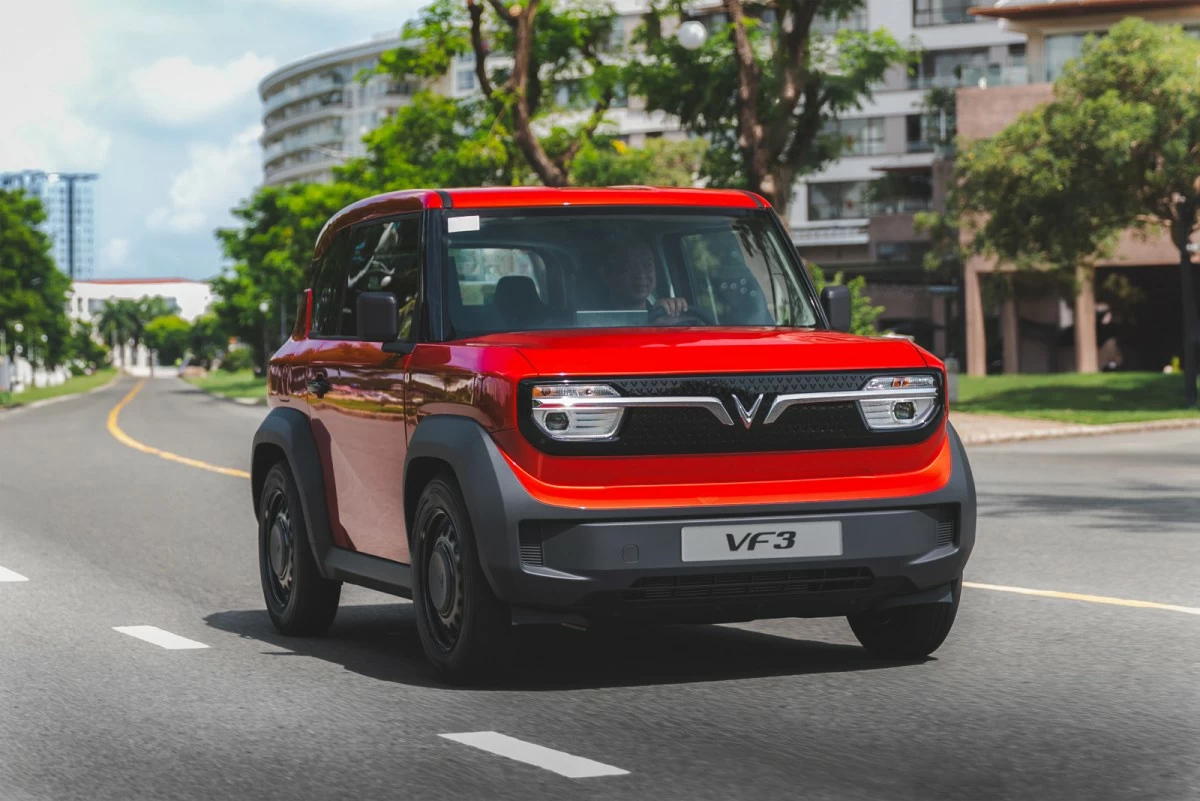
By Antonio ‘Toti’ Zara, CEO of VinFast Southeast Asia
Car depreciation has always been one of the biggest concerns for Filipino buyers. For decades, motorists have accepted that a vehicle’s value is expected to rapidly fall as soon as it leaves the dealership. This mindset has shaped purchasing behavior in the Philippines, particularly in emerging categories like electric vehicles where consumers remain unsure of long-term resale values. As the country moves toward cleaner mobility, addressing this concern is essential to building confidence in the transition to EVs.
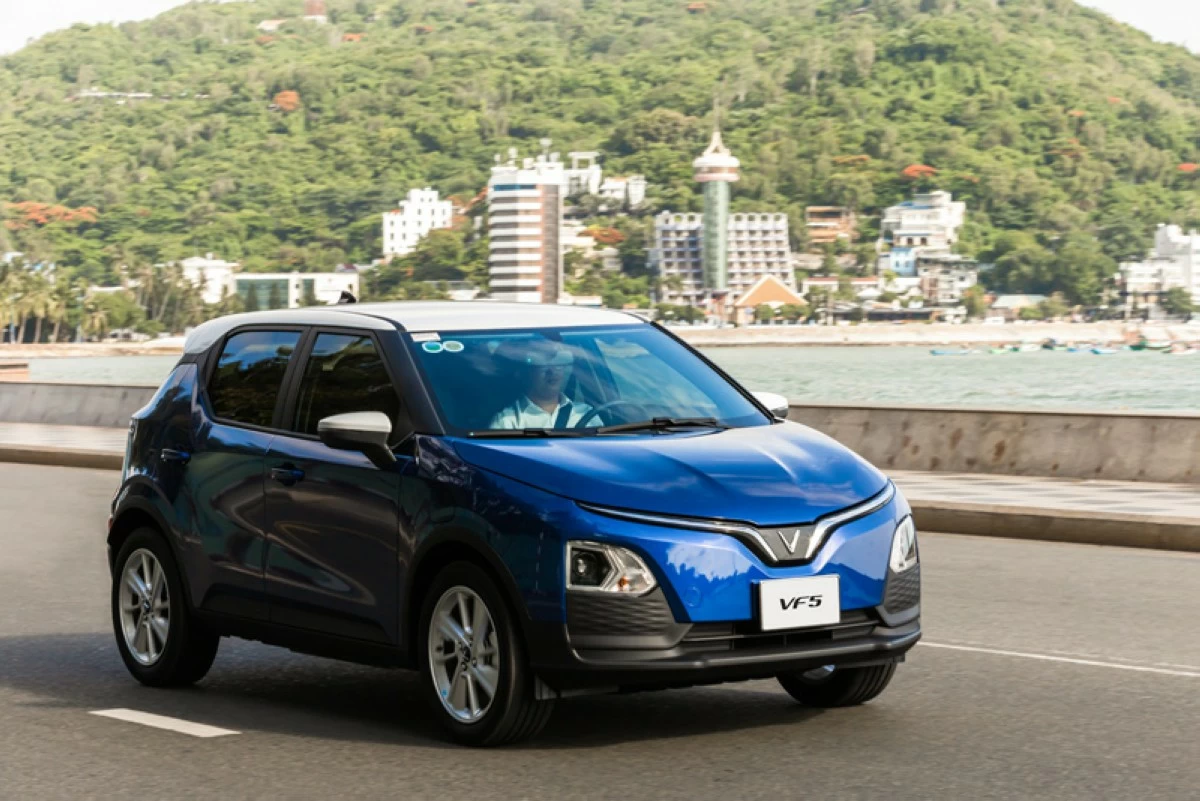
The shift to electric mobility is accelerating. According to industry research, the Philippine EV market is expected to reach USD 20.1 billion by 2032, growing at a compound annual rate of nearly 19 percent. Local demand is rising as well, with reports saying that EV sales in the Philippines have surged as more consumers look for sustainable and cost-efficient transport options. Government policies are also expanding support for EV adoption with the Philippines recently extending its zero-tariff policy for electric vehicles and parts until 2028, signaling long- term commitment to green mobility.
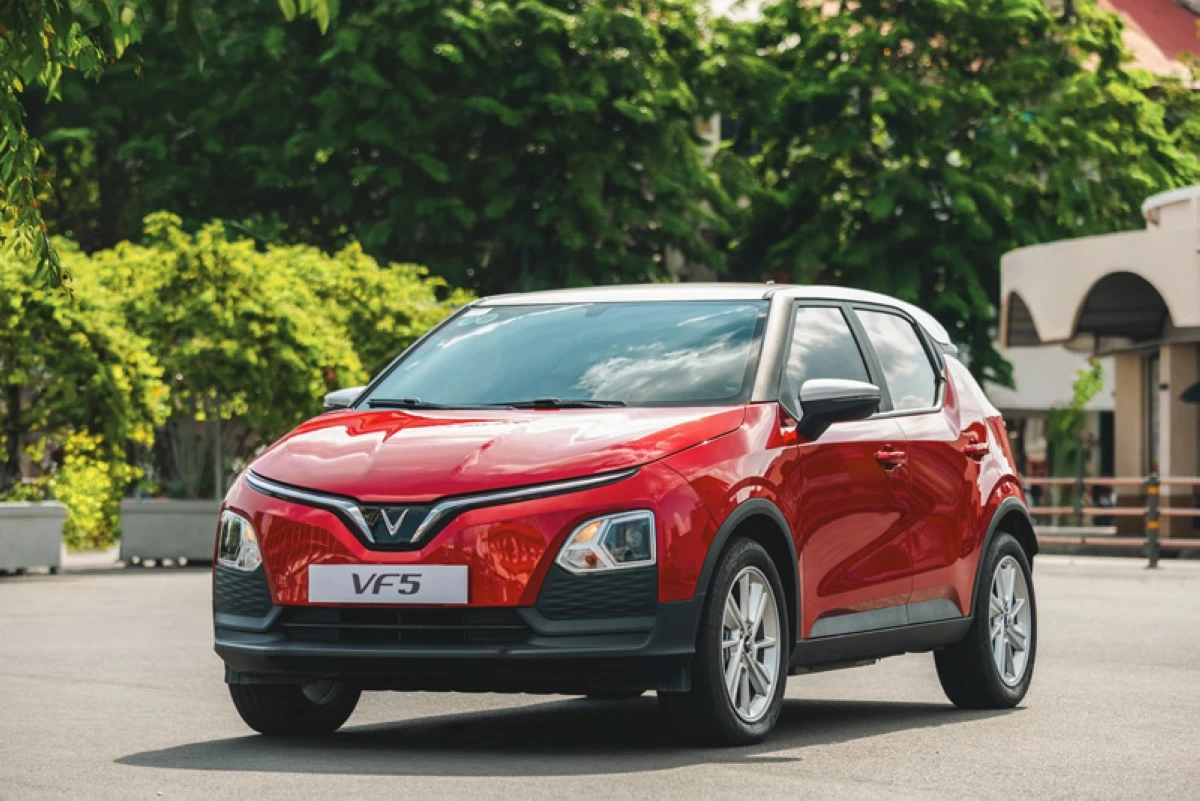
This momentum reflects more than market data — it reflects a fundamental transformation in the way Filipinos view mobility, energy, and their role in building a cleaner future. Filipino drivers are becoming more conscious of their carbon footprint, more open to new technologies, and more discerning about lifetime value. As climate ambitions grow and the global shift to green mobility accelerates, Filipino consumers are no longer asking whether EVs will become the norm but when and whether they can trust that their investment will remain secure in a rapidly evolving landscape.
Despite this progress, uncertainty about depreciation remains a major barrier. Many Filipino buyers worry about how quickly EV technology evolves and how that affects future resale values—and this is where innovation must go beyond vehicle engineering, and where consumer protection must evolve alongside technological advancement. Today, the EV conversation is no longer just about batteries, charging, or performance. It is also about financial security and the long-term ownership experience that gives people confidence to make the switch.
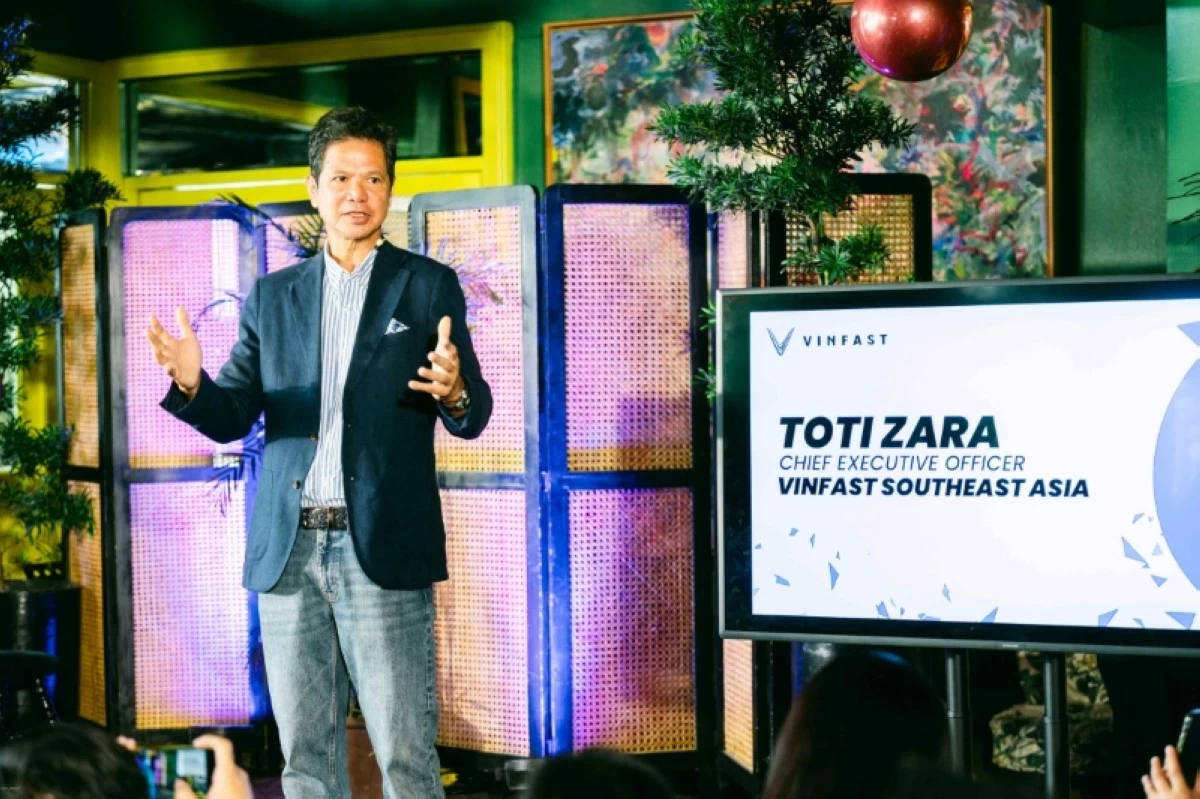
Antonio "Toti" Zara, CEO of VinFast Souteast Asia, discusses the Residual Value Program to members of the motoring media.
This is why VinFast introduced its first-of-its-kind Residual Value Guarantee (RVG) Program in the Philippines—a solution designed to directly address this long-standing concern. Under this program, VinFast applies a fixed annual depreciation schedule that guarantees the vehicle's value at key milestones, with maximum residual values set at 90% after six months, 86% after one year, 78% after two years, and 70% after three years, provided the vehicle meets the eligibility criteria
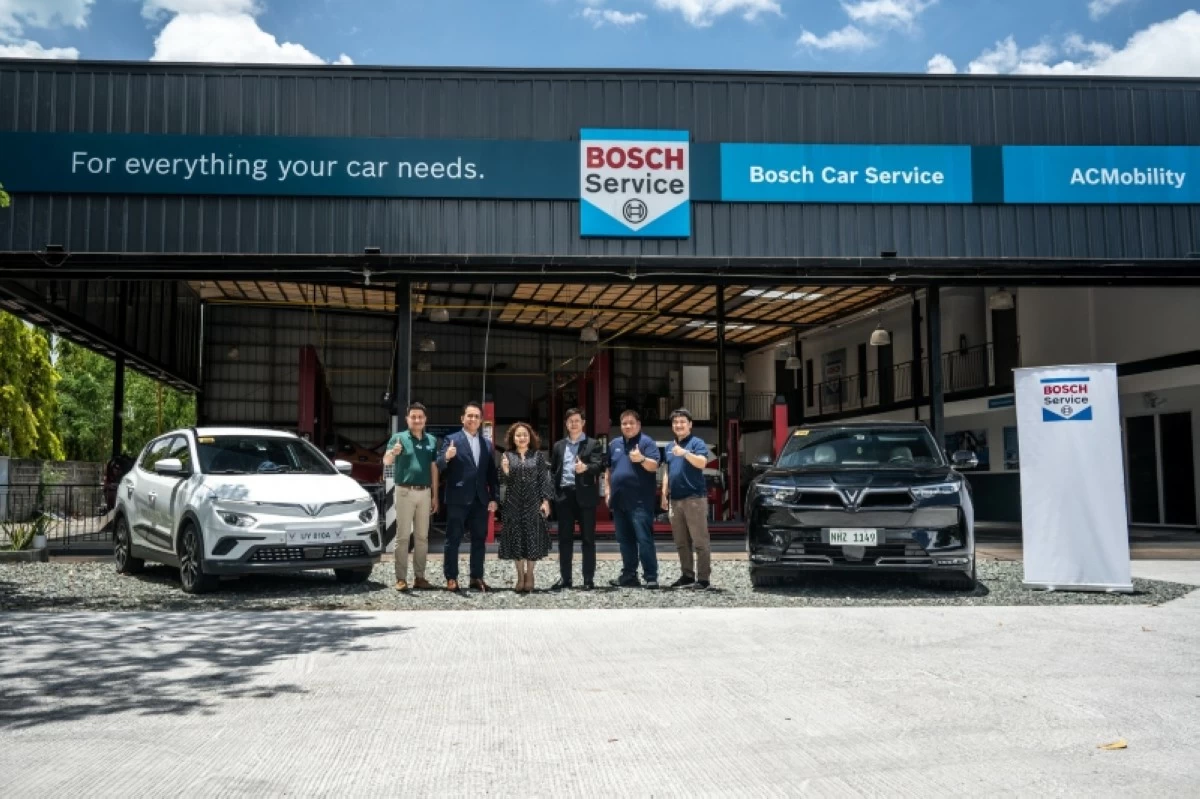
VinFast vehicles can now be serviced at Bosch Car Service Centers.
This initiative is especially important because the EV industry is entering a period of rapid acceleration. New models are coming in, infrastructure is improving, and consumers are becoming more aware of long-term ownership costs, with four-wheeled EV sales jumping from 1,028 units in 2023 to 3,880 units in 2024, increasing by 277% — a surge that underscores growing mainstream acceptance.
The next phase of the transition requires brands to build not just products, but trust. Value protection is a critical part of that trust. By ensuring that that value is preserved, VinFast is helping Filipinos overcome one of the last remaining psychological barriers to EV adoption. It is a commitment that goes beyond commerce and speaks directly to the nation’s aspirations for cleaner cities, more resilient communities, and a modern mobility ecosystem rooted in sustainability.
As the country works toward renewable energy expansion and emissions reduction, protecting consumer confidence becomes essential. Ensuring predictable ownership costs encourages more Filipinos to shift to EVs, accelerating progress toward nationwide sustainability goals. Confidence, after all, is the foundation of meaningful adoption.
VinFast’s approach reflects a broader mission to shape the future of mobility in the Philippines. By challenging outdated assumptions about depreciation, providing long-term value protection, and aligning with national sustainability objectives, we aim to make electric mobility not only accessible but truly secure for every Filipino household.
The transition to EVs is more than an industry trend. It is a shift in how Filipinos move, live, and contribute to a cleaner energy future. Rewriting the rules of car depreciation is just the beginning. The real goal is simple: to ensure that choosing an EV becomes one of the smartest, most trusted decisions Filipinos can make.