







Many factors affect concert ticket prices in PH


There are many factors that affect the prices of concert tickets in the Philippines, people in the industry said.
Recently, Senator Raffy Tulfo scored the Department of Trade and Industry (DTI) for the lack of regulation that resulted in the proliferation of scalpers who buy tickets and resell them.
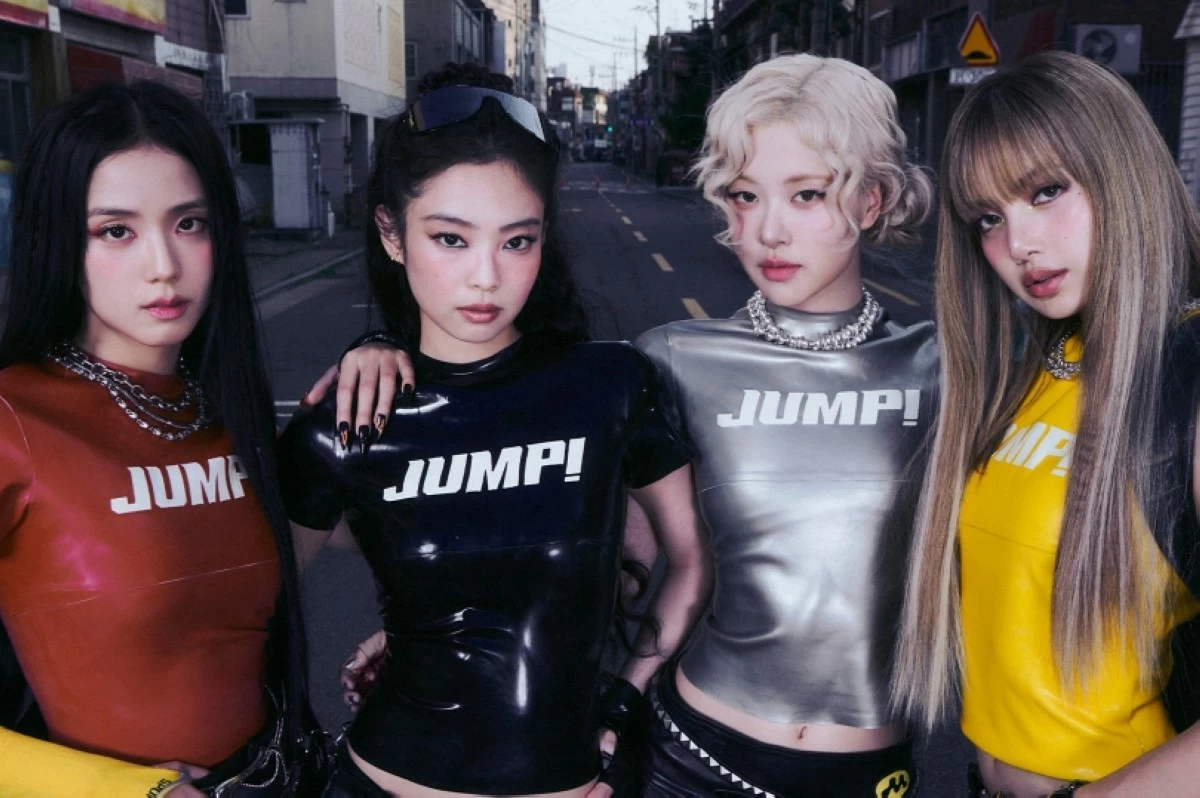
In a Facebook post, he cited as an example the recent concert of K-pop girl group BLACKPINK in the country. He said complaints by fans reached him about the prices of tickets. The VIP seat ticket price was P19,500 but scalpers sold them for P60,000 each.
He said scalpers have numerous online accounts so they can buy many tickets and resell them.


In addition, Tulfo bewailed the high prices of concert tickets in the Philippines. He said the Philippines lead in selling expensive concert tickets compared to other countries.
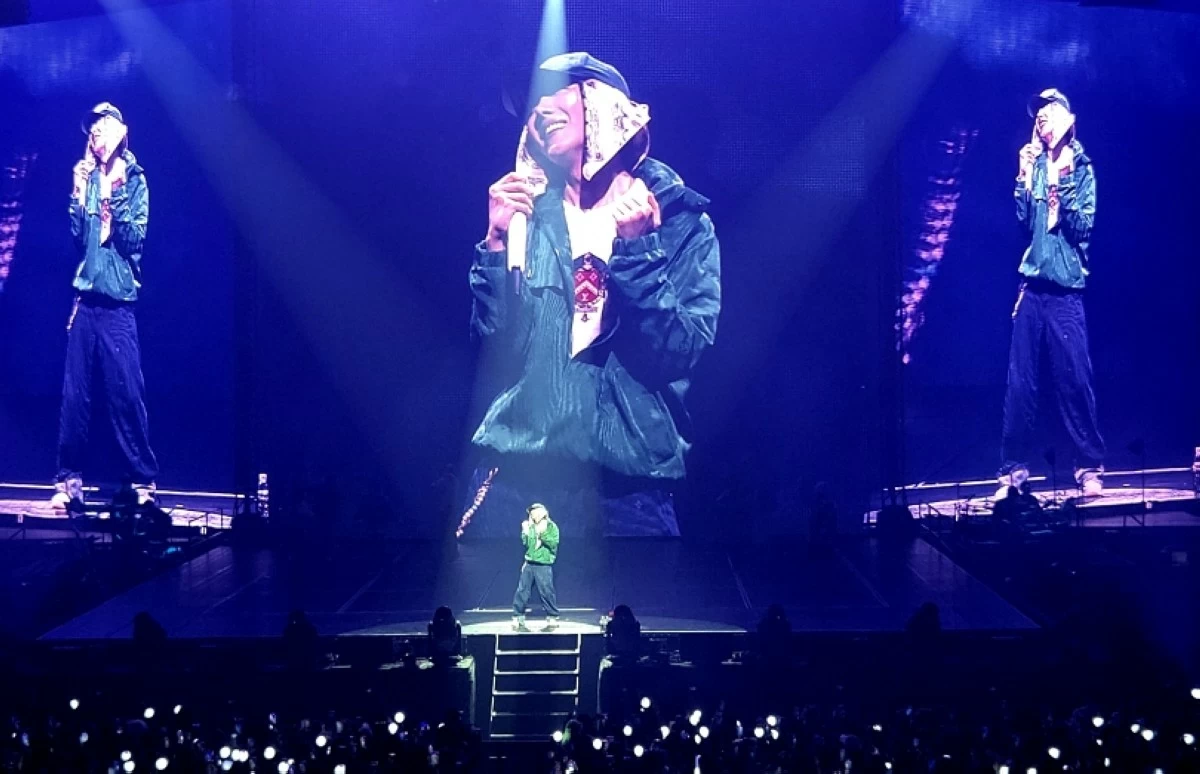
The post stated that BTS member J-Hope’s VIP seat ticket cost about P14,000 in Indonesia while in the Philippines, it was offered for P22,600.
He also cited the concert tickets of Coldplay which sold P5,885 each in South Korea but P15,000 in the Philippines.
An industry insider told Manila Bulletin that “mahal ang tickets sa atin (tickets are expensive here) because of so many factors.”
“Topmost is the cost of mounting the shows. The price of the artists is kahit Western or Korean is practically the same,” the source said.
The source added that before a concert is held, there are so many permits to be paid in the Philippines.
These include fees that are paid to immigration, Filipino Society of Composers, Authors and Publishers (FILSCAP), and local government units.
“If you compare ticket prices in Taiwan, Hongkong halos same na ang pricing satin. Mas mura sa Korea kasi shempre they don’t have to travel out, madami din silang exemptions. Walang silang mga kung anu-anong taxes (If you compare ticket prices in Taiwan, Hong Kong, the pricing is almost the same. It's cheaper in Korea because of course they don't have to travel out, they also have many exemptions. They don't have different taxes),” the industry insider said.
The source said the problem of ticket scalping should also be looked into.
“The whole reselling of tickets model kasi madami na naman measures in place like limited number of tickets to buy, tickets with name of ticket holder pero mahirap pa din sya ma stop. Need to improve on ticketing infrastructure,” the source said.
On the other hand, a concert promoter said ticket prices depend on artist fee, venue capacity and production cost.
“International artists, especially top-tier acts, set very high performance fees. These fees are standard globally and often increase based on demand, routing, and production scale,” the source said.
About venue capacity, the promoter explained that “the Philippines has limited large-capacity venues. When an artist requires a big production but the venue can only seat so many, the cost is spread across fewer tickets, making prices appear higher versus countries with stadium-level capacities.”
On production cost, the source said, “Logistics, staging, lights, audio systems, local staffing, permits, and compliance add significantly to the total expense. Many of these costs in the PH are comparable to, or even higher than, neighboring countries due to importation and limited local supply.”
“Those three are really what dictate the price. It’s not promoters marking things up for no reason,” the source said.
The promoter agreed that “scalpers should honestly be punished.”
“They make more money than us promoters, and they don’t contribute anything. They just buy in bulk and resell at crazy prices. We support stronger monitoring so scalpers can be tracked and stopped — things like limiting accounts, tracking suspicious buyers, and stricter rules online. At the end of the day, scalpers are the real reason fans suffer, not the organizers,” the source said.