







Driving towards greener transportation solutions
Meralco moves forward in advancing the EV Industry
By Jemimah Mapa
Published Dec 5, 2025 02:20 am


At A Glance
- Meralco continuously dedicates itself to the transition to clean energy, sustainability, and corporate responsibility.
- Meralco also commits to powering the sector through its commitment to sustainable mobility.
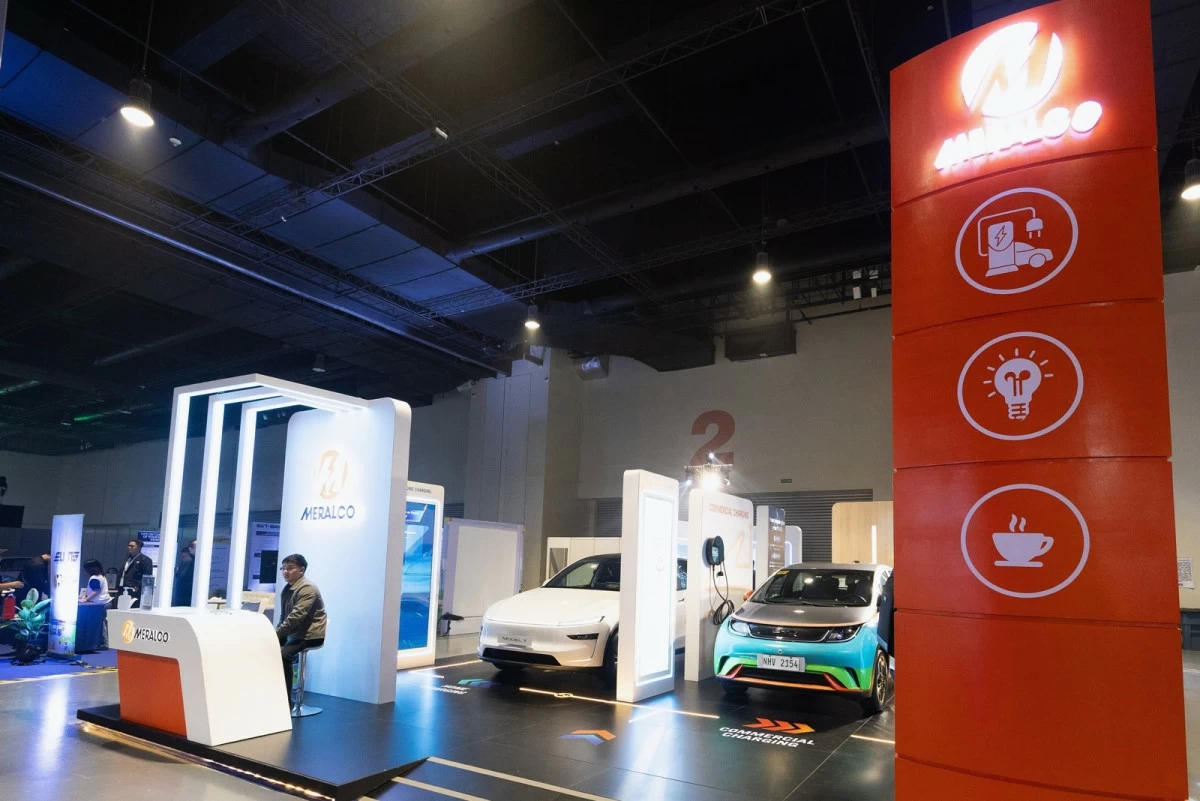
LEADING THE CHARGE IN SUSTAINABLE MOBILITY. Meralco reaffirmed its leadership in driving the Philippines’ transition to sustainable electric mobility during the 13th Philippine Electric Vehicle Summit at SMX Convention Center, Pasay City, from October 23 to 25, 2025.
The Philippine electric vehicle (EV) sector has seen an exceptional growth, primarily driven by the implementation of the Electric Vehicle Industry Development Act (EVIDA), or Republic Act No. 11697. From the Land Transportation Office (LTO) and the Department of Energy (DOE) data, new EV registrations in the Philippines continue to rise quickly, with an estimate suggesting the total could reach around 50,000 units by the end of 2025.
The recently held 13th Philippine Electric Vehicle Summit last October 23-25 brought together key stakeholders, including government agencies, industry leaders, and technology innovators to discuss the latest developments, challenges, and opportunities in the EV sector. The summit highlighted the growing momentum behind EV adoption and key discussions that centered around enhancing EV infrastructure, such as expanding charging networks and promoting energy-efficient solutions.
It also highlighted the insights into policy advancements, including the implementation of the EVIDA, which incentivizes EV adoption through tax breaks and subsidies. The EVIDA also includes several government subsidies for EV owners, like exemption from number coding, reduced registration fees, and excise tax exemptions.
With the passing of EVIDA, the DOE also introduced the national development plan—the Comprehensive Roadmap for the Electric Vehicle Industry (CREVI), which lays out an ambitious path for large-scale adoption, aiming for more than 6 million EVs on the road and over 148,000 charging stations by 2040 under its Clean Energy Scenario. It also contains other major components, including promoting and manufacturing of local EVs, creating science and technology-based policies, and strengthening workforce skills and capacity needed for the sector.
Rising to the challenge
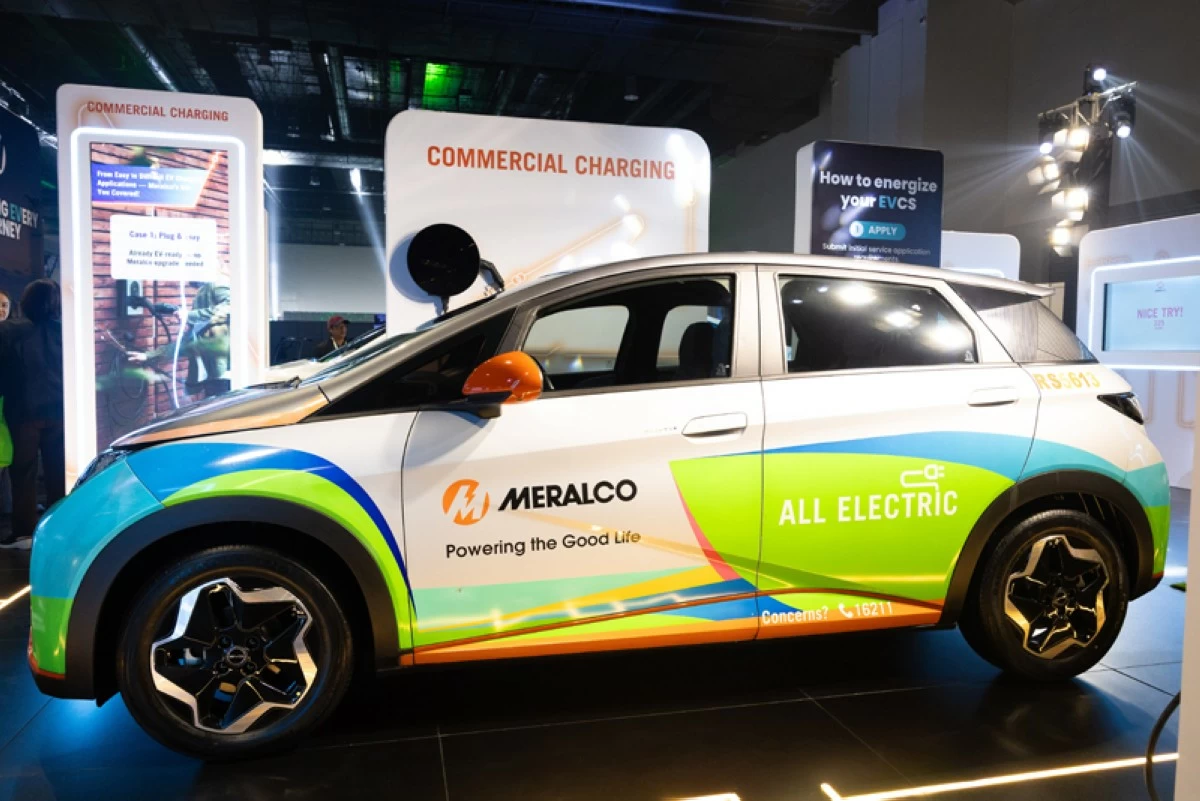
DRIVING THE GREEN MOBILITY SHIFT. Through its Green Mobility Program, Meralco has electrified 7% of its total fleet and is on its way to 25% electrification by 2030.
To further support the sector and drive EV adoption, the DOE established the Charging Infrastructure Development Plan (CIDP) to develop an extensive network of charging stations for electric vehicles across the nation. The initiative intends to link charging infrastructure with power grids and support the incorporation of renewable energy at charging stations. Under the CIDP, EV charging station service applications are streamlined and ensures alignment of charging demand with the Distribution Utilities’ (DU’s) plans.
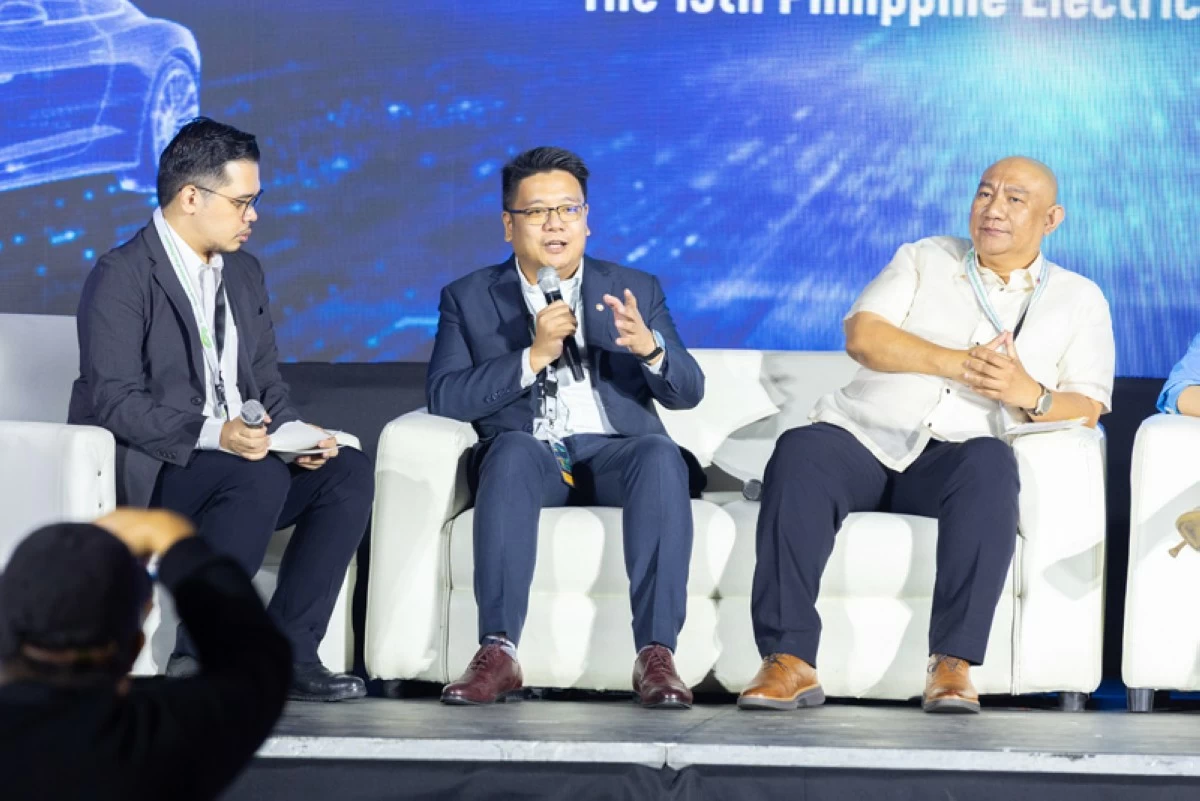
CATALYZING CONSUMER CONFIDENCE TO DRIVE EV DEMAND. Meralco Vice President and Head of Commercial Strategy Management & Energy Solutions and One Meralco EV Adoption Program Manager Ralph M. Menchavez explained that the power distributor is implementing its three-pronged strategy—Awareness, Adoption, and Acceleration—to help increase EV adoption by educating consumers, offering practical charging solutions, and collaborating with stakeholders to create a thriving EV ecosystem.
Stepping forward and accepting this challenge is the Manila Electric Company, or Meralco, one of the largest private sector electric distribution utilities in the country. As the company continuously dedicates itself to the transition to clean energy, sustainability, and corporate responsibility, Meralco also commits to powering the sector through its commitment to sustainable mobility. During the 13th PEVS, Meralco Vice President and Head of Commercial Strategy Management & Energy Solutions and One Meralco EV Adoption Program Manager Ralph M. Menchavez discussed Meralco’s important role with two objectives — to ensure the grid is ready, reliable, and resilient to support EV charging infrastructure, while catalyzing consumer confidence to fuel demand.
EV adoption: The Meralco Way
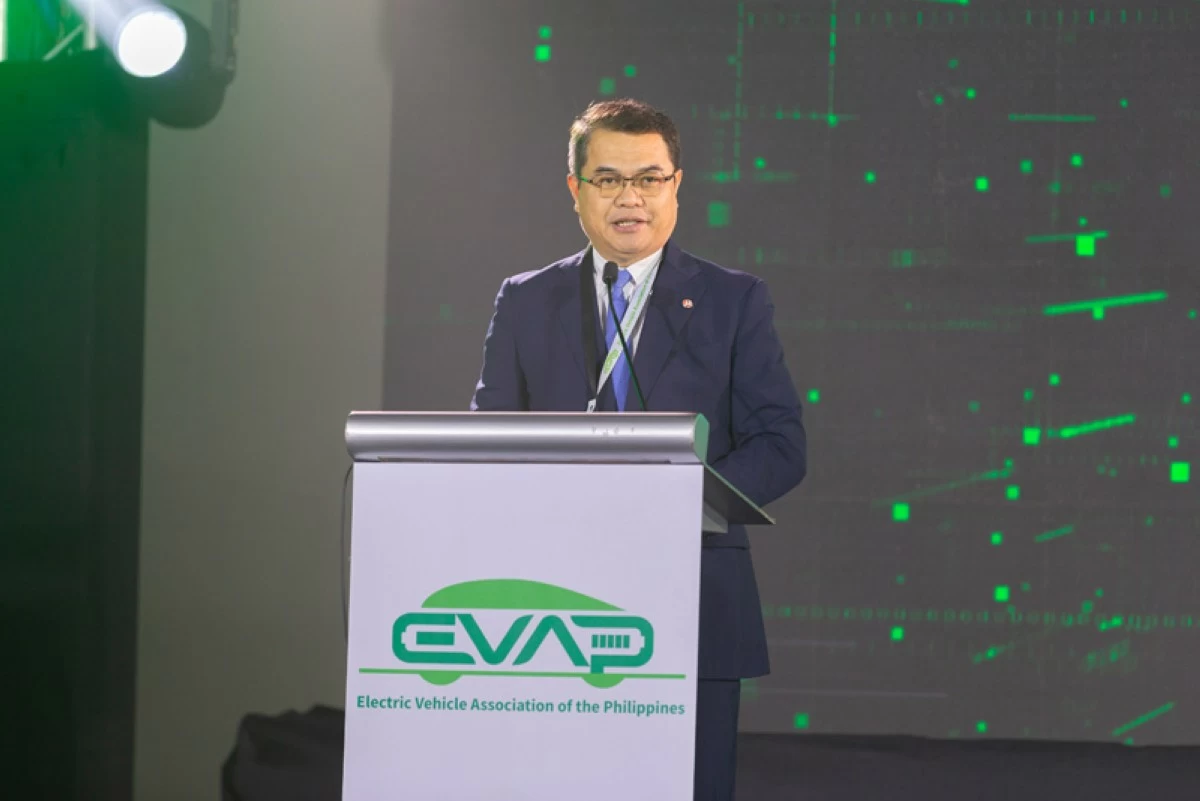
POWERING THE EV SHIFT. Meralco Executive Vice President and Chief Operating Officer Ronnie L. Aperocho said the power distributor is committed to ignite the evolution of green mobility in the country by strengthening the grid, powering charging infrastructure, and electrifying its own fleet.
To empower the EV revolution, Meralco takes on three roles under the One Meralco EV Adoption Program: as an Enabler, as a User, and as a Player. These three pillars help make the shift to EV not only seamless but also smoother, accessible, and convenient.
As an Enabler, Meralco ensures reliable EV charging infrastructure, reinforces the grid, and collaborates with key industry players to accelerate the adoption of electric vehicles. Meanwhile, as a User, Meralco leads by example with seven percent of its fleet already electrified and steadily working towards its 2030 goal of 25 percent fleet electrification, supported by fast chargers within the franchise area. This also drives contribution to the company’s sustainability targets by lowering carbon emissions by over 160 tons and cutting fuel costs by nearly five million pesos. And lastly, as a Player, Meralco is forging strategic partnerships and operating commercial charging infrastructure to drive the EV transition for Filipinos, ensuring widespread access to reliable charging solutions that support the growth of the electric vehicle market.
Shaping the future of EV
Aside from advancing the EV sector in the country, Meralco also strengthens consumer confidence with its three-pronged strategy focused on awareness, adoption, and acceleration. On Awareness, Meralco educates customers on the various advantages of EVs, from cost savings to positive environmental impact, igniting interest and curiosity about the electric future. To further support this, the Meralco EV Solutions Site serves as a comprehensive hub, providing both new and existing customers with valuable information on the benefits of electric vehicles and EV charging.
On Adoption, the company focuses on empowering households and businesses to transition smoothly by offering customer centric EV charging solutions. Meralco also offers bundled energy solutions for a more practical EV ownership and provides Peak/Off-Peak rewards for customers who charge during off-peak hours, while Net Metering allows users to charge their EVs with clean energy and export excess power back to the grid. While on Acceleration, Meralco drives the momentum through strong partnerships with key stakeholders, including consumers, the government, EVCS operators, and various organizations.
To further strengthen Meralco’s commitment to the growing EV industry, the company made an initiative, the Meralco Green Mobility Program, to drive EV adoption, which involves electrifying its corporate fleet and establishing the necessary charging infrastructure. The program aims to convert 25 percent of its fleet to EVs by 2030 while reducing greenhouse gas (GHG) emissions. As of late 2025, seven percent of the fleet has already been electrified, with over 150 EVs in operation and 60 chargers installed across its offices.
Beyond powering households and infrastructures, Meralco has made significant strides in its journey toward sustainable mobility, achieving key milestones such as enabling over 700 EV charging points or a total of 70 percent of charging points nationwide (as of October 2025). The company is also planning for additional fast chargers for fleet and public use as it continuously aligns with the EVIDA, CREVI, and CIDP mandates. These efforts collectively drive the transition to cleaner, more efficient transportation solutions, helping to shape the future of the sector.
Visit www.company.meralco.com.ph/evsolutions to learn more.