







From clinics to the cloud: Securing healthcare in the digital age
By MB Technews
Published Dec 4, 2025 09:11 am


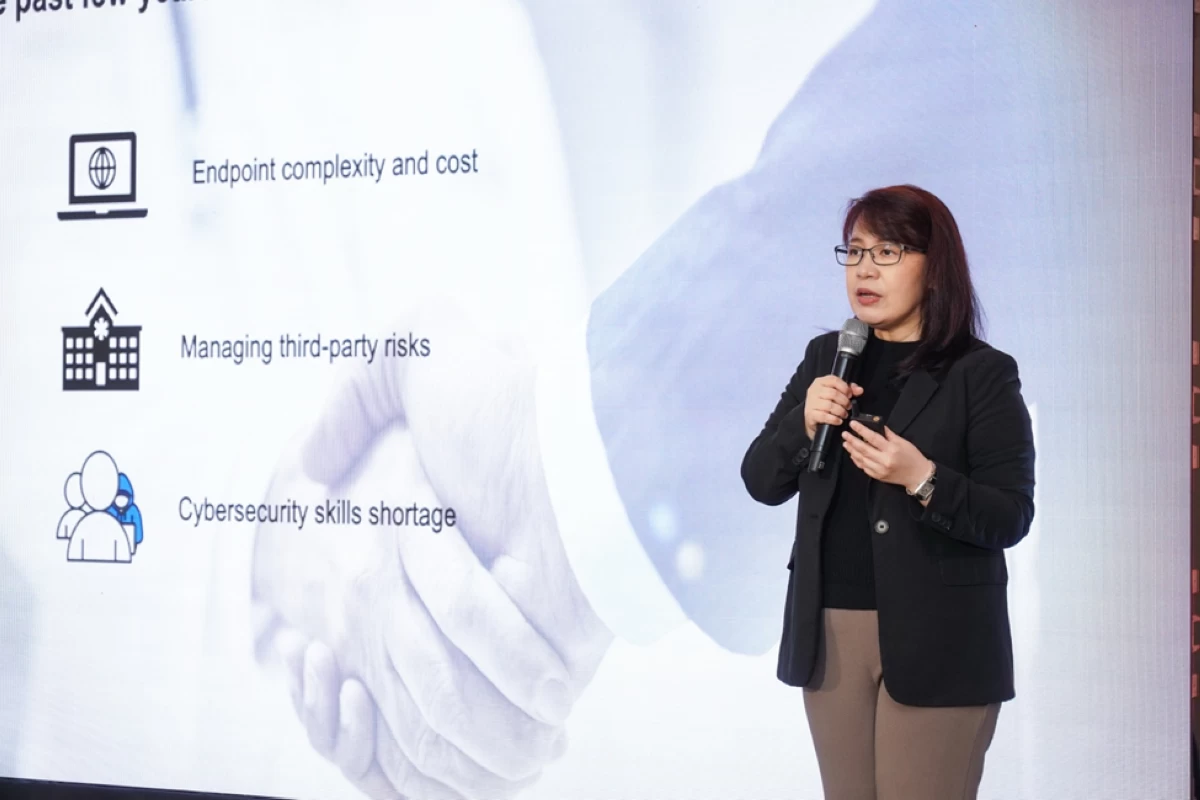
According to Bambi Escalante, country manager of Fortinet Philippines, Healthcare is undergoing a profound digital transformation. From AI-driven diagnostics to wearable devices that monitor vital signs in real time, technology is redefining how doctors treat patients and how patients manage their health. These innovations promise better outcomes and faster, more connected systems. But they also introduce a serious vulnerability: every new app, sensor, or cloud-connected service creates an opening that cybercriminals can exploit.
The risks are no longer theoretical. In August 2025, FortiGuard Labs reported that healthcare ranked fifth worldwide among industries targeted by viruses, eighth in intrusion prevention detections, and first in botnet activity. In the Philippines, hospitals and clinics have become frequent targets for ransomware, phishing, and other attacks that threaten not just data, but the continuity of care itself. A single breach can delay treatments, compromise patient records, or even jeopardise lives.
A perfect storm of threats
Healthcare systems face a “perfect storm” of risk factors. Many facilities rely on connected medical devices, infusion pumps, imaging machines, and monitoring equipment that were not designed with security in mind. Once compromised, these devices can provide attackers with a foothold into hospital networks. At the same time, the sector is grappling with a shortage of skilled defenders, making it harder to keep pace with the sheer volume of threats.
Artificial intelligence is compounding the challenge. Criminals are now using AI to generate highly realistic phishing emails, clone voices, and even create deepfake videos that impersonate hospital executives or government officials. These scams can trick even the most cautious staff into sharing credentials or approving fraudulent transactions. AI also allows attackers to automate reconnaissance, scanning for misconfigured cloud accounts or vulnerable devices at a speed no human team can match.
More than compliance
For many healthcare providers, the instinctive response is to focus on regulatory compliance. While compliance is critical, it is only the baseline. Resilience requires going beyond box-ticking to embed security into the fabric of healthcare operations. That means securing every endpoint, monitoring networks continuously, and preparing for incidents before they occur.
Cloud adoption is a good example. More hospitals are moving workloads to cloud environments to improve efficiency and access, but misconfigured accounts and exposed APIs remain common weak points. Without proper safeguards, the same technologies that enable innovation can also create new pathways for attackers.
Third-party risk is another growing concern. Healthcare depends on a web of vendors—from medical equipment suppliers to technology providers, whose security practices may vary widely. Many devices stay connected for years, often without regular updates, turning them into long-term liabilities if not properly managed. Effective vendor oversight and clear accountability are now as important as firewalls and encryption.
Building resilience
So how can healthcare providers shift from risk to resilience? The answer lies in a holistic approach that unites technology, process, and people. Technology must move from siloed tools to integrated platforms. When AI is embedded across the security fabric, it can detect anomalies in real time, stop suspicious traffic before it spreads, and automate routine tasks, freeing up human experts to focus on higher-level threats. Network segmentation ensures that if one device or system is compromised, attackers cannot easily move laterally across the environment. Encryption protects sensitive patient data both in motion and at rest, reinforcing trust.
Strong processes are just as vital. Healthcare providers should establish proactive incident response plans, conduct regular simulations, and ensure systems are backed up and recoverable. This mindset turns cybersecurity into a daily discipline rather than an afterthought, reducing downtime and maintaining continuity of care when incidents occur.
Above all, people remain central. Employees are often the first of defence. Training staff to spot phishing attempts, protect credentials, and report suspicious activity can prevent many attacks from succeeding. Cultivating a culture of shared responsibility ensures that clinicians, administrators, and executives all see cybersecurity as part of their role in safeguarding patients.
A national imperative
Healthcare security is more than a technical challenge; it is a matter of public trust and national resilience. A cyberattack that disrupts hospitals does not just compromise data; it disrupts lives. As digital health initiatives accelerate in the Philippines, the stakes will only grow higher.
This is why partnerships across the ecosystem are so important. Governments, healthcare providers, and technology partners must work together to build stronger defences. At Fortinet, we are committed to this mission, embedding AI across our Security Fabric, partnering with educational institutions to build cybersecurity talent, and working with healthcare organizations to strengthen their resilience against today’s and tomorrow’s threats.
Safeguarding healthcare’s digital future
The promise of digital healthcare is immense, but so are the risks if cybersecurity does not keep pace. By taking a proactive approach, securing devices, tightening access, preparing for incidents, and empowering people, healthcare providers can safeguard not only patient data but also the continuity of care itself.
Ultimately, resilience is what keeps trust intact. Patients must know that when they walk into a hospital or log into a telehealth service, their information and their care are protected. In the digital age, cybersecurity is no longer just an IT function; it is healthcare’s lifeline.