






Manila Bulletin
 Business
Trade & Industry
European businesses double down on Philippines as confidence surges despite hurdles
Business
Trade & Industry
European businesses double down on Philippines as confidence surges despite hurdles
Business
Trade & Industry
European businesses double down on Philippines as confidence surges despite hurdles
European businesses double down on Philippines as confidence surges despite hurdles
Published Dec 4, 2025 05:35 pm


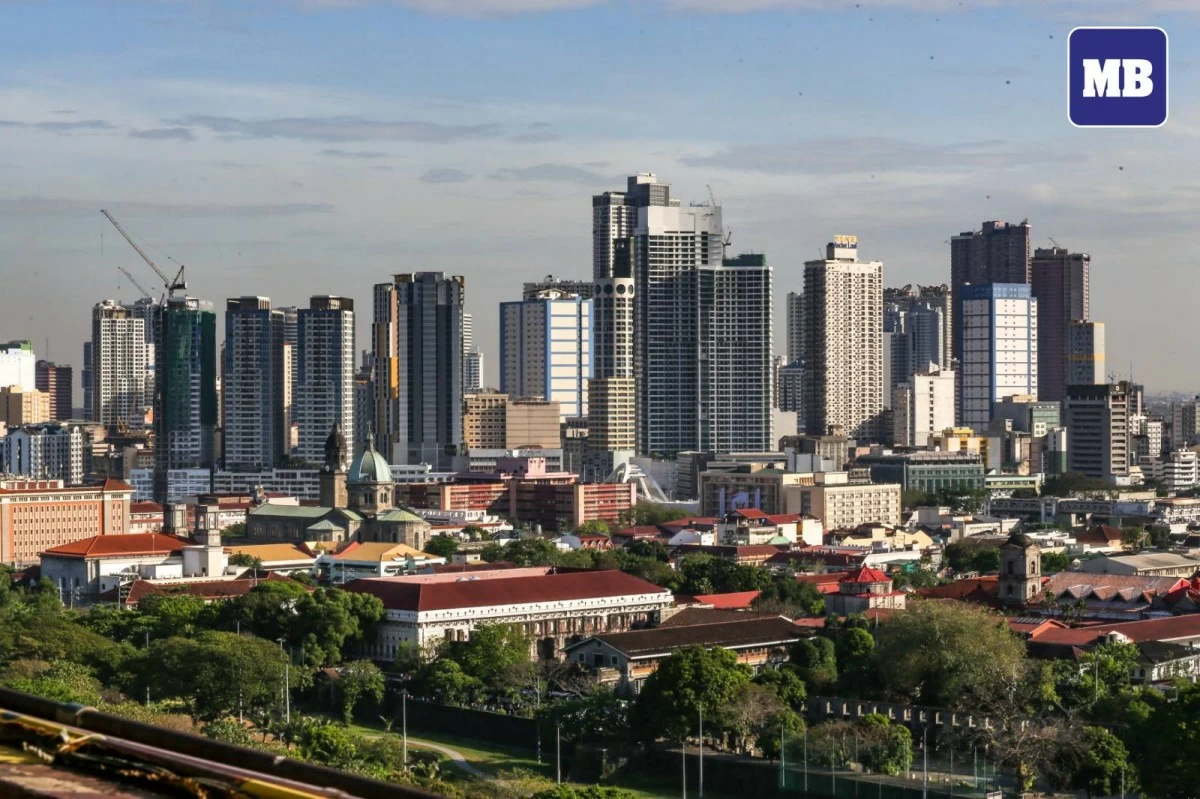
The European Chamber of Commerce of the Philippines (ECCP) said nearly 80 percent of its member companies are poised to expand their trade and investment activities in the medium term, signaling strong confidence in the country’s business environment.
“A majority anticipate heightened engagement, with 70.3 percent planning to increase trade and investment in the next 12 months and 78.5 percent over the next two to four years,” according to the results of ECCP’s 2025 business sentiment survey released on Thursday, Dec. 4, during its 2026 Philippine Economic Outlook forum.
“A further 26.7 percent anticipate stability, suggesting that most businesses foresee continued engagement without major disruptions,” the survey results added.
ECCP pointed out that only 2.9 percent anticipate a decline, highlighting sustained confidence in the country’s economic and investment outlook.
It added that 20.3 percent expect their activity to remain steady, “indicating a sustained commitment to the market even in the absence of expansion.”
“Overall, these responses suggest a positive outlook for continued foreign engagement and investment in the Philippines,” it said.
ECCP emphasized that European businesses see broad improvements in the Philippine market, led by gains in sales (46.5 percent) and overall business environment (48.3 percent), while investment (40.1 percent) and supplier performance (36 percent) show moderate growth.
It added that trade and investment are driven by economic growth (51.7 percent), production costs (57.6 percent), political and regulatory stability (45 to 49 percent), infrastructure (48.3 percent), regional integration (43 percent), and sustainability (51.2 percent), highlighting the need for cost efficiency and predictable regulations.
Despite recent reforms, ECCP noted that 90.1 percent of respondents face major barriers to trade, investment, or business in the Philippines, citing complex taxation, customs inefficiencies, and regulatory inconsistencies. “Streamlining these processes and harmonizing standards will be critical to strengthen investor confidence and support sustained growth,” it added.
ECCP also noted that 68.6 percent of European companies in the Philippines saw improved performance over the past year, with 33.7 percent posting higher profitability than in other regional markets, and 65.7 percent planning to expand operations over the next four years, signaling strong confidence in the country’s market potential.
“European companies in the Philippines are prioritizing operational efficiency, workforce development, digitalization, and strategic partnerships, with 60.5 percent increasing investments in technology and 59.9 percent emphasizing local collaborations, demonstrating a coordinated approach to competitiveness, resilience, and long-term growth,” it added.
However, ECCP noted that direct European Union (EU)-Philippine trade remains limited, with only 21.5 percent of companies active in both imports and exports, highlighting untapped potential for growth.
During the forum, Asian Development Bank (ADB) Philippines country director Andrew Jeffries characterized 2025 as “generally rosy,” saying the first half of the year is “upbeat” before giving way to a “rougher” second half. He added that the onset of the flood-control corruption scandal “kind of wedged in between those two.”
Jeffries emphasized that the sharp decline in public infrastructure spending was the biggest “drag” on the economy this year, adding that “the recovery will happen; it’s just a matter of when and how quickly.”
He added that external shocks and major natural disasters also affect the economy, emphasizing the importance of disaster risk management.
“But again, just looking at all the fundamentals, I would say the No. 1 driver for next year is getting the infrastructure spending back on track,” he said.
(Ricardo M. Austria)