






Manila Bulletin
 Lifestyle
Fashion and Beauty
This collection celebrates the hard work of Filipino fishermen
Lifestyle
Fashion and Beauty
This collection celebrates the hard work of Filipino fishermen
Lifestyle
Fashion and Beauty
This collection celebrates the hard work of Filipino fishermen
This collection celebrates the hard work of Filipino fishermen
Homegrown brand Habilé turns the tensions in the West Philippine Sea into a collection that honors mangingisda and the richness of the ocean
By John Legaspi
Published Dec 3, 2025 11:25 am


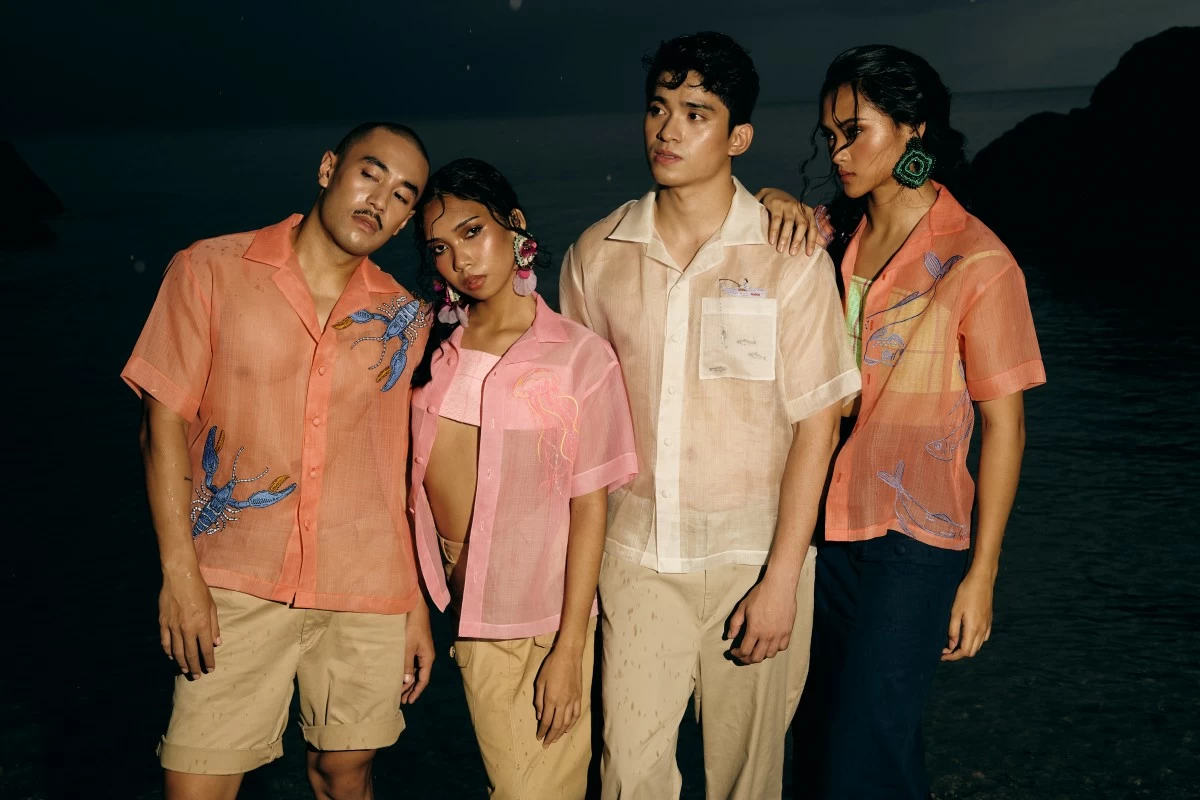
"Mangingisda" collection
Fashion is one of the best—and most beautiful—ways to make a statement. It is as personal as it is communal, reflecting our individuality while connecting us to the culture and communities around us. For one local brand, clothing must speak beyond aesthetics, while also putting the spotlight on stories not often heard.
For the sophomore drop of its debut collection, dubbed “Mangingisda,” Habilé crafts a line that celebrates the hard work of Filipino fishermen and the beauty of the ocean. Much like other creative processes, the inspiration for the collection stems from current events—transforming something often overlooked into a vibrant display that connects communities together.
“We really wanted to highlight Filipino stories, and the figure of the mangingisda felt like a meaningful place to start,” Nikki Torres, the brand’s creative lead, tells Manila Bulletin Lifestyle. “This was especially inspired by the tensions in the West Philippine Sea, which directly affect the lives of fishermen who depend on these waters. Fishermen work incredibly hard, often in harsh conditions, and they risk so much to provide for their families and bring us the richness of our seas. It felt right to honor that quiet strength.”
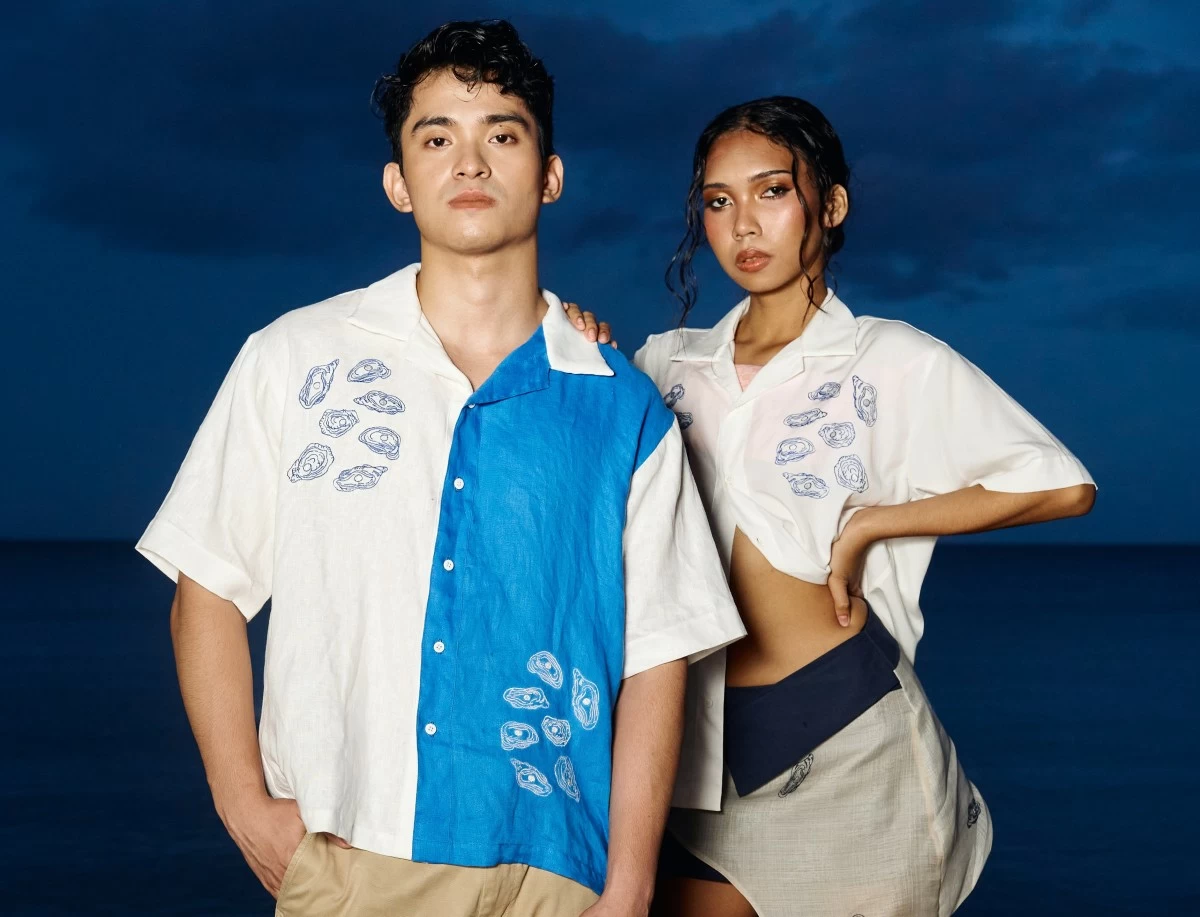
Ostrea polo
The collection pieces are perfect for life in the tropics or the urban scene of the Philippines. Each piece is made with a variety of materials, from jacquard that mimics the waves, to inabel textiles in vibrant hues, as well as cotton, linen, and silk cocoon for optimum ease and comfort. These materials are transformed into contemporary terno, unisex polos and tops, skirts, and pants. Adding charm to the pieces are marine-inspired designs like jellyfish embroideries, 3D bubble appliqués, and elements that spotlight the freshest bounty from the Philippines’ shores, such as oysters, eels, and other crustaceans.
“We’re not trying to be flashy. We just want to create pieces that feel fresh and unique, adding color and personality to designs inspired by Filipino textiles and cultural influences,” Nikki explains. “Our designs mix classic silhouettes with playful details and thoughtful touches, making them fresh, versatile, and unmistakably ours. We also incorporate Filipino fabrics like inabel, reimagined in ways that appeal to even younger audiences, like our Ayá bralettes crafted from inabel. We design for people who want to celebrate heritage in a fun, wearable way.”
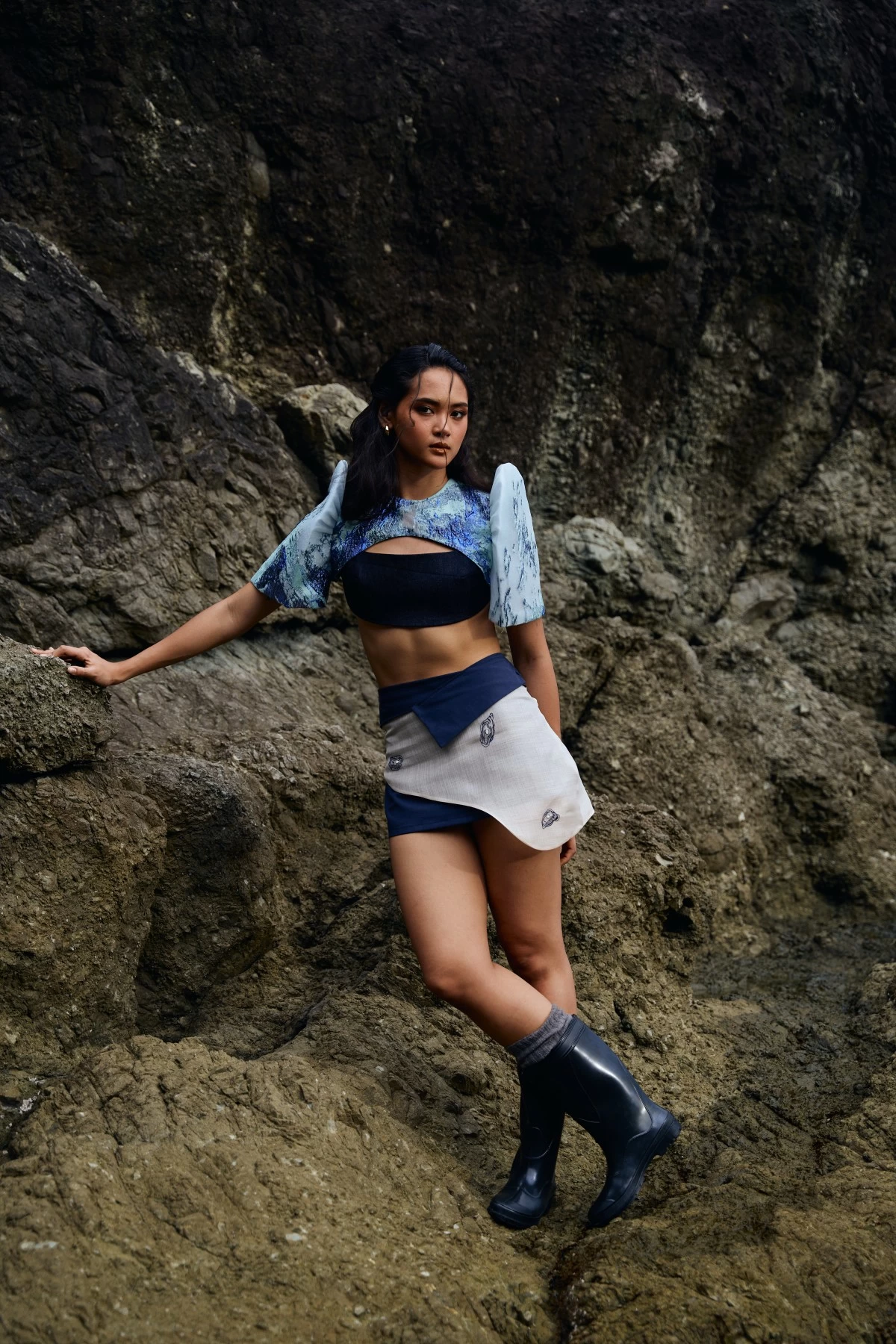
Alona terno, Aya bralette, and Reya mini skirt
Habilé first made its mark in August of this year, launching its initial creations at MaArte Fair. It started as a passion project among designers and eventually evolved into a brand that celebrates Filipino fabrics and culture. Joining Nikki in this journey are Irene Torres (production lead), Jamie David (garment detailing lead), and Noel Marin (construction and technical consultant). Together, they collaborate on every design, graphic element, and silhouette, blending their strengths to create a cohesive and contemporary Filipino identity.
In a conversation with Manila Bulletin Lifestyle, Nikki shares more about her journey in design, the story of Habilé, and why working with communities is essential in today’s fashion scene.
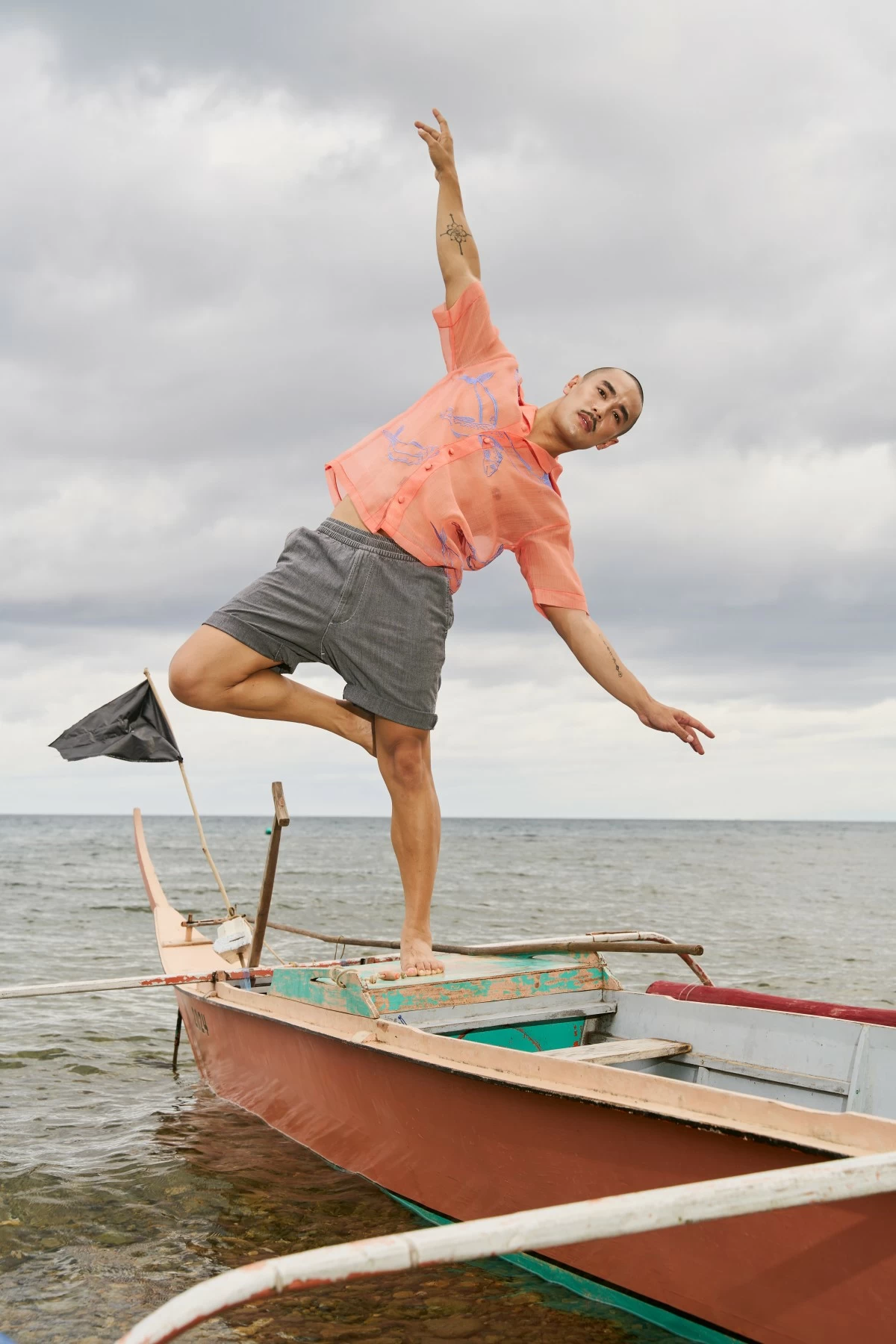
Palos polo
What inspired you to pursue a business in fashion? Is it something that runs in the family, and did you study design?
My family has always been into the arts. My mom, who is also our co-founder, started pursuing fashion later in life, creating gowns from time to time. My late uncle was a talented painter. I graduated as a multimedia designer from De La Salle College of Saint Benilde and later completed a Fashion Design course at Slims Fashion and Arts School.
Fashion has always been an interest of mine, and I’ve long felt it’s a path that fits me. I even got accidentally added twice to a fashion design group in college, and after, when I was having second thoughts on my career as a multimedia artist, which is a crazy coincidence! I’ve always loved using clothes to express my mood and confidence, dressing as if someone might take a photo or a celebrity crush might see me—even when I was just out buying street food near our condo.
Habilé is the perfect opportunity to fully explore that passion. While I had once hoped to launch my own streetwear brand, starting this brand with people I trust felt like the right way to enter the fashion scene together.
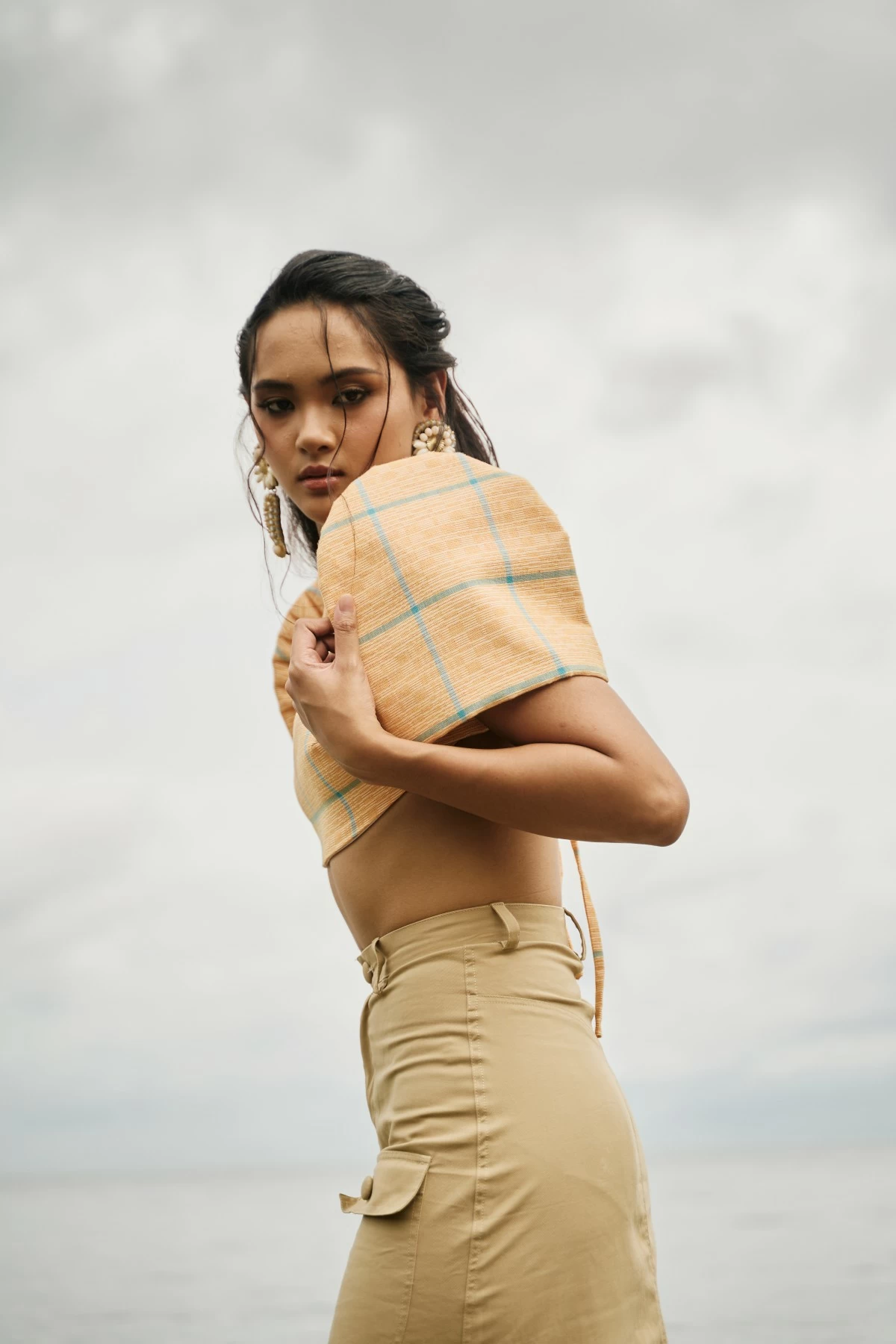
Frances terno
Let’s talk about Habilé. How would you describe the brand’s aesthetic or design direction?
Habilé is like a polished professional who knows how to have fun: sometimes classic, sometimes playful, but never boring. Our pieces often feature clean, timeless silhouettes with subtle, unexpected details that make them fun and unique. We strike the right balance: simple yet thoughtful, playful yet tasteful. The brand doesn’t take itself too seriously and loves to inject a little humor and personality into everything we do.
What materials do you use in making your pieces? Do you partner with any communities in producing them?
Most of our pieces use cocoons and inabel fabrics, and we make sure to source these locally to support the artisans and communities behind them. We also use other accessible materials like 100 percent linen and tencel to add variety, giving people options that are comfortable, fashionable, and easier to care for—especially when hand-washing can get a bit tedious.
Each piece is brought to life by our in-house senior seamstresses, led by our co-founder and production head. We deeply value the craftsmanship and experience they bring, and it’s meaningful for us to grow together while giving them a space to showcase their skills.
We also work with a trusted embroiderer in Laguna, where we personally design our embroideries, prepare the fabrics, and have them dyed in the exact shade we envision. It’s a collaborative process that allows us to bring each detail to life with care and intention.
Looking ahead, we hope to expand our team to include people with disabilities. My late uncle, who was partially deaf, inspired us to create opportunities for skilled individuals who may face barriers in the community. We want to celebrate their talents and build a supportive environment where everyone can contribute meaningfully.
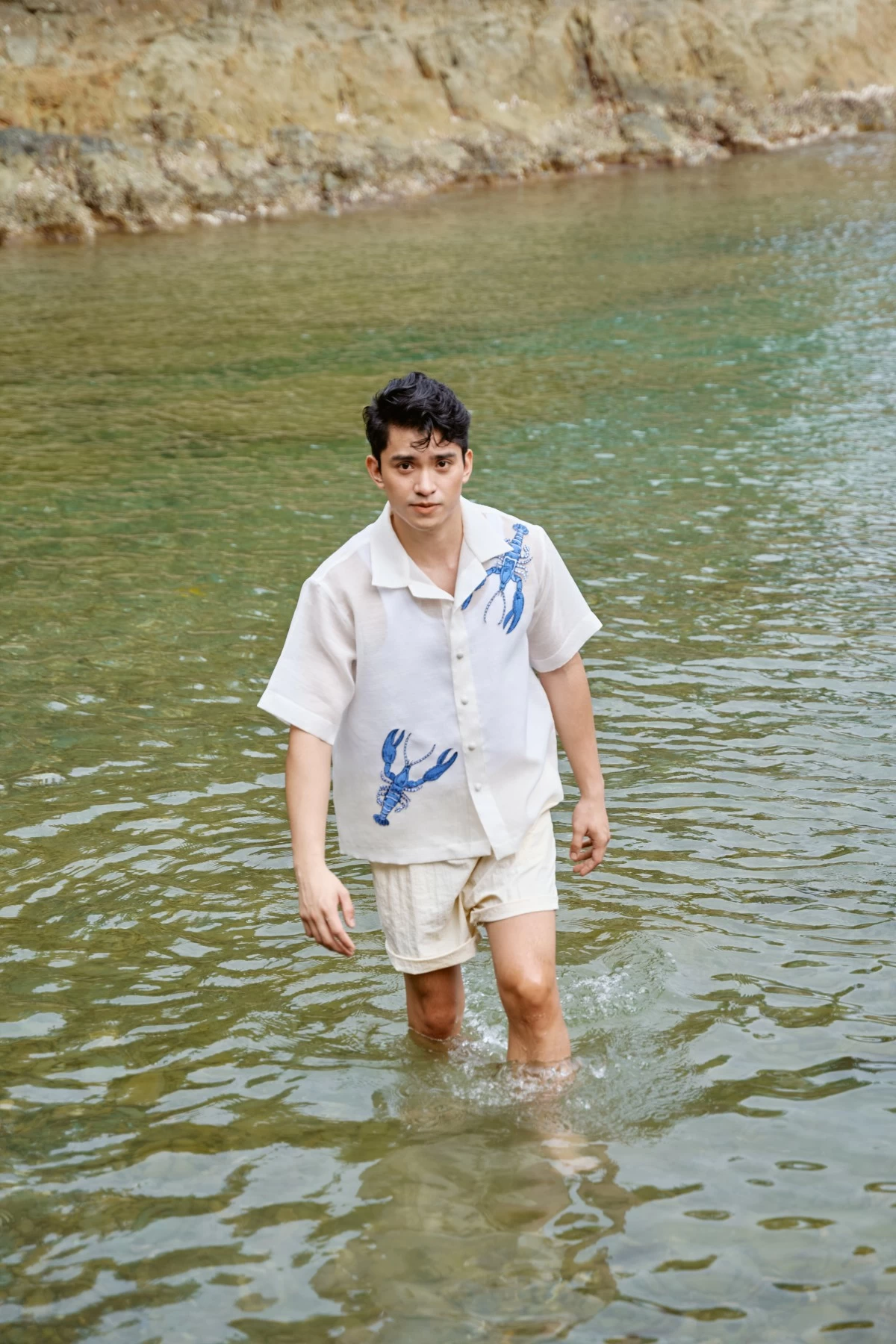
Tavian polo
What do you hope to achieve with the brand?
We hope Habilé continues to grow and reach a wider audience, both locally and internationally, while showcasing our heritage and the incredible talents of our local artisans.
As a young brand, there’s still so much to achieve—from expanding our presence nationally through stores and partnerships to collaborating with different artisan communities. Beyond that, we want to build a brand that inspires confidence and self-expression while creating meaningful opportunities for everyone, especially seniors and people with disabilities in fashion. Ultimately, we hope Habilé is recognized for its quality, creativity, and celebration of Filipino craftsmanship in a modern way that even younger people will wear and enjoy.
Visit @habile.ph on Instagram to know more.