







Southeast Asia's moral call on climate action
Published Dec 3, 2025 09:35 am


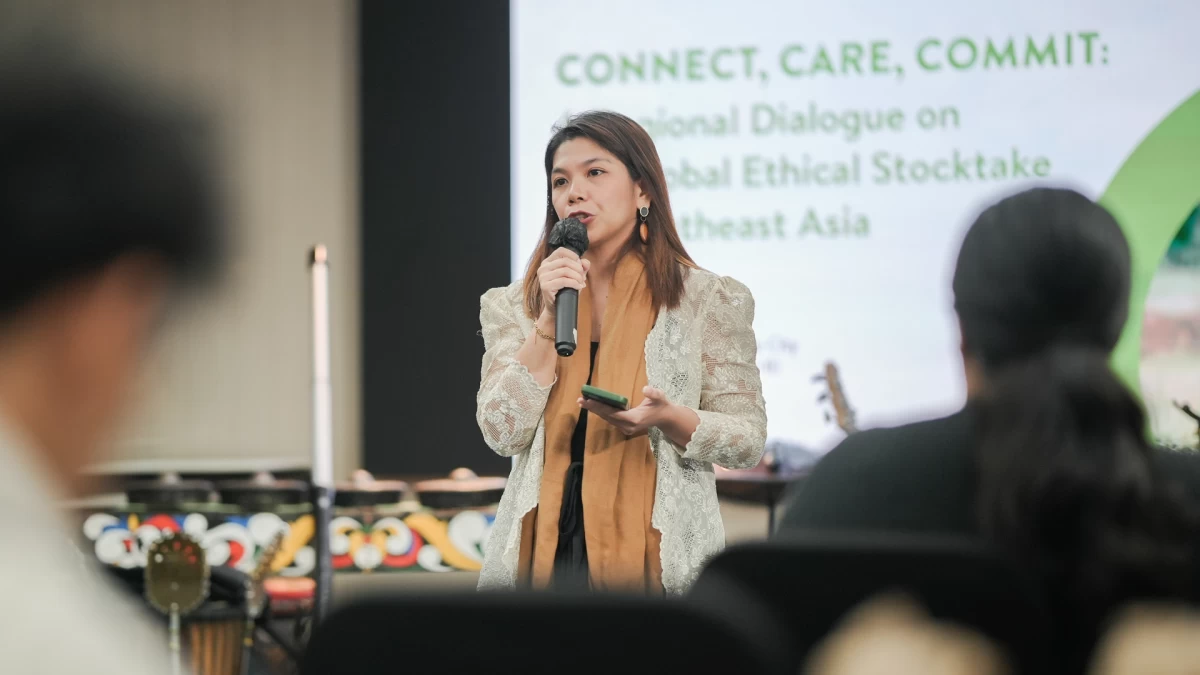
Climate Reality Philippines Interim Branch Manager Aimee Oliveros opens the event with a message on strengthening solidarity among Southeast Asian communities.
Days before 30th Conference of the Parties (COP30) in Belém, Brazil, The Climate Reality Project Philippines hosted a self-organized dialogue on the Global Ethical Stocktake (GES). The gathering harnessed the voices of Southeast Asian leaders and their collective power for climate action.
Entitled Connect, Care, Commit, this event was also supported by Climate Reality Indonesia and AktivAsia. The initiative aimed to localize the GES by fostering a space of reflection among Southeast Asian advocates within the Climate Reality Project network.
“When we look back at the topic that we have now—Connect, Care, and Commit— it is really about understanding our roles, not just within ourselves, not just with others, not just within the country, but also across the region,” said Aimee Oliveros, interim branch manager of Climate Reality Philippines.
The Global Ethical Stocktake (GES) is a major official initiative launched by Brazilian
President Luiz Inácio Lula da Silva and UN Secretary António Guterres, operating under the trust of the COP30 Presidency.Designed as a moral complement to the technical Global Stocktake of the Paris Agreement, the GES confronts the gap between knowing what must be done and the collective failure to act at the necessary pace and scale. It argues that the primary barrier to effective climate action is no longer a lack of technical solutions, but a deficit of ethical commitment and collective will.
“This initiative, as supported by the COP30 Presidency, reminds us of the simple truth: the greatest barrier to solving the climate crisis is no longer technology—it is the lack of ethical will and collective determination,” said Dr. Amanda Katili Niode, director of Climate Reality Indonesia.
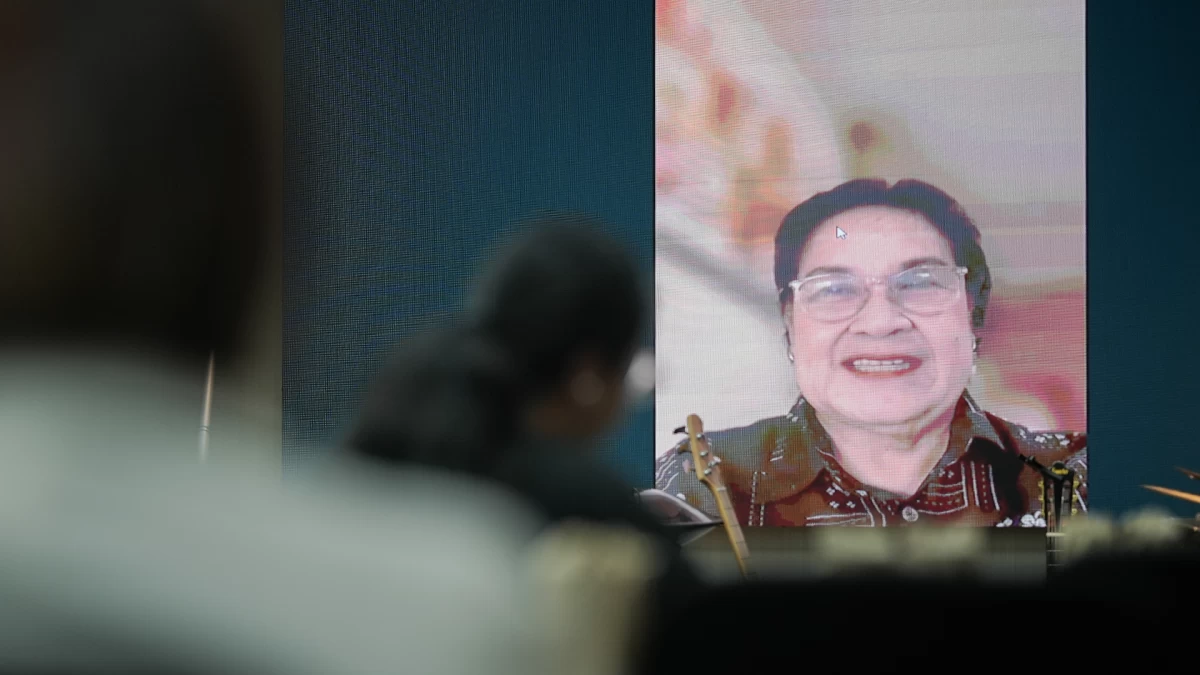
Climate Reality Indonesia Director Dr. Amanda Katili Niode discusses the importance of the Global Ethical Stocktake in the ongoing COP30 in Brazil.
Participants in this hybrid dialogue included Climate Reality Leaders and civil society representatives from across Southeast Asia. This gathering sought to strengthen the moral case for developed nations and major emitters to honor their climate finance obligations and transition commitments— essential to protecting the most vulnerable and upholding the 1.5°C goal.
“We welcome all of you knowing that we are all disturbed. We welcome your concerns about this issue and the survivors of the extreme weather events and the slow-onset events that are related to this climate crisis. The question lingers: How can our communities not just survive— but thrive?” said Francis Joseph Dela Cruz, co-founder and country lead of AktivAsia Philippines.
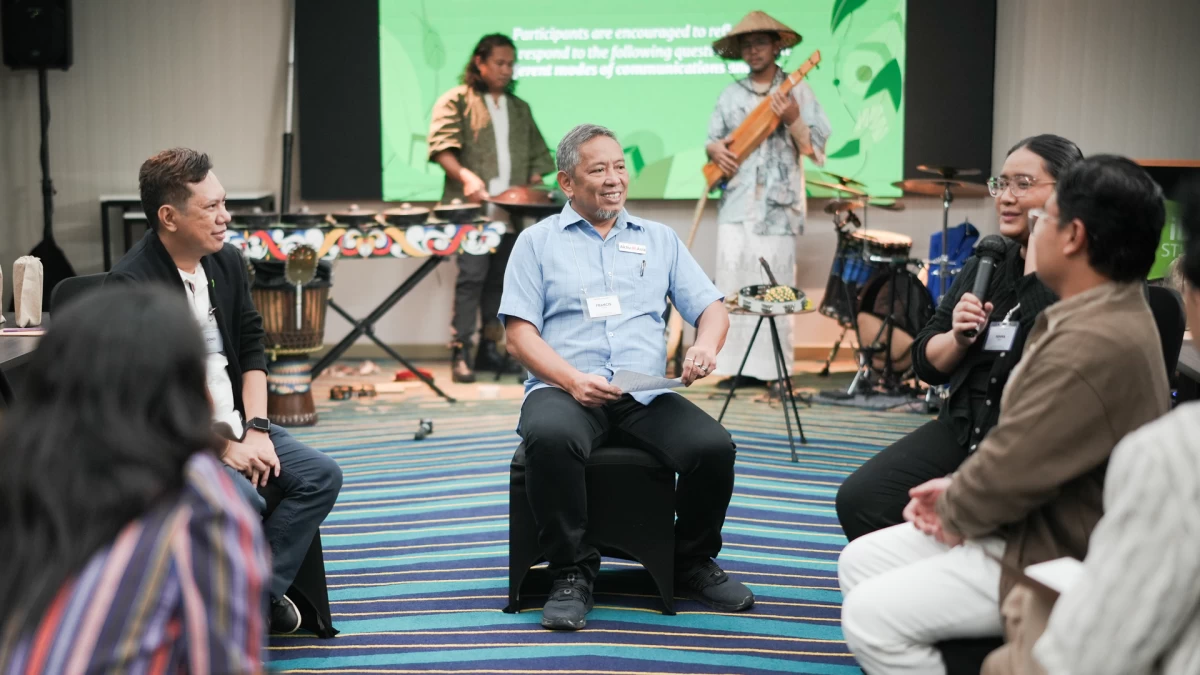
AktivAsia Philippines Country Lead Francis Dela Cruz leads the onsite dialogue with Climate Reality Leaders.
Part of the event focused on contextualizing the Global Stocktake in Southeast Asia, and its role in shaping future climate action initiatives. Leading the discussion was Carmina Gabrielle Villena, senior climate policy analyst at the Institute for Climate and Sustainable Cities
“The Global Stocktake provides evidence-based foundation for action, identifying where we are, where we need to go, and how we can bridge that gap through cooperation and ambition,” said Villena.
A clear, powerful message emerged from the dialogue—the path to effective climate action lies in confronting the moral and ethical deficits in missing the mark to a 1.5°C global limit.
Southeast Asian communities are known for their resilience, and it is a deep-rooted cultural wisdom tested by time. For SEA participants, reflecting into the region’s traditions signifies that countries’ unique practices reinforce a community philosophy that humanity’s role, as part of a living interconnected system, is never to dominate nature, but to steward it.
Moving forward, SEA issues a compelling call to redefine accountability, amplify grassroots influence, and strengthen political will from the ground up. The dialogue championed a people-centered approach to climate action, envisioning a concept of People’s Determined Contribution to complement national policies with community-defined commitments that are just, inclusive, and firmly rooted in realities on the ground.
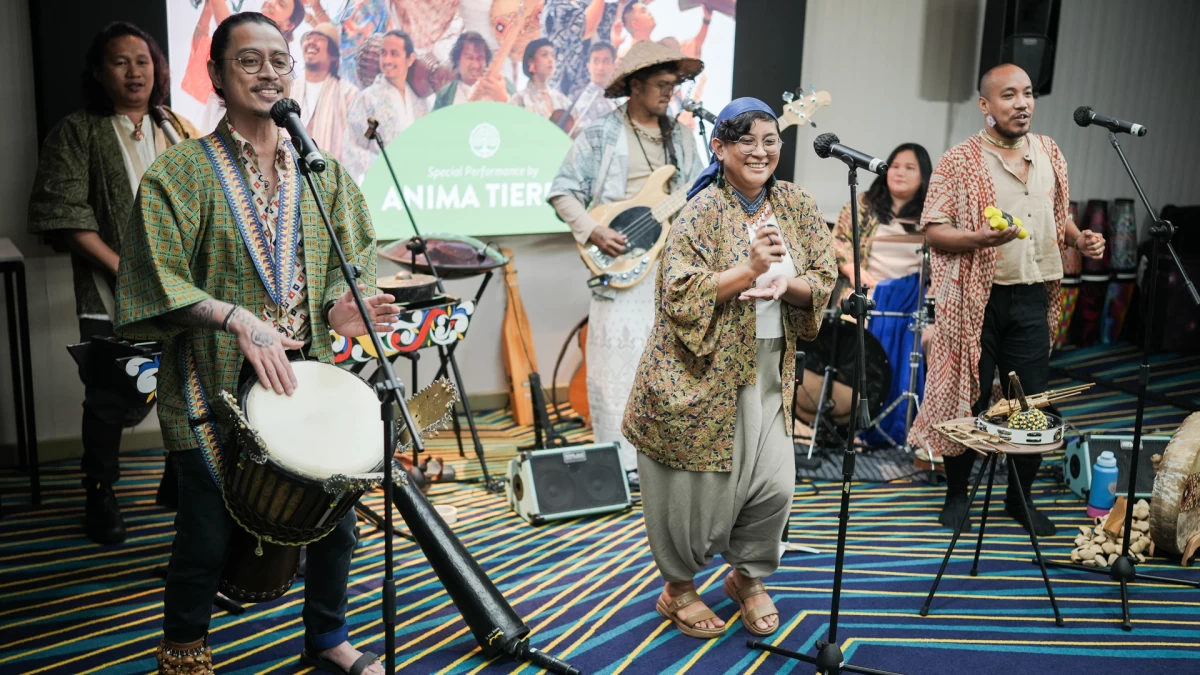
Local folk group Anima Tierra closes the program with ethnic tunes inspired by indigenous traditions.
“We hope that this dialogue will just be the start of building those deep connections. And if we are to build deep connections, we have to talk about our stories, our diversity, where we come from, and why we are here,” said Elainne Lopez, country manager of AktivAsia Philippines.
The cross-cultural dialogue culminated in a commitment ceremony, where participants voiced a collective call to action ahead of COP30. Their message underscored both the urgency felt across Southeast Asia’s vulnerable nations and the responsibility of the Global North to lead, by reducing emissions, delivering on climate finance pledges, and supporting a just transition in the Global South.
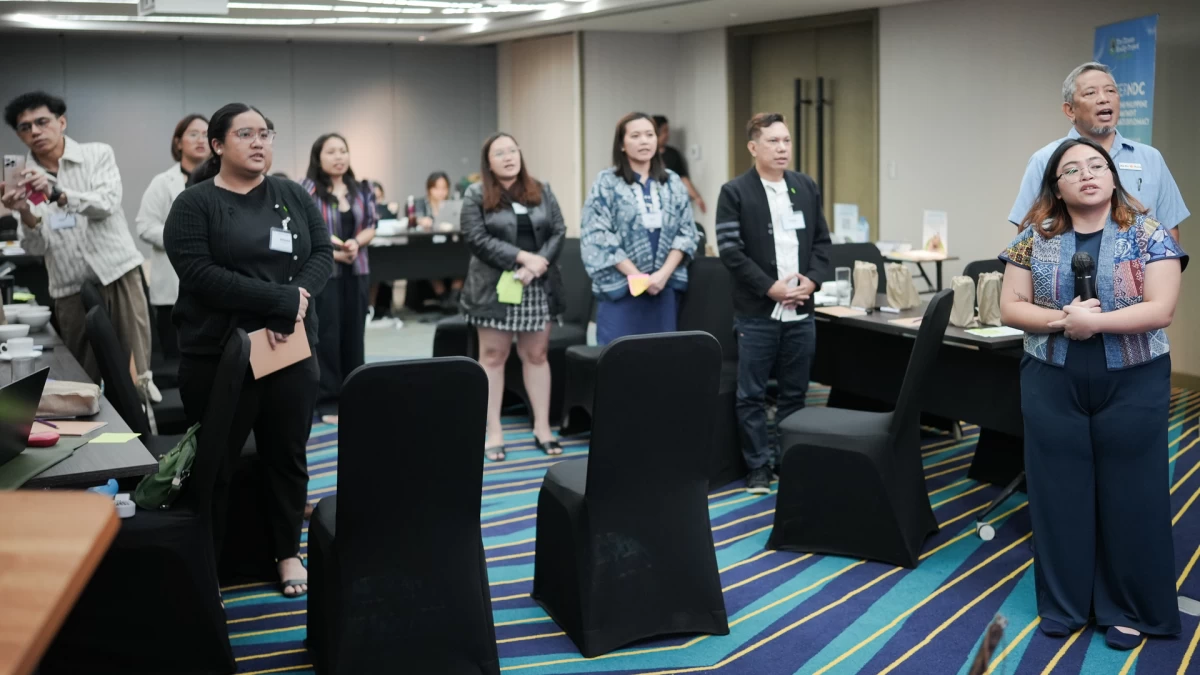
Participants voice the frustrations and hopes of climate-vulnerable nations during the commitment ceremony ahead of COP30.
“We present to the Global Ethical Stocktake and to COP30 the resilience of our communities, the frustration of years of delayed action, and the unwavering demand for moral accountability and action. The world is watching, Belem,” an excerpt of the commitment statement reads.
Southeast Asian communities are no longer asking for recognition, they are asserting their moral stake in the global climate response. As COP30 defines the world’s path forward, the call is clear: the Global North must move beyond pledges to action, and the Global South must be empowered to shape solutions rooted in justice and lived experience. Southeast Asia’s voice is both a reminder and mandate: the world must listen and respond.