






 Philippines
National
Legarda calls on barangays to launch 'drainage drive' as 2025 draws to a close
Philippines
National
Legarda calls on barangays to launch 'drainage drive' as 2025 draws to a close
Legarda calls on barangays to launch 'drainage drive' as 2025 draws to a close


At A Glance
- As the year 2025 draws to a close, Senator Loren Legarda called on all village leaders nationwide to launch a year-end "drainage drive," locating and cleaning drainage systems within their jurisdiction to prevent flooding, mosquito-borne illnesses, and water contamination in communities.
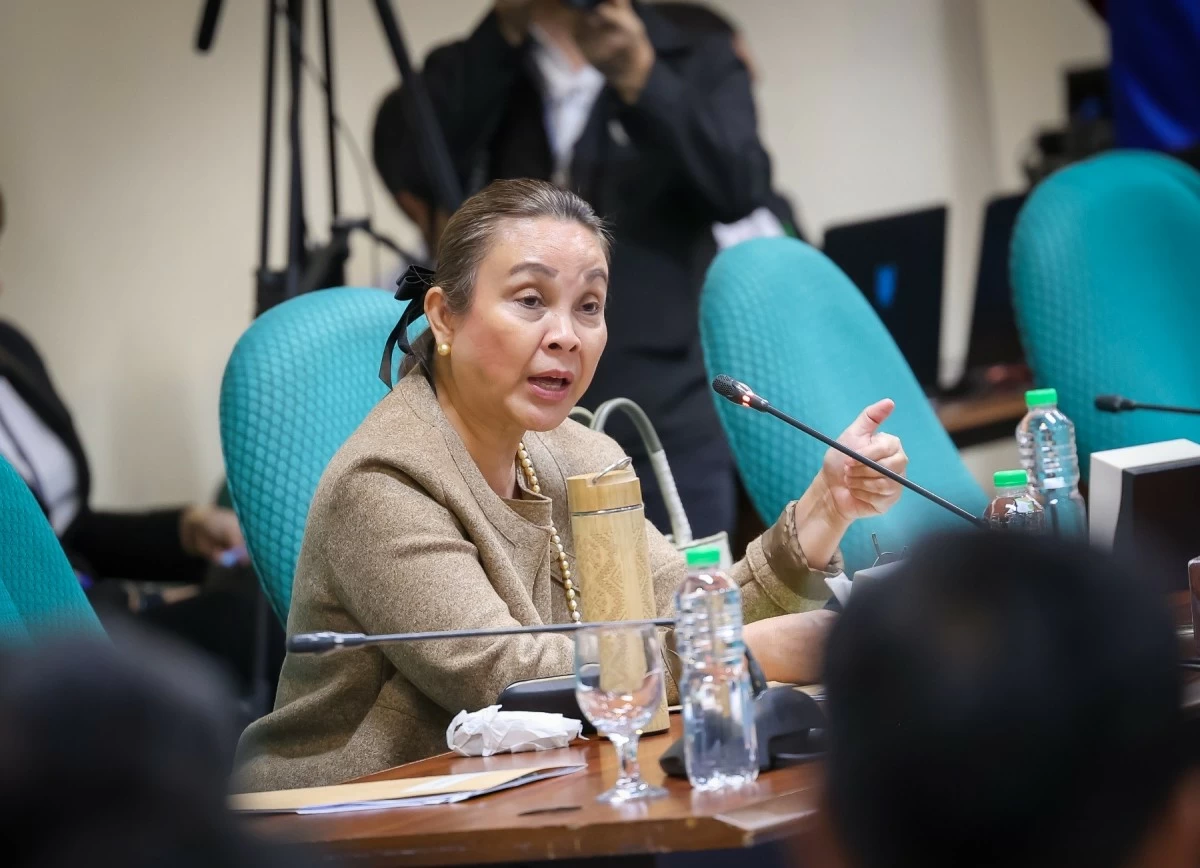
As the year 2025 draws to a close, Senator Loren Legarda called on all village leaders nationwide to launch a year-end “drainage drive,” locating and cleaning drainage systems within their jurisdiction to prevent flooding, mosquito-borne illnesses, and water contamination in communities.
“This is a gift of safety for our families and a gift of care for nature. Let’s search and clean drainages, let this be our collective offering as we close 2025,” Legarda said.
“Every flood reminds us of what we failed to do. Let us not wait for another disaster to act. This should be our responsibility, starting at the barangay level,” she emphasized.
Legarda cited data from the Philippine Atmospheric, Geophysical and Astronomical Services Administration (PAGASA) that 22 tropical cyclones have already entered the Philippine Area of Responsibility (PAR) this year, with one to two more expected before December closes, underscoring the need for urgent prevention measures.
A long-time advocate of environmental protection and climate action, Legarda stressed that a clogged drainage is the leading cause of flooding, and the spread of waterborne diseases.
These, however, can be prevented through simple, consistent community action.
“Barangay leaders and residents must work together to map canals and waterways, conduct regular clean-ups, strictly enforce the Ecological Solid Waste Management Act, and mobilize monitoring teams to check drainage before and after heavy rains,” the senator said.
“I also call for community education campaigns to remind households that throwing trash into canals is both illegal and dangerous,” she said.
Moreover, Legarda expressed hope that more villages would adopt effective practices such as scheduling clean-up days, coordinating with local schools to involve students in awareness drives, and installing visible signage near waterways to discourage dumping.
The lawmaker also encouraged villages to adopt composting and recycling initiatives to reduce the volume of waste that ends up in drainage systems.
She cited recent data from the Metropolitan Manila Development Authority (MMDA), which reported collecting more than 600 tons of garbage from 71 pumping stations and flooded areas in Metro Manila between July 18 and 22, 2025.
She pointed out authorities attributed the blocked drainage systems, faulty pumping operations, and worsened flooding to accumulated trash.
“This confirms the urgency of my appeal. Barangays are our frontlines of disaster prevention. No national plan will succeed if canals at the community level remain clogged with plastic, household waste, and construction debris,” she said.
“As principal author of the Ecological Solid Waste Management Act and the Climate Change Act, I have always said that laws are only effective when implemented at the grassroots level. Every barangay that cleans and protects its drainage system is enforcing these laws in the most direct, life-saving way,” she stressed.