







DA to raffle off unused fish permits
Published Dec 3, 2025 06:43 pm


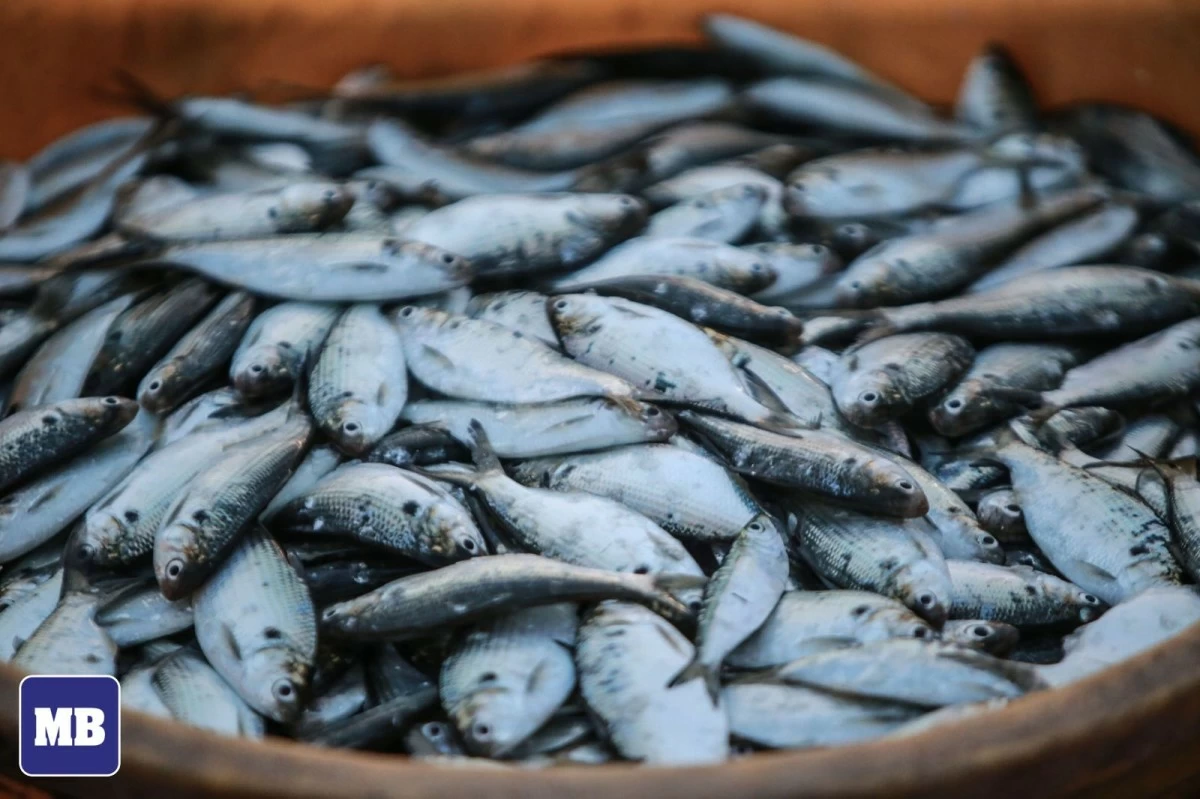
(Manila Bulletin file photo)
The Department of Agriculture (DA) will raffle off a portion of unutilized fish import permits to the country’s top importers in an effort to augment supply in the market, easing retail prices in the process.
Some 25,000 metric tons (MT) of various fish species were authorized to be imported into the country in February this year by the DA under Memorandum Order (MO) No. 12.
A report from the United States Department of Agriculture (USDA) showed that a total of eight issuances were released from March to July amid overly tight import timelines and sourcing constraints.
Following the lapsing of this order, the DA issued MO No. 46 authorizing 22,000 MT of seafood products from September to December
As part of the guidelines, the Bureau of Fisheries and Aquatic Resources (BFAR) will issue sanitary and phytosanitary import clearances (SPSICs) with a 45-day validity to importers.
The DA has extended the issuance of SPSICs a few times after some importers found it challenging to meet requirements tied to larger volume allocations.
Agriculture Secretary Francisco Tiu Laurel said only 70 percent of the total import allocation have been used so far, leaving around 6,600 MT unutilized.
Tiu Laurel said a portion of the amount will be put up for raffle this Friday, Dec. 3.
“I am removing a portion of unutilized permits to be raffled off to those who have already utilized a high amount so that the fish can enter immediately, to help bring prices down,” he said in a chance interview.
The DA, through MO No. 47, also authorized the importation of 55,000 MT of frozen small pelagic fish and fishery products through a regular issuance of a certificate of necessity to import (CNI) from October to December.
Of the amount, Tiu Laurel said only 30 percent are entering the country due to supply issues with galunggong or round scads.
This, he said, is the reason why prices of the product have soared to new highs recently.
“There is no supply worldwide. That's what the market said. I did my own research and it’s true,” the secretary said.
Latest market monitoring in Metro Manila markets showed that the price of imported galunggong is ₱310 per kilo, while the local variety stands at ₱347 per kilo.
Tiu Laurel is not expecting these prices to go down soon, even advising consumers to choose alternative proteins such as chicken.
On the other hand, he anticipates prices of mackerel or alumahan to go down from current levels that have soared to ₱430 per kilo following new arrivals of shipments.
He said prices should soon be around ₱230 per kilo to ₱250 per kilo.