







Consortium proposes restoring Agus-Pulangi plant—PSALM
Published Dec 3, 2025 02:44 pm


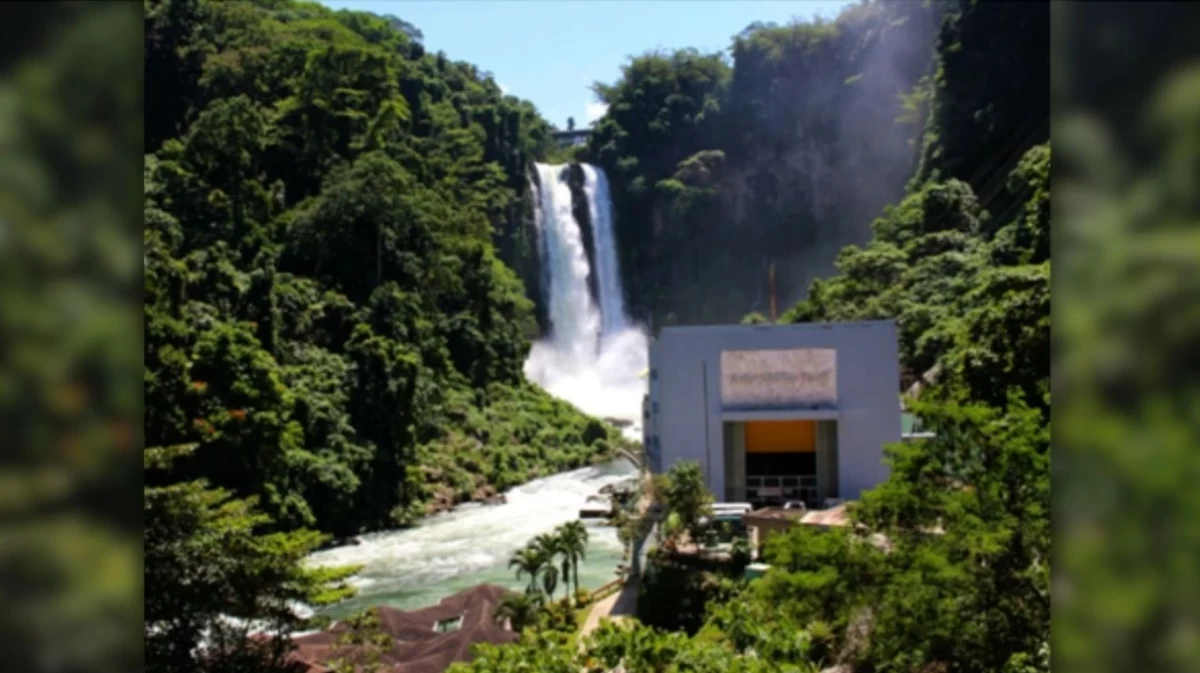
State-run Power Sector Assets and Liabilities Management Corp. (PSALM) confirmed it has received a rehabilitation proposal from an unnamed consortium for the Agus-Pulangi Hydropower Complex (APHC).
The hydropower rehabilitation aims to restore the plants’ combined capacity of 1,001 megawatts (MW), which currently sits at about 300 MW to 400 MW.
“That’s the plan. That’s the dream,” PSALM President Dennis Dela Serna told reporters when asked about reviving the full capacity of the seven facilities.
“Currently, they are operating at less-than-ideal capacity. Hopefully, the winning concessionaire or bidder or proponent brings it back to capacity, and they’re able to sell that electricity.”
Following the Manila Bulletin’s earlier report on a possible consortium bid, Dela Serna confirmed that the state-run firm received two unsolicited proposals to retrofit the plants, with one progressing under the public-private partnership (PPP) framework.
“One’s a consortium, one’s not,” Dela Serna said. He did not disclose if the consortium is linked to the groups that submitted a proposal for the Caliraya-Botocan-Kalayaan (CBK) hydropower complex but hinted that they are “people we’ve seen around.”
“There was a second one that cleared the PPP process yesterday [last Monday, Dec. 1]. So we’ll also go through the PPP Code timeline,” he added.
The 797-MW CBK hydropower complex was previously awarded to the Thunder Consortium, which includes Aboitiz Renewables Inc., Japan’s Sumitomo Corp., and Electric Power Development Co. The group bid ₱36 billion for the plant, and the acquisition is expected to close before the end of the year.
When asked if PSALM plans to privatize the APHC asset similar to CBK’s privatization, Dela Serna explained that “if you look at the EPIRA [Electric Power Industry Reform Act], there’s a certain provision there about prohibiting the privatization or sale of that power plant for 10 years. But upon further conversations with our congressmen, especially here, there are some limitations on the direct sale of that asset or privatization of that asset.”