

ADVERTISEMENT

Where stress ends, beauty begins

Unraveling the new philosophy redefining aesthetic medicine across Asia

Published Dec 1, 2025 12:48 am

At A Glance

  • Mindful beauty asks practitioners to consider the complete patient.
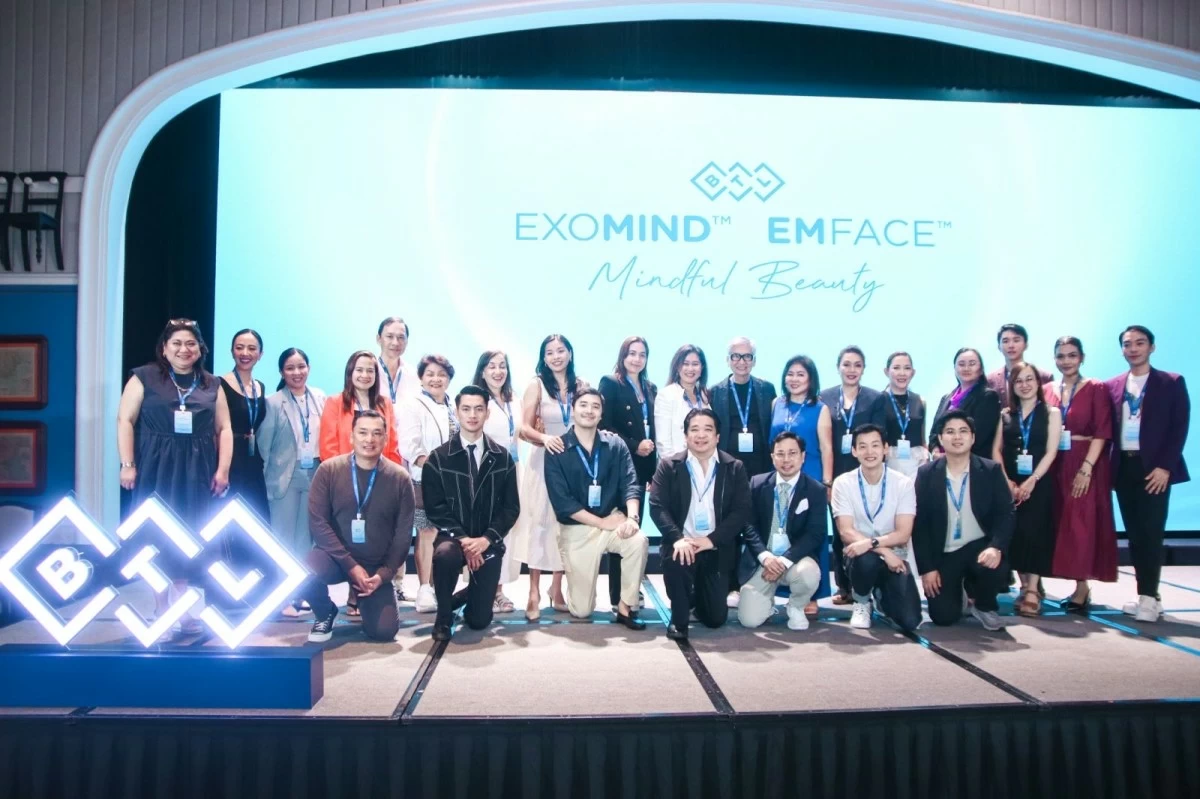
MINDFUL BEAUTY Doctors gather at the BTL Regional Summit and Award Gala 2025.
You cannot separate how a person looks from how they feel. The two are intertwined in ways we’re only now beginning to truly understand—and finally, to treat.
This was the resounding message at the recent BTL Regional Summit & Award Gala 2025, held in the sun-drenched shores of Phu Quoc, Vietnam. Aesthetic practitioners from eight countries across Asia-Pacific gathered not just to discuss the latest devices or techniques, but to explore something more fundamental: the connection between our emotional landscape and our physical appearance.
They’re calling it mindful beauty. And honestly? It’s about time.
Beyond the surface
For years, aesthetic medicine has focused on outcomes you can see—fewer wrinkles, tighter skin, more defined contours. But walk into any clinic today, and you’ll notice something the textbooks didn’t prepare us for. More patients are carrying invisible weight: stress from demanding careers, anxiety from uncertain times, and emotional exhaustion from simply trying to keep up.
Dr. Sam Patel, an aesthetics and wellness consultant from the United States, put it simply during his presentation: “Where stress ends, beauty begins.” It sounds almost poetic, but the science backs it up. Chronic stress doesn’t just affect your mood—it shows on your face. Tension settles into muscles. Cortisol breaks down collagen. Sleep deprivation dulls the complexion. We’ve been treating the symptoms while sometimes overlooking the root cause.
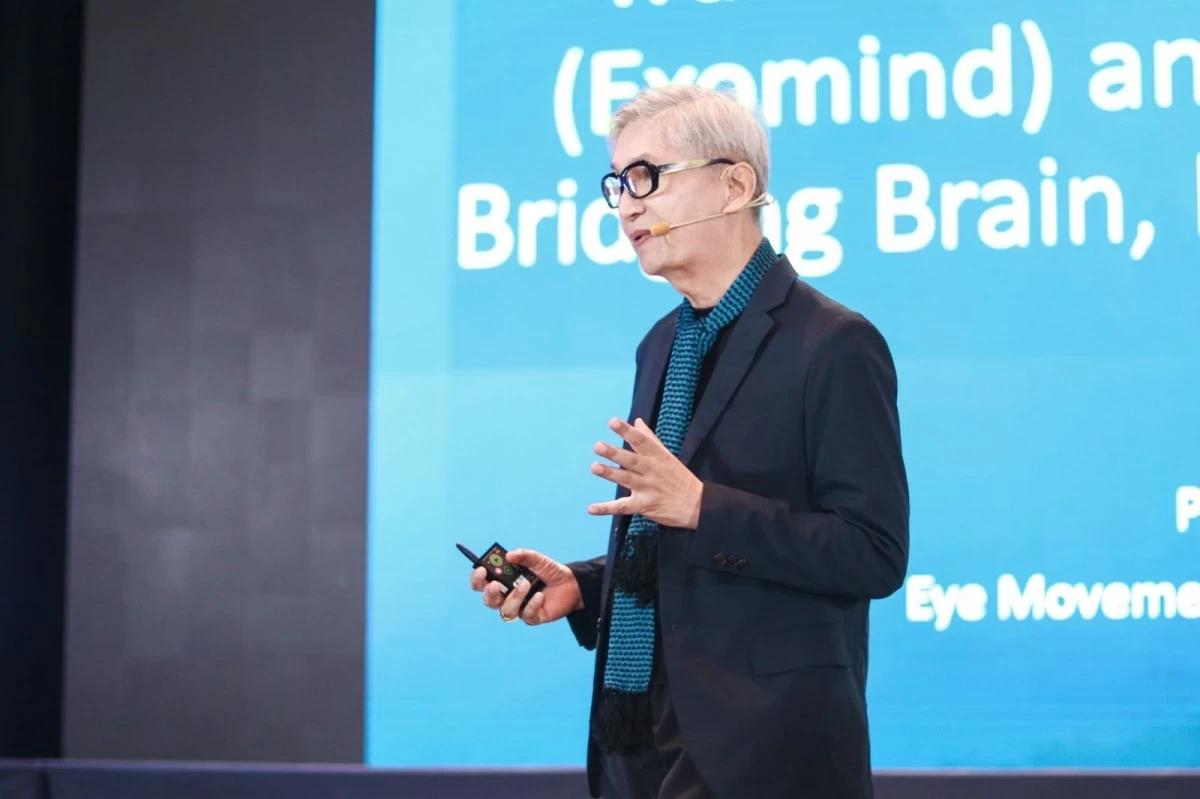
BEAUTY, BRAIN, AND SKIN WELLNESS Dr. Antonio Sison on EXOMIND and psychodermatology
Technology that treats the whole you
This is where mindful beauty finds its practical application—through technologies designed to address both the physical and the emotional.
EMFACE represents a genuine leap in facial rejuvenation. Unlike traditional treatments that target either skin or muscle, EMFACE works on both simultaneously. It lifts and tones facial muscles while improving skin texture—no needles piercing your face, no surgical intervention, no days hiding at home waiting for swelling to subside. You walk in during your lunch break and walk out looking refreshed. For anyone who’s ever dreaded the recovery period that comes with most aesthetic procedures, this changes the conversation entirely.
But here’s where it gets interesting. EXOMIND takes the philosophy deeper—literally into your nervous system. This technology targets the stress response itself, calming the overactive signals that keep us wound tight even when we’re supposedly relaxing. Think of it as resetting your body’s baseline. When your nervous system isn’t constantly firing stress hormones, your sleep improves. Your facial tension releases. That permanent furrow between your brows? It softens—not because you’ve paralyzed the muscle, but because you’ve addressed why it was clenched in the first place.
The Philippines now holds the distinction of having the highest number of EXOMIND devices in Asia. That says something about how seriously local practitioners are taking this whole-person approach.
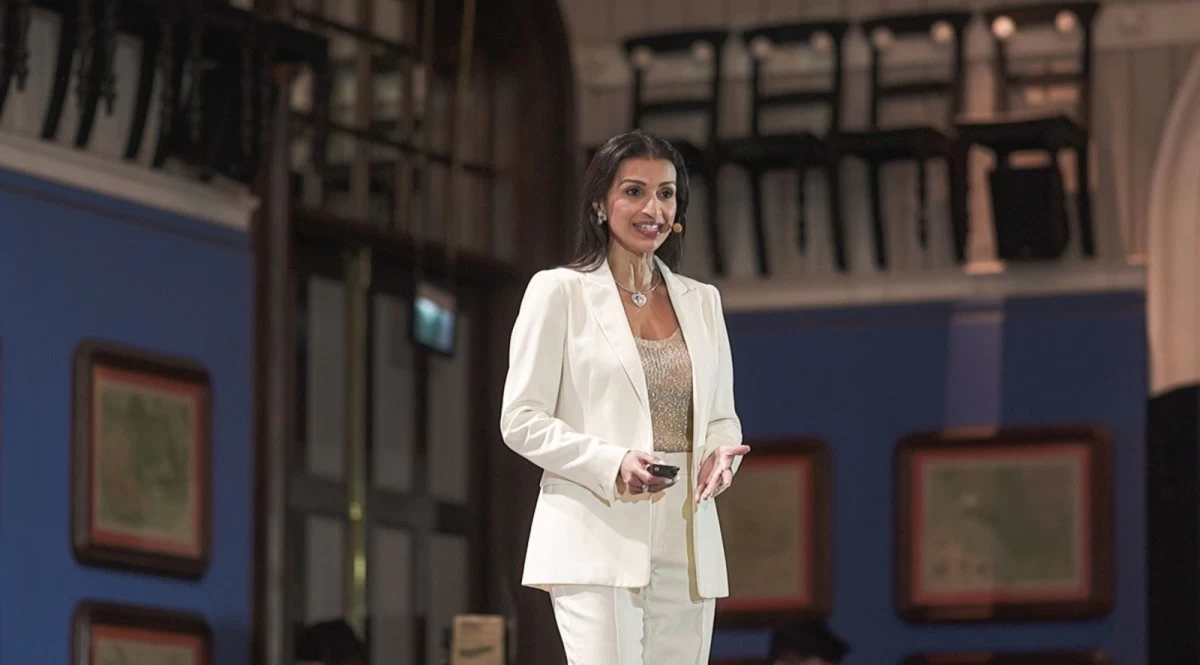
SOUND MIND, SOUND BODY Dr. Sherina Balaratnam from the UK discussing mind-body aesthetics
A regional conversation
The summit brought together voices from across the globe. Prof. Sebastian Cotofana from the US shared anatomical insights that inform safer, more effective treatments. Dr. Sherina Balaratnam from the UK emphasized that mental wellness should be valued as much as physical health in our approach to beauty. Prof. Calvin Cheng, a psychiatrist from Hong Kong, bridged the gap between mental health and aesthetics in ways that felt both revolutionary and, somehow, obvious.
Filipino practitioners presented alongside these international experts—Dr. Jonathan Yu, Dr. Antonio Sison, and Dr. Jarungchai Vatanagul—demonstrating that our local medical community is very much part of this global shift.
What this means for you
If you’ve ever left a treatment feeling physically refreshed but emotionally unchanged—or worse, still carrying the tension you walked in with—you’re not imagining things. Traditional approaches often miss half the equation.
Mindful beauty asks practitioners to consider the complete patient. Are they sleeping well? How are their stress levels? What emotional factors might be contributing to how they look and feel? It’s enhancement without alteration, rejuvenation without recovery time, improvement without losing yourself in the process.
The real promise of technologies like EMFACE and EXOMIND isn’t just that they work—it’s that they work together with your body rather than against it. They don’t mask the problem. They address it at the source.
The shift we need
We’re entering an era where aesthetic medicine is growing. Where we stop pretending that beauty exists in isolation from wellbeing. Where the question isn’t just “what do you want to change?” but “how do you want to feel?”
Where stress ends, beauty begins. It’s not just a tagline. It’s becoming how the best practitioners across Asia are rethinking what we do and why we do it.
And for patients everywhere, that shift can only be a good thing.

Related Tags

Health and Wellness
ADVERTISEMENT
.most-popular .layout-ratio{ padding-bottom: 79.13%; } @media (min-width: 768px) and (max-width: 1024px) { .widget-title { font-size: 15px !important; } }

{{ articles_filter_1561_widget.title }}

.most-popular .layout-ratio{ padding-bottom: 79.13%; } @media (min-width: 768px) and (max-width: 1024px) { .widget-title { font-size: 15px !important; } }

{{ articles_filter_1562_widget.title }}

.most-popular .layout-ratio{ padding-bottom: 79.13%; } @media (min-width: 768px) and (max-width: 1024px) { .widget-title { font-size: 15px !important; } }

{{ articles_filter_1563_widget.title }}

{{ articles_filter_1564_widget.title }}

.mb-article-details { position: relative; } .mb-article-details .article-body-preview, .mb-article-details .article-body-summary{ font-size: 17px; line-height: 30px; font-family: "Libre Caslon Text", serif; color: #000; } .mb-article-details .article-body-preview iframe , .mb-article-details .article-body-summary iframe{ width: 100%; margin: auto; } .read-more-background { background: linear-gradient(180deg, color(display-p3 1.000 1.000 1.000 / 0) 13.75%, color(display-p3 1.000 1.000 1.000 / 0.8) 30.79%, color(display-p3 1.000 1.000 1.000) 72.5%); position: absolute; height: 200px; width: 100%; bottom: 0; display: flex; justify-content: center; align-items: center; padding: 0; } .read-more-background a{ color: #000; } .read-more-btn { padding: 17px 45px; font-family: Inter; font-weight: 700; font-size: 18px; line-height: 16px; text-align: center; vertical-align: middle; border: 1px solid black; background-color: white; } .hidden { display: none; }
function initializeAllSwipers() { // Get all hidden inputs with cms_article_id document.querySelectorAll('[id^="cms_article_id_"]').forEach(function (input) { const cmsArticleId = input.value; const articleSelector = '#article-' + cmsArticleId + ' .body_images'; const swiperElement = document.querySelector(articleSelector); if (swiperElement && !swiperElement.classList.contains('swiper-initialized')) { new Swiper(articleSelector, { loop: true, pagination: false, navigation: { nextEl: '#article-' + cmsArticleId + ' .swiper-button-next', prevEl: '#article-' + cmsArticleId + ' .swiper-button-prev', }, }); } }); } setTimeout(initializeAllSwipers, 3000); const intersectionObserver = new IntersectionObserver( (entries) => { entries.forEach((entry) => { if (entry.isIntersecting) { const newUrl = entry.target.getAttribute("data-url"); if (newUrl) { history.pushState(null, null, newUrl); let article = entry.target; // Extract metadata const author = article.querySelector('.author-section').textContent.replace('By', '').trim(); const section = article.querySelector('.section-info ').textContent.replace(' ', ' '); const title = article.querySelector('.article-title h1').textContent; // Parse URL for Chartbeat path format const parsedUrl = new URL(newUrl, window.location.origin); const cleanUrl = parsedUrl.host + parsedUrl.pathname; // Update Chartbeat configuration if (typeof window._sf_async_config !== 'undefined') { window._sf_async_config.path = cleanUrl; window._sf_async_config.sections = section; window._sf_async_config.authors = author; } // Track virtual page view with Chartbeat if (typeof pSUPERFLY !== 'undefined' && typeof pSUPERFLY.virtualPage === 'function') { try { pSUPERFLY.virtualPage({ path: cleanUrl, title: title, sections: section, authors: author }); } catch (error) { console.error('ping error', error); } } // Optional: Update document title if (title && title !== document.title) { document.title = title; } } } }); }, { threshold: 0.1 } ); function showArticleBody(button) { const article = button.closest("article"); const summary = article.querySelector(".article-body-summary"); const body = article.querySelector(".article-body-preview"); const readMoreSection = article.querySelector(".read-more-background"); // Hide summary and read-more section summary.style.display = "none"; readMoreSection.style.display = "none"; // Show the full article body body.classList.remove("hidden"); } document.addEventListener("DOMContentLoaded", () => { let loadCount = 0; // Track how many times articles are loaded const offset = [1, 2, 3, 4, 5, 6, 7, 8, 9, 10]; // Offset values const currentUrl = window.location.pathname.substring(1); let isLoading = false; // Prevent multiple calls if (!currentUrl) { console.log("Current URL is invalid."); return; } const sentinel = document.getElementById("load-more-sentinel"); if (!sentinel) { console.log("Sentinel element not found."); return; } function isSentinelVisible() { const rect = sentinel.getBoundingClientRect(); return ( rect.top < window.innerHeight && rect.bottom >= 0 ); } function onScroll() { if (isLoading) return; if (isSentinelVisible()) { if (loadCount >= offset.length) { console.log("Maximum load attempts reached."); window.removeEventListener("scroll", onScroll); return; } isLoading = true; const currentOffset = offset[loadCount]; window.loadMoreItems().then(() => { let article = document.querySelector('#widget_1690 > div:nth-last-of-type(2) article'); intersectionObserver.observe(article) loadCount++; }).catch(error => { console.error("Error loading more items:", error); }).finally(() => { isLoading = false; }); } } window.addEventListener("scroll", onScroll); });

Sign up by email to receive news.