







Battling hidden storms
Published Dec 1, 2025 12:05 am


FROM THE MARGINS
A woman in a coastal barangay in Cebu sat quietly on the battered veranda of what used to be her modest shop. The roar of Typhoon Tino (international name: Kalmaegi) had already passed. With winds gusting over 150 km/h and a storm-surge swallowing entire low-lying streets, the destruction was immediate and raw.
Last week, even as the province braced for Tropical Depression Verbena, this woman’s story is not just about loss – it is about adaptation, survival, and the quiet rise of her community.
Microfinance amidst Climate Change
The Philippines routinely faces 20 or more tropical cyclones each year. The storms are not just intensifying; weather patterns are also changing: erratic rainfall, longer dry spells, rising sea-levels, intensified storm surges. For many poor Filipinos, climate change has come to mean loss of lives, livelihoods, and properties.
Against this backdrop, the Microfinance Council of the Philippines (MCPI) has become a leading advocate for climate-responsive microfinance. Through its “Green Inclusive Finance” program -- implemented with Appui au Développement Autonome (ADA) and the Luxembourg Ministry of Environment, Climate and Sustainable Development — MCPI is guiding microfinance institutions (MFIs) to design and implement green loan products. The initiative has supported institutions such as JMH Microfinance, SEDP-Simbag, Bangko Kabayan, Kasagana-Ka Credit & Savings Cooperative, and Rangtay sa Pagrang-ay Microfinance Inc. in rolling out products for renewable energy, climate-smart agriculture, and sustainable housing.
These efforts include training MFIs about clean and renewable energy, conducting business-model redesign workshops, facilitating learning visits to demonstration farms, and tailoring new products to match the needs of low-income clients. MCPI is helping shift the sector from purely credit-centric models toward one that enables households to actively invest in climate adaptation by switching to solar-powered water pumps, drip irrigation systems, energy-efficient appliances, and more.
Complementing these sector-wide initiatives, RAFI Microfinance Inc., has partnered with the United Nations Environment Programme and MCPI on “EmPower II: Women for Climate-Resilient Societies Programme.” This supports women-led enterprises in adopting clean technologies and resilient practices.
The network of institutions I have established is also integrating climate-responsive solutions into their services. CARD Bank and CARD MRI Rizal Bank offer loans to help households install solar panels and buy solar-powered devices, while CARD Leasing and Finance Corporation leases and distributes solar home systems in off-grid communities. These promote clean energy and help families better manage rising energy expenses and power disruptions.
A woman’s story
When Typhoon Tino hit, our unnamed protagonist’s home was flooded and their roof was destroyed. A two-night blackout spoiled the stocks in her refrigerator, leading to losses her small store cannot afford. She was grateful for the relief goods from her MFI and the proceeds of her microinsurance, which augmented the help that she received from the government.
Her MFI also offered affordable green loans which can be used to install home solar systems or purchase solar fans, lights, and other solar-powered devices. The weekly repayment was manageable -- less than the value of goods she could lose during power disruptions. The solar setup would enable her to sell perishable goods even during blackouts, protecting her income and allowing her to serve her customers even when storms come.
It is just a small loan that the MFI offered, but in the era of climate-shock, that loan is now a form of adaptation.
Why this matters
In the Philippines — an archipelago with packed low-income communities along hazard-prone coasts and rivers — the stakes are immense. The poorest suffer first and worst when disasters strike. MFIs are in a unique position to help because they reach the “base of the pyramid” and combine financial access with education. MCPI’s advocacy, capacity-building, and green finance platform is helping shift the sector from short-term credit to long-term resilience.
Yet, while the potential for change is promising, challenges remain. Scaling climate-smart finance is hard when credit risk rises in unstable environments, when client awareness is limited, and when the nature of exposure is shifting rapidly. Energy efficient loans, training modules, risk-assessment tools help — but require time, trust, and sustained support.
The way forward
Inclusive finance needs a climate lens. Stakeholders must focus on integrating climate risk into core financial practices, developing and scaling tailored financial products for vulnerable populations, and establishing supportive policy and regulatory frameworks.
MCPI’s 2025 Annual Conference theme last July, “Microfinance and Sustainable Finance for the Poor” is apt. We need to design climate-resilient financial products, focus on clean technologies, and sustainable agriculture to help create the ecosystem in which green-inclusive finance can scale.
As the woman in Cebu rearranges her stock — still standing, still serving customers — the question is: will the system around her keep pace? Because microfinance is no longer just about small loans — it’s increasingly about resilience.
And in a country where storms come often, that makes all the difference.
* * *
“You cannot get through a single day without having an impact on the world around you.” — Jane Goodall
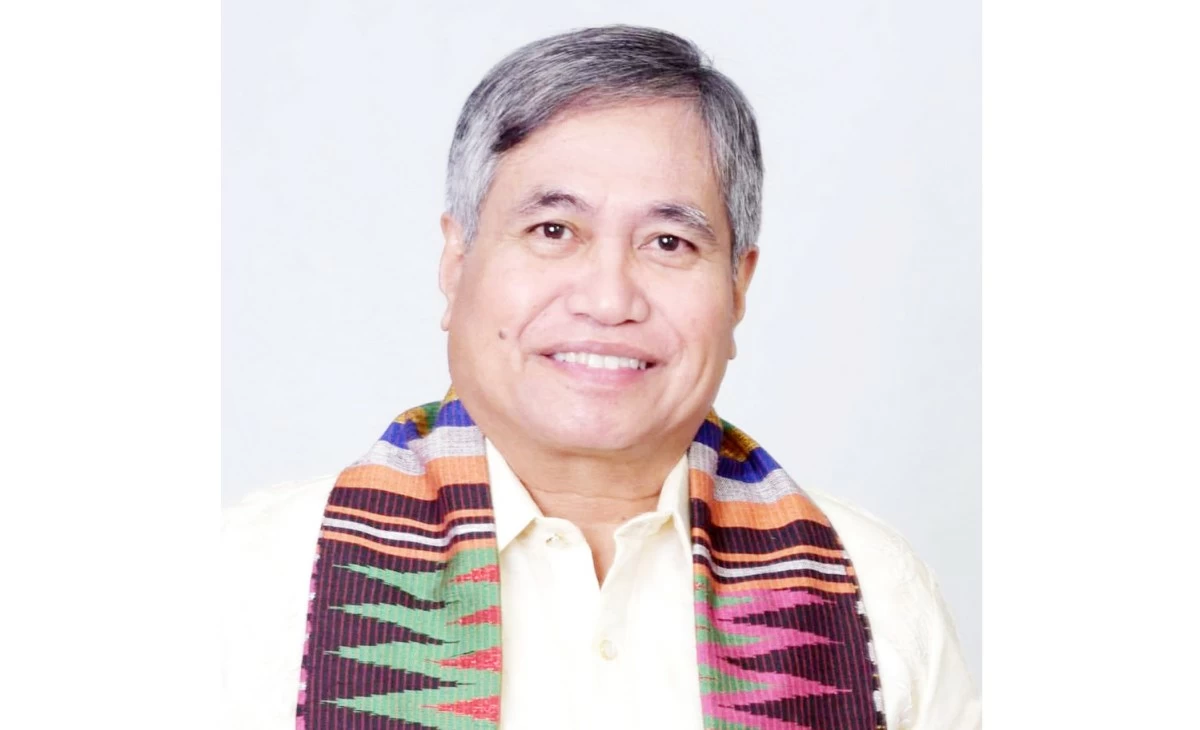
(Dr. Jaime Aristotle B. Alip is a poverty eradication advocate. He is the founder of the Center for Agriculture and Rural Development Mutually-Reinforcing Institutions (CARD MRI), a group of 23 organizations that provide social development services to eight million economically-disadvantaged Filipinos and insure more than 27 million nationwide.)