






 Philippines
National
House panel fine-tuning bill vs unsolicited calls, texts and emails
Philippines
National
House panel fine-tuning bill vs unsolicited calls, texts and emails
House panel fine-tuning bill vs unsolicited calls, texts and emails


At A Glance
- Rep. Miguel Luis "Migz" Villafuerte, chairman of the panel, said the proposed "No Call, No Text, No E-Mail Registration Act," seeks to shield cellphone subscribers and e-mail users against entities that try to influence them to purchase goods, and or services through unsolicited digital or online communications.
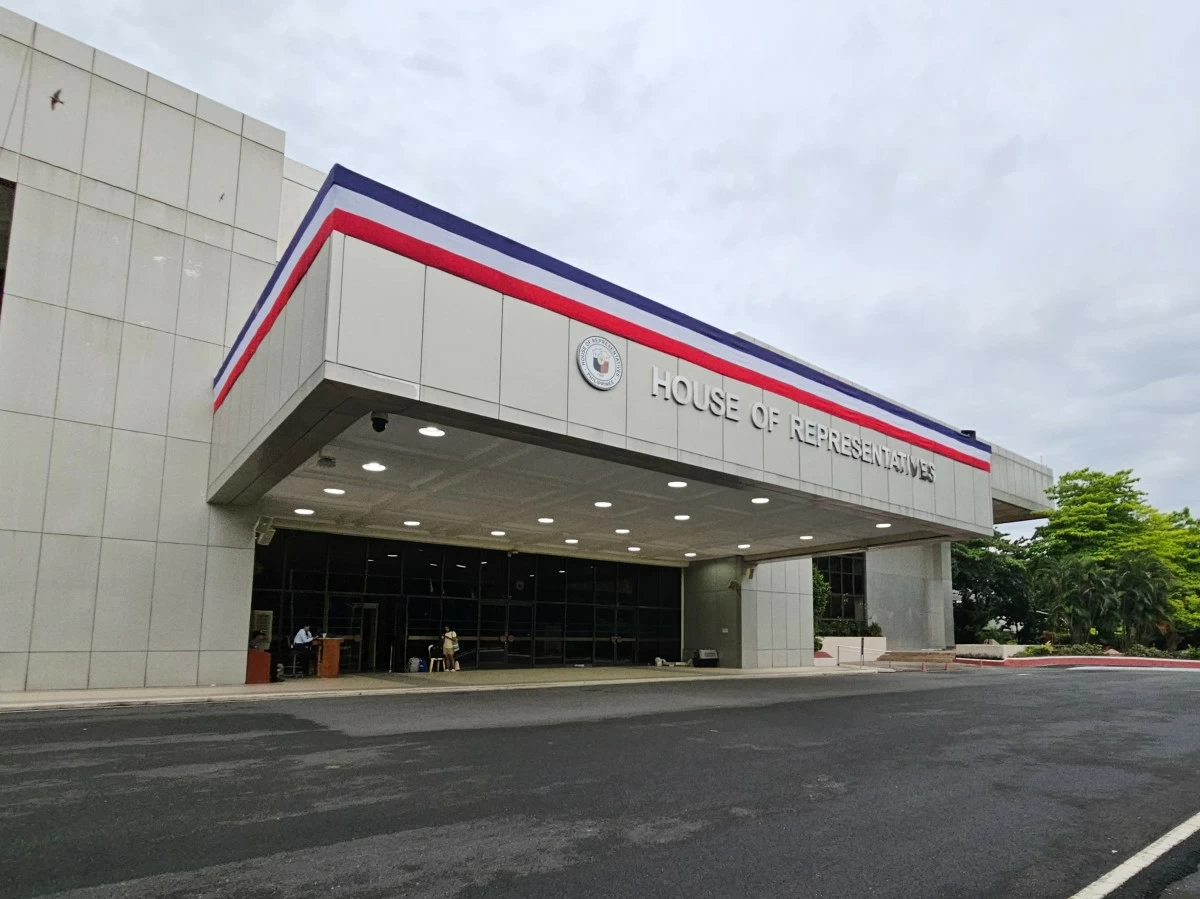
The House Committee on Information and Communications Technology (ICT) is now finalizing the bill that would protect mobile phone users against unsolicited digital communications.
Rep. Miguel Luis “Migz” Villafuerte, chairman of the panel, said the technical working group (TWG) is now fine-tuning provisions of the proposed “No Call, No Text, No E-Mail Registration Act,” drawing up a substitute bill from four pending bills on this proposal, namely, House Bill No. 485, HB 797, HB 1342 and HB 1687.
The bill seeks to shield cellphone subscribers and e-mail users against entities that try to influence them to purchase goods, and or services through unsolicited digital or online communications.
“The House ICT committee wants the TWG to work on a consolidated bill that would protect consumers from unsolicited calls and texts, give them the freedom to choose their transactions, and guarantee their right to be left alone,” Villafuerte said.
Under the bill, the National Telecommunications Commission (NTC) shall be mandated to establish “No Calls, No Text Messages, and No Electronic Mails” registries; provided that the identity and privacy of the persons registered shall be kept highly confidential such that only the celfone numbers and the electronic mail addresses may be accessed from the registry.
Any person shall be required to register first with the NTC before they can access the phone numbers and electronic mail addresses in the registries.
The House bill also proposes a “Negative Option” feature that shall enable persons to stop receiving any call, text message, or electronic mail from a caller and/or sender.
Moreover, Villafuerte said the committee also agreed to come up with a consolidated bill to combine 13 bills proposing a framework for cybersecurity and two bills on critical information infrastructure protection (CIIP).
Under the bill, any caller or sender shall set up a negative option that shall be available to the recipient immediately upon answering the call or at the beginning of the text message or electronic mail after providing the required information.
Any prohibited call, text message, and/or electronic mail refers to a hoax, junk, and/or scam call, text message, and/or electronic mail.
Under the bill, prohibited calls, texts or e-mails shall cover:
• Messages congratulating the recipient for winning any prize in a promo or award of the prize when the recipient did not join or subscribe to any game or activity of chance;
• Messages supposedly coming from a relative abroad asking the recipient to reload their "new" roaming number;
• Messages requiring the recipient to register by texting his or her name and other personal details to specific celfone numbers; and
• Any similar calls, text messages and/or emails.