ADVERTISEMENT

US retailers about to see if Black Friday benefits from halo effect

Published Nov 28, 2025 03:00 pm
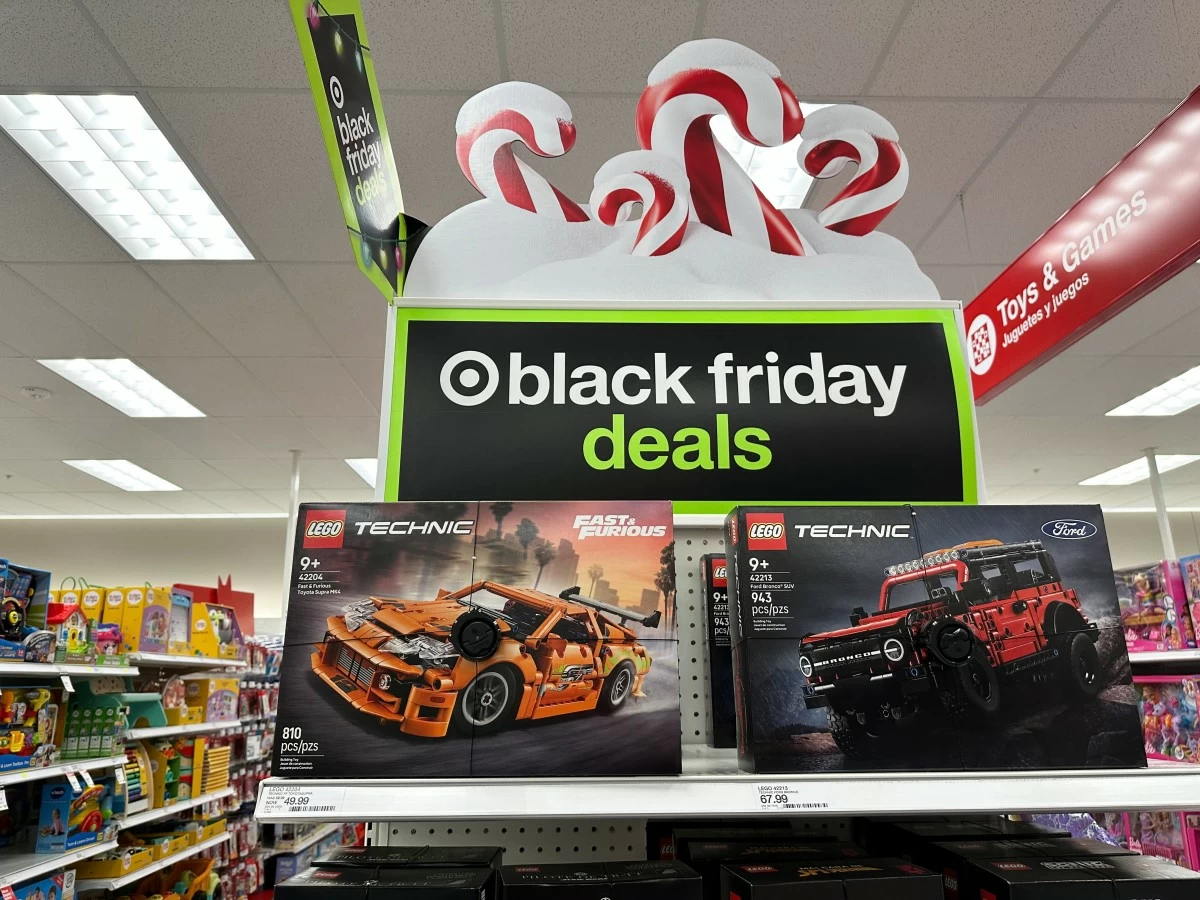
SIGN marks special prices on toys as retailers roll out Black Friday deals, Wednesday, Nov. 26, 2025, in a Target store in southeast Denver, Colorado. (AP)
NEW YORK (AP) — Black Friday bargains no longer tempt people to leave Thanksgiving tables for midnight mall runs. Brawls in store aisles over toys and TVs with limited-time discounts are spectacles of holidays past. Online shopping and retailers launching discounts weeks before the turkey feast subdued that kind of fervor.
But the sales event still has enough enthusiasts to make the day after Thanksgiving the one when US stores get the most shoppers coming in the door. For that reason, Black Friday still rules as the unofficial start of the holiday shopping season.
This year's kickoff comes as consumer confidence in the US economy fell this month in the aftermath of the federal government shutdown, weak hiring, and stubborn inflation, according to a report The Conference Board issued Tuesday.
Many retail executives have reported customers becoming more discerning and increasingly focused on deals while at the same time remaining willing to splash out for important occasions like the start of the school year and the winter holidays, creating a halo effect.
“Consumers have been saying the economy is terrible while continuing to spend for years now, so the outlook is probably better than they are telling us,” Bill Adams, the chief economist at Comerica Bank, said this week of shoppers' moods heading into Black Friday. "But business surveys also report consumers are being more sensitive to prices and selective in spending."
While planning for the holidays in the spring and summer, retail companies were wrestling with the volatility of President Donald Trump ’s wide-ranging tariffs on imported goods. Many accelerated shipments of some merchandise before the tariffs took effect or decided to absorb some of the import tax costs instead of raising prices for customers.
Market research firm Circana said that 40 percent of all general merchandise sold in September saw a price increase of at least five percent compared with the first four months of the year.
Toys, baby products, housewares, and team sports equipment were among the hardest hit categories. For example, 83 percent of toys sold in September saw an increase of at least five percent, Circana said. Industry group The Toy Association says nearly 80 percent of the toys sold in the US are made in China, a country the Trump administration hit with especially high tariffs at various points this year.
Still, analysts and mall executives cited solid momentum heading into Black Friday week. At the Mall of America in Bloomington, Minnesota, foot traffic in recent weeks surpassed the numbers from pre-pandemic 2019, said Jill Renslow, the mall's chief business development and marketing officer.
“We're seeing a very positive start to the holiday season," Renslow said. “The last few Saturdays in November have been very strong.”
The growth in online sales also has been robust so far. From Nov. 1 to Nov. 23, consumers spent $79.7 billion, according to web tracking and analysis platform Adobe Analytics. That represented a gain of 7.5 percent from a year earlier and was bigger than Adobe's 5.3 percent growth forecast for the season.
Mastercard SpendingPulse, which tracks spending across all payment methods, predicted a 3.6 percent increase in holiday sales from Nov. 1 through Dec. 24. That compares with a 4.1 percent increase last year.
“Clearly, there’s uncertainty,” Mastercard Chief Economist Michelle Meyer said. “Clearly, consumers feel on edge. But at the moment, it doesn’t seem like it’s changing how they are showing up for this season.”
According to Adobe Analytics, Thanksgiving Day was the best time to shop online to get the deepest discount on sporting goods. But Black Friday will be the best time to buy TVs, toys, and appliances online.
Cyber Monday, however, should be the best time to buy apparel and computers. Apparel discounts peaked at 12.2 percent off the suggested manufacturer’s price between Nov. 1 and Nov. 23 but are expected to hit 25 percent off on Cyber Monday, Adobe said.

Related Tags

World news
ADVERTISEMENT
.most-popular .layout-ratio{ padding-bottom: 79.13%; } @media (min-width: 768px) and (max-width: 1024px) { .widget-title { font-size: 15px !important; } }

{{ articles_filter_1561_widget.title }}

.most-popular .layout-ratio{ padding-bottom: 79.13%; } @media (min-width: 768px) and (max-width: 1024px) { .widget-title { font-size: 15px !important; } }

{{ articles_filter_1562_widget.title }}

.most-popular .layout-ratio{ padding-bottom: 79.13%; } @media (min-width: 768px) and (max-width: 1024px) { .widget-title { font-size: 15px !important; } }

{{ articles_filter_1563_widget.title }}

{{ articles_filter_1564_widget.title }}

.mb-article-details { position: relative; } .mb-article-details .article-body-preview, .mb-article-details .article-body-summary{ font-size: 17px; line-height: 30px; font-family: "Libre Caslon Text", serif; color: #000; } .mb-article-details .article-body-preview iframe , .mb-article-details .article-body-summary iframe{ width: 100%; margin: auto; } .read-more-background { background: linear-gradient(180deg, color(display-p3 1.000 1.000 1.000 / 0) 13.75%, color(display-p3 1.000 1.000 1.000 / 0.8) 30.79%, color(display-p3 1.000 1.000 1.000) 72.5%); position: absolute; height: 200px; width: 100%; bottom: 0; display: flex; justify-content: center; align-items: center; padding: 0; } .read-more-background a{ color: #000; } .read-more-btn { padding: 17px 45px; font-family: Inter; font-weight: 700; font-size: 18px; line-height: 16px; text-align: center; vertical-align: middle; border: 1px solid black; background-color: white; } .hidden { display: none; }
function initializeAllSwipers() { // Get all hidden inputs with cms_article_id document.querySelectorAll('[id^="cms_article_id_"]').forEach(function (input) { const cmsArticleId = input.value; const articleSelector = '#article-' + cmsArticleId + ' .body_images'; const swiperElement = document.querySelector(articleSelector); if (swiperElement && !swiperElement.classList.contains('swiper-initialized')) { new Swiper(articleSelector, { loop: true, pagination: false, navigation: { nextEl: '#article-' + cmsArticleId + ' .swiper-button-next', prevEl: '#article-' + cmsArticleId + ' .swiper-button-prev', }, }); } }); } setTimeout(initializeAllSwipers, 3000); const intersectionObserver = new IntersectionObserver( (entries) => { entries.forEach((entry) => { if (entry.isIntersecting) { const newUrl = entry.target.getAttribute("data-url"); if (newUrl) { history.pushState(null, null, newUrl); let article = entry.target; // Extract metadata const author = article.querySelector('.author-section').textContent.replace('By', '').trim(); const section = article.querySelector('.section-info ').textContent.replace(' ', ' '); const title = article.querySelector('.article-title h1').textContent; // Parse URL for Chartbeat path format const parsedUrl = new URL(newUrl, window.location.origin); const cleanUrl = parsedUrl.host + parsedUrl.pathname; // Update Chartbeat configuration if (typeof window._sf_async_config !== 'undefined') { window._sf_async_config.path = cleanUrl; window._sf_async_config.sections = section; window._sf_async_config.authors = author; } // Track virtual page view with Chartbeat if (typeof pSUPERFLY !== 'undefined' && typeof pSUPERFLY.virtualPage === 'function') { try { pSUPERFLY.virtualPage({ path: cleanUrl, title: title, sections: section, authors: author }); } catch (error) { console.error('ping error', error); } } // Optional: Update document title if (title && title !== document.title) { document.title = title; } } } }); }, { threshold: 0.1 } ); function showArticleBody(button) { const article = button.closest("article"); const summary = article.querySelector(".article-body-summary"); const body = article.querySelector(".article-body-preview"); const readMoreSection = article.querySelector(".read-more-background"); // Hide summary and read-more section summary.style.display = "none"; readMoreSection.style.display = "none"; // Show the full article body body.classList.remove("hidden"); } document.addEventListener("DOMContentLoaded", () => { let loadCount = 0; // Track how many times articles are loaded const offset = [1, 2, 3, 4, 5, 6, 7, 8, 9, 10]; // Offset values const currentUrl = window.location.pathname.substring(1); let isLoading = false; // Prevent multiple calls if (!currentUrl) { console.log("Current URL is invalid."); return; } const sentinel = document.getElementById("load-more-sentinel"); if (!sentinel) { console.log("Sentinel element not found."); return; } function isSentinelVisible() { const rect = sentinel.getBoundingClientRect(); return ( rect.top < window.innerHeight && rect.bottom >= 0 ); } function onScroll() { if (isLoading) return; if (isSentinelVisible()) { if (loadCount >= offset.length) { console.log("Maximum load attempts reached."); window.removeEventListener("scroll", onScroll); return; } isLoading = true; const currentOffset = offset[loadCount]; window.loadMoreItems().then(() => { let article = document.querySelector('#widget_1690 > div:nth-last-of-type(2) article'); intersectionObserver.observe(article) loadCount++; }).catch(error => { console.error("Error loading more items:", error); }).finally(() => { isLoading = false; }); } } window.addEventListener("scroll", onScroll); });

Sign up by email to receive news.