







The technology and ambition driving BYD's rapid rise
Inside BYD's China headquarters
Published Nov 28, 2025 08:49 am
|
Updated Dec 2, 2025 11:24 am


At A Glance
- In the Philippines, BYD offers practical, attainable vehicles. In China, we saw the Yangwang U8, the U9, the Denza Z9 GT – BYD vehicles that push boundaries and set records.
- BYD isn't choosing between accessibility and ambition. They're doing both.
Shenzhen is quiet. Not in the way you'd expect from a city of around 18 million people. The streets hum with activity, but there's something missing. It took me a few hours to realize what it was: engine noise. When nearly every vehicle on the road runs on electricity, the absence of combustion engines becomes obvious. The city breathes differently.
I was part of a 40-strong delegation of Philippine automotive journalists invited to see BYD's home turf. The trip took nearly a year to organize, but the timing worked out. We'd arrive just after BYD opened its brand-new All-Terrain Circuit in Zhengzhou, inaugurated on August 14. Over five days, we'd take four flights, cross from Hong Kong into Mainland China by bus, and cover enough ground to understand how a company that once made batteries for mobile phones became the world's leading new energy vehicle manufacturer.
Shenzhen headquarters
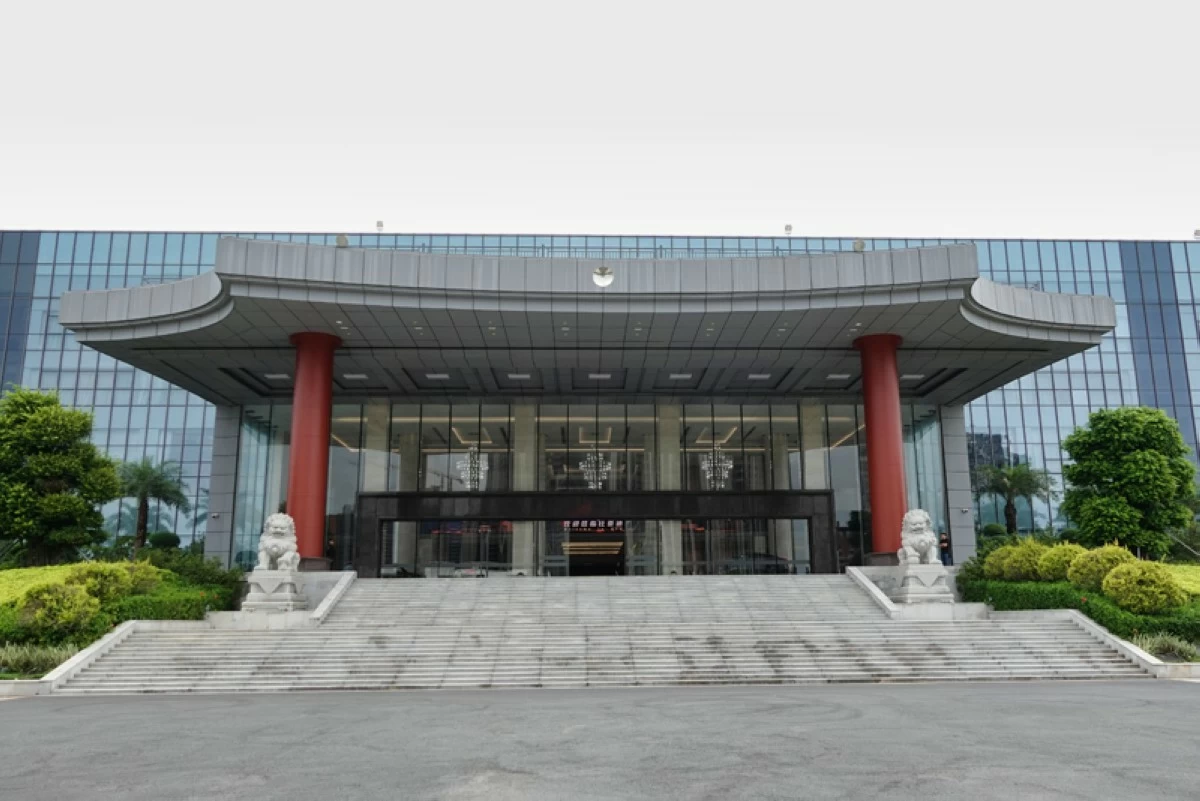
BYD's head office doesn't waste time on theatrics. There was a welcome setup, some photo opportunities, but no grand presentation designed to manipulate coverage. The approach was straightforward: here are our vehicles, here's our technology, here are the numbers.
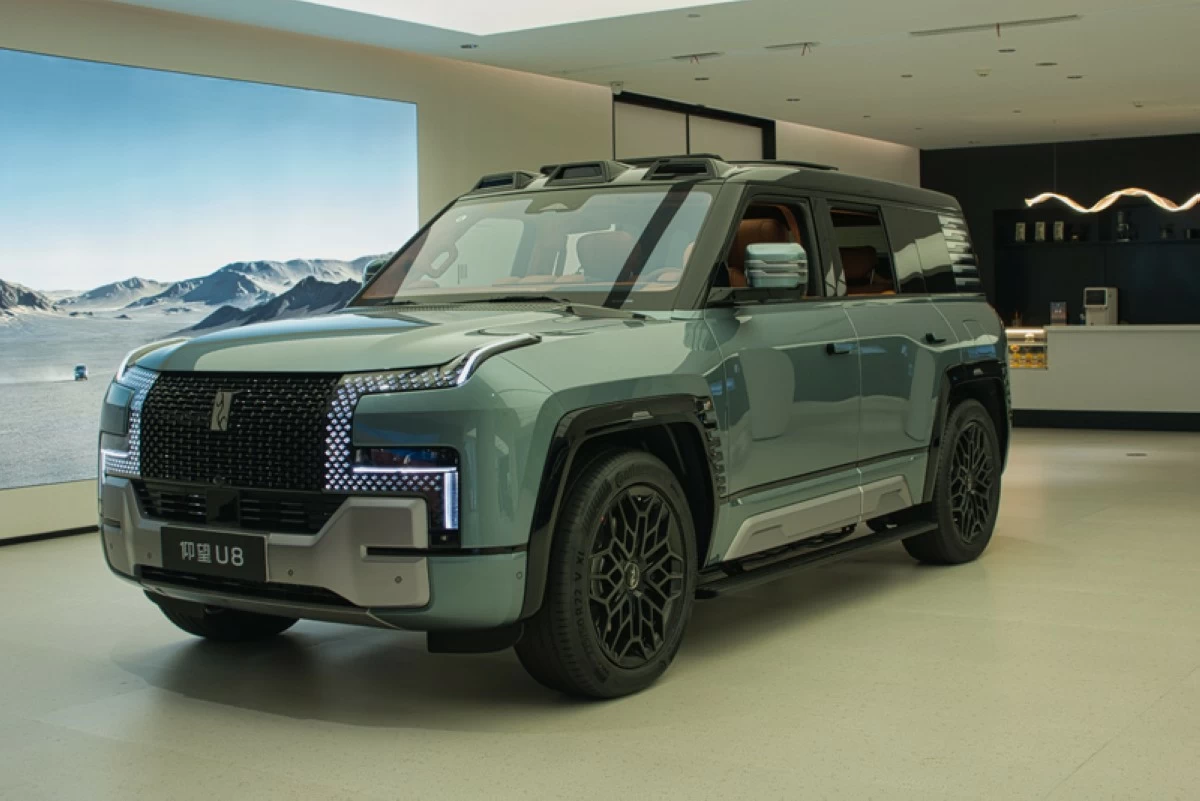
The lobby displayed the Yangwang U8 and U9. The U9’s track-focused version, the U9X, is considered to be the fastest production car in the world, with a speed record of 496.22 kph, set at ATP in Germany. Word got around that we’d be able to experience it in its full glory in the coming days. I could barely contain my excitement.
Inside, we got a walkthrough of BYD's history, technology evolution, and the rise of their NEV lineup. But the most memorable moment came during the live demonstration of the Blade Battery's safety.
BYD set up a nail penetration test, running it side by side with a standard NCM (Nickel Cobalt Manganese) battery. When the nail punctured through, the NCM exploded loudly as it combusted into a massive ball of fire. The same was done with the Blade Battery, except this time, no drama, no fire, no thermal runaway. Just a hole.
It's one thing to read about battery safety in press releases. Watching an NCM cell violently blow up a few meters away drives the point home in a way no slide deck ever could.
Then came the presentation from Javy Wang, Senior Manager of Product Strategy for BYD's Asia Pacific Auto Sales Division. BYD's R&D investment in 2024 hit 54.2 billion yuan, more than the company's entire net profit. They employ 120,000 engineers, the largest automotive R&D team in the world. Over 65,000 patent applications filed globally, with 39,000 already granted.
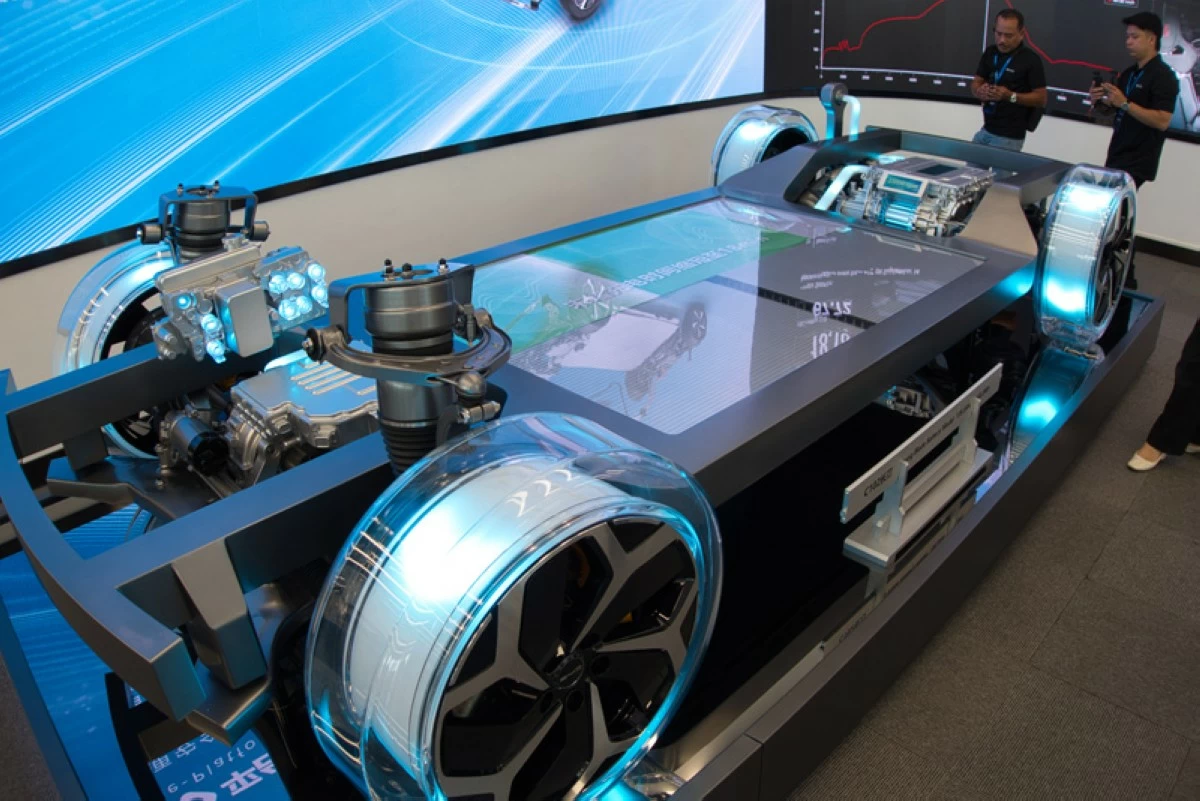
Wang walked us through what BYD calls its "Technology Pool Zone." Blade Battery. DM 5.0, pioneering the 2-liter per 100-kilometer era. The Super e-Platform, which holds 11 world records, including charging rates that deliver 400 kilometers of range in five minutes. A new generation of 1500V SiC power chips. An e-motor that spins at 30,511 rpm, also a world record.
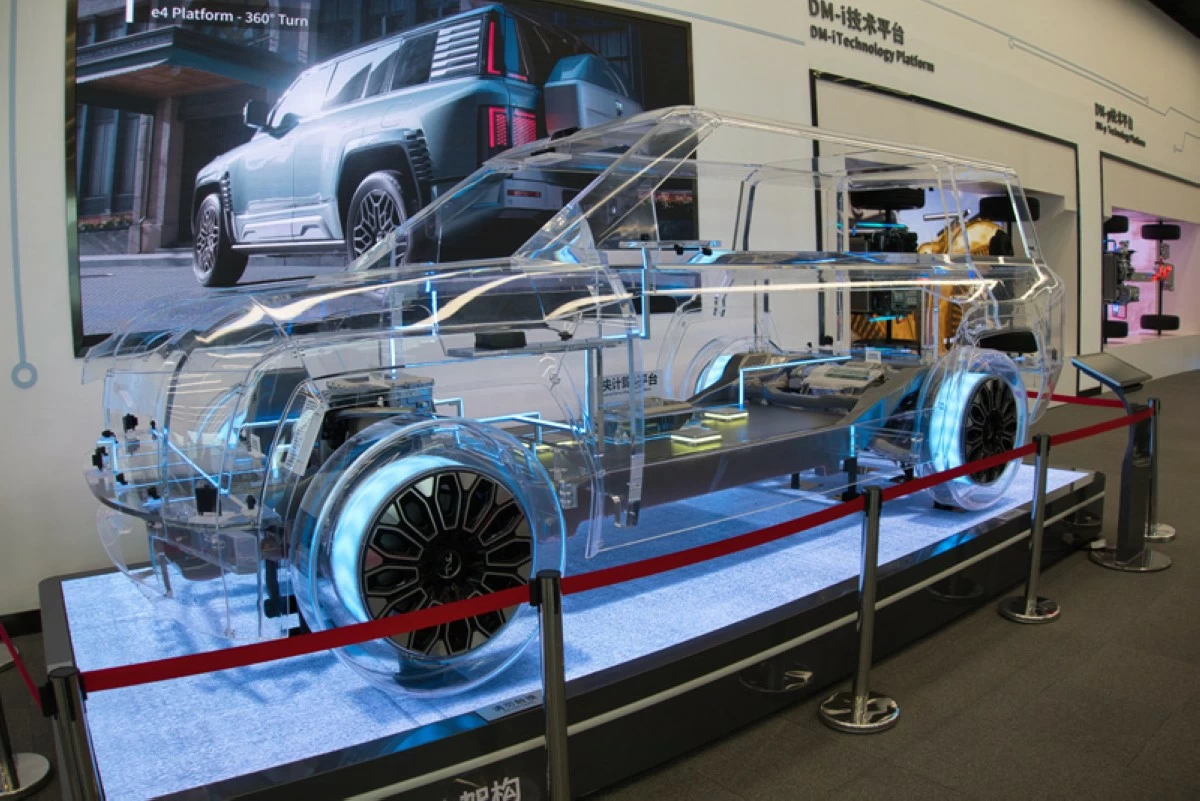
BYD's safety approach isn't just about passing crash tests. It's multi-dimensional. Cell safety. Vehicle safety. Extreme conditions. Active systems. The Blade Battery, now standard across BYD's entire BEV lineup since April 2021, passes nail penetration and full battery pack crush tests, as they previously demonstrated. The e4 platform features four-wheel independent drive for emergency floating and escape. The DiPilot intelligent driving system comes in three tiers: DiPilot 600 with triple-LiDAR, DiPilot 300 with single-LiDAR, and DiPilot 100 with a tri-camera setup.
He also shared that the company became the first automaker globally to produce 10 million NEVs, with the next 5 million taking just 15 months. In the first half of 2025 alone, BYD sold 2.146 million new energy vehicles. In 2024, BYD Group ranked sixth in global auto group sales, and the BYD brand itself ranked third in global auto brand sales.
These aren't projections. This is where BYD already is.
After lunch, we flew two hours to Zhengzhou, an ancient capital of the Shang dynasty, and an incredibly important hub to BYD.
Di Space New Energy Science Museum
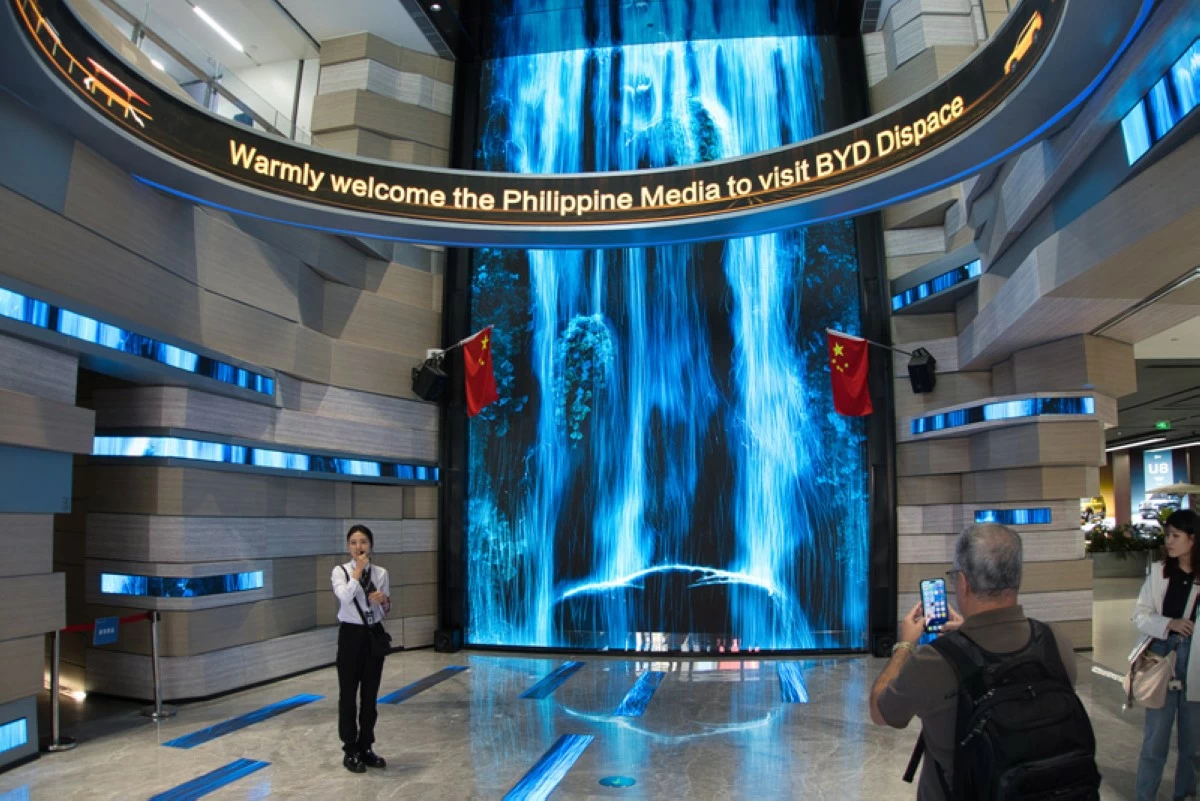
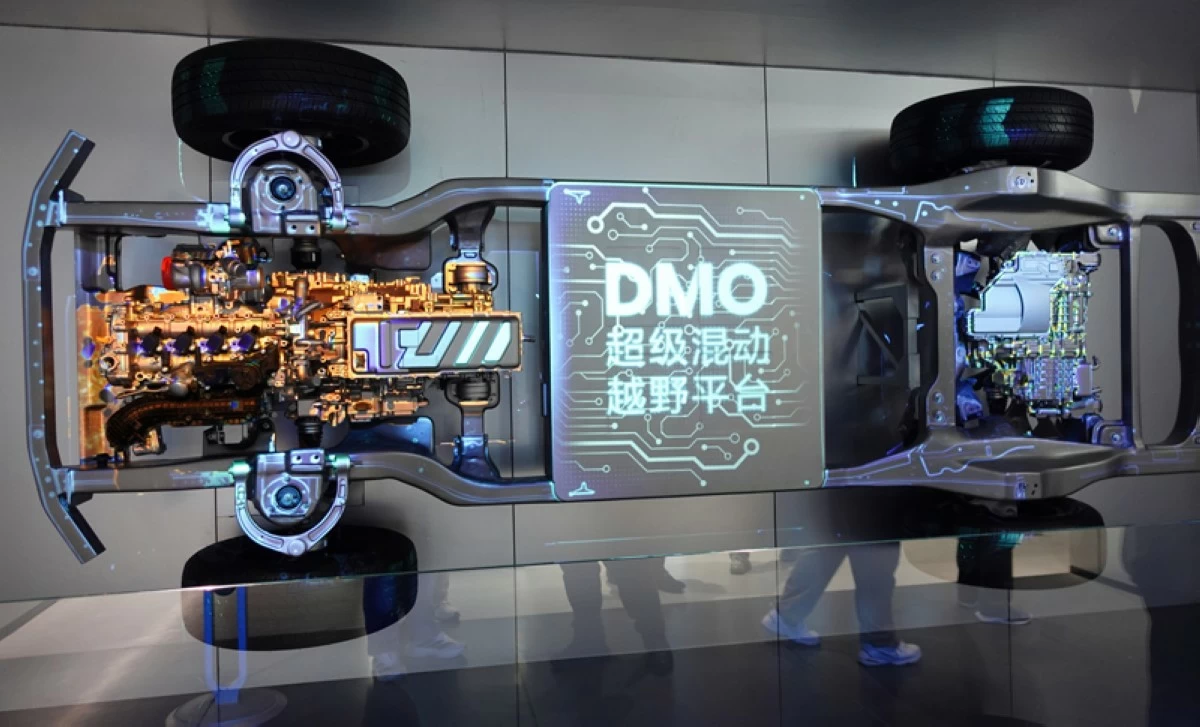
The Di Space New Energy Science Museum in downtown Zhengzhou is the first NEV museum in China. Each floor tells a different part of the story, such as BYD's history and manufacturing processes, the Blade Battery and the DM-i, DM-p, and DMO powertrains, with interactive exhibits on the upper floor tying everything together.
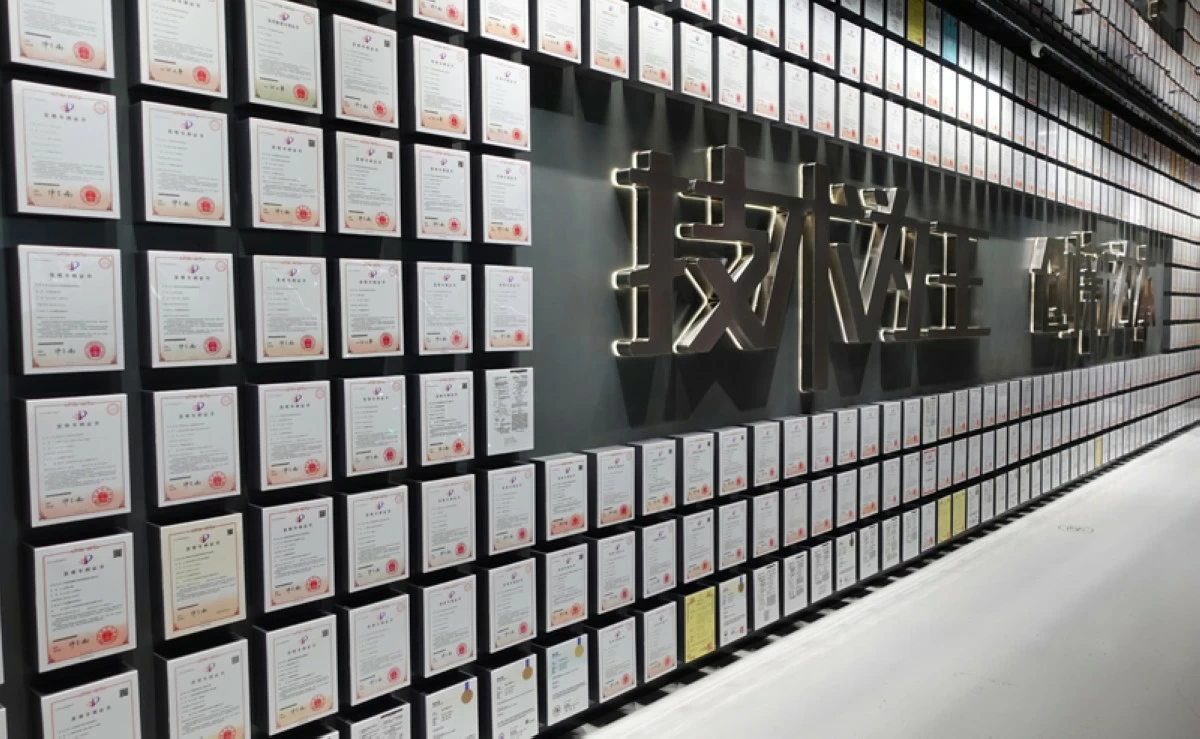
One floor featured what BYD calls the "Wall of Patents," a display showcasing a fraction of their 39,000-plus granted patents. But it wasn't just corporate branding. The wall included photos of the engineers responsible for the breakthroughs. A reminder that the tech didn't materialize out of thin air.
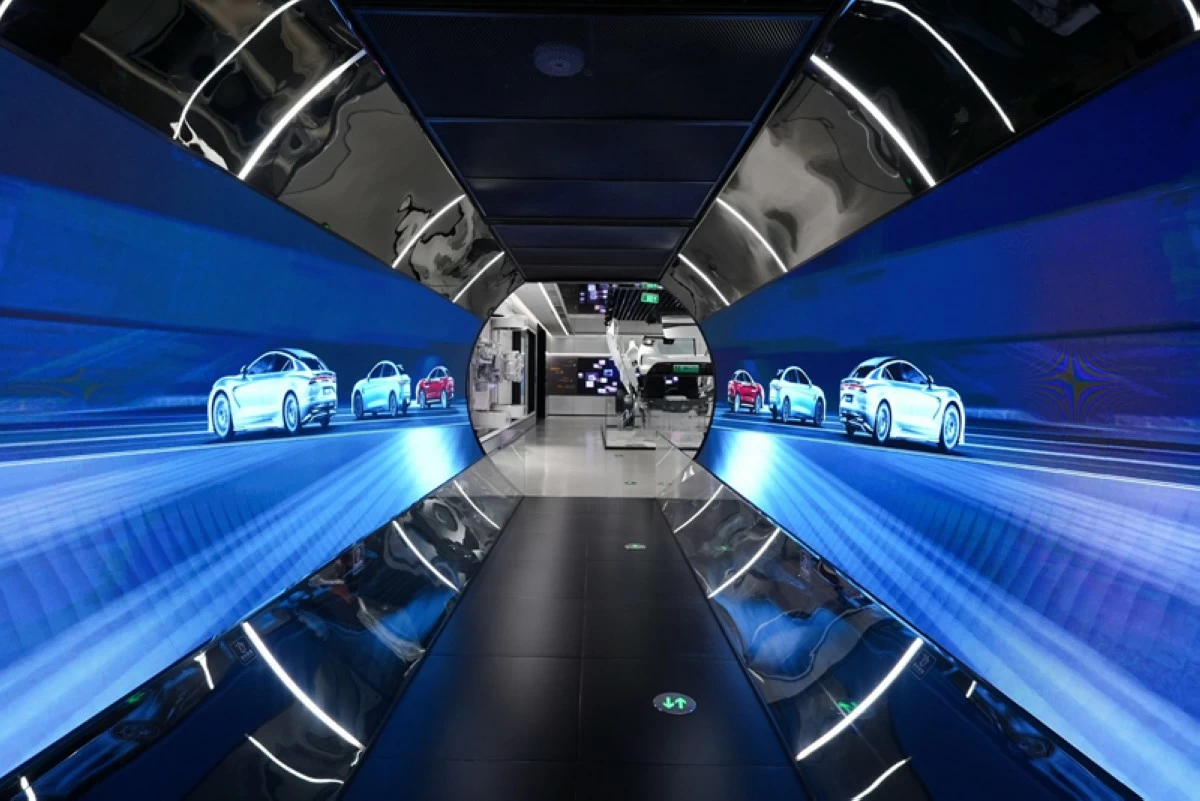
The All-Terrain Circuit
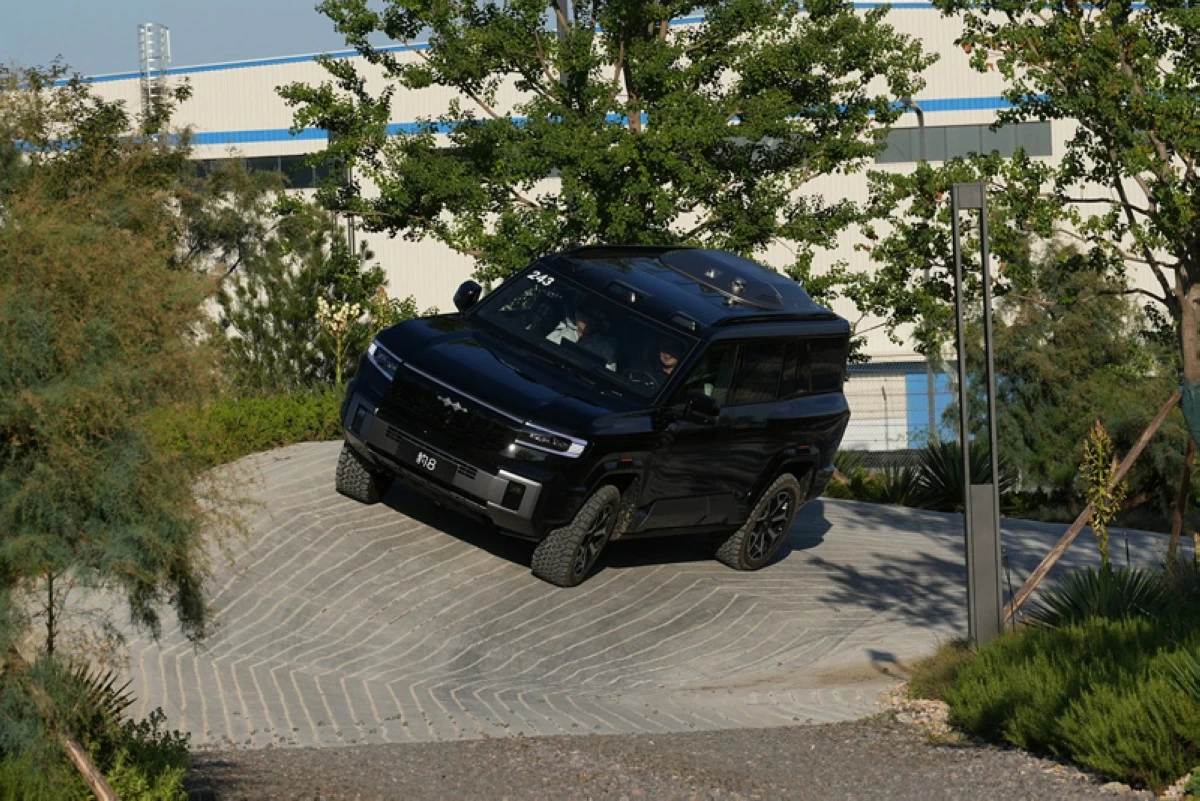
The BYD All-Terrain Circuit is about 40 minutes outside Zhengzhou. Small by comparison to other proving grounds (the high-speed track is only 1.6 kilometers), but BYD packed in an impressive range of testing zones. A low-traction circular zone. A massive sand dune. A 1.6-meter deep water crossing. A professional off-road course.

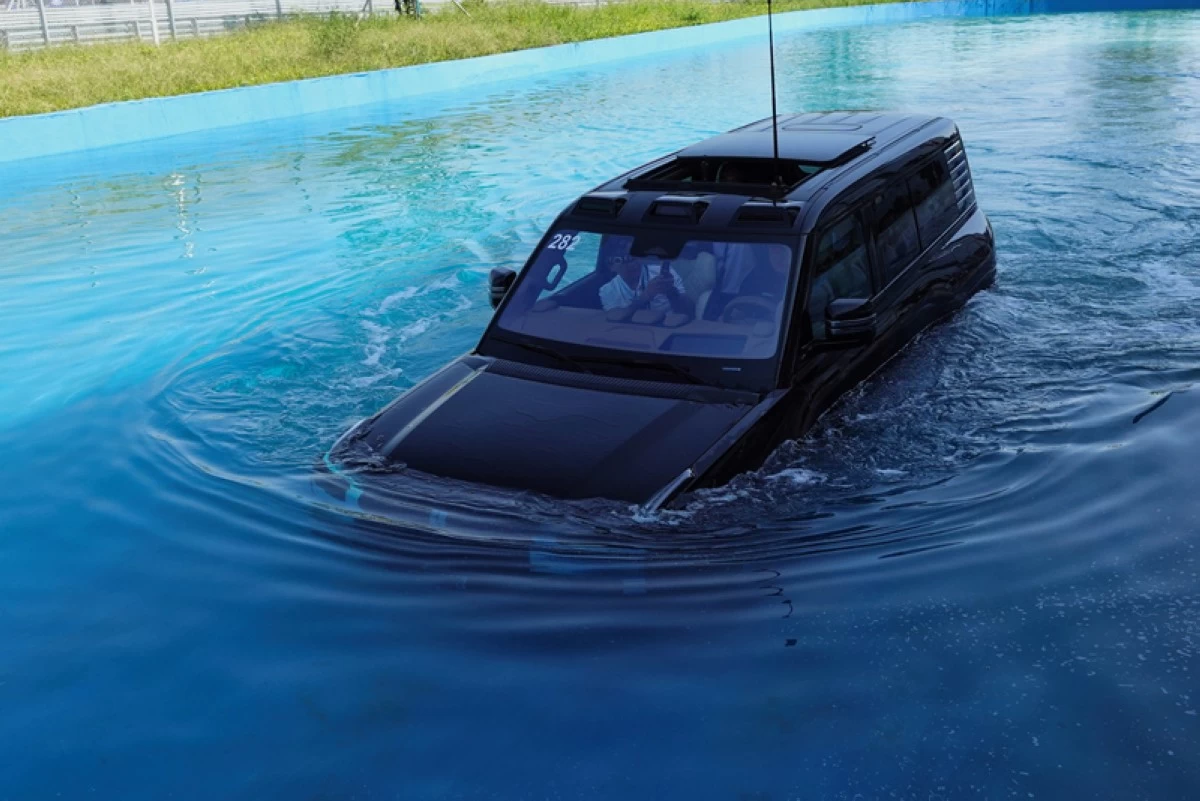
We started with the Yangwang U8. Watching it climb the sand dune was impressive. Watching it float in 1.6 meters of water, propelled by its four wheels, was something else. The SUV moved forward, turned, maneuvered – all while floating – without any water intrusion into the cabin.
The Fangchengbao Bao 5 handled the off-road course next. I drove it through steep inclines, declines, and off-camber sections using crawl mode. I didn't touch the throttle. All I had to do was steer, and the SUV did the rest. The tech didn't feel intrusive. It did exactly what was needed.
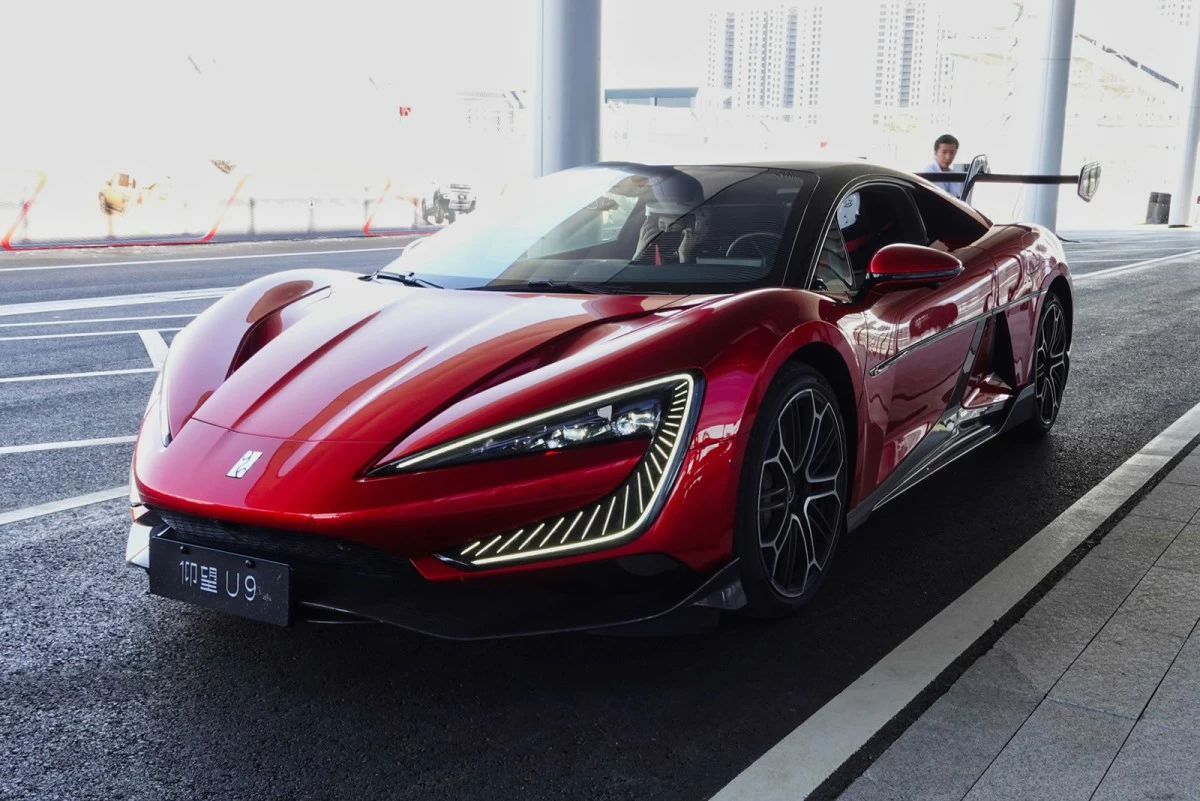
The Yangwang U9 hypercar was driven by a professional race driver on the high-speed track, and I rode shotgun. 0-100 km/h in 2.3 seconds. 0-170 km/h in under 550 meters. The forces pinning me to the seat were so relentless, it must have taken a while for my soul to catch up to my body. I've driven racecars and supercars before, but this was different. I can't imagine what 496 km/h feels like.
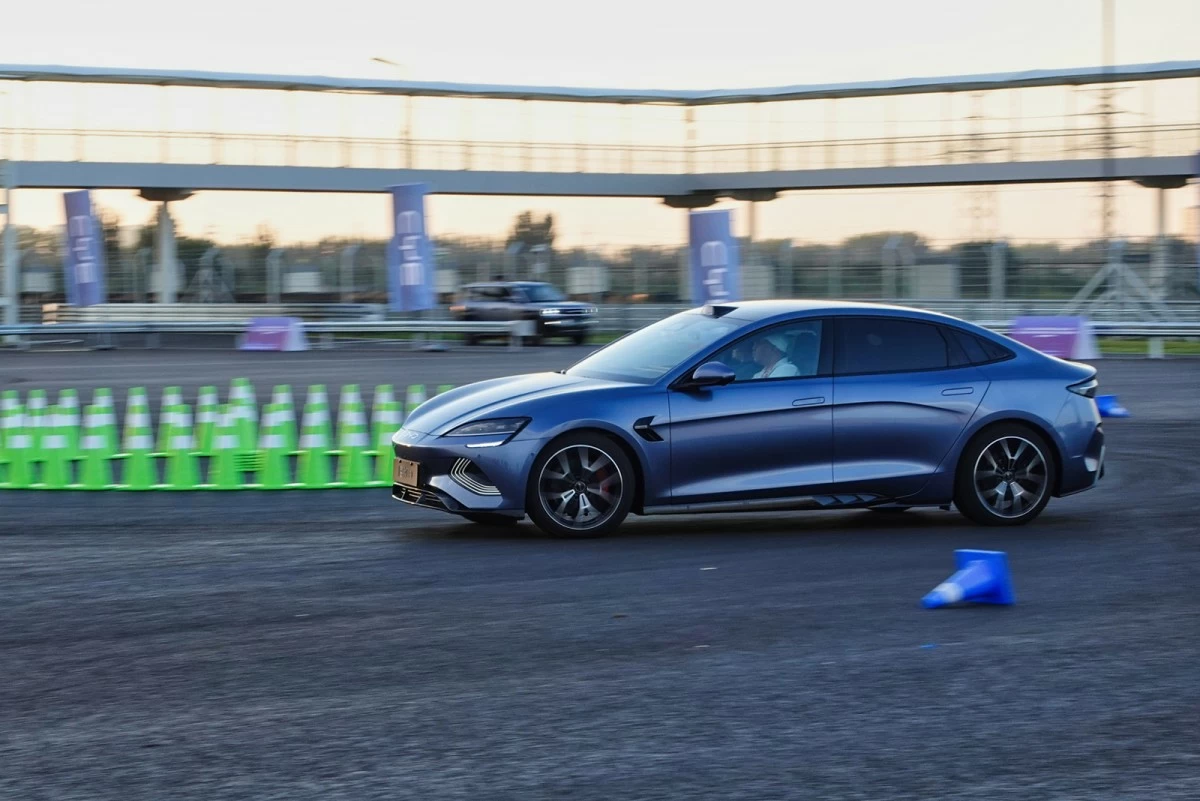
Then came the Denza D9 van on a slalom course. It handled surprisingly well for a large MPV. The body control was tight, the steering responsive. Not what you'd expect from a vehicle that size.
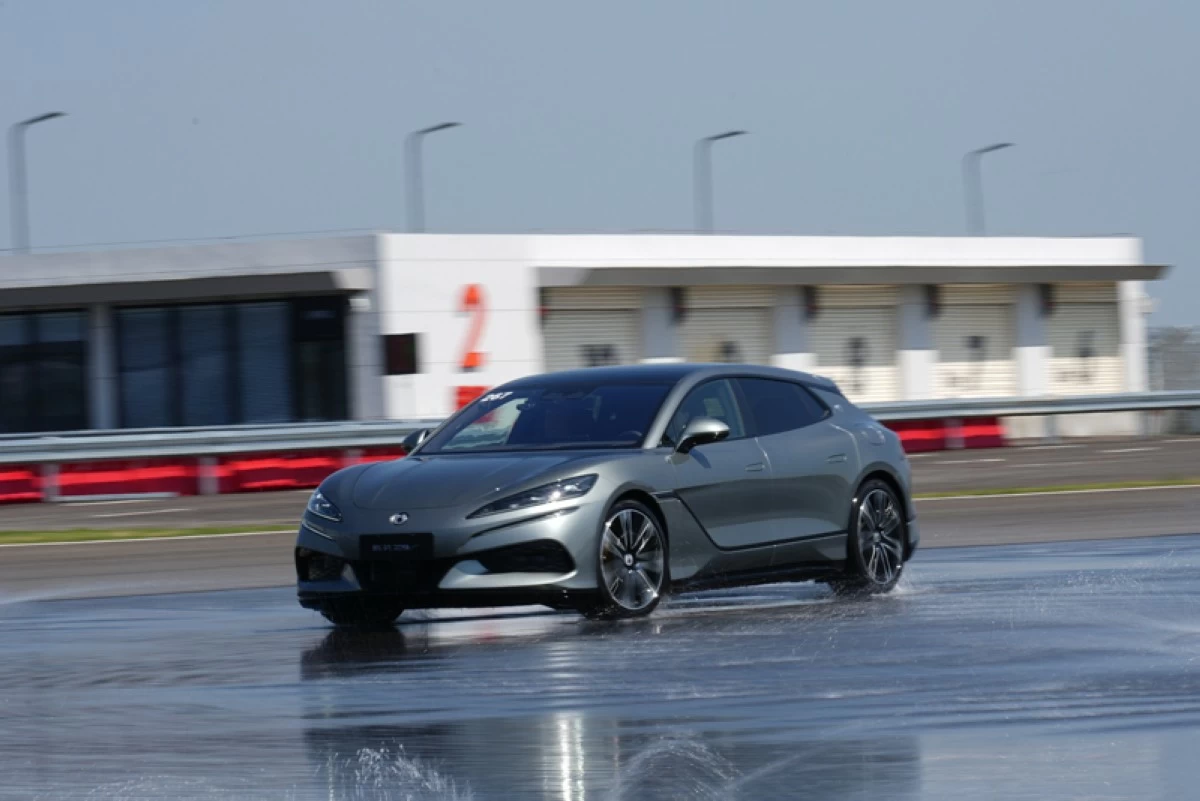
But the highlight, for me, was the Denza Z9 GT. Over 900 horsepower. Rear-wheel drive. Low-traction circular zone. Drifting an EV with that much torque on tap is unlike anything I've done on Philippine roads. Finding the balance and sustaining the slide is the kind of experience you don't get unless someone hands you the keys and a closed course.
The long way home
The trip back to Manila took 12 hours, including shuttles and transfers. Somewhere over the South China Sea, I thought about the gap between what BYD sells in the Philippines and what we'd just experienced in China.
Back home, BYD offers practical, attainable vehicles. The Seagull. The Sealion 6 DM-i. The Tang DM-i. They're climbing sales charts because they deliver value without pretense. In China, we saw the Yangwang U8, the U9, the Denza Z9 GT – vehicles that push boundaries and set records.
It's a broad spectrum. Few automakers can play at both ends. But that's the point. BYD isn't choosing between accessibility and ambition. They're doing both. And the technologies developed for the flagship models will eventually trickle down to the mainstream lineup.
That's the formula. That's why BYD became the world's NEV leader in such a short time.
The challenge ahead
After spending time inside BYD's world, I'm convinced the story we're witnessing is just the beginning. The scale, the technology, the momentum – it's all pointing in one direction. The question isn't whether BYD will reshape how we think about mobility. It's whether they can sustain it without stumbling over their own growth.