






Manila Bulletin
 Philippines
National
24/7 help desk needed in Hong Kong as OFWs grapple with deadly fire--Bryan Revilla
Philippines
National
24/7 help desk needed in Hong Kong as OFWs grapple with deadly fire--Bryan Revilla
Philippines
National
24/7 help desk needed in Hong Kong as OFWs grapple with deadly fire--Bryan Revilla
24/7 help desk needed in Hong Kong as OFWs grapple with deadly fire--Bryan Revilla
Published Nov 28, 2025 05:21 pm


At A Glance
- House Committee on Overseas Workers Affairs Chairman AGIMAT Party-list Rep. Bryan Revilla has asked the Department of Foreign Affairs (DFA) to immediately set up a 24/7 help desk at the Philippine Consulate in Hong Kong to support overseas Filipino workers (OFWs) affected by the deadly fire that struck residential buildings there.
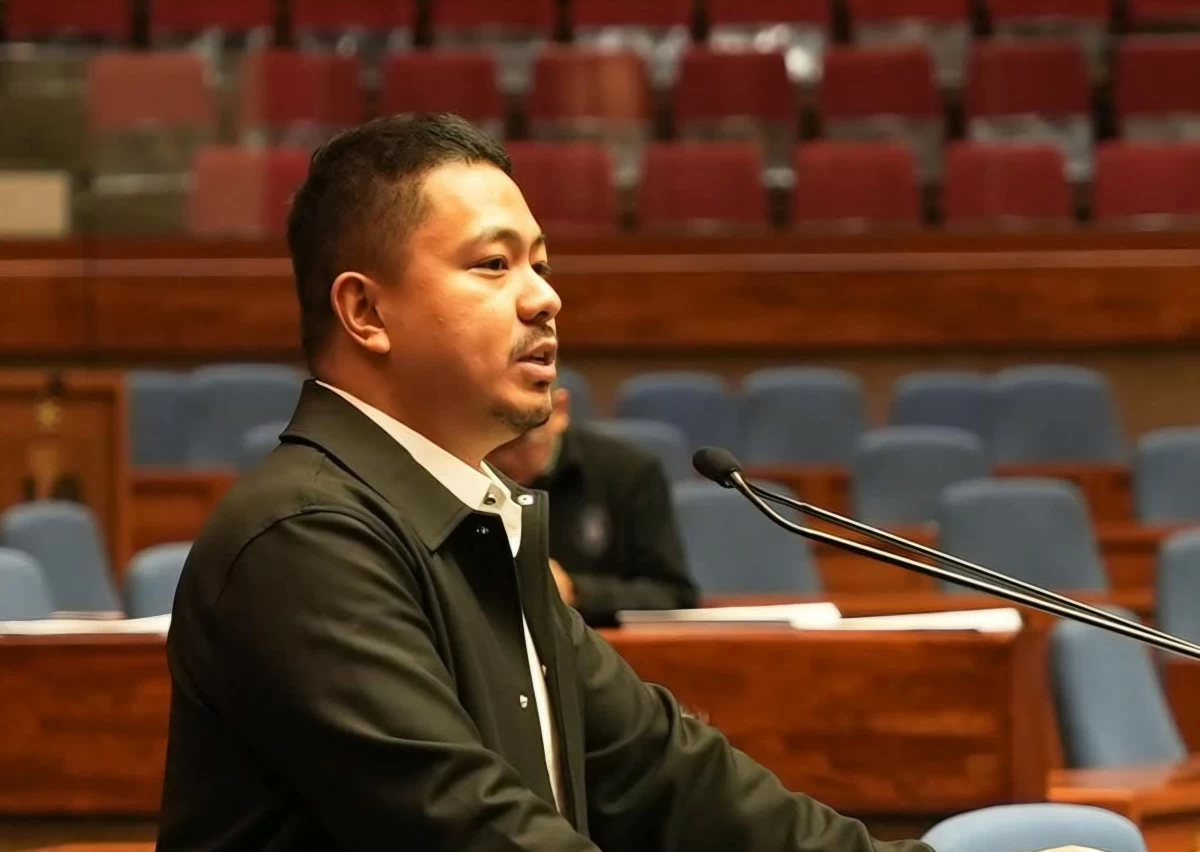
AGIMAT Party-list Rep. Bryan Revilla (Facebook)
House Committee on Overseas Workers Affairs Chairman AGIMAT Party-list Rep. Bryan Revilla has asked the Department of Foreign Affairs (DFA) to immediately set up a 24/7 help desk at the Philippine Consulate in Hong Kong to support overseas Filipino workers (OFWs) affected by the deadly fire that struck residential buildings there.
Revilla, in a statement Friday, Nov. 28, stressed that the emergency exposed long-standing structural vulnerabilities faced by Filipino workers in Hong Kong—conditions that require round-the-clock government presence, especially in the wake of life-threatening incidents.
“This tragedy highlights the urgent need for 24/7, real-time support for our OFWs in Hong Kong,” Revilla said.
He said the assistance desk must provide continuous welfare monitoring, facilitate emergency communication between OFWs and their families, coordinate emergency documentation needs, and ensure displaced Filipinos receive food, shelter, and psychosocial support.
“Marami sa ating mga kababayan doon ang walang kamag-anak, walang tutulugan sa oras ng sakuna, at umaasa lamang sa gobyerno (Many of our fellow citizens there have no relatives, no place to sleep in times of disaster, and rely only on the government) The DFA must be reachable at any hour, especially now that many workers may be displaced or traumatized.”
Revilla said the DFA’s 24/7 assistance desk must include:
• Emergency hotlines accessible through mobile, WhatsApp, Messenger, and other platforms commonly used by OFWs;
• Dedicated crisis intervention personnel familiar with Hong Kong’s domestic work system;
• Close coordination with the Department of Migrant Workers (DMW), OWWA (Overseas Workers Welfare Administration), local non-governmental organizations (NGOs), Hong Kong authorities; and
• On-ground rapid response teams capable of immediate deployment to shelters, hospitals, and affected residences
“This is not just about responding to one tragic incident—it’s about acknowledging the everyday risks that Filipino domestic workers face in Hong Kong,” said the House leader.
The fire — which broke out on Nov. 26 at the Wang Fuk Court housing estate in the Tai Po District of Hong Kong’s New Territories — has been confirmed as one of the deadliest residential fires in Hong Kong’s recent history.
As of the latest count, at least 94 people died, including a responding firefighter, 76 were injured, and 279 remain missing.
According to reports from Philippine authorities, at least 23 OFWs have been identified as directly affected by the fire — some displaced, one hospitalized, and at least one reported missing.
Filipinos uniquely vulnerable
Revilla noted that migrant Filipino workers in Hong Kong were uniquely vulnerable due to the nature of their employment and living conditions. As of 2025, the territory hosts over 201,104 Filipino domestic workers—making up more than half of Hong Kong’s total foreign domestic helper population.
Many Filipino workers, he added, are subject to restrictive rules such as the mandatory live-in policy and the two-week rule, which reduce their ability to seek safer accommodations or transfer employers during crises.
These rules heighten their exposure to danger during disasters, emergencies, or abusive working conditions.
“The mandatory live-in rule forces our workers to stay inside employers’ homes at all times. Kapag may sunog o emergency (If there is a fire or an emergency), they may have limited mobility and no independent place of refuge,” Revilla explained.
“And with the two-week rule, many endure unsafe conditions because leaving a job could mean immediate expulsion,” he pointed out.
He also pointed out that mental health distress is already high among Filipina domestic workers in Hong Kong—with research showing over 30% reporting probable depression due to isolation, surveillance, and overwork in live-in arrangements.
“In situations like this fire, the psychological impact on our kababayans becomes even heavier,” he added.