






Manila Bulletin
 Philippines
Metro Manila
HSBC Philippines celebrates 150 years of partnership and progress
Philippines
Metro Manila
HSBC Philippines celebrates 150 years of partnership and progress
Philippines
Metro Manila
HSBC Philippines celebrates 150 years of partnership and progress
HSBC Philippines celebrates 150 years of partnership and progress
By MBrand
Published Nov 27, 2025 02:56 pm


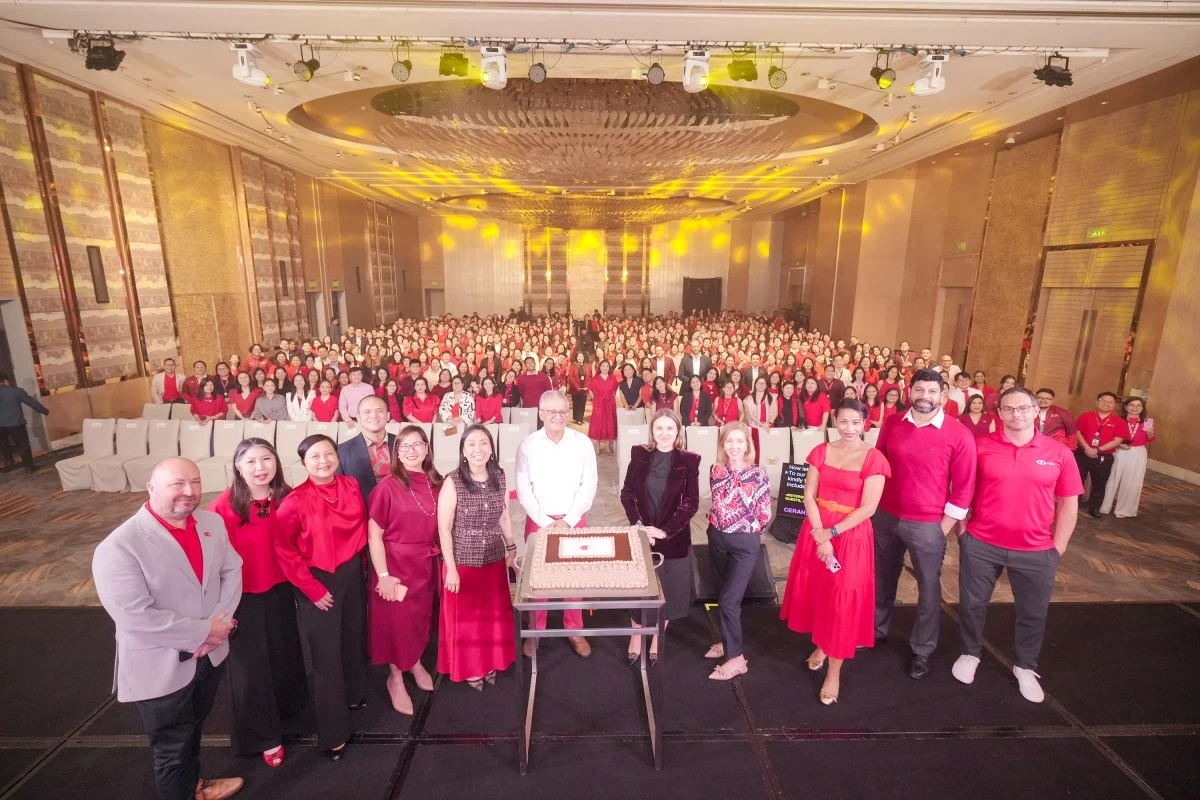
HSBC Philippines celebrates its 150th Anniversary with the rest of the employees
As one of the country’s longest standing financial institutions, HSBC Philippines marks 150 years of its continuous contribution to the country’s growth, underscoring its role as the enabler of trade, investment, and economic progress.
Since opening its first branch in Manila in 1875, HSBC has helped finance transformative projects, facilitate cross border business, and support Filipino enterprises as they expanded to international markets. Its presence which has run for almost two centuries mirrors the nation’s own journey toward modernization, from building early infrastructure and establishing industries to advancing today’s digital economy.
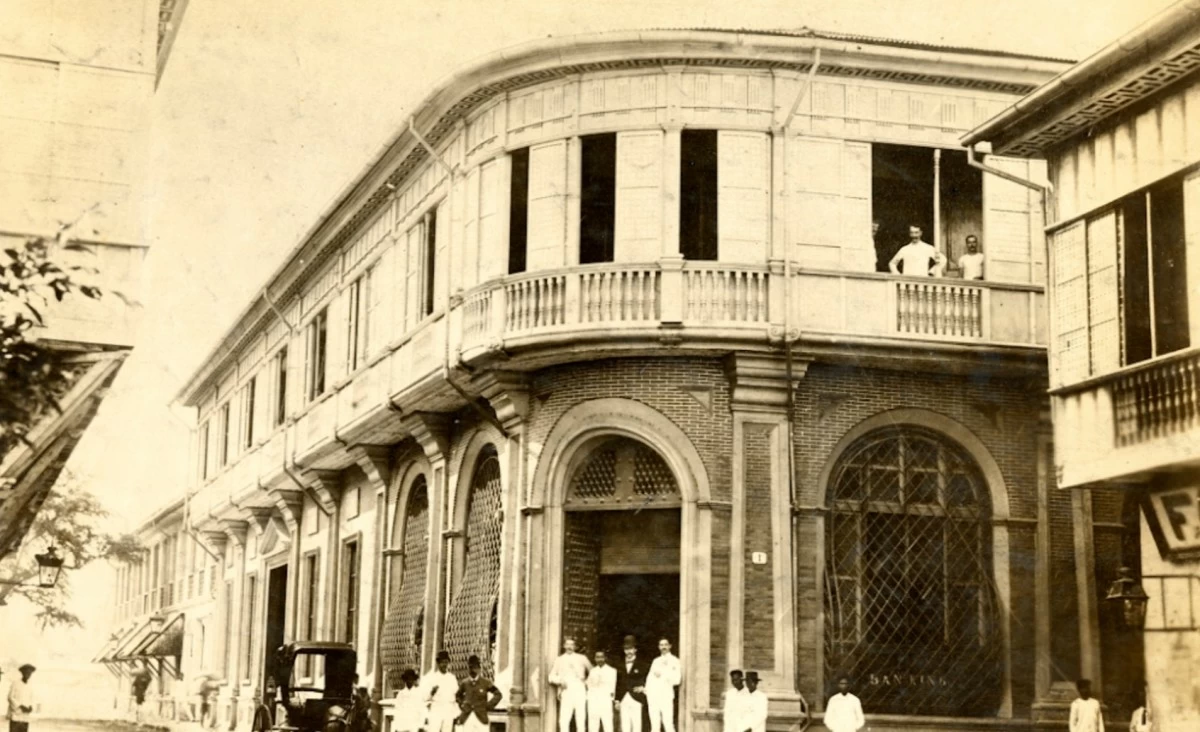
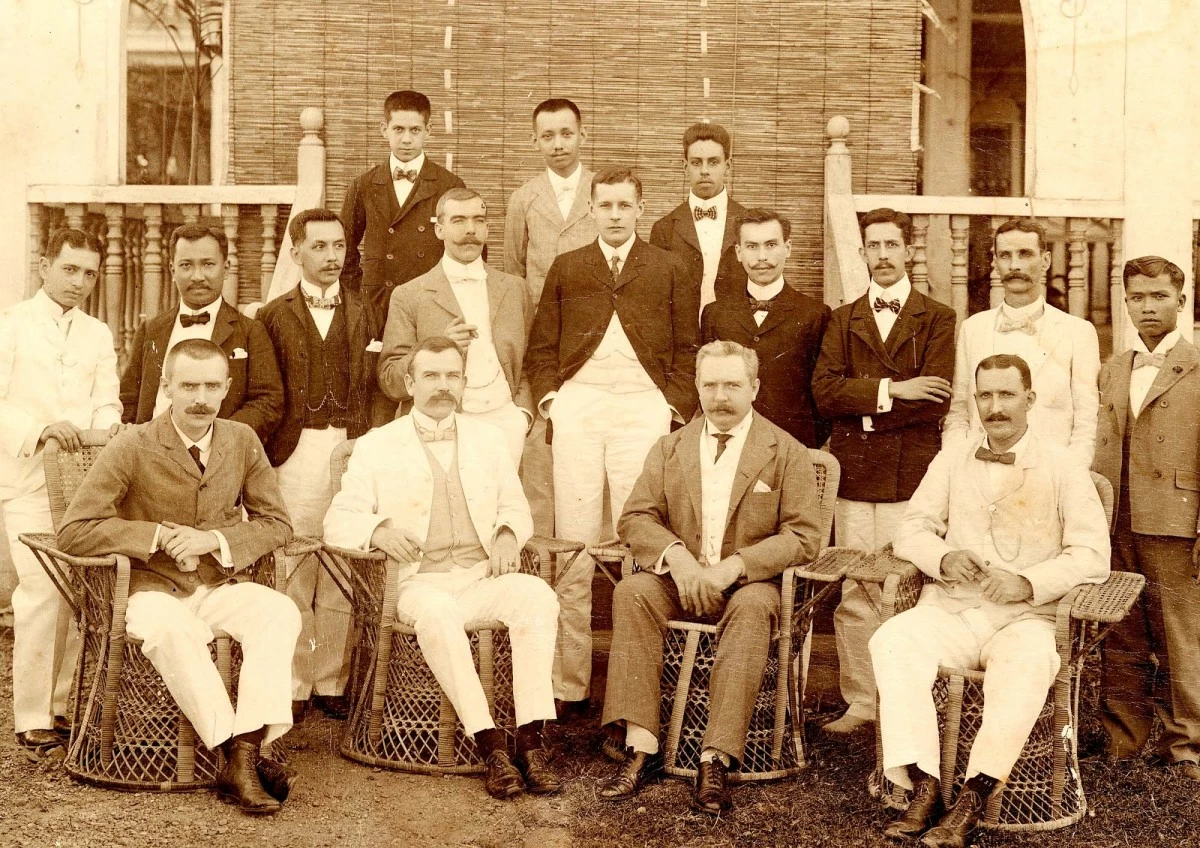
HSBC Philippines staff in Manila in 1901
As the bank celebrates this milestone, HSBC extends its deepest appreciation to the customers, employees, and partners who have been instrumental in shaping its legacy.
“As we mark this milestone, we reflect on our shared history with deep gratitude to our customers, colleagues, and partners,” said Sandeep Uppal, CEO and head of banking of HSBC Philippines. “For 150 years, our purpose has remained the same — to open up a world of opportunity for our customers and communities.”
Celebrating milestones
A series of commemorative events were held throughout the year which started with its countdown to 150 years mid-last year and concluded with HSBC Philippines’ 150th Anniversary gala this month. The milestone year included celebrations with customers in Cebu and Davao, and a special evening of celebrating the partnership with the British Embassy in Manila. It also paid tribute to HSBC Philippines alumni and enjoined employees and their respective families in the celebration, as their dedication and hard work helped shape HSBC Philippines’ identity as one of the country’s most trusted banks.
The bank also initiated partnerships with key government and business institutions such as the Department of Trade and Industry (DTI), the Board of Investments (BOI), and the Philippine Economic Zone Authority (PEZA) to promote the Philippines as an investment destination.
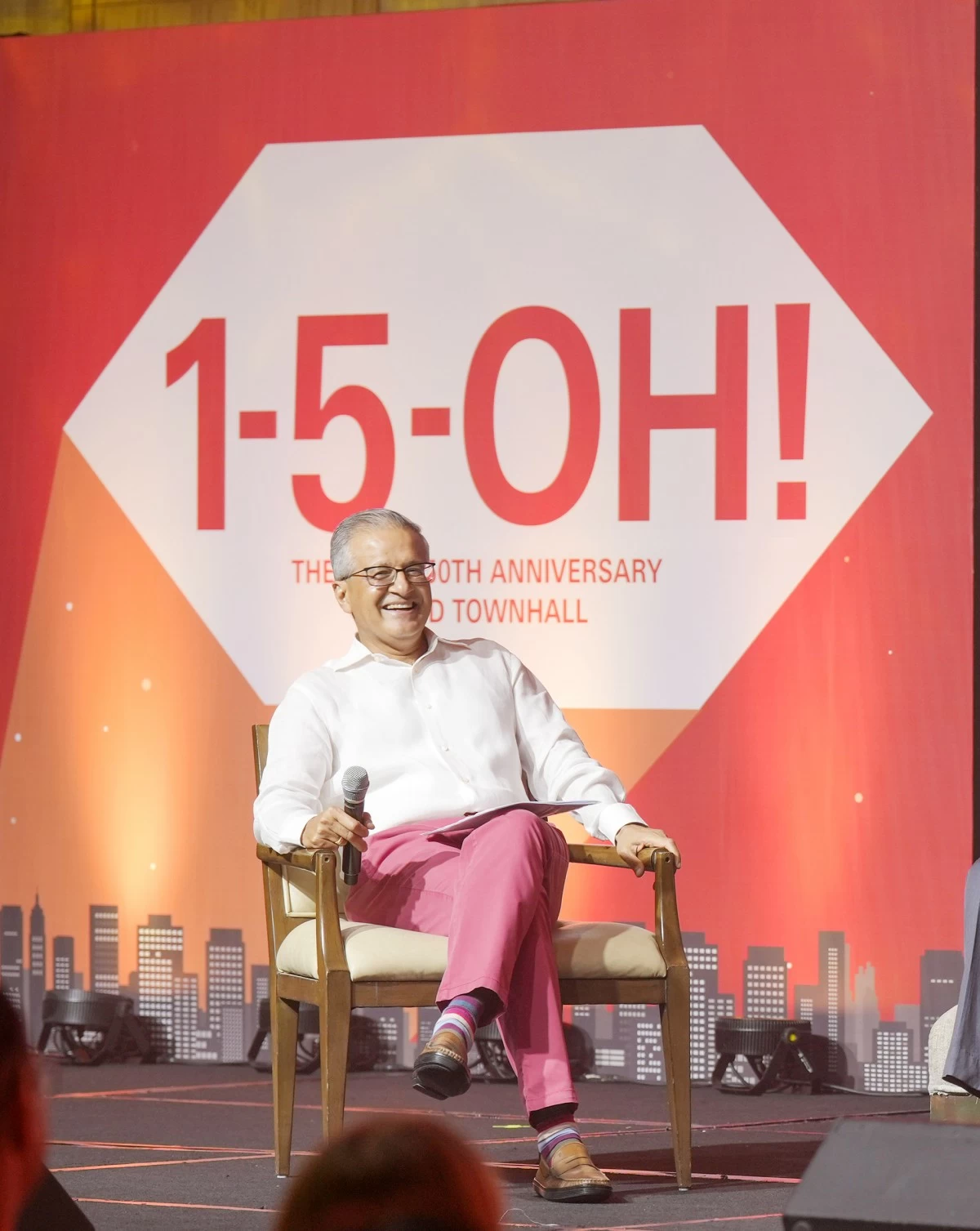
Sandeep Uppal at its 150th Anniversary Town Hall for employees

A toast to 150 years in the Philippines

HSBC Philippines started its countdown to 150 years in the Philippines in 2024
Committed to sustainable and inclusive growth
As it celebrates the past, HSBC is equally focused on the future, one defined by sustainability, inclusion, and shared prosperity.
The bank continues to play a pivotal role in attracting foreign investment, leading capital market transactions, and supporting initiatives that strengthen the economy. Together with the Asian Development Bank (ADB), HSBC has provided financing for small and medium enterprises (SMEs), particularly those led by women, helping drive inclusive growth across industries. One of the landmark transactions include being a joint global coordinator and joint bookrunner of Maynilad’s Php 34.3 billion IPO, making it the 2nd largest IPO in the Philippines, and the sustainable supply chain finance programme with Unilever, enabling supplier’s financing rate to its sustainability performance.
Through its partnership with the World Wide Fund for Nature (WWF-Philippines), HSBC launched the Mangrove Ecosystem Program, a long-term initiative to restore mangrove forests and protect coastal communities against climate change. These projects reflect HSBC’s commitment to the United Nations Sustainable Development Goals and the global transition toward a net-zero future.
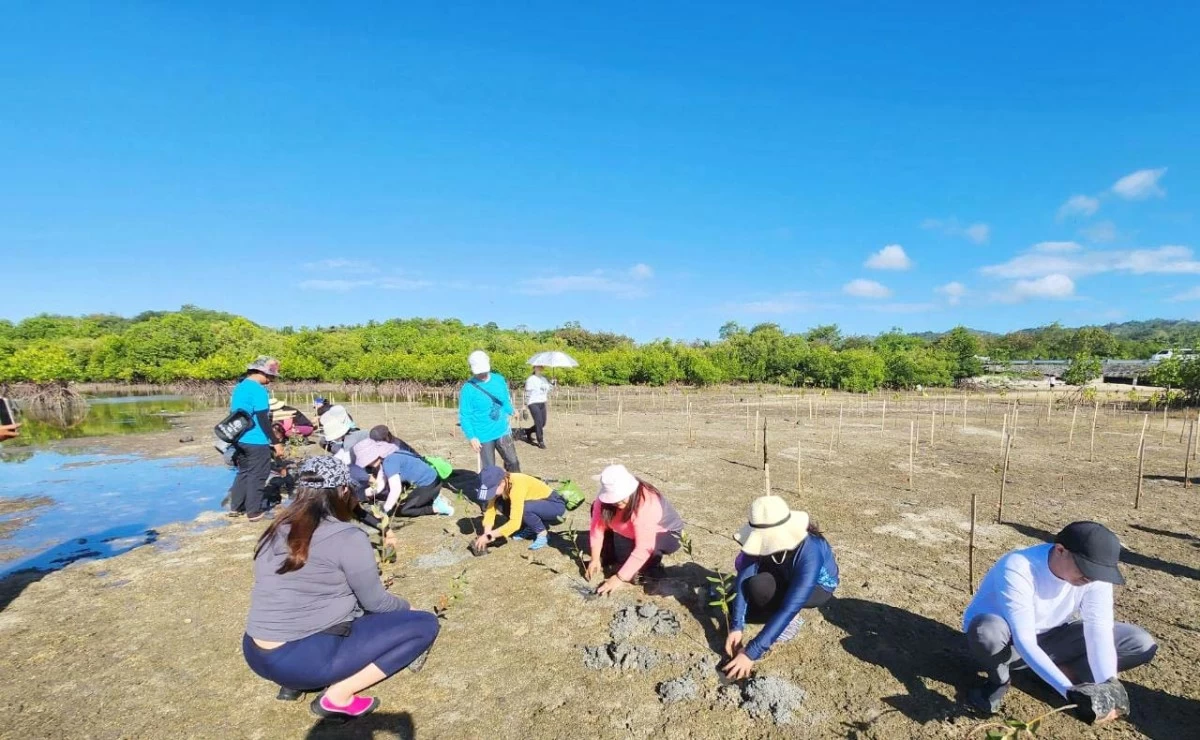
HSBC Philippines volunteers to the Mangrove Ecosystem Program along the Ticao-Burias Pass traversing the provinces of Masbate, Sorso
Empowering people and communities
Behind HSBC’s longevity in the Philippines are the dedicated people who have worked there and shaped its culture of excellence. As one of the country’s top performers, HSBC Philippines continues to invest in talent development, diversity, and innovation.
Recognized as Employer of the Year by Asian Banking and Finance, HSBC Philippines promotes an inclusive workplace where employees are nurtured and encouraged to grow, learn, and lead. They benefit from global mobility programs and digital learning platforms which allow them to thrive in an international environment while staying rooted in local communities.
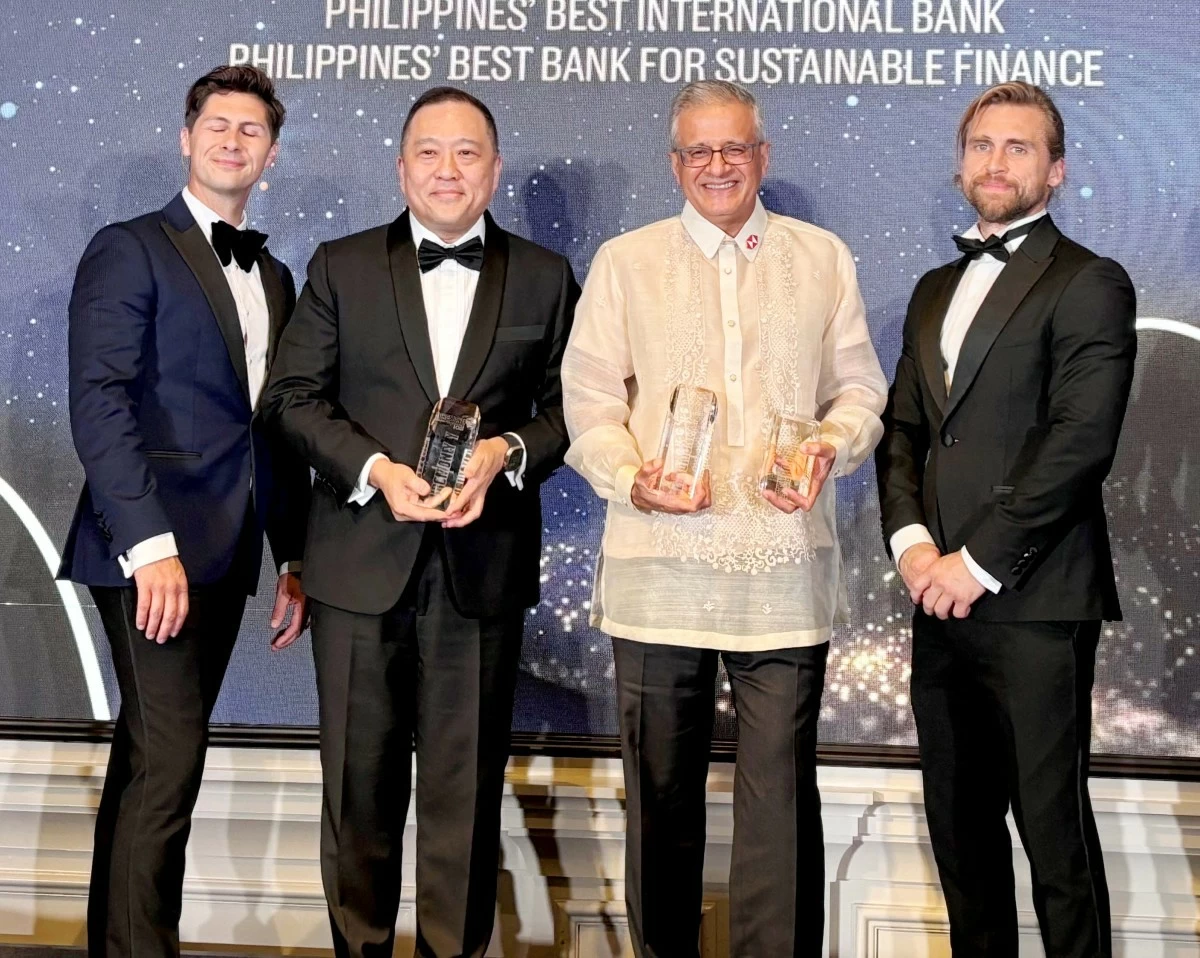
HSBC Philippines CEO Sandeep Uppal receives recognition from Euromoney as Philippines' Best International Bank
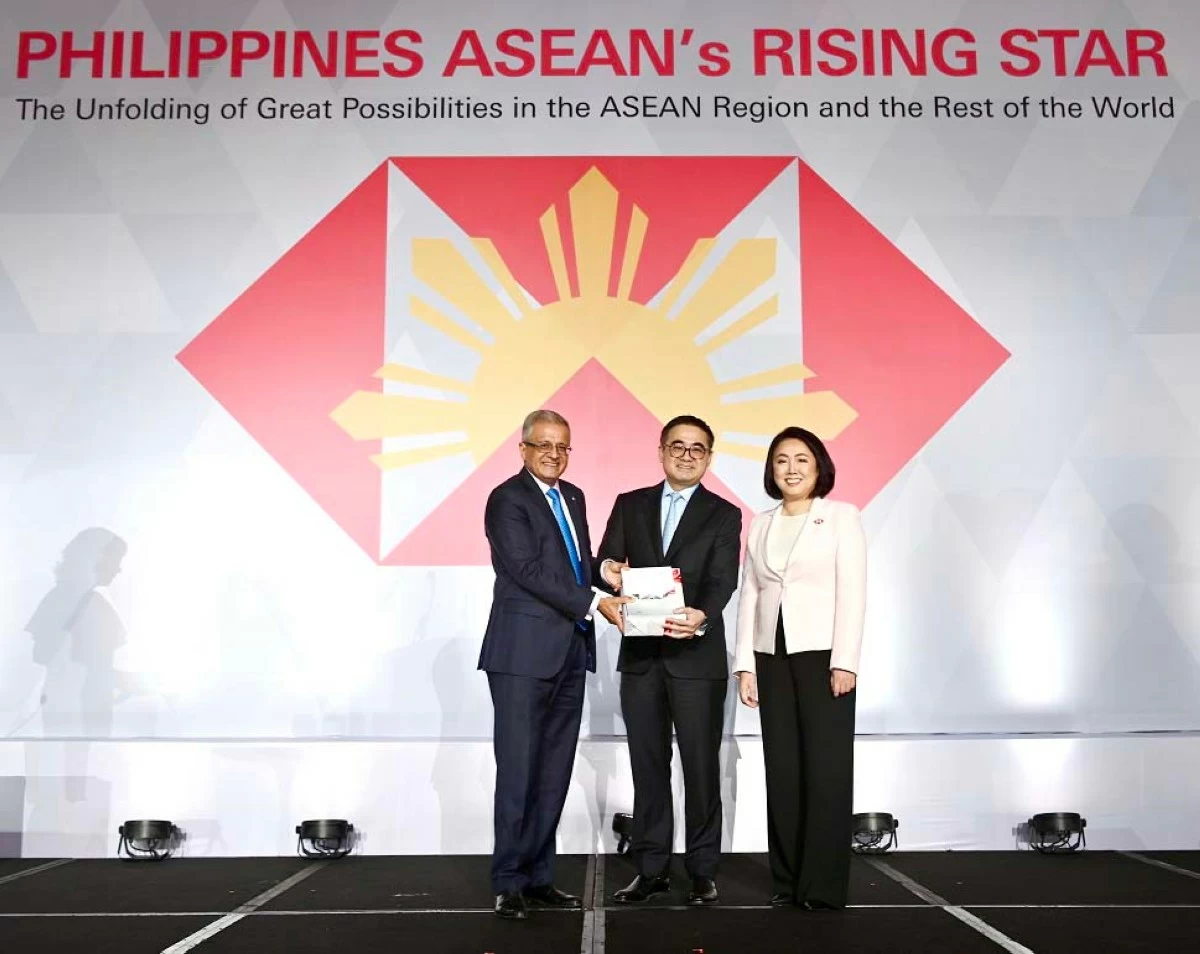
HSBC Philippines holds a forum featuring Philippines as ASEAN's Rising Star (L-R) Sandeep Uppal, Frederick Go, Kai Zhang
HSBC also champions community development through education focused programs, volunteerism, and financial literacy initiatives. Over the years, employees have contributed to the community, reaffirming HSBC’s belief that meaningful growth must uplift everyone.

HSBC Philippines brought together HSBC Alumni across generations

Excellent performance is recognised and celebrated-2025 Circle of Excellence winners in Vietnam

HSBC Philippines leadership team led by Sandeep Uppal

HSBC Philippines CEO and Head of Banking Sandeep Uppal with the 4th Cohort of the Country Graduate Program
Honoring partnerships that shape the future
HSBC Philippines’ success over the past 150 years has always been built on partnership—with clients, government agencies, and industry leaders who share a vision of progress. The bank has stood beside them through milestones and challenges alike, driving modernization and innovation across sectors.
From pioneering digital banking solutions to enabling seamless trade finance, HSBC Philippines continues to support the evolving needs of its partners. Its global network, spanning more than 50 countries and territories, allows individuals and businesses in the Philippines to access international markets and opportunities further strengthening the nation’s position as a key player in regional commerce.
“As we celebrate 150 years, we do so with both pride and purpose,” said Uppal. “We’re honored to have been part of the Philippines’ growth story and we look forward to shaping the next chapter. Together, we’ll continue opening up a world of opportunity for generations to come.”
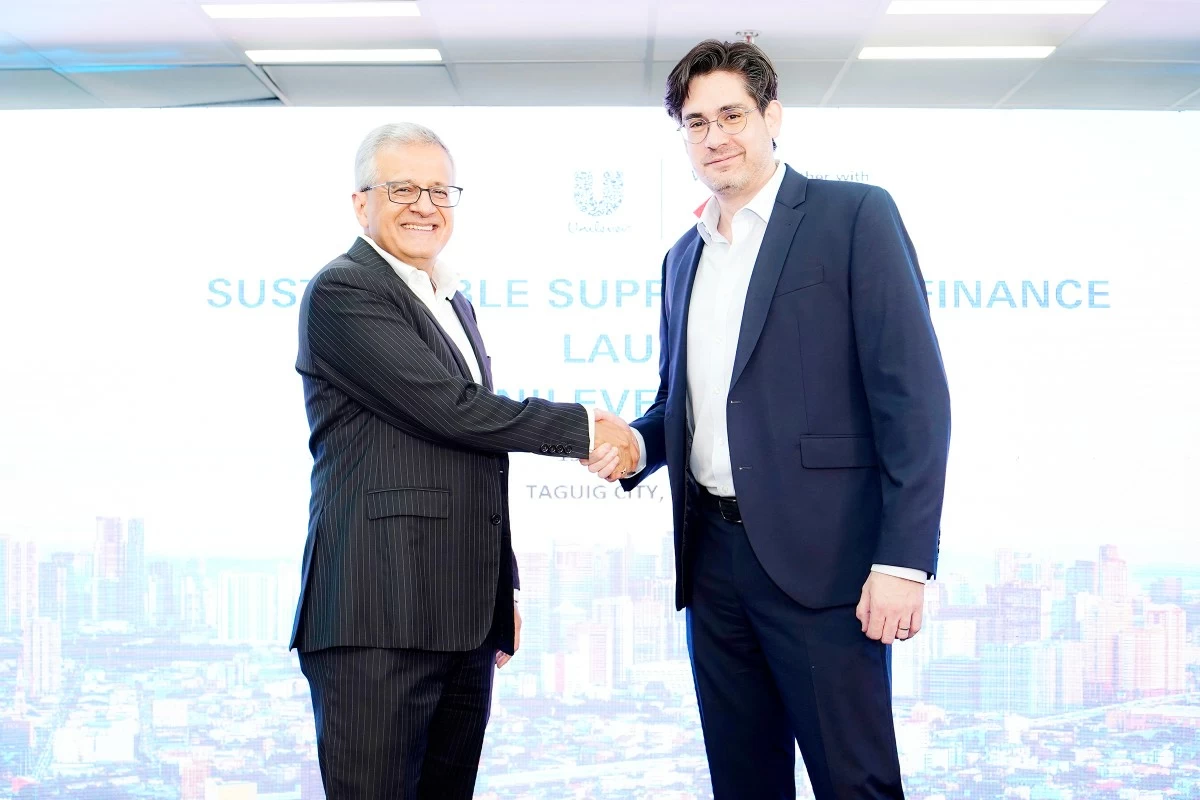
Unilever Philippines and HSBC Philippines signs Sustainable Supply Chain Finance partnership
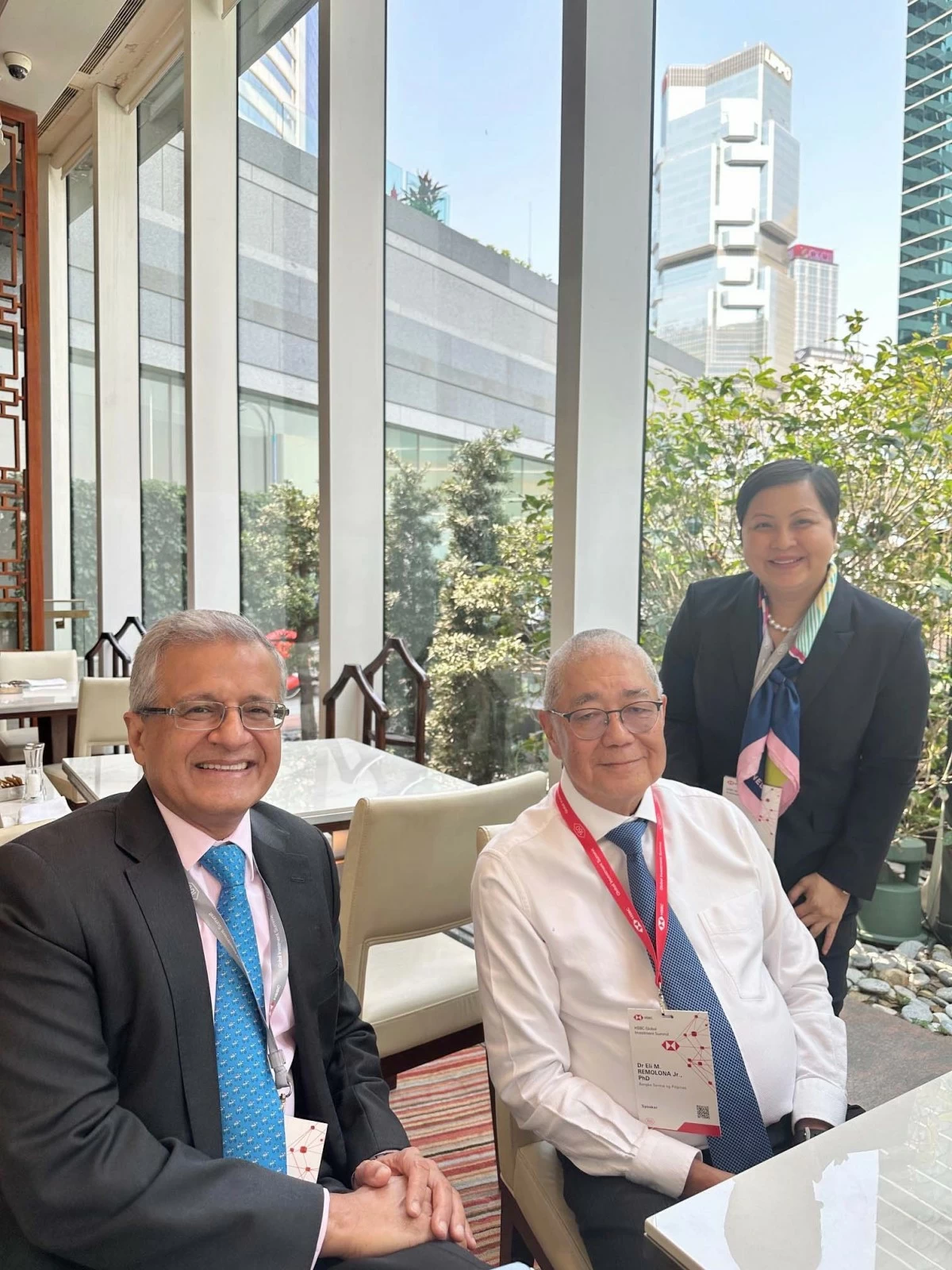
BSP Governor Dr. Eli Remolona, Jr. together with Sandeep Uppal and Corrie Purisima at HSBC's Global Investment Summit