






Manila Bulletin
 Philippines
National
Speaker Dy gets real about Philippine power situation in meeting with IAEA chief
Philippines
National
Speaker Dy gets real about Philippine power situation in meeting with IAEA chief
Philippines
National
Speaker Dy gets real about Philippine power situation in meeting with IAEA chief
Speaker Dy gets real about Philippine power situation in meeting with IAEA chief
Published Nov 26, 2025 02:50 pm


At A Glance
- House Speaker Faustino "Bojie" Dy III has candidly admitted to a visiting atomic energy official Wednesday, Nov. 26 that power in the Philippines is both "insufficient" and "expensive".
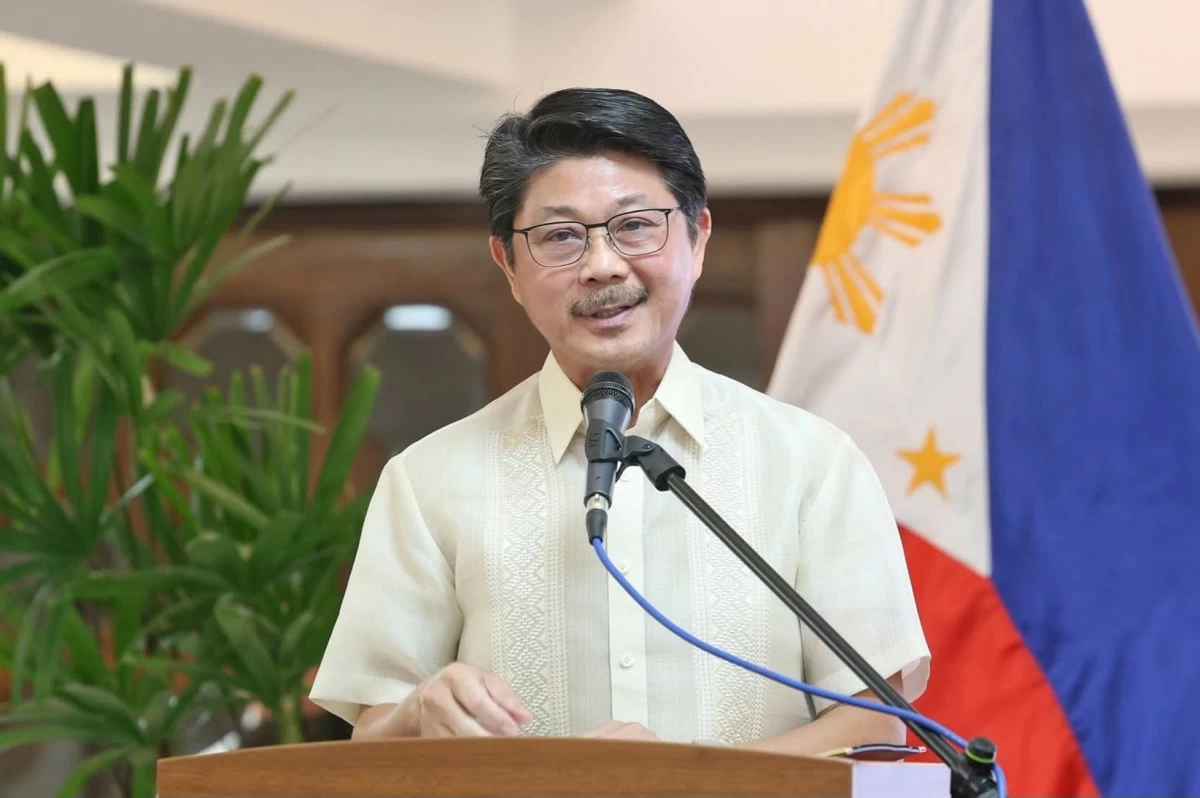
House Speaker Faustino "Bojie" Dy III (Facebook)
House Speaker Faustino "Bojie" Dy III has candidly admitted to a visiting atomic energy official Wednesday, Nov. 26 that power in the Philippines is both "insufficient" and "expensive".
At the House of Representatives in Batasan, Quezon City on Wednesday for a courtesy meeting with Dy and other congressmen was International Atomic Energy Agency (IAEA) Director General Rafael Mariano Grossi.
Dy III said the meeting allowed lawmakers to engage directly with the IAEA’s top leadership at a time when the Philippines eyed the strengthening of its energy security as well as deepening scientific cooperation with global partners.
“We are grateful for this opportunity to learn from you and from the IAEA team,” the Isabela 6th district representative told DG Grossi.
The House of Representatives welcomed International Atomic Energy Agency (IAEA) Director General Rafael Mariano Grossi in a courtesy meeting on Wednesday, a significant step in the country’s efforts to better understand the role of nuclear energy in addressing persistent power challenges.
“For many of us in the House, nuclear energy is an area where we want to deepen our knowledge and understanding. And I want to say this honestly and humbly: we need to come up with solutions to address the energy problems of our country,” Dy said.
The Speaker cited the everyday realities faced by communities throughout the Philippines, including in his own region.
“As someone who comes from the Northeastern part of Luzon, I see firsthand the same challenges faced across the Philippines. Power is insufficient. Power is expensive. And power is not always available when our people need it most. These realities limit growth, discourage investments, and burden ordinary families,” he noted.
During the meeting, Speaker Dy also highlighted the Philippines’ long-standing commitment to the peaceful use of nuclear energy. He noted that the 1987 Constitution expressly prohibits nuclear weapons—an early and principled stance that aligns squarely with the IAEA’s global mandate on safety and non-proliferation.
Meanwhile, the House leadee described DG Grossi--widely regarded as a leading contender for the United Nations Secretary-General post in 2026--as a “steady and respected voice” in guiding nations toward responsible nuclear development.
The courtesy call came shortly after President Marcos reaffirmed the government’s commitment to strengthening nuclear regulation and cooperation during the signing of the Philippine Nuclear Law.
The President has also announced that under the Philippines’ 2026 Chairship of ASEAN, the country intends to expand the work of the ASEAN Network of Regulatory Bodies on Atomic Energy to enhance regional literacy, laboratory capacity, and regulatory harmonization.
Dy said the House remains committed to supporting energy policies anchored on safety, transparency, and long-term national benefit.
“If developed responsibly—with the right safeguards, the right institutions, and the right public engagement—nuclear energy can be part of a more secure and competitive future for the Filipino people," he said.