






Manila Bulletin
 Business
The Economy
Manila among Asia-Pacific cities at high risk from rising heat, UN report warns
Business
The Economy
Manila among Asia-Pacific cities at high risk from rising heat, UN report warns
Business
The Economy
Manila among Asia-Pacific cities at high risk from rising heat, UN report warns
Manila among Asia-Pacific cities at high risk from rising heat, UN report warns
Published Nov 26, 2025 02:47 pm


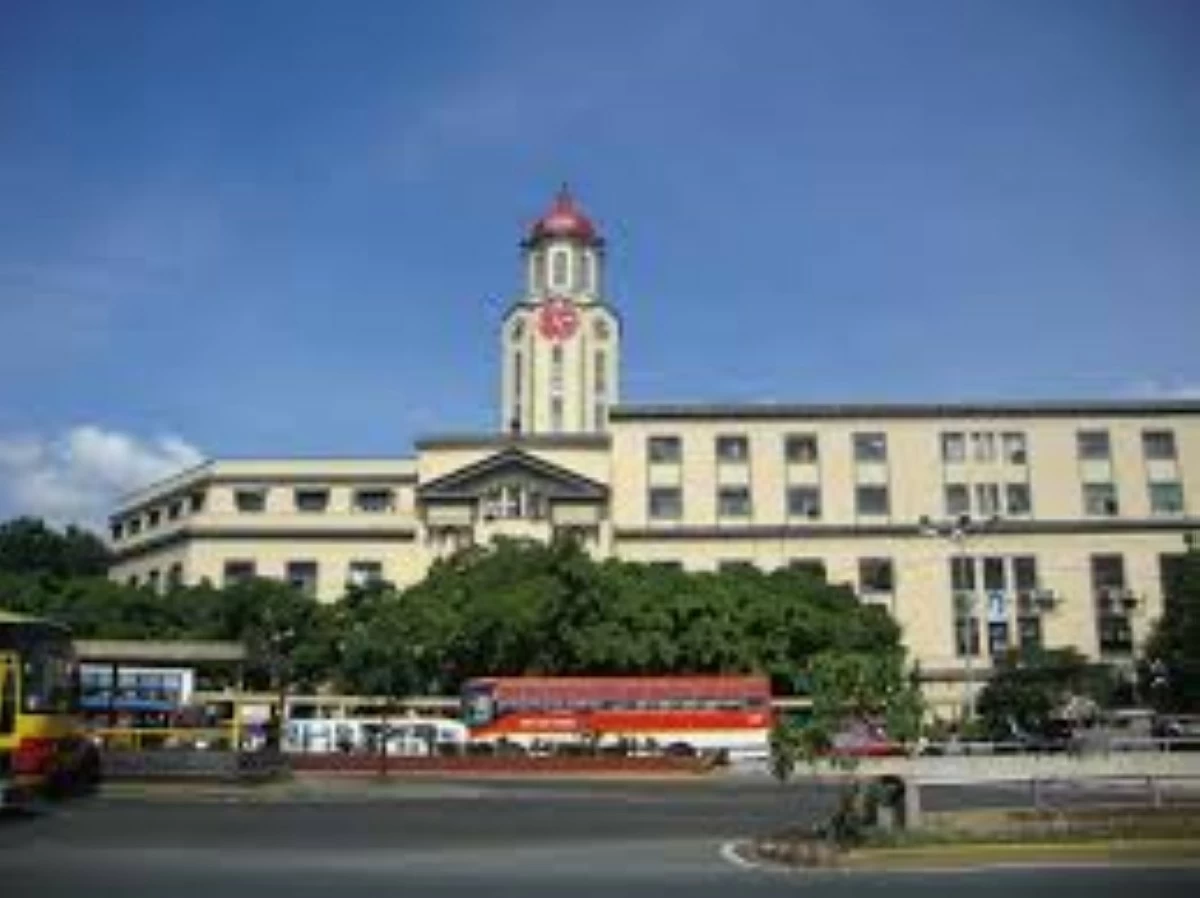
File Photo | Manila City Hall
Manila is among the urban centers in the region identified as highly vulnerable to rising temperatures, with the urban heat island effect expected to add an additional two to seven degrees Celsius on top of global warming, the United Nations Economic and Social Commission for Asia and the Pacific (UNESCAP) reported.
“Rising temperatures are impacting all, everywhere, with expanding and intensifying risks to food systems, public health, urban living, rural livelihoods, infrastructure and ecosystems,” said the UNESCAP report released on Wednesday, Nov. 26, titled “Asia-Pacific Disaster Report 2025: Rising Heat, Rising Risk.”
“Vulnerable communities, including children, older persons and outdoor low-wage earners in densely populated areas, face the greatest risks,” the report added. Among the Asia-Pacific cities most at risk are Seoul, Tokyo, Beijing, Delhi, Karachi, Dhaka, Jakarta, and Phnom Penh.
The report highlighted that new projections in the 2025 assessment underscore the “scale of the threat,” warning that by 2100, disaster losses in the region could rise from $418 billion under current conditions to as much as $498 billion in a worst-case climate scenario.
“The frequency of days above critical heat thresholds is set to increase sharply, with south and southwest Asia, parts of southeast Asia and northern and eastern Australia trending toward chronic heat exposure,” the report added.
“Heat knows no borders; therefore, policy responses must anticipate impacts, reduce exposure and vulnerability at scale and safeguard those most at risk. With urgency, clarity and cooperation, lives and livelihoods across the region can be protected,” said UN Undersecretary-General and Executive Secretary of ESCAP Armida Salsiah Alisjahbana.
UNESCAP is urging strategic, long-term measures anchored in science, innovation, and strengthened regional cooperation.
It stressed the importance of making heat a core element of multi-hazard planning, backed by heat-ready early warning systems that use interoperable alerts, standardized metrics, and reliable last-mile communication.
“With only 54 percent of global meteorological services issuing warnings for extreme temperatures, expanding heat-health warning systems in just 57 countries could save approximately 100,000 lives each year,” the report added.
“To help countries deal with extreme heat, ESCAP is planning three new regional initiatives,” the report said. This includes scaling up climate-resilient and inclusive social protection schemes, establishing cross-border green cooling corridors, and using innovative space-based solutions to strengthen heat preparedness and early warning systems.
The report was released at the ninth session of the Committee on Disaster Risk Reduction in Bangkok, running until Nov. 28, 2025, as governments explore strategies to strengthen regional resilience.
(Ricardo M. Austria)