







House bill exempts OFWs from paying PhilHealth contributions
Published Nov 26, 2025 10:39 am


At A Glance
- Congresswomen from the Liberal Party (LP) are pursuing legislation that would exempt Overseas Filipino Workers (OFWs) from mandatory Philippine Health Insurance Corporation (PhilHealth) contributions.
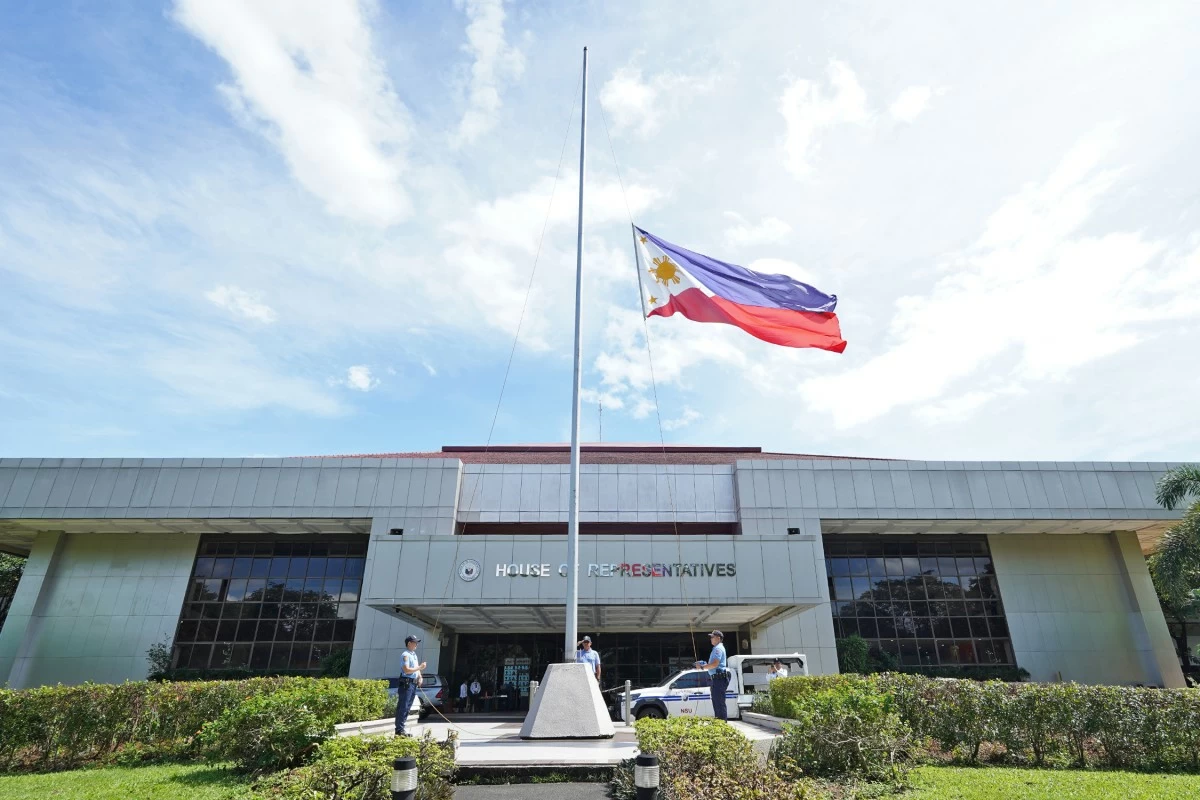
The House of Representatives (PPAB)
Congresswomen from the Liberal Party (LP) are pursuing legislation that would exempt Overseas Filipino Workers (OFWs) from mandatory Philippine Health Insurance Corporation (PhilHealth) contributions.
The so-called “LP Tres Marias” composed of Reps. Leila de Lima (Mamamayang Liberal [ML] Party-list), Arlene “Kaka” Bag-ao (lone district, Dinagat Islands), and Cielo Krisel Lagman (1st district, Albay) have filed House Bill (HB) No. 6355 for this purpose.
The bill intends to amend Section 4(f) of the Republic Act (RA) No.11223 or the “Universal Healthcare (UHC) Act”. Particularly, it seeks to remove the phrase “migrant workers” from the list of “direct contributors”, and making their PhilHealth contributions voluntary.
“Given their indispensable role in national development, OFWs deserve relief from redundant and excessive statutory burdens. Making PhilHealth contributions voluntary is therefore not only a matter of fairness but also of sound public policy and social justice,” the lady solons said.
“Although PhilHealth coverage extends to their dependents, the same protection can be achieved through voluntary and flexible contribution schemes without imposing undue financial strain on our overseas worker,” they added.
Since the enactment of RA No.11223 in 2019, several gaps and areas for improvement have surfaced, necessitating appropriate legislative action.
One of these areas concerns the inclusion of migrant workers or OFWs in the definition of direct contributors mandated to make premium payments to the PhilHealth.
Under Section 4(f) of the UHC Act, direct contributors are defined as “those who have the capacity to pay premiums, are gainfully employed and are bound by an employer-employee relationship, or are self-earning, professional practitioners, migrant workers, including their qualified dependents, and lifetime members".
Furthermore, as mandated under Section 10 of the UHC Act, PhilHealth premium contributions have steadily increased from 2.75 percent of the member’s monthly basic salary in 2019 to 5 percent in 2025.
While this provision sought to promote universal and inclusive health coverage, its implementation has imposed unintended financial and administrative burdens on OFWs who already maintain health insurance coverage in their host countries.
“Karamihan po sa ating mga OFWs, land-based. Kung magkakasakit man sila ay wala sila sa ating bansa. Wala naman po na mga accredited na ospital [doon] na tatanggap ng PhilHealth…Ibig sabihin, nagko-contribute sila nang hindi naman nila pinakikinabangan yung benefits ng kanilang contribution,” Lagman said.
(Most of our OFWs are land-based. If they get sick, they are not in our country. There are no accredited hospitals [there] that will accept PhilHealth… This means they are contributing without actually benefiting from the advantages of their contribution.)
De Lima, for her part, stressed that “Kung tunay nating kinikilala ang napakalaking ambag ng ating mga OFWs sa ating lipunan at ekonomiya, makatarungan lang na mabigyan sila ng ganitong mga insentibo, habang sinisiguro rin ng Estado ang magagandang serbisyo para sa kanilang mga pamilyang nasa ating bansa.”
(If we truly recognize the immense contribution of our OFWs to our society and economy, it is only just that they be given such incentives, while the State also ensures good services for their families here in our country.)