

ADVERTISEMENT

Estate Tax Amnesty extension bill hurdles House panel

Published Nov 26, 2025 07:27 pm

At A Glance

  • The House Committee on Ways and Means has approved on Wednesday, Nov. 26 the substitute bill seeking an extension to the availment period of the Estate Tax Amnesty.
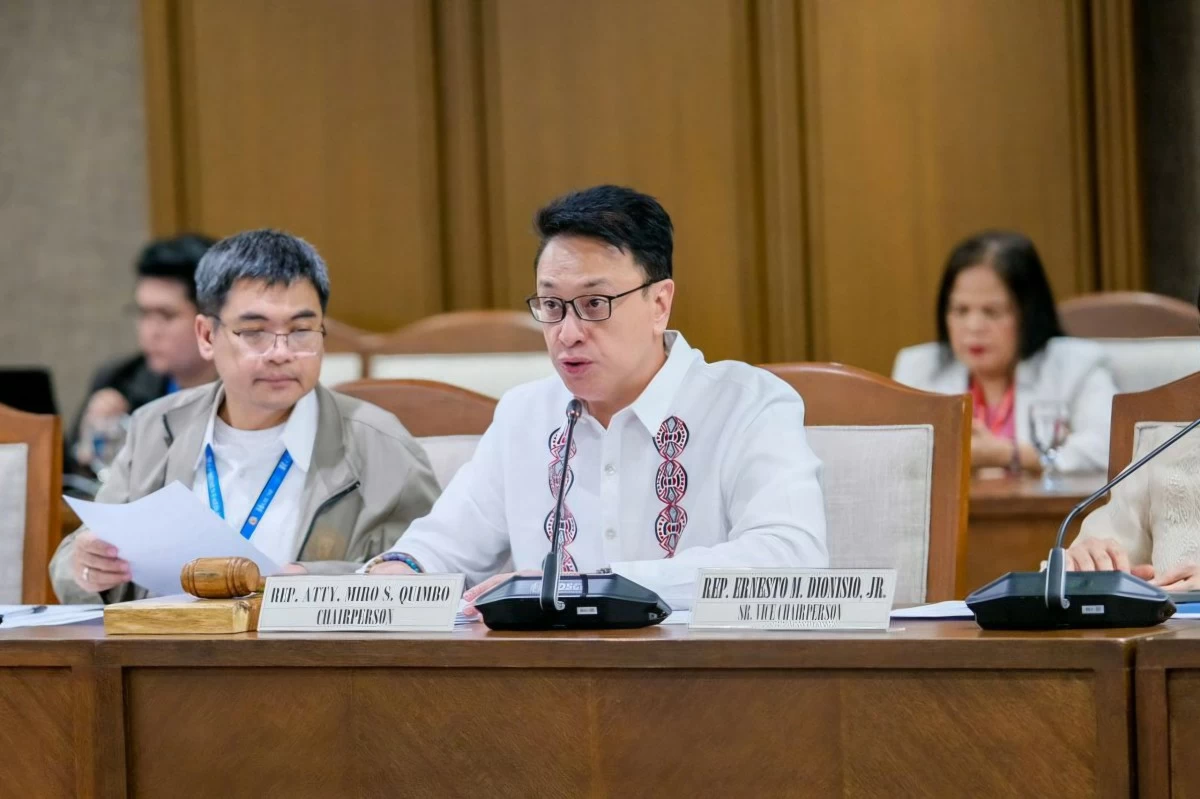
Marikina City 2nd district Rep. Miro Quimbo (Rep. Quimbo's office)


The House Committee on Ways and Means has approved on Wednesday, Nov. 26 the substitute bill seeking an extension to the availment period of the Estate Tax Amnesty.
Presiding over the ways and means panel hearing Wednesday was its chairman, Marikina City 2nd district Rep. Miro Quimbo. The Estate Tax Amnesty is included in the Legislative-Executive Development Advisory Council’s (LEDAC) priority measures.
The approved bill--which served as the consolidated version of several related House measures--sought to give Filipino families a longer, simpler, and more affordable process to settle long-unpaid estate taxes and secure titles to inherited properties.
It expands the coverage to the estates of decedents who died on or before Dec. 31, 2024 and extends the filing period by four years or until Dec. 31, 2028. This will allow heirs, administrators, and beneficiaries to avail of the amnesty without penalties, surcharges, or interest, while paying significantly lower estate taxes.
Installment payments for up to two years will also be allowed, the measure indicated.
Quimbo says the bill ensures that families are no longer burdened by decades-old obligations that have kept properties idle and legally unsettled. He also emphasized that the Estate Tax Amnesty contributed P12 billion to the government and helped unlock the economic value of inherited lands. 
“Malaki ang naipasok na pondo dahil sa estate amnesty mula 2019 hanggang 2024 – halos P12 billion. Pero higit dito, ang mas mahalaga ay patuloy mabigyan ng opportunity ang ating mga kababayan na maayos ang papeles ng mga pamilya at ng mga property that can now be used by the family for personal or economic reasons," he noted.
(A large amount of funds was generated through the estate amnesty from 2019 to 2024—almost P12 billion. But beyond this, what is more important is that our fellow citizens continue to be given the opportunity to put in order the documents of their families and their properties, which can now be used by the family for personal or economic reasons.)
"This will also bring them into our tax base," added the economist-solon.
Quimbo highlighted that many estates have remained unsettled for generations due to compounded penalties and complicated requirements. The new measure seeks to finally address all of these.
The Marikina lawmaker says extending the amnesty aligns with the committee’s broader push to modernize and humanize the tax system.
He highlighted that simplifying documentation and reducing Bureau of Internal Revenue (BIR) requirements under the proposed measure will make compliance far more accessible for ordinary families working to secure and transfer inherited properties.
“Estate settlement should not feel like a punishment. Kailangan nating tulungan ang mga Pilipino na ma-secure ang kanilang ari-arian, maipamana nang maayos, at makabukas ng higit pang oportunidad para sa negosyo at pag-unlad (We need to help Filipinos secure their properties, pass them on properly, and open up more opportunities for business and development),” said Quimbo.
ADVERTISEMENT
.most-popular .layout-ratio{ padding-bottom: 79.13%; } @media (min-width: 768px) and (max-width: 1024px) { .widget-title { font-size: 15px !important; } }

{{ articles_filter_1561_widget.title }}

.most-popular .layout-ratio{ padding-bottom: 79.13%; } @media (min-width: 768px) and (max-width: 1024px) { .widget-title { font-size: 15px !important; } }

{{ articles_filter_1562_widget.title }}

.most-popular .layout-ratio{ padding-bottom: 79.13%; } @media (min-width: 768px) and (max-width: 1024px) { .widget-title { font-size: 15px !important; } }

{{ articles_filter_1563_widget.title }}

{{ articles_filter_1564_widget.title }}

.mb-article-details { position: relative; } .mb-article-details .article-body-preview, .mb-article-details .article-body-summary{ font-size: 17px; line-height: 30px; font-family: "Libre Caslon Text", serif; color: #000; } .mb-article-details .article-body-preview iframe , .mb-article-details .article-body-summary iframe{ width: 100%; margin: auto; } .read-more-background { background: linear-gradient(180deg, color(display-p3 1.000 1.000 1.000 / 0) 13.75%, color(display-p3 1.000 1.000 1.000 / 0.8) 30.79%, color(display-p3 1.000 1.000 1.000) 72.5%); position: absolute; height: 200px; width: 100%; bottom: 0; display: flex; justify-content: center; align-items: center; padding: 0; } .read-more-background a{ color: #000; } .read-more-btn { padding: 17px 45px; font-family: Inter; font-weight: 700; font-size: 18px; line-height: 16px; text-align: center; vertical-align: middle; border: 1px solid black; background-color: white; } .hidden { display: none; }
function initializeAllSwipers() { // Get all hidden inputs with cms_article_id document.querySelectorAll('[id^="cms_article_id_"]').forEach(function (input) { const cmsArticleId = input.value; const articleSelector = '#article-' + cmsArticleId + ' .body_images'; const swiperElement = document.querySelector(articleSelector); if (swiperElement && !swiperElement.classList.contains('swiper-initialized')) { new Swiper(articleSelector, { loop: true, pagination: false, navigation: { nextEl: '#article-' + cmsArticleId + ' .swiper-button-next', prevEl: '#article-' + cmsArticleId + ' .swiper-button-prev', }, }); } }); } setTimeout(initializeAllSwipers, 3000); const intersectionObserver = new IntersectionObserver( (entries) => { entries.forEach((entry) => { if (entry.isIntersecting) { const newUrl = entry.target.getAttribute("data-url"); if (newUrl) { history.pushState(null, null, newUrl); let article = entry.target; // Extract metadata const author = article.querySelector('.author-section').textContent.replace('By', '').trim(); const section = article.querySelector('.section-info ').textContent.replace(' ', ' '); const title = article.querySelector('.article-title h1').textContent; // Parse URL for Chartbeat path format const parsedUrl = new URL(newUrl, window.location.origin); const cleanUrl = parsedUrl.host + parsedUrl.pathname; // Update Chartbeat configuration if (typeof window._sf_async_config !== 'undefined') { window._sf_async_config.path = cleanUrl; window._sf_async_config.sections = section; window._sf_async_config.authors = author; } // Track virtual page view with Chartbeat if (typeof pSUPERFLY !== 'undefined' && typeof pSUPERFLY.virtualPage === 'function') { try { pSUPERFLY.virtualPage({ path: cleanUrl, title: title, sections: section, authors: author }); } catch (error) { console.error('ping error', error); } } // Optional: Update document title if (title && title !== document.title) { document.title = title; } } } }); }, { threshold: 0.1 } ); function showArticleBody(button) { const article = button.closest("article"); const summary = article.querySelector(".article-body-summary"); const body = article.querySelector(".article-body-preview"); const readMoreSection = article.querySelector(".read-more-background"); // Hide summary and read-more section summary.style.display = "none"; readMoreSection.style.display = "none"; // Show the full article body body.classList.remove("hidden"); } document.addEventListener("DOMContentLoaded", () => { let loadCount = 0; // Track how many times articles are loaded const offset = [1, 2, 3, 4, 5, 6, 7, 8, 9, 10]; // Offset values const currentUrl = window.location.pathname.substring(1); let isLoading = false; // Prevent multiple calls if (!currentUrl) { console.log("Current URL is invalid."); return; } const sentinel = document.getElementById("load-more-sentinel"); if (!sentinel) { console.log("Sentinel element not found."); return; } function isSentinelVisible() { const rect = sentinel.getBoundingClientRect(); return ( rect.top < window.innerHeight && rect.bottom >= 0 ); } function onScroll() { if (isLoading) return; if (isSentinelVisible()) { if (loadCount >= offset.length) { console.log("Maximum load attempts reached."); window.removeEventListener("scroll", onScroll); return; } isLoading = true; const currentOffset = offset[loadCount]; window.loadMoreItems().then(() => { let article = document.querySelector('#widget_1690 > div:nth-last-of-type(2) article'); intersectionObserver.observe(article) loadCount++; }).catch(error => { console.error("Error loading more items:", error); }).finally(() => { isLoading = false; }); } } window.addEventListener("scroll", onScroll); });

Sign up by email to receive news.