






Manila Bulletin
 Philippines
National
AFP downplays security concerns over Japan missile plan near Taiwan
Philippines
National
AFP downplays security concerns over Japan missile plan near Taiwan
Philippines
National
AFP downplays security concerns over Japan missile plan near Taiwan
AFP downplays security concerns over Japan missile plan near Taiwan
Published Nov 26, 2025 11:51 am


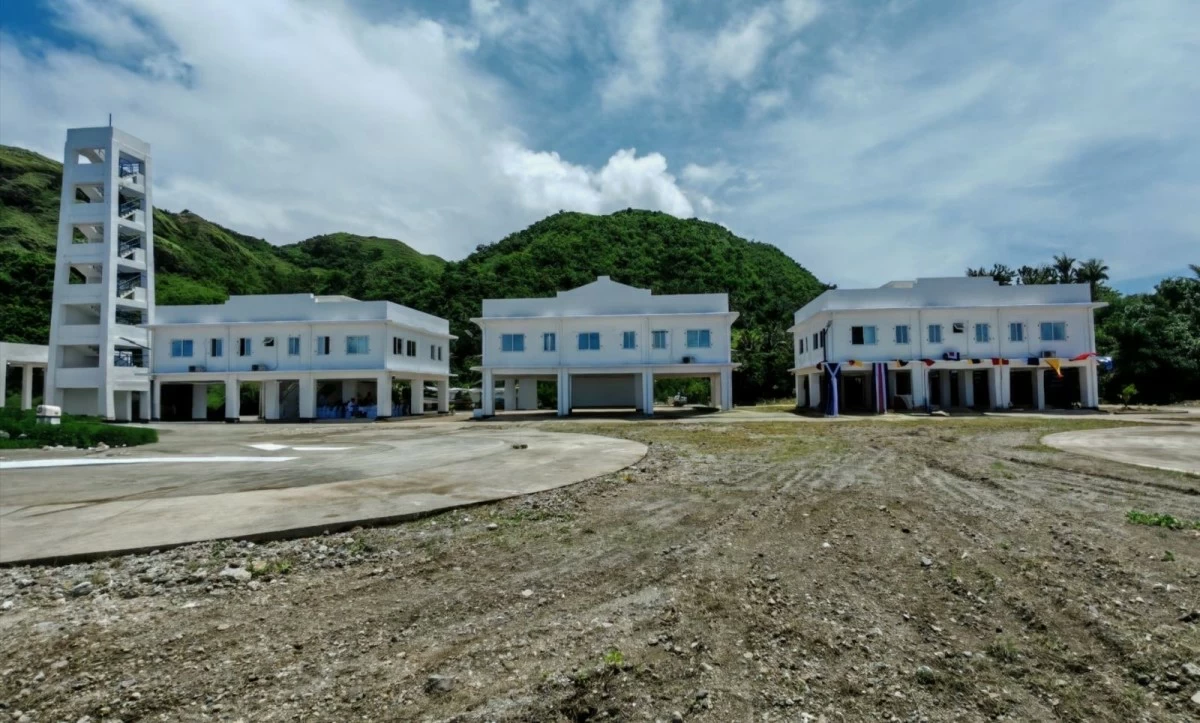
A new forward operating base (FOB) is inaugurated by the Northern Luzon Command (Nolcom) in Mahatao, Batanes on Aug. 28, 2025 to boost the country's northernmost territorial defense. (Photo: Nolcom)
The Armed Forces of the Philippines (AFP) dismissed concerns that Japan’s plan to deploy missiles on Yonaguni Island, which lies 111 kilometers from Taiwan, could heighten tensions affecting areas near Luzon in the northern part of the country.
Rear Adm. Roy Vincent Trinidad, AFP spokesperson for the West Philippine Sea (WPS), said actions taken by sovereign states to advance their national interest “should not cause a security dilemma to other states,” especially when done within international law.
Trinidad stressed that Tokyo’s move does not pose a threat to Manila, citing the two countries’ recently signed Reciprocal Access Agreement (RAA).
“We have an RAA with Japan. Their actions are not a threat to us,” he said when asked whether the planned missile deployment could endanger the country's northern frontier.
Japan’s defense minister Shinjiro Koizumi visited a Japan Ground Self-Defense Force (JGSDF) base on Yonaguni Island, Tokyo’s closest point to Taiwan, last week as tensions with China intensify over plans to deploy missile units there.
Trinidad said the move would likely help strengthen Japan’s defense posture in the event of a regional conflict. Asked if the AFP should pursue a similar approach, he said: “We will deploy our forces whenever and wherever they are needed without specifying into details.”
Trinidad said Japan's decision is aimed at protecting its own interests and contributing to regional stability.
Pressed on whether the Philippines sees a need to deploy missiles in the north, Trinidad declined to give specifics.
“For the AFP, we will continue to develop and to deploy our forces as we see fit in furtherance of our mandate to secure and to protect the integrity of our territory,” he said.
China earlier expressed objections to Japan’s defense posture shift but the AFP maintained its focus on Manila’s interests and ongoing capability upgrades to respond to emerging security challenges, particularly to deter aggressive actions in the WPS.
In August, the AFP established a forward operating base (FOB) in Mahatao, Batanes to boost territorial defense and enhance capabilities for humanitarian assistance and disaster response (HADR) in the country's northernmost frontier.
Located in the coastal town of Mahatao, approximately 12.9 kilometers from Batanes' capital town of Basco, the base will host Philippine Navy and Philippine Marine Corps units under the Northern Luzon Naval Command and Marine Battalion Landing Team-10 (MBLT-10).
The units are tasked with securing the Batanes Strait, monitoring maritime activities, and supporting interagency operations. Its establishment ensures closer collaboration between Northern Luzon Command (Nolcom) and the local government unit in sustaining peace, security, and disaster response in the island province.
Batanes sits less than 200 kilometers from Taiwan, a self-ruled island but considered a renegade province by China. Batanes also serves as a gateway to the WPS.