






Manila Bulletin
 Business
Trade & Industry
US gunning for higher share in Philippine fish import market
Business
Trade & Industry
US gunning for higher share in Philippine fish import market
Business
Trade & Industry
US gunning for higher share in Philippine fish import market
US gunning for higher share in Philippine fish import market
Published Nov 25, 2025 01:46 pm


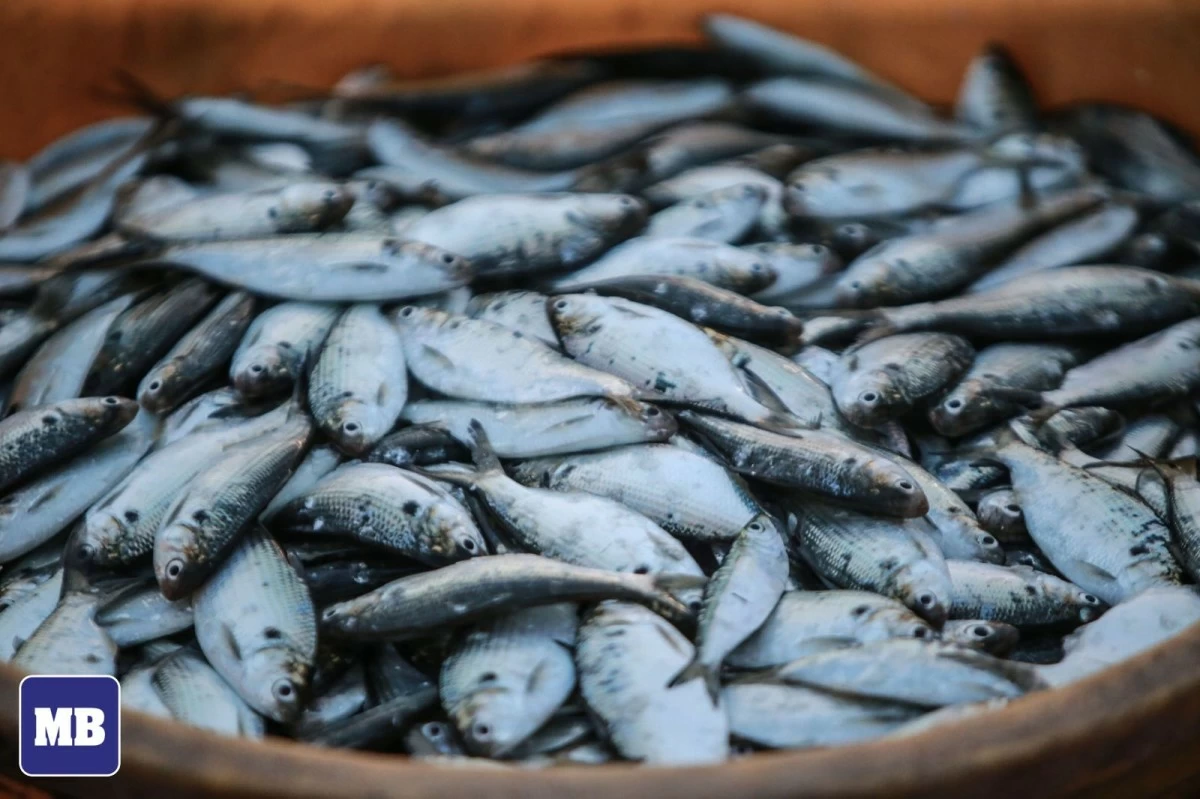
(Manila Bulletin file photo)
The United States (US) is planning to leverage recent policy changes in the fish quota system to significantly increase its seafood exports to the Philippines, which currently account for less than one percent of the market.
In a Nov. 24 policy brief, the US Department of Agriculture (USDA) said the Philippines’ imported seafood market is valued at $1 billion, based on the average over the past five years.
The USDA expects the country’s demand for foreign goods to ramp up due to its growing population, which is poised to add one million people each year from the current level of around 115 million.
With average annual consumption per Filipino standing at 23.7 kilograms (kg), a yearly population increase of one million people will result in an additional demand of 23,700 metric tons (MT) of seafood products.
With the Philippine Statistics Authority’s (PSA) projection of reaching 145 million people by 2055, an additional 735,000 MT of seafood products will be needed to meet demand.
Based on the current trajectory, the USDA said the increased demand would not be supported by local production alone.
The foreign agency, citing PSA data, said the country’s seafood production has declined by an average of two percent annually from 2015 to 2024.
In the third quarter of this year, fisheries output fell by 2.7 percent to ₱54.47 billion from ₱55.48 billion in the same period in 2024.
“These factors collectively signal strong opportunities for US exporters to meet the growing demand for agricultural and related products,” the report read.
As noted, despite the US being the leading supplier of food and agricultural products to the Philippines, its share in fish imports is still less than one percent.
Based on USDA data, American exports of seafood to the Philippines have declined by 43 percent between 2015 and 2024, last valued at $5.9 million.
This is in sharp contrast to global seafood exports, which rose by 28 percent over the same period, reaching a total value of $955 million last year.
China was the country’s main source of seafood last year, accounting for 35 percent of the market. It was followed by the Association of Southeast Asian Nations (ASEAN) with 19 percent, of which Vietnam cornered 84 percent.
The USDA said the dominance of these countries is primarily driven by better prices, largely resulting from lower shipping costs and tariff advantages under free-trade agreements (FTAs).
Currently, fish imports from the US are levied with a tariff rate ranging from zero to 15 percent.
“This underscores the importance for US exporters to compete on quality rather than price,” the USDA said.
In February, the Department of Agriculture (DA) issued Memorandum Order (MO) No. 12 to issue a certificate of necessity to import (CNI) to authorize the importation of 25,000 MT of seafood and fish products.
Unlike previous CNI guidelines, the order expanded the list of importable seafood products to include those that are either not available locally or are available only in limited quantities, including Alaskan pollock, crab, clams, cod, lobster, and squid.
“This issuance is a positive step in providing Filipino consumers with a broader range of protein options and creates an opportunity for US exporters,” the report read.
Following the lapsing of this order, the DA issued MO 46 authorizing 22,000 MT of imports, but this time covering more than 100 species.
The USDA noted that the easing of previous import restrictions was part of President Ferdinand R. Marcos Jr.’s order to the DA to revise rules that impose restrictions on fish imports.
“Expanding the list of importable seafood products allowed in the existing fish quota system is consistent with the President’s directive,” the foreign agency said.
“However, the DA has yet to fully implement other fisheries-related provisions, especially since quantitative restrictions on fish imports continue under existing laws and regulations,” it added.
The USDA observed that ongoing legislative moves to amend the Fisheries Code, which serves as the basis for the country’s import scheme, could further widen the market for foreign shipments.
To take advantage of this, the USDA said American fish exports should leverage high-quality products with “high potential for success.”
These include clams, cod, crab, fish meat, flatfish, hake, halibut, herring, lobster, pollock, salmon, scallops, shellfish, shrimp, and squid.
The USDA said exporters could partner with local stakeholders to develop marketing programs showcasing the products’ unique selling points, such as quality, flavor, yield, nutritional value, and sustainability.
“Joint promotions, such as merchandising, product sampling, technical seminars, culinary demonstrations, social media campaigns, and public relations efforts, are highly recommended,” it said.
It said that sustaining brand-building efforts, holding regular visits to local stakeholders, and exploring new channels are critical for long-term growth.