






Manila Bulletin
 Business
Trade & Industry
Philippine electronics to surge as US tariff threat subsides
Business
Trade & Industry
Philippine electronics to surge as US tariff threat subsides
Business
Trade & Industry
Philippine electronics to surge as US tariff threat subsides
Philippine electronics to surge as US tariff threat subsides
Published Nov 25, 2025 03:43 pm


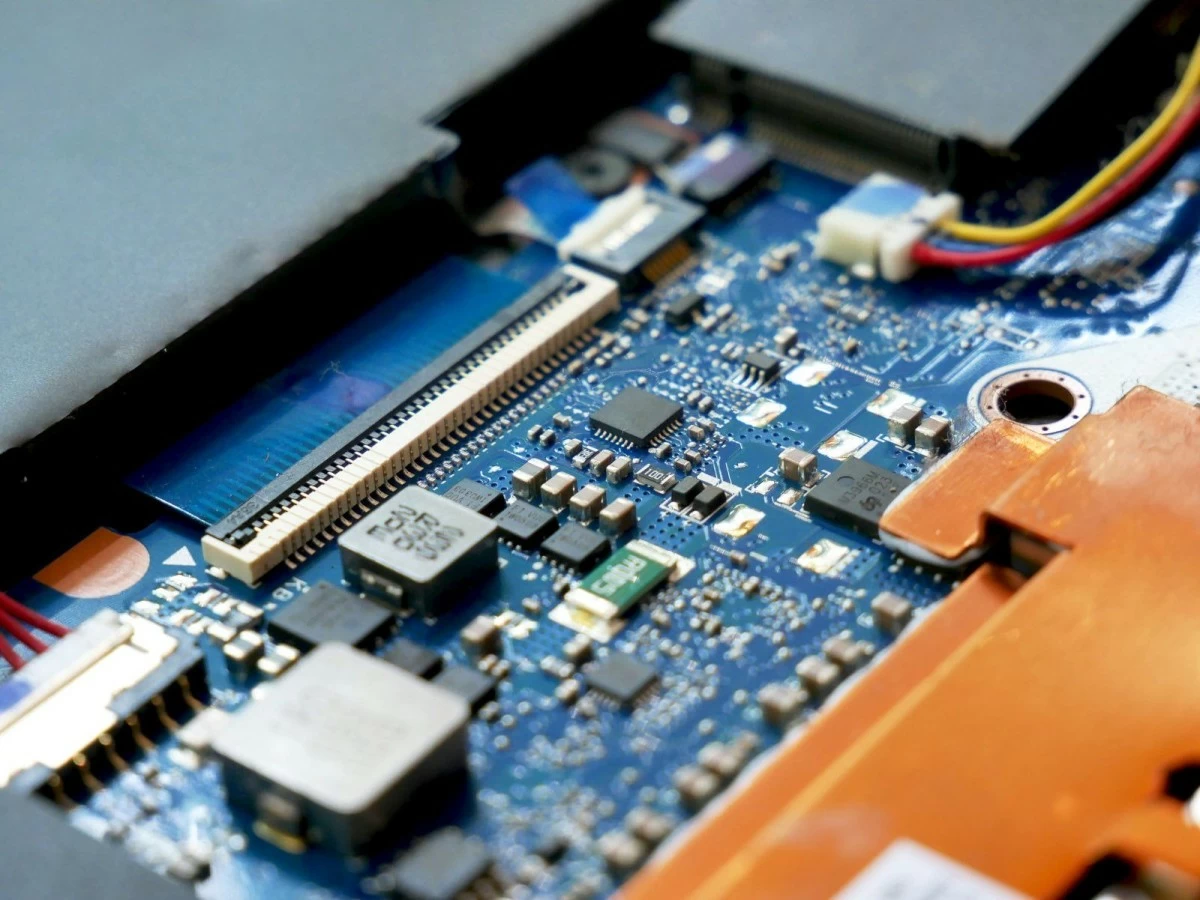
The country’s electronic exports are now projected to grow by as much as seven percent this year, reversing the previous estimate of flat growth, as the United States’ (US) planned higher tariffs on foreign-made semiconductors have so far remained merely a threat.
According to Semiconductor and Electronics Industries in the Philippines Foundation Inc. (SEIPI), electronic exports will grow between five to seven percent compared to last year’s value of $42.6 billion.
“[The tariffs] should not have any major effects because we are still at zero tariff,” said SEIPI President Danilo Lachica.
Lachica earlier estimated that exports would remain flat, with a slim chance of one to two percent growth, amid US President Donald Trump’s threat to impose tariffs on semiconductor shipments to America.
Back in August, Trump threatened to slap tariffs, going as high as 300 percent, with exemptions only for those that manufacture in the US or have committed to doing so.
A Reuters report on Nov. 20, citing information from undisclosed US officials, said the Trump administration has since delayed its plan to impose these tariffs, with no set date for its issuance.
The Philippines is subject to a 19 percent reciprocal tariff rate by the US, but semiconductors and nearly half of the country’s total exports have already been exempted.
Data from the Philippine Statistics Authority (PSA) showed that exports of electronic products rose by 9.5 percent to $33.52 billion from January to September from $30.60 billion in the same period a year ago.
The question marks surrounding tariffs have prompted SEIPI to also project five percent growth in next year’s electronic exports.
Lachica said the group’s optimism hinges on the continued demand for conventional tech such as computers, cellphones, and automobiles.
He noted that the major threat to this positive outlook would depend on the US Supreme Court's decision on the legality of Trump’s tariff policy.
If the high court moves to favor Trump’s sweeping power to issue tariffs, the local semiconductor industry could be at risk of expedited tariff imposition.
Beyond tariffs, Lachica said another looming threat is the industry's lack of development, which is still stuck in traditional assembly, test, and packaging (ATP).
He said the country is at risk of being left behind by its peers in the Association of Southeast Asian Nations (ASEAN), which has now forayed into more advanced manufacturing.
With the ASEAN Summit next year, the Philippines is pushing semiconductors as one of its priority economic deliverables, particularly in developing strategies to attract investment to the critical industry.
Lachica, however, cast doubt on the move, questioning the country’s leadership for steering discussions, since it has not even published domestic guidelines to elevate the semiconductor industry.
“How are we going to go into an ASEAN discussion without being prepared for what the Philippines’ strategy is?” he asked.
To this end, he said the country struggles to attract investment for higher levels of manufacturing, as it has yet to demonstrate its capacity to do so.
SEIPI has been urging the government to help fund a wafer fabrication plant valued at around $10 million, as the local industry primarily relies on imported wafer supplies for its manufacturing needs.
Lachica said this could be the “proof of concept” that would strengthen investor confidence, but so far it remains just a plan.
“We want to attract investments but you have to show first that you're worthy of the investment. Without the ecosystem, it's a wishful thinking,” the SEIPI chief said.
“My concern is if we don't do something drastic today, we're just going to be falling worse and worse behind them,” he added, referring to the Philippines’ neighboring countries.
On the part of the government, Trade Undersecretary Allan Gepty said the main agenda for the semiconductor industry is to level up its participation in the global supply chain.
“We cannot stay at the ATP forever. So either we go into IC (integrated circuit) design and also wafer fabrication, that is the signal that we have to convey,” said Gepty.
“And very important that we receive inputs from stakeholders so that we can project [the] Philippines that, indeed, we’re capable and competent to level up on the value chain,” he added.