








At A Glance
- PANGLAO, BOHOL — To fully maximize the digital payment system, the Bangko Sentral ng Pilipinas (BSP) has maintained that the implementation of zero fees for interbank fund transfers will push through.
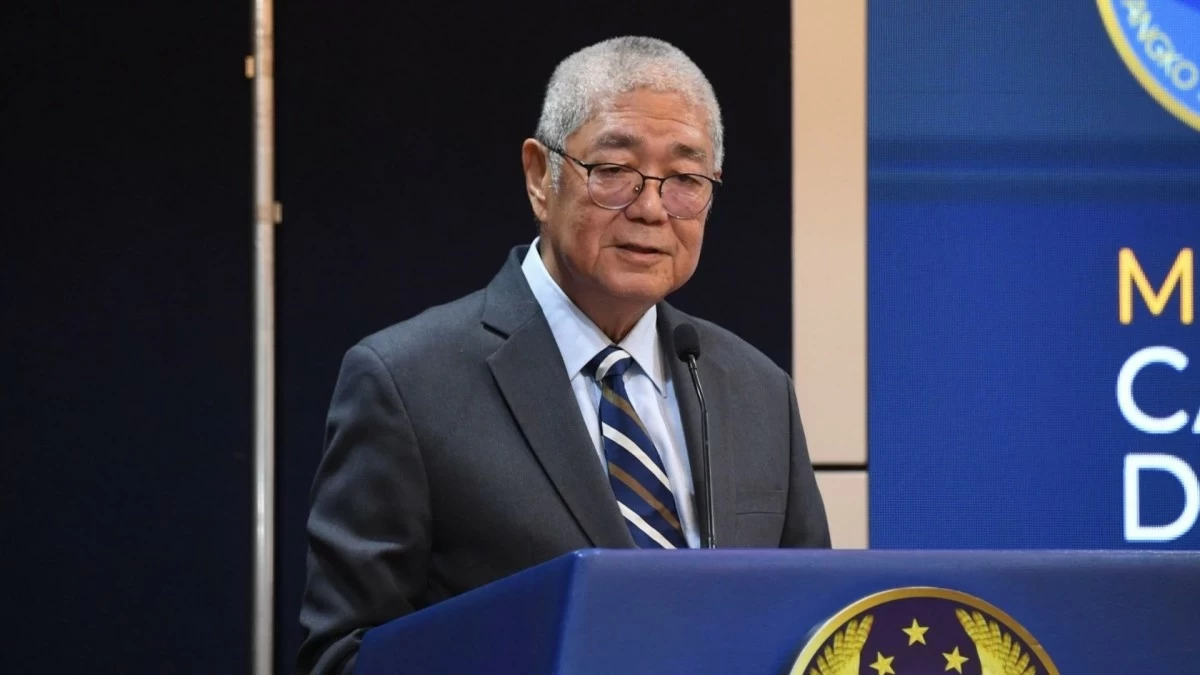
PANGLAO, BOHOL — To fully maximize the digital payment system, the Bangko Sentral ng Pilipinas (BSP) has maintained that the implementation of zero fees for interbank fund transfers will push through.
During the BSP’s first Central Banking Symposium (CBS), Governor Eli M. Remolona Jr. said the central bank wants “the lowest possible fees” when clients transact electronically or digitally, a move that could encourage a surge in digital payment participation.
“There is what we call network externalities,” Remolona told a press briefing on Monday, Nov. 24. “If you have a phone and you’re the only one with the phone, the phone is completely useless. If someone else has the phone, you can call that someone else. That value is maximized when everybody has a phone. It’s the same thing with digital payments.”
“When everybody is a participant in the payment system, then it maximizes the value of the whole system—and the way to maximize that is to minimize the cost of entry to that system. That is what we’re trying to do,” Remolona said.
It can be recalled that the BSP issued a draft circular in 2024 proposing to eliminate fees for person-to-person electronic money transfers as well as payments made to micro, small, and medium enterprises (MSMEs).
BSP Deputy Governor Mamerto E. Tangonan earlier said banks requested a two-year transition period to adjust to the proposed removal of interbank transfer fees. This move still requires approval from the Monetary Board (MB).
Meanwhile, concerns surrounding the ₱500,000 cash withdrawal cap disrupting cash transactions—and, consequently, local output—were tackled in the Senate.
Sought for his position on the matter, BSP Deputy Governor Zeno Ronald R. Abenoja said the central bank’s latest banking regulation was implemented late in the third quarter. Abenoja oversees the central bank’s monetary and economics sector (MES).
Speaking to reporters on the sidelines of the symposium, he explained that the stricter requirement was still being implemented before the worse-than-expected third-quarter growth figure came out. As such, he said it might have zero impact on output expansion during the July-to-September period.
According to Abenoja, BSP Deputy Governor Lyn I. Javier, who oversees the central bank’s financial supervision sector (FSS), is reviewing feedback from Philippine banks, noting that some banking clients remain cash-oriented.
He said there was guidance that cash-oriented clients, such as MSMEs, will be treated in ways that will not cause delays in transactions “so there’ll be less disruption.”
Philippine Institute for Development Studies (PIDS) senior research fellow John Paolo Rivera said the enhanced due diligence (EDD) “can affect growth, mainly by creating friction for cash-dependent businesses like small contractors, wholesalers, and market traders.”
“If firms struggle to access working cash quickly, it can delay purchases, payroll, and deliveries, softening short-term activity. It may also weaken confidence if people see it as a sign of tighter liquidity,” Rivera said.
He added that the impact on gross domestic product (GDP) growth “may not be direct.” However, the slowdown in transactions and sentiment “will matter.”