






Manila Bulletin
 Business
The Economy
Despite corruption scandals, Philippines remains attractive to investors, says ARTA chief
Business
The Economy
Despite corruption scandals, Philippines remains attractive to investors, says ARTA chief
Business
The Economy
Despite corruption scandals, Philippines remains attractive to investors, says ARTA chief
Despite corruption scandals, Philippines remains attractive to investors, says ARTA chief
Published Nov 24, 2025 12:00 am
|
Updated Nov 22, 2025 10:02 am


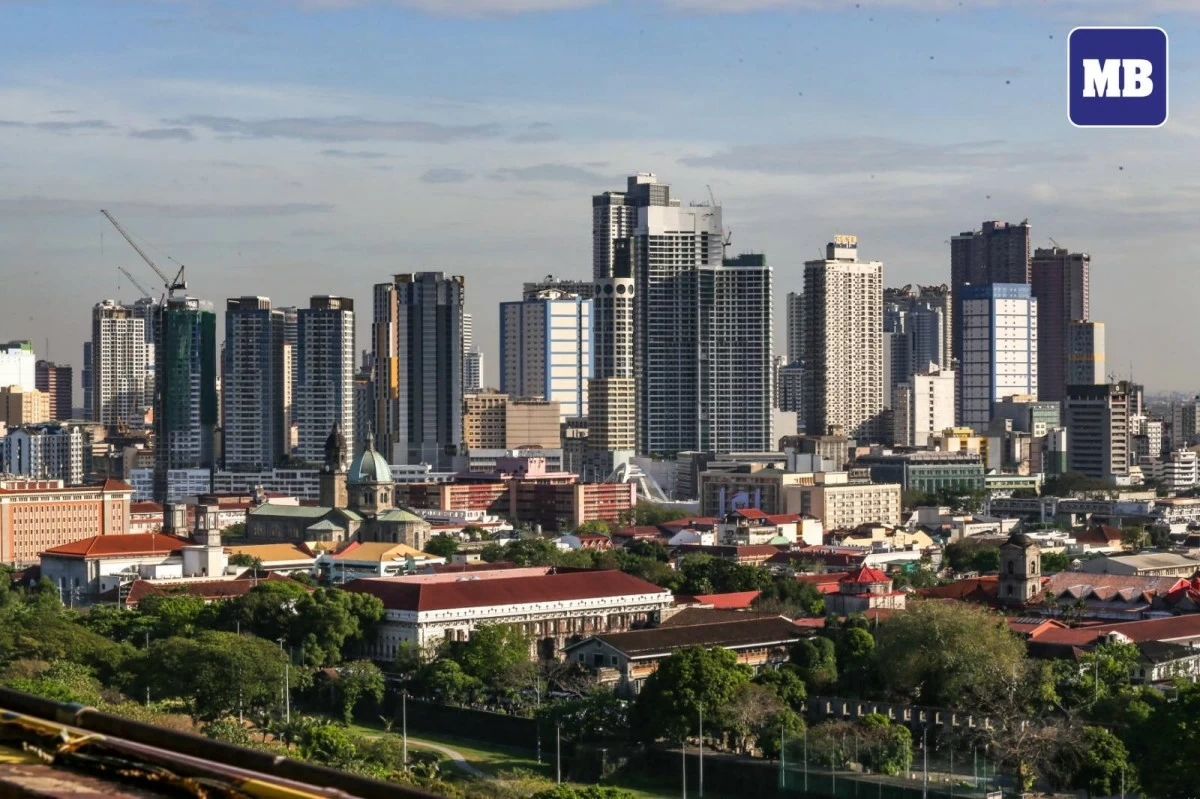
Despite deepening corruption scandals, the Philippines continues to attract foreign investments, supported by the private sector and international partners, the Anti-Red Tape Authority (ARTA) said.
“With a whole-of-government approach and with the strong support of the private sector, the Philippines is becoming more ready for business and poised to attract greater investments,” said ARTA Secretary Ernesto Perez during ARTA’s 2025 year-end media conference on Friday, Nov. 21.
“Even though there are bad news about corruption, about flood control projects, money that have been stolen, we continue to engage with our stakeholders,” he added.
Perez shared that at a Nordic Chamber of Commerce of the Philippines (NordCham) event held this month—which brought together ambassadors and business groups from Finland, Sweden, Denmark, and Norway—the Nordic countries, known for their strong emphasis on integrity and transparency, expressed continued confidence in the Philippines, saying they “remain positive about the Philippines.”
“They continue to engage with us because they have businesses here that have been in existence for years—sometimes a hundred years already,” he added, noting that they plan to expand due to their confidence in the Filipino people.
In terms of investor confidence, Perez said, “We’re still optimistic that as long as we continue to implement the programs and initiatives designed to improve the business readiness environment of the Philippines, investors will continue to trust in us,” noting that increased business activity will positively impact the country’s gross domestic product (GDP).
“I did not feel their lack of trust in the Philippines in terms of investment,” he added.
Perez also emphasized that the Philippines ranks first globally in supplying seafarers and is the world’s fifth-largest shipbuilding nation.
“There is so much potential in this country,” he said. “We are an archipelagic nation composed of more than 7,000 islands and we have the best seafarers, the best welders, the best captains working overseas.”
He added that the Danish Embassy in Manila has shown strong interest in collaborating with the Philippines, recently hosting a second seminar on shipbuilding and ship repair.
Perez noted that Denmark brought experts from European Union (EU) and Organization for Economic Cooperation and Development (OECD) to the Philippines to present a study on the potential for revitalizing the country’s shipbuilding and ship repair industry, highlighting their strong interest in the country.
He added that a representative from the United States (US) Embassy, representing the US Department of Commerce, expressed similar interest not only in the maritime sector but also in semiconductors, transport, and logistics.
Perez highlighted a World Bank (WB) initial finding from its Business Ready (B-READY) Report 2024 released in October last year, which placed the Philippines among the top 40 percent of 50 economies pilot-tested by the multilateral institution.
“In the pilot survey conducted by the WB, we ranked number 16 in the regulatory framework pillar. This means that in terms of laws and regulations, we are number 16 out of those 50 countries, showing real progress in creating clearer and more supportive rules for businesses from startup to closure,” he added.
Perez emphasized that the Philippines performed well in labor conditions, digital trade, and utility services—key factors that drive investor confidence. However, he noted that the report also highlighted shortcomings in implementing programs, laws, and regulations, with the country underperforming in public services and operational efficiency, particularly in business entry, location, and competition.
“The report shows that it is still difficult to build a business here in the Philippines,” he said. “We are not giving up, ARTA is doing something about it to address it not only in the short term, but even in the long term.”
“In response to the President’s designation of ARTA as the focal agency to address the B-READY report being done by the WB, we partnered with all the agencies involved and the private sector, and we have this ease of doing business reform guidebook,” he said.
The reform guidebook, Perez said, launched in May during the ease of doing business month, serves as a roadmap to tackle the challenges identified in the WB’s B-READY Report. He added that full implementation of the reform guidebook is expected to improve the Philippines’ ranking in the next survey period.
(Ricardo M. Austria)