ADVERTISEMENT

Biodiesel body pushes for predictable policy on blends amid price debate

Published Nov 24, 2025 12:00 am  |  Updated Nov 22, 2025 04:39 pm
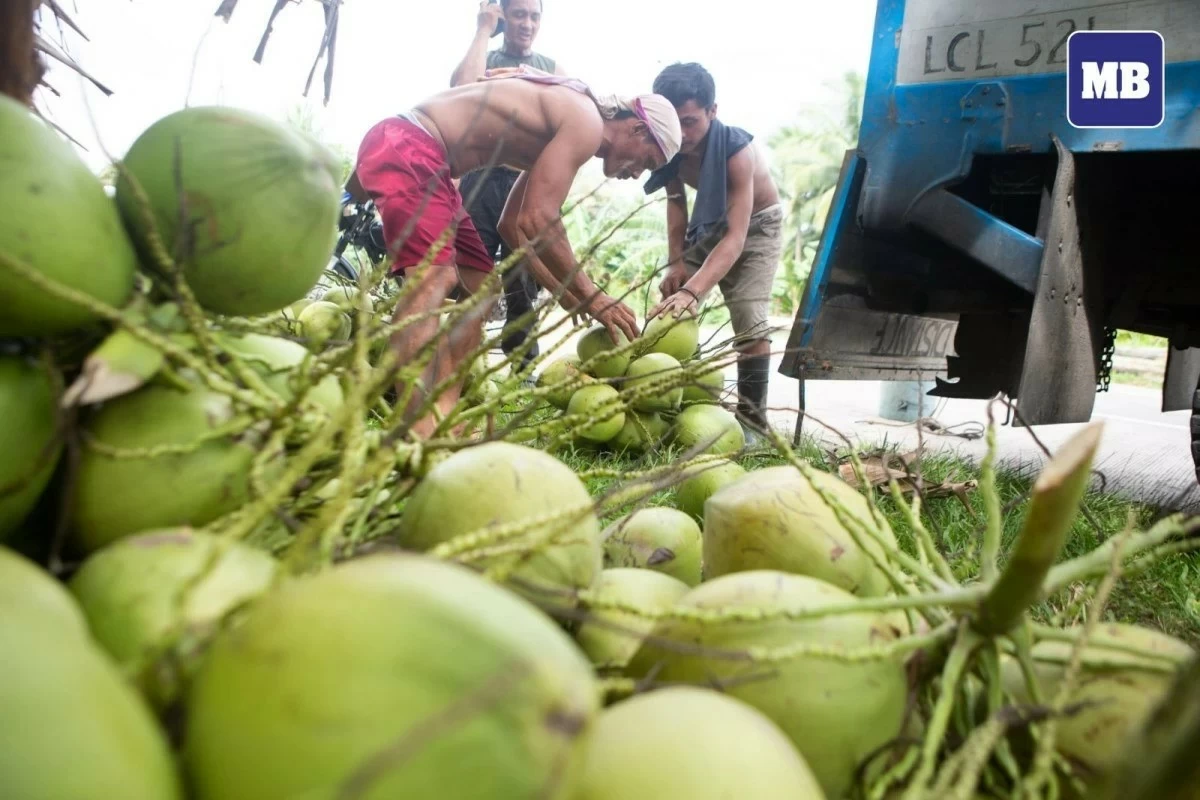
(Manila Bulletin file photo)
The Philippine Biodiesel Association (TPBA) is urging the government to establish predictable blending adjustments, arguing that stable mandate benefits motorists through fuel efficiency savings and provide support for Filipinos in the coconut industry.
In a statement, Ramon Taniola, TPBA executive director, stated that biodiesel offers good value for money and expressed hope that the current blend level would be maintained.
“The DOE (Department of Energy) has done an excellent job ensuring energy security and balancing stakeholder needs,” Taniola said. “Our contribution to the discussion is simply to highlight additional considerations to help ensure that all angles are fully evaluated.”
The TPBA also believes a stable mandate would support House Bill No. 4151, known as the “Murang Langis Act,” which seeks to preserve the blending mandates for bioethanol and biodiesel while mandating consumer protection activities, such as fair pricing.
This bill aligns with the Biofuels Act of 2006 (Republic Act No. 9367), which aims to reduce reliance on imported oil and promote indigenous renewable energy (RE) sources.
The recent fluctuations in global oil prices have intensified the debate, as changes in the mandatory biodiesel blend could significantly impact overall pump prices—a key concern addressed by the “Murang Langis Act.”
The biodiesel group countered the notion that blended diesel is always more expensive, clarifying: “In several periods—particularly during global oil volatility—coco-biodiesel has in fact been at parity or cheaper than pure diesel.”
The current three percent biodiesel blend (B3) adds only ₱0.71 per liter compared with B2, representing less than a two percent increase, according to TPBA data.
The National Biofuels Board (NBB) previously suggested a temporary suspension of the planned implementation of the four percent (B4) and five percent (B5) biodiesel blends as an intervention to stabilize the price of biodiesel and coconut feedstock. These increases were originally scheduled for Oct. 1, 2025 (B4) and Oct. 1, 2026 (B5).
Looking ahead, the group elaborated on the potential of a higher blend: “A future B5 (five percent blend) may add roughly another three percent— yet delivers six to 10 percent improved fuel efficiency as confirmed by studies of the DOE and the University of the Philippines - National Center for Transportation Studies (UP-NCTS).”
This mileage improvement, they argued, “translates into ₱17 billion to ₱32.6 billion in annual consumer savings, allowing motorists to come out ahead even with slight nominal changes at the pump.”
TPBA also cited the mandate’s critical role for farmers, noting that 25 million Filipinos rely on the coconut industry for their livelihoods.
“The biodiesel mandate has become one of the most stable domestic markets supporting farmers amid global commodity uncertainty,” the statement said.
The association stressed that any changes to the mandate must factor in how stability in the blend affects replanting, modernization, and long-term productivity of the coconut industry.
While TPBA supports the DOE’s commitment to initiatives ensuring cleaner air, it urged a careful evaluation of the proposed suspension mechanism to fully understand its effects.
Meanwhile, Department of Agriculture (DA) Secretary Francisco Tiu-Laurel Jr. last week assured reporters that coconut output remains strong and continuous.
“The production of coconut is actually very good... The issue is that the price of coconut is rising because of the issue of palm oil in Malaysia,” he said.
Tiu-Laurel confirmed that there are still no discussions on when the suspension of the biodiesel blend will be lifted, adding, “We just have to increase production of all those coconuts in order to get more out of them to be biofuel.”

Related Tags

The Philippine Biodiesel Association (TPBA)
ADVERTISEMENT
.most-popular .layout-ratio{ padding-bottom: 79.13%; } @media (min-width: 768px) and (max-width: 1024px) { .widget-title { font-size: 15px !important; } }

{{ articles_filter_1561_widget.title }}

.most-popular .layout-ratio{ padding-bottom: 79.13%; } @media (min-width: 768px) and (max-width: 1024px) { .widget-title { font-size: 15px !important; } }

{{ articles_filter_1562_widget.title }}

.most-popular .layout-ratio{ padding-bottom: 79.13%; } @media (min-width: 768px) and (max-width: 1024px) { .widget-title { font-size: 15px !important; } }

{{ articles_filter_1563_widget.title }}

{{ articles_filter_1564_widget.title }}

.mb-article-details { position: relative; } .mb-article-details .article-body-preview, .mb-article-details .article-body-summary{ font-size: 17px; line-height: 30px; font-family: "Libre Caslon Text", serif; color: #000; } .mb-article-details .article-body-preview iframe , .mb-article-details .article-body-summary iframe{ width: 100%; margin: auto; } .read-more-background { background: linear-gradient(180deg, color(display-p3 1.000 1.000 1.000 / 0) 13.75%, color(display-p3 1.000 1.000 1.000 / 0.8) 30.79%, color(display-p3 1.000 1.000 1.000) 72.5%); position: absolute; height: 200px; width: 100%; bottom: 0; display: flex; justify-content: center; align-items: center; padding: 0; } .read-more-background a{ color: #000; } .read-more-btn { padding: 17px 45px; font-family: Inter; font-weight: 700; font-size: 18px; line-height: 16px; text-align: center; vertical-align: middle; border: 1px solid black; background-color: white; } .hidden { display: none; }
function initializeAllSwipers() { // Get all hidden inputs with cms_article_id document.querySelectorAll('[id^="cms_article_id_"]').forEach(function (input) { const cmsArticleId = input.value; const articleSelector = '#article-' + cmsArticleId + ' .body_images'; const swiperElement = document.querySelector(articleSelector); if (swiperElement && !swiperElement.classList.contains('swiper-initialized')) { new Swiper(articleSelector, { loop: true, pagination: false, navigation: { nextEl: '#article-' + cmsArticleId + ' .swiper-button-next', prevEl: '#article-' + cmsArticleId + ' .swiper-button-prev', }, }); } }); } setTimeout(initializeAllSwipers, 3000); const intersectionObserver = new IntersectionObserver( (entries) => { entries.forEach((entry) => { if (entry.isIntersecting) { const newUrl = entry.target.getAttribute("data-url"); if (newUrl) { history.pushState(null, null, newUrl); let article = entry.target; // Extract metadata const author = article.querySelector('.author-section').textContent.replace('By', '').trim(); const section = article.querySelector('.section-info ').textContent.replace(' ', ' '); const title = article.querySelector('.article-title h1').textContent; // Parse URL for Chartbeat path format const parsedUrl = new URL(newUrl, window.location.origin); const cleanUrl = parsedUrl.host + parsedUrl.pathname; // Update Chartbeat configuration if (typeof window._sf_async_config !== 'undefined') { window._sf_async_config.path = cleanUrl; window._sf_async_config.sections = section; window._sf_async_config.authors = author; } // Track virtual page view with Chartbeat if (typeof pSUPERFLY !== 'undefined' && typeof pSUPERFLY.virtualPage === 'function') { try { pSUPERFLY.virtualPage({ path: cleanUrl, title: title, sections: section, authors: author }); } catch (error) { console.error('ping error', error); } } // Optional: Update document title if (title && title !== document.title) { document.title = title; } } } }); }, { threshold: 0.1 } ); function showArticleBody(button) { const article = button.closest("article"); const summary = article.querySelector(".article-body-summary"); const body = article.querySelector(".article-body-preview"); const readMoreSection = article.querySelector(".read-more-background"); // Hide summary and read-more section summary.style.display = "none"; readMoreSection.style.display = "none"; // Show the full article body body.classList.remove("hidden"); } document.addEventListener("DOMContentLoaded", () => { let loadCount = 0; // Track how many times articles are loaded const offset = [1, 2, 3, 4, 5, 6, 7, 8, 9, 10]; // Offset values const currentUrl = window.location.pathname.substring(1); let isLoading = false; // Prevent multiple calls if (!currentUrl) { console.log("Current URL is invalid."); return; } const sentinel = document.getElementById("load-more-sentinel"); if (!sentinel) { console.log("Sentinel element not found."); return; } function isSentinelVisible() { const rect = sentinel.getBoundingClientRect(); return ( rect.top < window.innerHeight && rect.bottom >= 0 ); } function onScroll() { if (isLoading) return; if (isSentinelVisible()) { if (loadCount >= offset.length) { console.log("Maximum load attempts reached."); window.removeEventListener("scroll", onScroll); return; } isLoading = true; const currentOffset = offset[loadCount]; window.loadMoreItems().then(() => { let article = document.querySelector('#widget_1690 > div:nth-last-of-type(2) article'); intersectionObserver.observe(article) loadCount++; }).catch(error => { console.error("Error loading more items:", error); }).finally(() => { isLoading = false; }); } } window.addEventListener("scroll", onScroll); });

Sign up by email to receive news.