







DOH continues to call for total vape ban in Philippines
By Jel Santos
Published Nov 23, 2025 02:26 pm


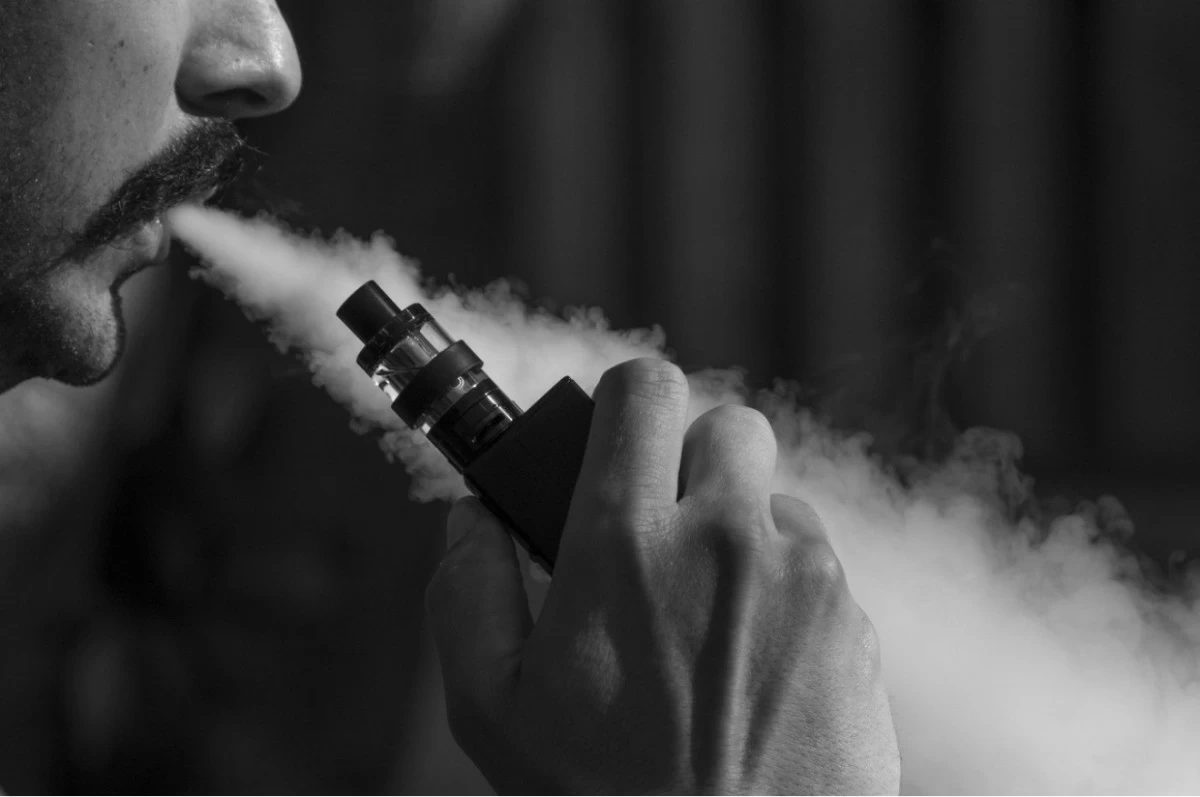
(PHOTO: PIXABAY)
As the deceitful marketing of vape products continues to imperil the youth, the Department of Health (DOH) has called for a total ban on vape products in the country.
Health Secretary Ted Herbosa, in radio interview on Saturday, Nov. 22, expressed alarm over the rampant use of vapes among minors despite existing regulations that limit access to adults aged 18 and above.
“Eighteen years old and above ang pwedeng mag-vape pero umikot ka at tingnan mo ang mga bata—naka highschool uniform—may vape implement sa mga leeg nila at makikita mong nag-va-vape (Only those 18 and above are allowed to vape, but if you look around you’ll see minors—in high school uniforms—with vape devices hanging from their necks and actively vaping),” Herbosa said.
“Kailangan either striktuhan natin ’yung batas na pinasa natin, o baka mas madali mag-total ban na lang tayo para wala na mabili itong mga kabataan (We either need to strictly enforce the law we passed, or it may be easier to pursue a total ban so that young people cannot buy these products at all).”
He said the vape industry’s aggressive marketing strategies clearly target young people through flavors, colors, and cartoon-themed designs.
“At nakita mo tuluyan ang advertising ng ating vape industry, may flavored, may cartoons, so totally ang mina-market nila sa ating mga kabataan kasi kapag nalulong ka sa vape hindi ka na makakaalis diyan (You can see the advertising of the vape industry—there are flavored and cartoon-themed products. They are obviously marketing to the youth because once you get addicted to vaping, you can’t get out of it),” he said.
The DOH chief noted that vapes were initially promoted as a harm-reduction alternative for smokers, but have evolved into products that may pose even greater health risks.
“Noong una, prinomote ang vape as a way to get away from cigarette, para mahinto mo ’yung addiction sa cigarette—ma-de-decrease mo ’yung nicotine content pero napalitan nila ng ibang produkto, na apparently, mas masama pa (At first, vape was promoted as a way to move away from cigarettes—to help end cigarette addiction by reducing nicotine content. But it has been replaced by another product that is apparently even worse),” he said.
He also criticized the narrative claiming that vaping is less harmful than smoking.
“Up to today, mina-market na vaping is less harmful than cigarette smoking—less harmful, edi harmful (Until today, vaping is still marketed as less harmful than cigarette smoking—less harmful still means harmful),” he said.
In March, medical experts urged candidates in the 2025 midterm elections to make health taxes a key part of their platforms, stressing that higher levies on cigarettes, vapes, and alcoholic beverages could help reduce consumption and safeguard public health.
During a press briefing, doctors and health advocates warned of a growing “youth epidemic” driven by tobacco use, vaping, and alcohol consumption.