






Manila Bulletin
 Embassies at Work
Oman ushers in a new chapter, celebrating its Glorious National Day
Embassies at Work
Oman ushers in a new chapter, celebrating its Glorious National Day
Embassies at Work
Oman ushers in a new chapter, celebrating its Glorious National Day
Oman ushers in a new chapter, celebrating its Glorious National Day
Published Nov 22, 2025 03:43 pm


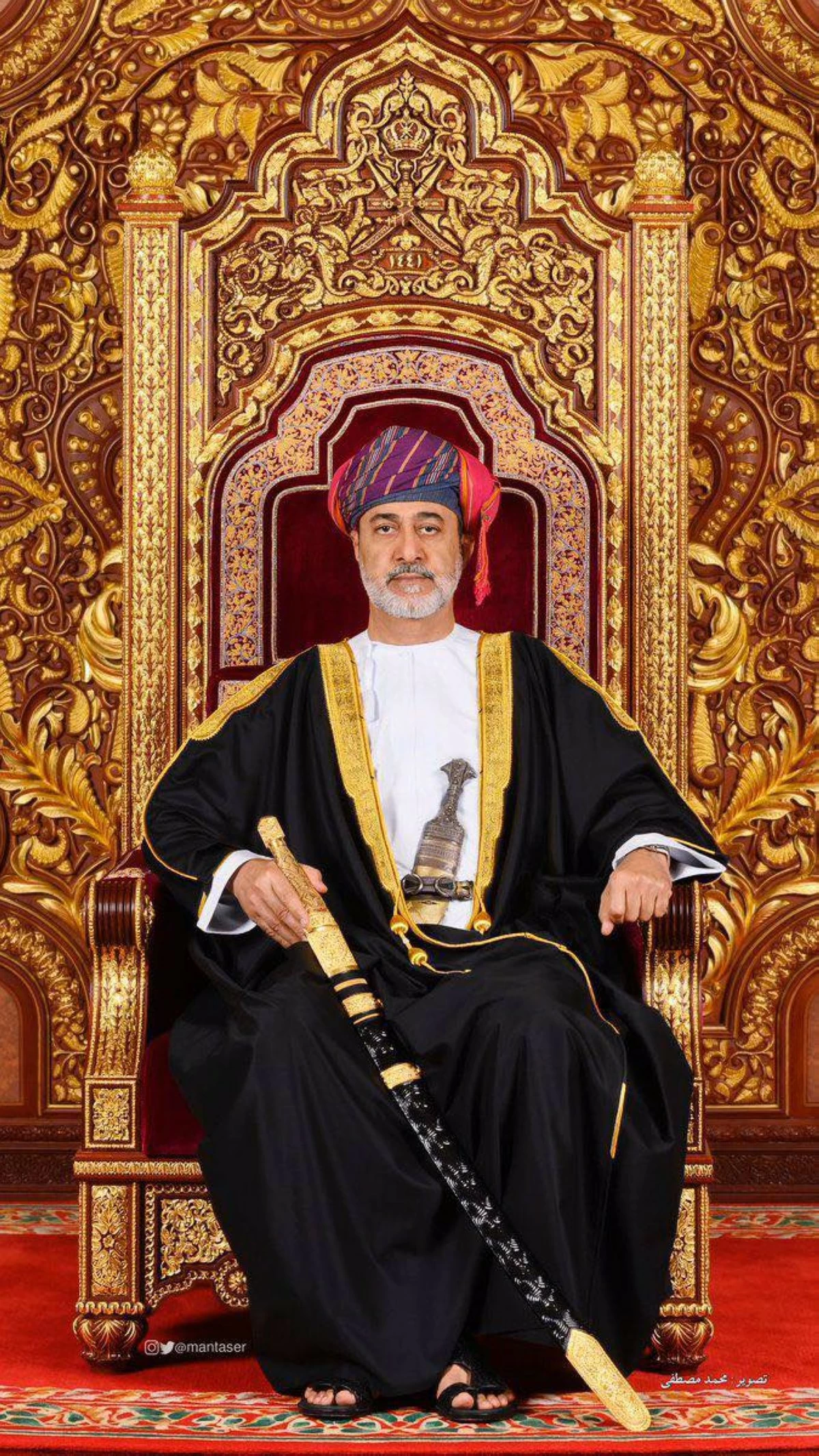
The Sultanate of Oman will mark its Glorious National Day this Thursday, commemorating the Al Busaidi State Foundation Day on November 20 each year. This historic occasion embodies the patriotic spirit of the Omani people as they advance with renewed determination to build their homeland under the leadership of His Majesty Sultan Haitham bin Tarik.
The profound pride of His Majesty in his people reflects the deep unity between the leader and his loyal citizens. This national cohesion remains a cornerstone of the achievements realized during the era of the Renewed Renaissance. Throughout history, Omanis have stood united as an impregnable fortress, guided by enlightened faith.
Education, higher learning, scientific research, and innovation continue to be at the forefront of national priorities, aligned with Oman Vision 2040. During his visit to Sultan Faisal bin Turki School for Boys in the Wilayat of Al Amerat, His Majesty emphasized the importance of equipping students with modern technological knowledge and integrating it into educational processes, setting a model for future schools.
The total number of educators has reached 66,379 across 1,303 schools.
Government schools employ 11,183 administrative and technical staff (4,420 males and 6,763 females).
Special education schools include 241 teachers and 46 administrators.
In 2025, 16 new school buildings were inaugurated across nine educational directorates, including four in Muscat, three in North Al Batinah, two in South Al Batinah, two in Dhofar, and one each in A’Dakhiliyah, South A’Sharqiyah, North A’Sharqiyah, A’Dhahirah, and Al Wusta.
These schools were constructed to the highest standards of safety and security.
Oman’s education sector continues to demonstrate positive growth in academic and research infrastructure. The QS World University Rankings 2026 features five Omani institutions, with Sultan Qaboos University (SQU) advancing 28 places to secure 334th globally.
The Sultanate is also making systematic efforts to strengthen scientific research and innovation. This commitment has yielded tangible results, with Oman rising 10 positions in the Global Innovation Index over four years, moving from 84th to 74th place.
The Sultanate of Oman has achieved notable progress in innovation outputs, rising 23 positions in global rankings from 109th to 86th place.
Academic and industrial research, through the Performance-Based Institutional Funding Program, supported approximately 2,228 research projects between 2018 and 2024. In 2024 alone, 475 initiatives received funding worth RO 2.4 million.
The Strategic Research Program, addressing challenges within government entities, has supported 74 projects. In the industrial sector, the EJAAD Program facilitated 61 projects with investments totaling RO 2.5 million.
Oman has established a comprehensive framework of 13 programs dedicated to fostering innovation and building national capabilities. Key initiatives include the National Program for Supporting Innovation Centers in Higher Education Institutions, the Student Graduation Projects Transformation Into Start-ups Program, and the Falling Walls Competition.
The ecosystem is further strengthened by the National Scientific Research Awards, which recognize excellence across multiple sectors and open pathways for Omani innovators to participate in prestigious international forums such as the Geneva International Exhibition of Inventions, the Kuala Lumpur International Invention and Innovation Exhibition, and the Lindau Nobel Laureate Meetings.
The Sultanate is strategically enhancing its scientific publishing infrastructure and raising the standards of peer-reviewed journals. These efforts align with Oman’s transition toward a knowledge-based economy, forming a fundamental pillar in building a knowledge-driven society and strengthening global competitiveness.
Oman continues to advance a comprehensive social care system that empowers all segments of society, including families, the elderly, persons with disabilities, women, children, and civil society organizations.
Key objectives include supporting vulnerable groups through targeted programs, establishing effective social protection mechanisms, strengthening family cohesion and social solidarity, and activating community partnerships and enhancing resource efficiency to deliver high-quality services.
The Social Protection Law has redefined protection to cover all stages of life, from childhood to advanced age, through programs addressing retirement, end-of-service benefits, maternity, disability, direct cash support for limited-income families, and savings schemes. Since its inauguration, the system has reached 63.6% of the target population. New mechanisms, such as the household income support benefit, ensure precise and equitable delivery of aid to those most in need.
Complementing the institutional development framework that mandates robust governance, Oman has initiated the restructuring of its pension funds, an endeavor that paves the way for a new era aligned with both national and international aspirations.
The strategic direction for the 2024–2025 transition phase has been formulated, achieving an implementation rate exceeding 90%. This progress is designed to strengthen internal and developmental capacities by delivering intelligent, proactive services that meet stakeholder needs and enhance satisfaction. The restructuring also ensures comprehensive coverage for societal segments not previously encompassed by the social protection system while improving associated benefits.
Statistics released by the Social Protection Fund at the end of September 2025 highlight 92 active public-sector entities and 29,370 private-sector entities participating; more than 604,000 insured Omani workers; and over 121,000 active pensions disbursed.
These figures underscore the significant progress achieved and affirm the fund’s emergence as a regional exemplar of transparency and institutional efficacy.
In September 2025, His Majesty the Sultan issued directives to establish a new sector at the level of an undersecretary within the Ministry of Social Development, dedicated to overseeing services for persons with disabilities. This was formalized through Royal Decree No. 92/2025 in October 2025, promulgating the Law on the Rights of Persons with Disabilities, which embodies Oman’s commitment to preserving dignity and guaranteeing rights.
In April 2025, His Majesty approved RO 7 million to establish the Autism Spectrum Disorder (ASD) Care and Rehabilitation Centre and to assess the needs of governorates for similar facilities. These initiatives reinforce the rights of persons with autism spectrum disorder and create a supportive environment that enhances their quality of life.
Oman continues to implement specialized rehabilitative and productive programs, including the Child Protection Guide and the National Guide for the Care of Children in Foster Families. Childcare centres and youth homes provide alternative family environments offering comprehensive care spanning living, educational, social, psychological, and health aspects.
By mid-2025, 83 children were enrolled in childcare centres (33 males and 50 females). Seventy-seven youths were enrolled in youth homes.
Meanwhile, the home care program for the elderly served 1,327 beneficiaries, underscoring Oman’s commitment to inclusive healthcare. The Sultanate confers supreme priority upon the health sector, with the noble objective of delivering comprehensive care that embraces prevention, treatment, rehabilitation, and health promotion.
Within Oman Vision 2040, health has been enshrined as a paramount priority, crystallized in the pursuit of “a pioneering health system governed by global standards.” National reports monitoring Vision 2040 indicators revealed significant advancements in 2024 and 2025.
Oman ascended to 55th globally and 6th in MENA in the Legatum Prosperity Index – Health pillar, advancing six ranks since 2019. The inauguration of the National Health Policy provides a definitive roadmap for an integrated and sustainable health system.
Dedicated programs have strengthened maternal and child health and refined specialized services, including the National Screening Program for Non-Communicable Diseases; the Diabetes Care Program; advanced fertility services; oncology and cardiac care; and tuberculosis and respiratory disease control.
In 2024 and early 2025, 10 new health institutions were inaugurated. Facilities were expanded and enhanced for seven hospitals and 21 health institutions. Major projects under construction include the National Virtual Health Centre and nine hospitals.
Oman has secured qualitative triumphs in organ transplantation: successful implantation of an artificial heart; indigenization of transplant services; resumption of corneal transplants at Al Nahdha Hospital; establishment of an eye bank to achieve self-sufficiency within five years. The inaugural phase witnessed increased kidney, liver, and corneal transplants, crowned by the first heart transplant for an Omani citizen. A regulatory statute was promulgated to safeguard the rights of donors and recipients.
Several hospitals have earned global recognition: Al Masarra, Nizwa, and A’Rustaq hospitals accredited for patient safety; Khoula Hospital awarded Baby-Friendly Hospital status by WHO and UNICEF; Royal Hospital achieved Platinum Status from Accreditation Canada International (ACI); the Nuclear Medicine Department at Royal Hospital attained a 92.5% score in the IAEA Quality Assurance Audit, surpassing the global benchmark range of 56.6%–87.9%. Oman has achieved a childhood vaccine coverage rate exceeding 99%, placing it among the world’s leaders in immunization.
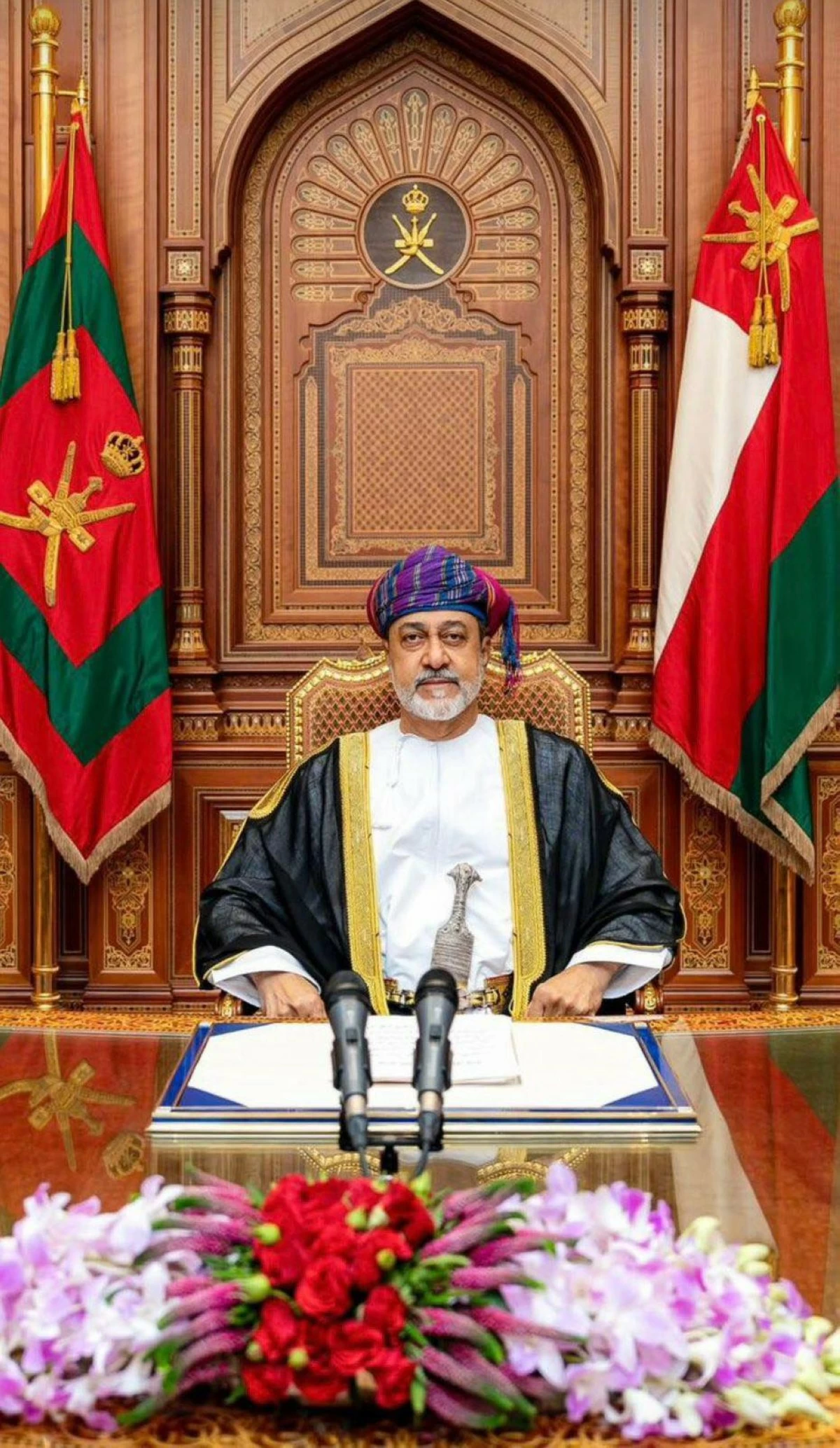
The Council of Oman, comprising the State Council and Shura Council, continues to strengthen integration and unified national action through its legislative mandate, reviewing draft laws, international agreements, and refining legislation to bolster development. The judiciary anchors a progressive justice system, ensuring efficiency, swift adjudication, and streamlined procedures aligned with national development and global transformations. Oman cultivates robust financial and administrative oversight, championing transparency, accountability, and institutional partnership. These principles embed the pillars of sound governance and advance the realization of the Sustainable Development Goals.
In the domain of environmental affairs and sustainability, the Sultanate of Oman has attained a distinguished milestone by leading the list of the least polluted Arab nations in the 2025 Global Pollution Index, ranking 22nd worldwide.
Oman’s receipt of formal accreditation from the Ramsar Convention for designating the Wetland Reserve in Al Wusta Governorate reflects its sustained efforts to conserve biological diversity. Similarly, the inclusion of the Al Jabal Al Akhdar Scenic Nature Reserve and the Al Saleel Natural Park Reserve within the UNESCO World Network of Biosphere Reserves reinforces the synergy between environmental preservation and community development, supporting the aspirations of Oman Vision 2040.
Oman has strengthened its air quality initiatives through a network of 56 monitoring stations across its governorates, observing atmospheric variables to inform environmental and public health policies. It has adopted an integrated approach to protect the marine environment, leveraging its extensive 3,165 km coastal stretch that hosts unique biodiversity.
Aligned with Oman Vision 2040, the Sultanate continues comprehensive initiatives to advance food and water security while expanding investment in these pivotal sectors. By October 2025, 449 agricultural projects were implemented, with an aggregate investment of RO 1.853 billion. The fisheries sector achieved qualitative growth, with total output in 2024 reaching 901,000 tons, a 13.5% growth rate. The value of fisheries production rose to RO 580 million, supported by aquaculture projects whose cumulative investments surpassed RO 1 billion in 2025.
Oman currently maintains 82 dams for groundwater replenishment (capacity: 110.154 million m³), 117 dams for surface storage in mountainous areas (capacity: 1.624 million m³), seven dams for flood risk mitigation, 13 artificial rain stations, 4,173 aflaj (traditional irrigation systems), of which 3,050 remain functional, and 3,480 hydrometric monitoring stations, including 648 remote telemetry units. Together, these measures exemplify Oman’s efficient stewardship of water resources.
The Sultanate places paramount importance on the youth sector, recognizing their responsibility toward Oman’s present and future. It maintains a steadfast belief that youth form the foundation of the nation’s enduring renaissance and its perpetual source of vitality.
From this conviction have emerged diverse programs and initiatives designed to amplify youth engagement and involvement, cultivate creativity and innovation, and provide an enabling environment for leadership and contribution.
This principle was reaffirmed by HH Sayyid Theyazin bin Haitham Al Said, Minister of Culture, Sports and Youth, in his address commemorating Oman Youth Day, observed annually on 26 October.
HH Sayyid Theyazin underscored that Omani youth are fully worthy of confidence across all domains, serving as the standard-bearers of the Sultanate in science, knowledge, arts, technology, athletics, voluntary service, and every sphere of endeavor.
The empowerment of Omani youth has been realized through a distinguished portfolio of programs and projects designed to cultivate their capacities and strengthen their engagement in national development. Among the most eminent initiatives are the Youth Ambassadors Program, preparing youth for diplomatic and international readiness; the Mustaed Camp, equipping participants with future-proof skills; and the Youth Excellence Award, honoring distinguished ventures.
Further exemplars include the Thank You, Our Youth Project, highlighting inspirational young role models; the Isnad Project, fortifying voluntary service; the Youth Initiatives Incubator, transforming ideas into impactful enterprises; the Youth Initiatives Forum, fostering collaborative partnerships; the Tawasul Award for Short Films, enabling youth to express causes through cinema; and the National Debating Championship, establishing a premier arena for youthful discourse.
The exertions of the Omani media are substantiated by clear indicators reflecting its eminent standing. Oman has been the stage for intensive media activity and a pronounced presence at numerous national and international events, underscoring the sector’s cardinal role in projecting the nation’s resplendent image.
The Omani media advances with purpose, chronicling and broadcasting national accomplishments with impartiality and transparency. By harmonizing efforts with public, private, and civil society organizations, it has evolved into an essential conduit for comprehensive development and a responsible national voice that strengthens public consciousness and consolidates Omani identity.
In 2024, the aggregate of news items, reports, surveys, investigations, dialogues, analyses, translations, studies, and research in Arabic and English surpassed 50,000 pieces across print, audio, visual, and electronic platforms. Radio and television summaries and bulletins totaled 7,000. The Ayn platform emerged as the paramount repository of media content, with 14,161,123 views across live broadcasts, visual, and auditory material. The official media portal recorded 12 million visits, while the Ministry of Information’s social media accounts reached 6,482,680 followers by the end of 2024, an 8 percent increase from the previous year. Electronic portals of newspapers and magazines issued by the ministry amassed 39,950,381 visits.
The Omani media continues to pursue integration through government communication, aiming to elevate societal awareness of national achievements and decisions while providing media support for governmental institutions.
The scope of support and collaboration extended to media entities approximated 1,050 services during 2024.
Television: The General Channel, Oman Live (Mubashir), the Sports Channel, and the Cultural Channel collectively broadcast 8,784 hours of programming. Content was richly varied, spanning news, developmental features, cultural and children’s segments, women’s and youth programs, sports, entertainment, artistic productions, and program presentations.
Radio: The General Radio, Holy Quran Radio, Youth “Shabab” Radio, and English Radio delivered 26,352 hours of programming, diversified across cultural, developmental, children’s, women’s, youth, sports, entertainment, and artistic categories, supplemented by Holy Quran and classical music broadcasts.
Private electronic stations: Live and recorded programs totaled 1,813 broadcasts.
Omani media has magnified the Sultanate’s regional and international stature by showcasing pathways of development and highlighting Oman’s civilizational, cultural, economic, touristic, and investment facets. This was achieved through hosting global media institutions and delegations. In 2024, 1,064 features and 3,887 articles about Oman were published in international media outlets.
The Omani economy demonstrated commendable growth in 2025, reflecting its strategic pursuit of economic diversification, expansion of non-oil revenue streams, and strengthening of its productive base. These efforts have supported GDP expansion, attracted investment inflows, and invigorated the private sector.
The Tenth Five-Year Development Plan (2021–2025) delivered favorable results, reinforcing confidence in Oman’s trajectory toward balanced development.
Public debt declined to RO 14.1 billion by Q2 2025, compared to RO 14.4 billion in Q2 2024. Public revenues reached RO 5.839 billion by Q2 2025, while expenditure totaled RO 6.098 billion, a 5 percent increase over the same period in 2024, largely due to higher developmental outlays. The trade balance recorded a surplus of RO 3.555 billion by July 2025, compared to RO 5.432 billion in July 2024 (a decline of 34.6 percent). Non-oil commodity exports grew 11.3 percent, reaching RO 3.890 billion by July 2025, up from RO 3.497 billion in 2024. GDP at current prices rose 0.6 percent in Q2 2025, attaining RO 10.171 billion, compared to RO 10.109 billion in Q2 2024.
Standard & Poor’s affirmed Oman’s investment-grade credit rating at BBB- with a stable outlook, citing fiscal discipline and resilience against oil price volatility. The agency projected real GDP growth to accelerate from 1.7 percent in 2024 to exceed 2 percent during 2025–2028, driven by non-hydrocarbon sectors. Foreign direct investment reached RO 30.279 billion by Q2 2025, with inflows totaling RO 3.434 billion. Investment in special economic zones, free zones, and industrial cities doubled over five years, rising from RO 14.12 billion to RO 22 billion by mid-2025. Workforce in these zones expanded to 80,000 employees, of whom 39 percent are Omani nationals.
During the first half of 2025, 138 new investment contracts were signed with a total value of RO 1.049 billion, with the industrial sector accounting for 97 percent of the added investment volume. The economic zones and free zones are expected to attract qualitative projects in sectors such as mining, metal industries, and green hydrogen, particularly in the Special Economic Zone at Duqm, which stands as a promising hub for such ventures.
New investment commitments exceeded RO 1.053 billion in the first half of 2025. Sohar Free Zone led with RO 711.4 million in new investments. Industrial cities ranked second with RO 175.2 million. Salalah Free Zone followed with RO 131.8 million. These zones are distinguished by competitive advantages and incentives, including tax and customs exemptions, 100 percent foreign ownership, integrated one-stop-shop services, and advanced electronic facilities such as digital land plot selection.
The Sultanate has maintained a stable inflation rate, reflecting resilience and sustained growth under the Tenth Five-Year Development Plan and Oman Vision 2040. Average inflation rate (Q1–Q3 2025): 0.80 percent; projected inflation rate (2025): 0.9 percent (IMF estimate); real GDP growth (H1 2025): 2.3 percent year-on-year; projected GDP growth: 2.9 percent in 2025, accelerating to 3.7 percent in 2026, driven by non-oil sectors and easing oil production constraints.
Oman Investment Authority continues to forge strong partnerships with the private sector and attract strategic international alliances. Assets surpassed RO 20 billion. Profits: RO 1.585 billion. Contribution to state budget: RO 800 million. Ranked eighth globally in five-year investment return rate among sovereign wealth funds (Global SWF report).
OIA’s investments are strategically allocated across three portfolios: the National Development Portfolio, the Generations Portfolio, and Future Fund Oman.
Geographic distribution: 61.3 percent in Oman; 19.9 percent in North America; remaining allocations across Europe, Asia, Africa, and Latin America.
Additionally, OIA completed 14 national projects worth more than RO 450 million, distributed across Oman’s governorates. These projects are expected to generate 1,350 new jobs in key sectors such as food security, manufacturing, and water resources.
The Sultanate of Oman’s political and diplomatic engagements affirm its steadfast foreign policy, built upon enduring bonds of amity with nations and peoples, mutual respect and shared interests, noninterference in internal affairs, and adherence to international covenants, treaties, and law. Oman champions dialogue and tolerance as guiding principles for resolving challenges, fostering cooperation, and cultivating harmony among states.
His Majesty the Sultan has undertaken a series of visits to several Arab and foreign countries, aimed at fortifying the foundations of friendship, reinforcing bilateral relations, and giving tangible expression to the continuity of cooperation and close diplomatic partnerships. These visits sought to enhance collaboration across diverse sectors and developmental opportunities, serving mutual interests and aspirations. A key focus has been capitalizing on signed agreements and translating them into concrete, executable programs that advance the nation’s developmental objectives.
The itineraries included the Republic of Türkiye, the Kingdom of Belgium, the Kingdom of the Netherlands, the Russian Federation, the Republic of Belarus, the People’s Democratic Republic of Algeria, and the Kingdom of Spain. His Majesty also met with the King of the United Kingdom of Great Britain and Northern Ireland and head of the Commonwealth, as well as the prime minister of the United Kingdom.
Concurrently, the Sultanate of Oman has been honored by visits from a distinguished assembly of monarchs, heads of state, and senior officials, including the King of Bahrain; the Emir of Kuwait; the Emir of Qatar; the President of the United Arab Emirates; the President of Iran; the Prime Minister of Iraq; the Ruler of Sharjah; the Crown Prince of Dubai; the President of Belarus; the President of Türkiye; and the President of Angola.
In pursuit of global peace and security, Oman hosted pivotal negotiations on 12 April 2025 concerning the Iranian nuclear file between the Islamic Republic of Iran and the United States of America, under its esteemed mediation. The Iranian delegation was led by Dr. Abbas Araghchi, minister of foreign affairs, while the American delegation was headed by Steve Witkoff, U.S. presidential envoy for the Middle East. The diplomatic endeavor comprised five rounds, convened in Muscat and Rome, characterized by a constructive and amicable spirit that contributed to a convergence of viewpoints.
On 6 May 2025, Oman successfully facilitated a truce agreement between the United States of America and the Ansar Allah movement in Yemen. The accord mandated a complete cessation of hostilities, including a commitment to desist from targeting American maritime vessels in the Red Sea and the Bab el-Mandeb Strait, thereby safeguarding freedom of navigation and the uninterrupted flow of international commercial shipping.
Guided by respect for international covenants, the tenets of international law, and its bonds with Arab and foreign nations, Oman has articulated resolute positions on critical issues:
Qatar: Oman condemned Israel’s aggression against Qatari territories, denouncing acts of political assassination and violations of sovereignty as perilous escalations that undermine regional stability.
Palestine: Oman voiced its utmost condemnation of Israeli aggression against the Gaza Strip, calling upon the international community, particularly the UN Security Council, to enact decisive measures to protect civilians, end violations, and uphold international law. It reiterated that justice for the Palestinian people is inseparable from ending the occupation and establishing an independent state with East Jerusalem as its capital, in line with international resolutions and the Arab Peace Initiative.
Iran: Oman condemned Israel’s military strikes against Iranian sovereign installations, affirming that such acts represent grave escalations and blatant breaches of the UN Charter and international law.
Syria: Oman appealed to the international community, especially the Security Council, to ensure the withdrawal of Israeli forces from occupied Syrian territories, halt hostilities, and advance a comprehensive political solution under UN Security Council Resolution 2254. It underscored the necessity of preserving Syria’s sovereignty and territorial integrity throughout a Syrian-led transition.