







Lang Leav on love, grief, and creative life
The best-selling author talks about her newest book, 'Soon It Will Be Sunday'
Published Nov 22, 2025 08:44 am


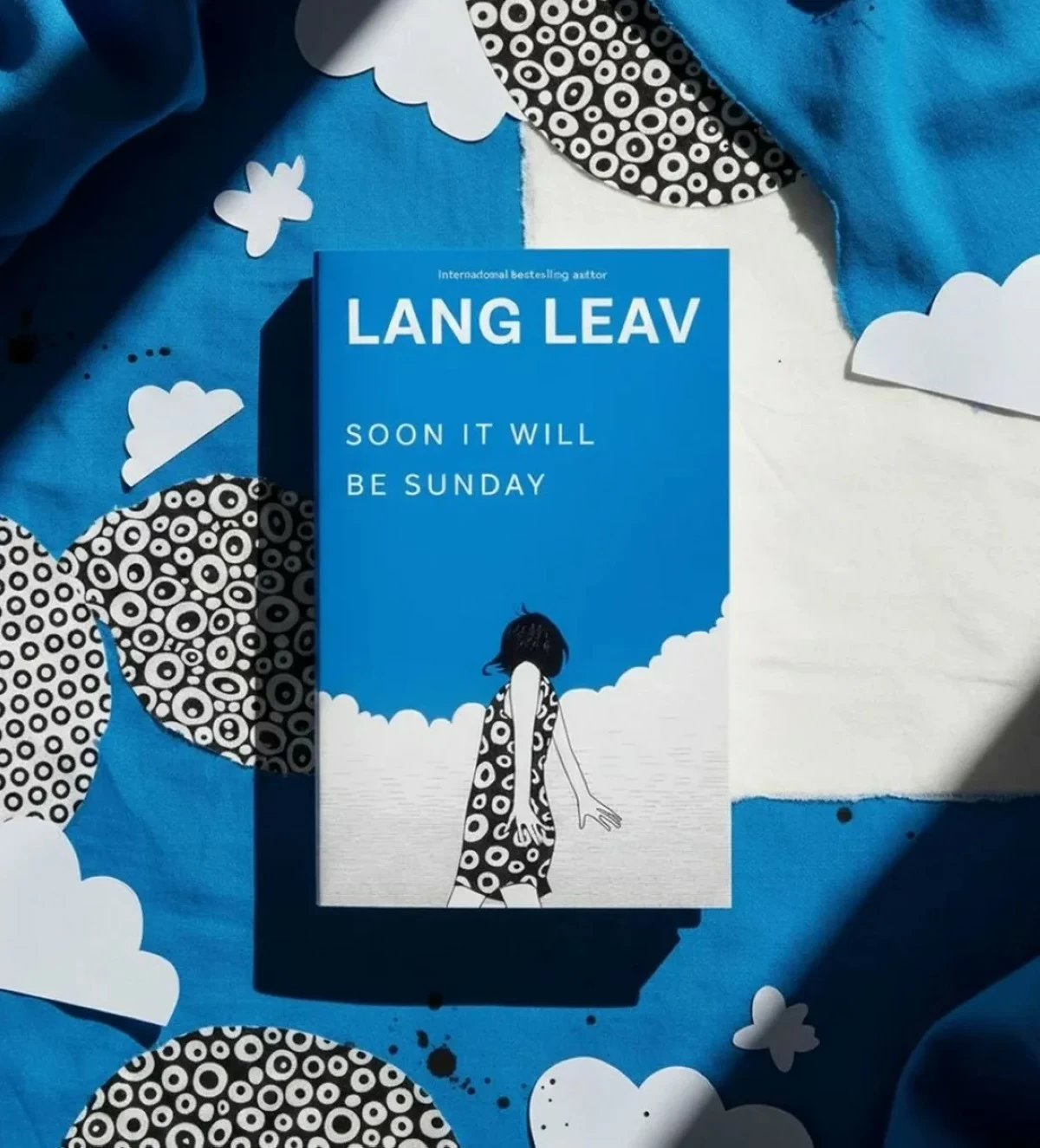
An international best-selling author and one of this generation’s most beloved poets, Lang Leav returns with “Soon It Will Be Sunday”—a deeply personal collection that delves into love, loss, healing, and the quiet resilience found in everyday life.
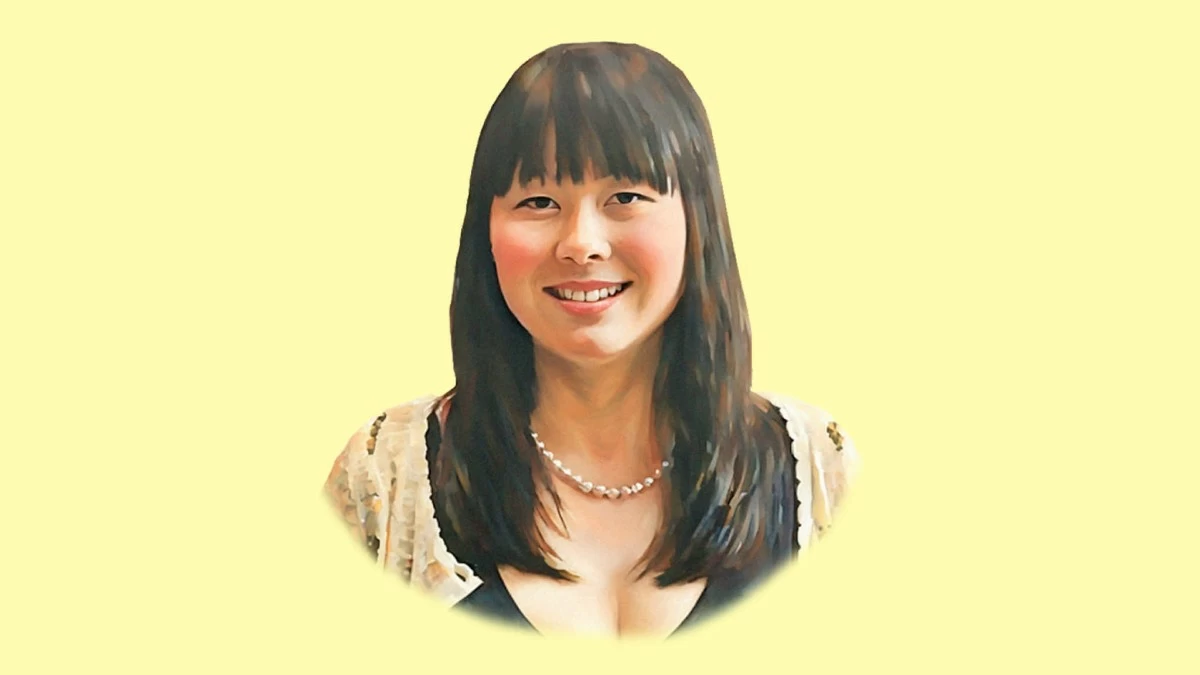
Lang Leav
Renowned for her evocative storytelling and intimate reflections, Lang once again opens a window into her inner world, offering readers tender insights born from both heartbreak and hope. In this new work, she invites us to pause, breathe, and discover poetry in the ordinary moments that shape who we are. In an exclusive conversation with Manila Bulletin Lifestyle, the “Love and Misadventure” author shares the inspiration behind her latest book, her creative rhythm, and glimpses into her daily life.
“Soon It Will Be Sunday” beautifully explores themes of love, loss, and the quiet moments in between. Who or what inspired this collection?
After the loss of our beloved dog, Whiskey, Michael and I spent half a year traveling while our house was being repaired. It was a strange, liminal period. I felt both unmoored and free, suspended between places without the domestic rituals that usually anchored my days. Amid the quiet, with the routine stripped away, I found myself looking back over the past decade of my life. So much had unfolded, and I finally had the stillness to take stock of it all. Those reflections on love, grief, and the gentle spaces in-between began to percolate within me. This book is the result of what poured out.
Compared to your earlier works, this book feels more intimate—almost like a window into your personal life. Was that a conscious decision, and what made you ready to share this side of yourself now?
I think it’s a natural progression for any writer to become increasingly intimate with their work. It’s like any other relationship—the more comfortable you feel, the more of yourself you tend to share. There was no definitive moment when I felt more at ease in sharing personal aspects of my life; it was based purely on instinct and emotion.
You’ve written several books that deeply resonate with readers. What makes “Soon It Will Be Sunday” stand out or feel different for you as its creator?
Every book has its own personality and life force, and this one feels markedly different to me. “Soon It Will Be Sunday” captures a period when I found myself standing at the crossroads—a moment which could have veered in any direction. There’s a quiet undercurrent of anticipation that runs through the collection, underpinned by a sense of foreboding. I was looking back for missteps, reflecting on the choices that shaped me, and hoping I would make better ones moving forward. This book feels like a snapshot of that suspended moment: full of uncertainty and longing.

As an artist and storyteller, how do you think you’ve evolved over the years, both in your writing style and the themes you gravitate toward?
There’s often a tendency to box writers in a single genre, but I’ve been fortunate to have a loyal readership who follow me wherever I go—from pop-poetry and essays to literary fiction. And next July will see the release of my new novel with Harper Perennial, a taunt literary mystery where a young woman’s life spirals out of her control after her best friend publishes a memoir that discusses the tragic events of their childhood. Over the years, I think my evolution has been less about changing who I am as a writer and more about broadening the landscape of what I’m willing to explore. My voice has matured, my instincts have sharpened, and the themes I gravitate toward have become more complex and introspective.
Can you walk us through your creative process? Do you follow a routine when you write, or do you wait for inspiration to strike?
My ideal conditions are simple: morning light, quiet, and a cup of coffee. That’s when I feel the most energized and clear, when the words come easiest. Of course, that’s not always possible, especially when I’m on a deadline or, more recently, with a new puppy in the house. But I think that’s taught me something important: You don’t need perfect circumstances to write. Inspiration is wonderful when it arrives, but so much of the creative process is really about willpower, discipline, and showing up for the work, even when life is messy. Some days are fueled by instinct, others by sheer determination, and both are an integral part of the process.
Many of your readers say your words often arrive at the right time in their lives. How does it feel to know your poetry becomes part of someone else’s healing or journey?
I love the feeling of reaching across the void and touching another soul. I know what it’s like to find solace in someone else’s words, so being on the other side of that, to know my words have arrived at the right moment for someone, is incredibly moving. There’s something almost fated about it, as though certain lines are meant to find someone at a particular point in their lives. It’s a reminder of how powerful language can be, and I never take that connection for granted.
What does a typical day look like for you when you’re not writing?
If I’m not writing, I have to be creating something, even if it’s something as simple as a meal. That creative impulse has always been a part of me. My parents love to remind me that as a child, I constantly had a pair of scissors in my hand, cutting, shaping, making. I think that instinct has stayed with me. Creativity isn’t just something I tap into for my work; it threads through the everyday moments of my life. Whether I’m cooking, crafting, or simply rearranging a room, creativity is my constant companion.
In a world where social media has changed how poetry is consumed, how do you balance writing for art’s sake versus writing for an audience?
It is impossible to predict what will resonate with an audience. For this reason, it’s best not to follow trends. If you want longevity, the best thing to do is write your truth. This is the only way your work will endure.
If you could give one piece of advice to aspiring writers who are afraid to be vulnerable in their work, what would it be?
It’s a terrifying thing to be vulnerable, and something every individual must face on their own. If you want to be a writer, it just comes with the territory. Every writer puts themselves on a page for the world to scrutinize. Every attempt to hide yourself will only reveal a deeper truth. Through our writing, our inner world is put on full display. All our yearnings and insecurities, our greatest hopes and fears. If you want to be a writer, you have no choice but to surrender yourself to this painful visibility.
Lang Leav’s “Soon It Will Be Sunday” is available at the National Book Store.