






Manila Bulletin
 Philippines
National
'A big lie': Philippine Reclamation Authority blasted for claiming reclamation helps ease flooding
Philippines
National
'A big lie': Philippine Reclamation Authority blasted for claiming reclamation helps ease flooding
Philippines
National
'A big lie': Philippine Reclamation Authority blasted for claiming reclamation helps ease flooding
'A big lie': Philippine Reclamation Authority blasted for claiming reclamation helps ease flooding
By Jel Santos
Published Nov 22, 2025 01:54 pm


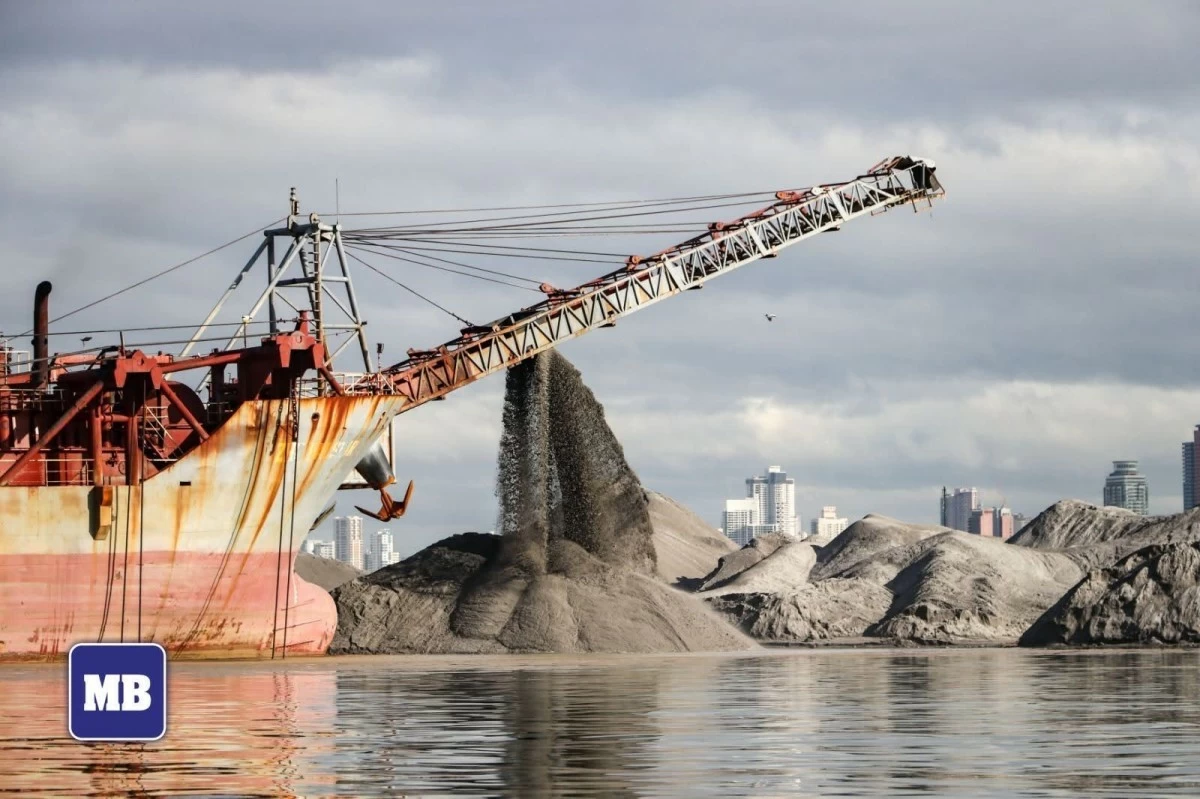
(MB FILE PHOTO)
Progressive fisherfolk group Pambansang Lakas ng Kilusang Mamamalakaya ng Pilipinas (Pamalakaya) slammed the Philippine Reclamation Authority (PRA) after the agency claimed that reclamation projects could serve as flood control measures.
Recently, the PRA claimed that reclamation projects can help ease flooding in the country.
In a statement on Saturday, Nov. 22, the fishers’ group said the statement of PRA runs counter to field evidence and government findings, including the environment department’s own assessment of Manila Bay.
“Malaking kasinungalingan at panlilinlang ang pahayag ng PRA na maaaring magamit bilang flood control ang reklamasyon (A big lie and deception is the PRA’s claim that reclamation can be used as flood control),” Pamalakaya said.
According to the group, even the Department of Environment and Natural Resources (DENR) exposed ongoing works in Laguna de Bay that were presented publicly as a flood control initiative but were in fact reclamation activities.
The group added that fisherfolk and coastal residents have seen the impact of similar projects for years.
“Mismong DENR nga ang naglantad ng nagaganap na reklamasyon sa Lawa ng Laguna na diumano ay isang flood control project
(It was the DENR itself that exposed the reclamation happening in Laguna Lake that was supposedly a flood control project),” said Pamalakaya.The fishers’ group pointed to worsening floods and stronger storm surges in areas around Manila Bay after reclamation advanced in Bacoor City in Cavite and in parts of Bulacan.
“Batay din sa karanasan ng mga mangingisda at residente sa baybayin ng Manila Bay, nagsimulang lumala ang pagbaha at pag-apaw ng tubig ng dagat mula nang inumpisahan ang ilang proyektong reklamasyon tulad sa Bacoor City sa Cavite, at sa lalawigan ng Bulacan
(Based on the experiences of fisherfolk and residents along Manila Bay, floods and sea surges began to worsen when reclamation projects started, such as in Bacoor City in Cavite and in the province of Bulacan),” they noted.
Pamalakaya said PRA’s statements appear aimed at sanitizing reclamation despite scientific red flags already raised by experts and the DENR.
“Walang layunin ang PRA sa pahayag nilang ito kundi higit pang bigyan ng katwiran ang reklamasyon na pinatubayan na ng maraming eksperto, maging ng DENR, na mapanira sa kalikasan at nagdudulot ng malalang pagbaha
(The PRA has no purpose in this statement except to further justify reclamation, which many experts and even the DENR have proven to be destructive to the environment and a cause of severe flooding),” it went on.
In April, the DENR reported that Phase 1 of the Cumulative Impact Assessment (CIA), carried out with support from the Marine Environment and Resources Foundation (MERF), found that reclamation poses serious risks to Manila Bay’s already fragile ecosystem.
“Despite many decades of extreme environmental pressure, Manila Bay is still alive,” said marine oceanographer Charina Lyn Repollo of MERF.
She cautioned that the bay is already at a critical stage. According to Repollo, ongoing reclamation would create environmental pressure comparable to developing almost four central business districts over the next thirty years.
According to the study, the 21 proposed reclamation projects are already affecting water quality, with increased public health risks such as exposure to pathogenic bacteria and toxic heavy metals observed near project sites.
Water circulation is slowing down due to ongoing reclamation, leading to more pollution in the inner areas of the bay, she added.
“Reclamation is threatening fisheries in Manila Bay by causing the loss of fishing grounds, destruction of fish habitats, and worsening water quality that could lead to red tide,” Repollo stated.
Flooding in nearby communities may also get worse as reclamation increases backflow and the height of floodwater, MERF stressed.
“Reclamation will worsen flooding by increasing backflow and flood height,” the oceanographer stated.
“In the lowland areas, reclamation may increase both coastal and inland flooding. This is because reclamation impedes the flow of water into Manila Bay.”
In 2023, international ocean conservation organization Oceana called on the DENR to halt all Manila Bay reclamation projects. It raised concerns on reclamation projects’ “potential negative long-term and irreversible impacts to the environment, the resilience to natural hazards of Manila and nearby areas, and to commerce.”