ADVERTISEMENT

Network that trafficked stolen antiquities across Europe dismantled with 35 arrests

Published Nov 21, 2025 10:10 am
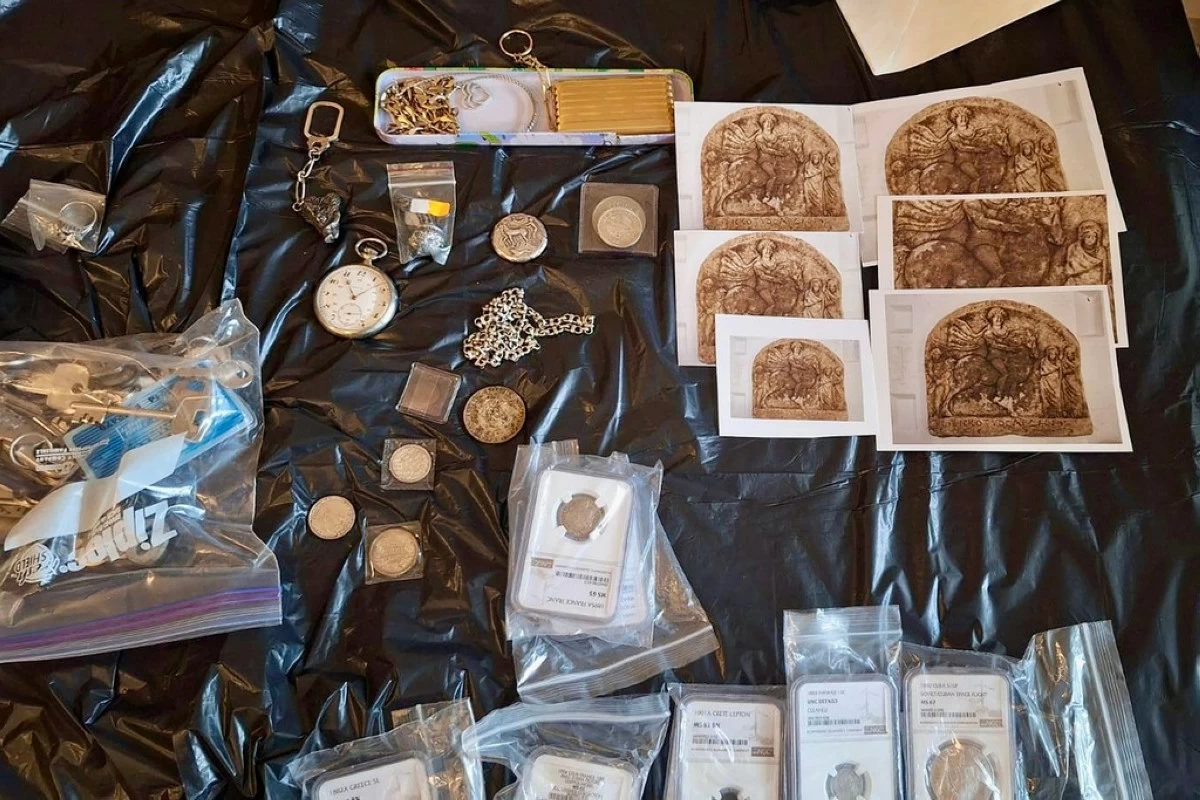
This image released on Thursday, Nov. 20, 2025 shows antique artefacts as law enforcement agencies working across several countries dismantled a sophisticated criminal network trafficking stolen cultural goods across Europe, Bulgarian authorities said. (AP Photo via Bulgarian Interior Ministry)
SOFIA, Bulgaria (AP) — Law enforcement agencies working across several countries dismantled a sophisticated criminal network trafficking stolen cultural goods across Europe, Bulgarian authorities said Thursday.
A coordinated operation spanning seven countries working with Eurojust and Europol led to the arrest of 35 suspects linked to a smuggling ring that was attempting to sell thousands of ancient artifacts stolen from museums across Europe. Around 20 people face charges of antiquities trafficking and money laundering, Bulgarian Prosecutor Angel Kanev told a news briefing.
Kanev said the criminal group has been operating in Western Europe, the Balkans, the United States and other countries for over 16 years. The money laundering investigation has so far identified over $1 billion in illicit funds.
On Wednesday, judicial and law enforcement authorities from Albania, Bulgaria, France, Germany, Greece, Italy, and the United Kingdom executed coordinated actions in their respective countries.
According to a Europol news release, the operation included 131 searches of houses, vehicles and bank safes in those countries. More than 3,000 artifacts were seized, including antique golden and silver coins and other antiquities with an estimated value of over 100 million euros ($116 million). Other seized items included artworks, weapons, documents, electronic equipment, large amounts of cash, and investment gold.
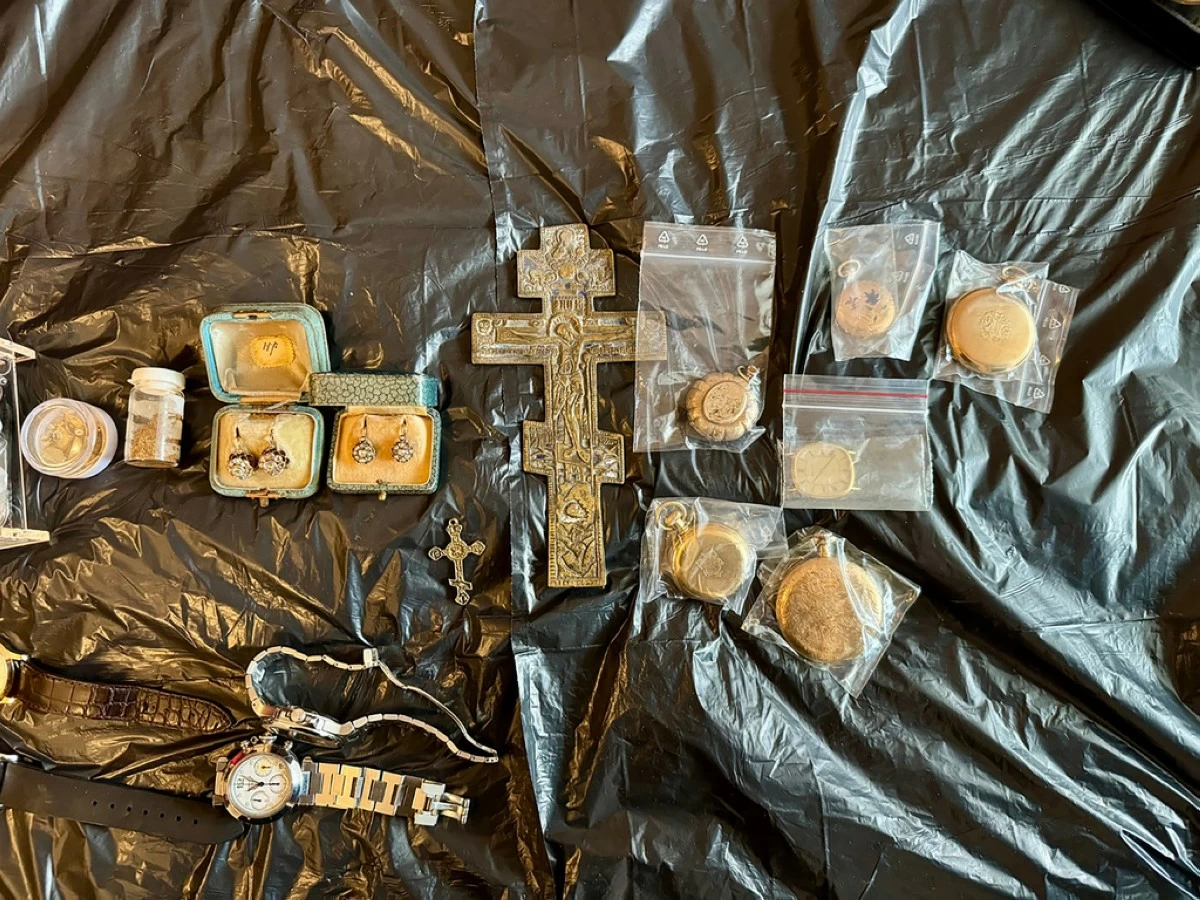
This image released on Thursday, Nov. 20, 2025 shows antique artefacts as law enforcement agencies working across several countries dismantled a sophisticated criminal network trafficking stolen cultural goods across Europe, Bulgarian authorities said. (AP Photo/Bulgarian Interior Ministry)
Paolo Befera, deputy head of the Italian Carabinieri’s specialized cultural heritage protection directorate, hailed the operation as “the largest of this manner ever conducted," noting that in Italy alone, around 300 historical artifacts were seized from the alleged traffickers.
The Balkan region and Italy — home to invaluable Greek and Roman archaeological treasures — have long attracted criminal networks engaged in looting and theft. Despite strict national laws, such artifacts remain highly sought-after on the international black market.

Related Tags

WORLDNEWS
ADVERTISEMENT
.most-popular .layout-ratio{ padding-bottom: 79.13%; } @media (min-width: 768px) and (max-width: 1024px) { .widget-title { font-size: 15px !important; } }

{{ articles_filter_1561_widget.title }}

.most-popular .layout-ratio{ padding-bottom: 79.13%; } @media (min-width: 768px) and (max-width: 1024px) { .widget-title { font-size: 15px !important; } }

{{ articles_filter_1562_widget.title }}

.most-popular .layout-ratio{ padding-bottom: 79.13%; } @media (min-width: 768px) and (max-width: 1024px) { .widget-title { font-size: 15px !important; } }

{{ articles_filter_1563_widget.title }}

{{ articles_filter_1564_widget.title }}

.mb-article-details { position: relative; } .mb-article-details .article-body-preview, .mb-article-details .article-body-summary{ font-size: 17px; line-height: 30px; font-family: "Libre Caslon Text", serif; color: #000; } .mb-article-details .article-body-preview iframe , .mb-article-details .article-body-summary iframe{ width: 100%; margin: auto; } .read-more-background { background: linear-gradient(180deg, color(display-p3 1.000 1.000 1.000 / 0) 13.75%, color(display-p3 1.000 1.000 1.000 / 0.8) 30.79%, color(display-p3 1.000 1.000 1.000) 72.5%); position: absolute; height: 200px; width: 100%; bottom: 0; display: flex; justify-content: center; align-items: center; padding: 0; } .read-more-background a{ color: #000; } .read-more-btn { padding: 17px 45px; font-family: Inter; font-weight: 700; font-size: 18px; line-height: 16px; text-align: center; vertical-align: middle; border: 1px solid black; background-color: white; } .hidden { display: none; }
function initializeAllSwipers() { // Get all hidden inputs with cms_article_id document.querySelectorAll('[id^="cms_article_id_"]').forEach(function (input) { const cmsArticleId = input.value; const articleSelector = '#article-' + cmsArticleId + ' .body_images'; const swiperElement = document.querySelector(articleSelector); if (swiperElement && !swiperElement.classList.contains('swiper-initialized')) { new Swiper(articleSelector, { loop: true, pagination: false, navigation: { nextEl: '#article-' + cmsArticleId + ' .swiper-button-next', prevEl: '#article-' + cmsArticleId + ' .swiper-button-prev', }, }); } }); } setTimeout(initializeAllSwipers, 3000); const intersectionObserver = new IntersectionObserver( (entries) => { entries.forEach((entry) => { if (entry.isIntersecting) { const newUrl = entry.target.getAttribute("data-url"); if (newUrl) { history.pushState(null, null, newUrl); let article = entry.target; // Extract metadata const author = article.querySelector('.author-section').textContent.replace('By', '').trim(); const section = article.querySelector('.section-info ').textContent.replace(' ', ' '); const title = article.querySelector('.article-title h1').textContent; // Parse URL for Chartbeat path format const parsedUrl = new URL(newUrl, window.location.origin); const cleanUrl = parsedUrl.host + parsedUrl.pathname; // Update Chartbeat configuration if (typeof window._sf_async_config !== 'undefined') { window._sf_async_config.path = cleanUrl; window._sf_async_config.sections = section; window._sf_async_config.authors = author; } // Track virtual page view with Chartbeat if (typeof pSUPERFLY !== 'undefined' && typeof pSUPERFLY.virtualPage === 'function') { try { pSUPERFLY.virtualPage({ path: cleanUrl, title: title, sections: section, authors: author }); } catch (error) { console.error('ping error', error); } } // Optional: Update document title if (title && title !== document.title) { document.title = title; } } } }); }, { threshold: 0.1 } ); function showArticleBody(button) { const article = button.closest("article"); const summary = article.querySelector(".article-body-summary"); const body = article.querySelector(".article-body-preview"); const readMoreSection = article.querySelector(".read-more-background"); // Hide summary and read-more section summary.style.display = "none"; readMoreSection.style.display = "none"; // Show the full article body body.classList.remove("hidden"); } document.addEventListener("DOMContentLoaded", () => { let loadCount = 0; // Track how many times articles are loaded const offset = [1, 2, 3, 4, 5, 6, 7, 8, 9, 10]; // Offset values const currentUrl = window.location.pathname.substring(1); let isLoading = false; // Prevent multiple calls if (!currentUrl) { console.log("Current URL is invalid."); return; } const sentinel = document.getElementById("load-more-sentinel"); if (!sentinel) { console.log("Sentinel element not found."); return; } function isSentinelVisible() { const rect = sentinel.getBoundingClientRect(); return ( rect.top < window.innerHeight && rect.bottom >= 0 ); } function onScroll() { if (isLoading) return; if (isSentinelVisible()) { if (loadCount >= offset.length) { console.log("Maximum load attempts reached."); window.removeEventListener("scroll", onScroll); return; } isLoading = true; const currentOffset = offset[loadCount]; window.loadMoreItems().then(() => { let article = document.querySelector('#widget_1690 > div:nth-last-of-type(2) article'); intersectionObserver.observe(article) loadCount++; }).catch(error => { console.error("Error loading more items:", error); }).finally(() => { isLoading = false; }); } } window.addEventListener("scroll", onScroll); });

Sign up by email to receive news.