ADVERTISEMENT

Epson and ADHD Society of the Philippines partner to advance inclusion and awareness

Published Nov 21, 2025 08:10 am
Epson Philippines Corporation (EPC) reaffirmed its commitment to accessibility and inclusion by supporting the ADHD Society of the Philippines. As part of the partnership, Epson sponsored a business projector, two scanners, and a multifunction printer with inks to help the organization improve its communication materials for advocacy, training, and outreach activities. These tools will strengthen the Society’s efforts to connect with educators, families, and professionals supporting neurodiverse individuals.
The Society has long been at the forefront of advocating for greater understanding and acceptance of people with ADHD. With the help of Epson’s trusted and reliable technology, the organization is better equipped to deliver its campaigns, workshops, and events that promote inclusion and support the neurodiverse community. Through this collaboration, both organizations highlight how shared purpose and practical tools can work together to drive awareness and meaningful change.
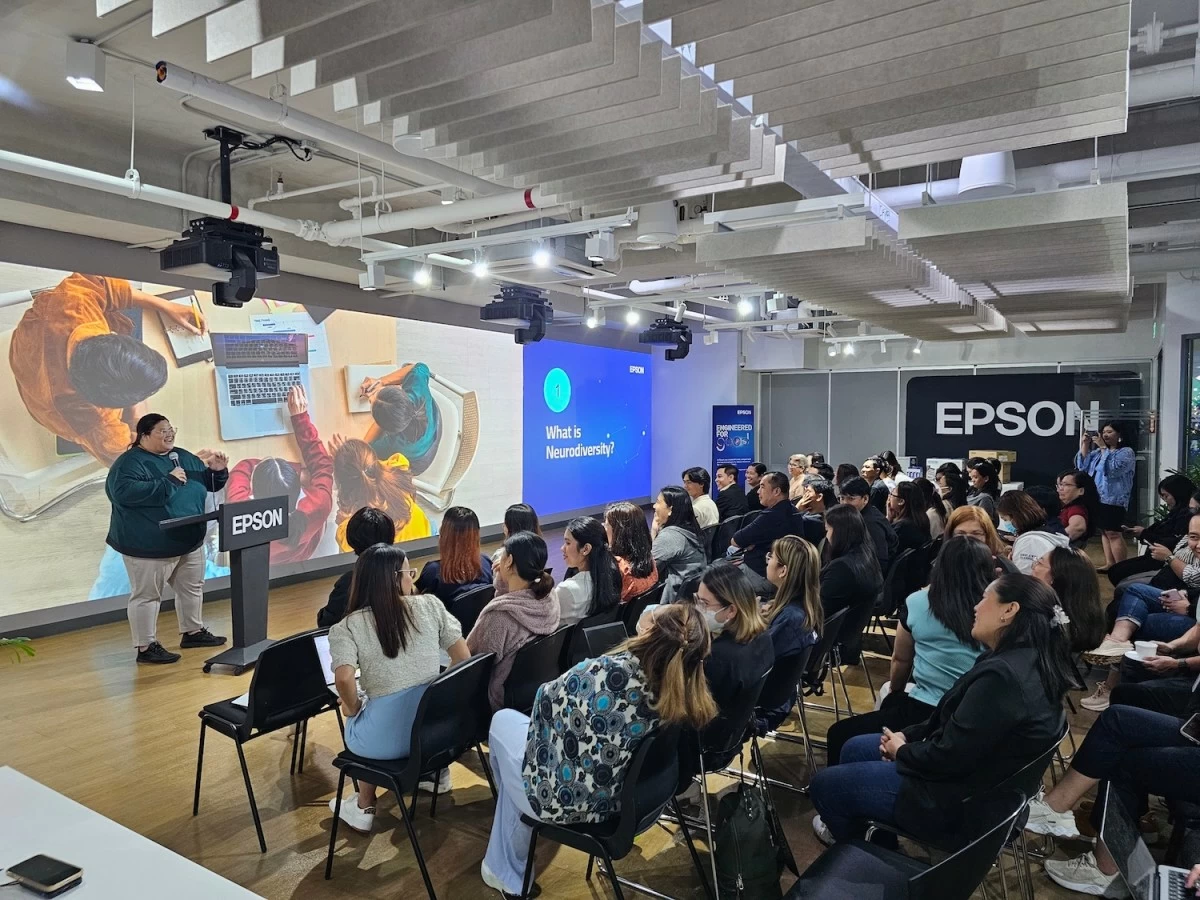
Epson’s partnership with ADHD Society of the Philippines reflects its broader commitment to diversity, equity, and inclusion. As part of its ongoing efforts, Epson previously conducted an internal awareness seminar for employees, featuring invited speakers from Philippine Neurodivergent Self Advocates (PhiNSA) who discussed neurodiversity and ways to foster more inclusive workplaces. By creating opportunities for learning and collaboration, Epson continues to strengthen understanding and empathy within and beyond its organization.
For Epson, supporting the ADHD Society of the Philippines reinforces a legacy of creating technology that enables people from all walks of life to thrive. This initiative is part of Epson’s enduring heritage of innovation with purpose—one that spans decades of developing solutions that not only drive productivity but also foster connection, creativity, and empowerment. By aligning with organizations that champion inclusion, Epson continues to honor its roots in socially responsible innovation, while advancing its vision of technology that serves humanity and supports sustainable progress.
“Epson believes that technology should help break barriers and empower people,” said Masako Kusama, President and Director of Epson Philippines Corporation. “Our support for the ADHD Society of the Philippines reflects our shared goal of building a more inclusive society, one that recognizes and celebrates every individual’s potential.”
“Our work is rooted in helping individuals with ADHD and their families feel understood, supported, and included. Epson’s contribution allows us to strengthen our outreach and engagement, especially in communities where awareness and access to information are most needed. Partnerships like this remind us that inclusion is a collective effort and that when organizations come together with empathy and purpose, real change happens,” said Patis Famador, Board of Trustees Treasurer of the ADHD Society of the Philippines.
Through initiatives like this, Epson continues to use innovation and collaboration to create lasting, positive change in communities. Across the region, the company works with partners and organizations that share its vision of accessibility, empowerment, and sustainable progress for all.
ADVERTISEMENT
.most-popular .layout-ratio{ padding-bottom: 79.13%; } @media (min-width: 768px) and (max-width: 1024px) { .widget-title { font-size: 15px !important; } }

{{ articles_filter_1561_widget.title }}

.most-popular .layout-ratio{ padding-bottom: 79.13%; } @media (min-width: 768px) and (max-width: 1024px) { .widget-title { font-size: 15px !important; } }

{{ articles_filter_1562_widget.title }}

.most-popular .layout-ratio{ padding-bottom: 79.13%; } @media (min-width: 768px) and (max-width: 1024px) { .widget-title { font-size: 15px !important; } }

{{ articles_filter_1563_widget.title }}

{{ articles_filter_1564_widget.title }}

.mb-article-details { position: relative; } .mb-article-details .article-body-preview, .mb-article-details .article-body-summary{ font-size: 17px; line-height: 30px; font-family: "Libre Caslon Text", serif; color: #000; } .mb-article-details .article-body-preview iframe , .mb-article-details .article-body-summary iframe{ width: 100%; margin: auto; } .read-more-background { background: linear-gradient(180deg, color(display-p3 1.000 1.000 1.000 / 0) 13.75%, color(display-p3 1.000 1.000 1.000 / 0.8) 30.79%, color(display-p3 1.000 1.000 1.000) 72.5%); position: absolute; height: 200px; width: 100%; bottom: 0; display: flex; justify-content: center; align-items: center; padding: 0; } .read-more-background a{ color: #000; } .read-more-btn { padding: 17px 45px; font-family: Inter; font-weight: 700; font-size: 18px; line-height: 16px; text-align: center; vertical-align: middle; border: 1px solid black; background-color: white; } .hidden { display: none; }
function initializeAllSwipers() { // Get all hidden inputs with cms_article_id document.querySelectorAll('[id^="cms_article_id_"]').forEach(function (input) { const cmsArticleId = input.value; const articleSelector = '#article-' + cmsArticleId + ' .body_images'; const swiperElement = document.querySelector(articleSelector); if (swiperElement && !swiperElement.classList.contains('swiper-initialized')) { new Swiper(articleSelector, { loop: true, pagination: false, navigation: { nextEl: '#article-' + cmsArticleId + ' .swiper-button-next', prevEl: '#article-' + cmsArticleId + ' .swiper-button-prev', }, }); } }); } setTimeout(initializeAllSwipers, 3000); const intersectionObserver = new IntersectionObserver( (entries) => { entries.forEach((entry) => { if (entry.isIntersecting) { const newUrl = entry.target.getAttribute("data-url"); if (newUrl) { history.pushState(null, null, newUrl); let article = entry.target; // Extract metadata const author = article.querySelector('.author-section').textContent.replace('By', '').trim(); const section = article.querySelector('.section-info ').textContent.replace(' ', ' '); const title = article.querySelector('.article-title h1').textContent; // Parse URL for Chartbeat path format const parsedUrl = new URL(newUrl, window.location.origin); const cleanUrl = parsedUrl.host + parsedUrl.pathname; // Update Chartbeat configuration if (typeof window._sf_async_config !== 'undefined') { window._sf_async_config.path = cleanUrl; window._sf_async_config.sections = section; window._sf_async_config.authors = author; } // Track virtual page view with Chartbeat if (typeof pSUPERFLY !== 'undefined' && typeof pSUPERFLY.virtualPage === 'function') { try { pSUPERFLY.virtualPage({ path: cleanUrl, title: title, sections: section, authors: author }); } catch (error) { console.error('ping error', error); } } // Optional: Update document title if (title && title !== document.title) { document.title = title; } } } }); }, { threshold: 0.1 } ); function showArticleBody(button) { const article = button.closest("article"); const summary = article.querySelector(".article-body-summary"); const body = article.querySelector(".article-body-preview"); const readMoreSection = article.querySelector(".read-more-background"); // Hide summary and read-more section summary.style.display = "none"; readMoreSection.style.display = "none"; // Show the full article body body.classList.remove("hidden"); } document.addEventListener("DOMContentLoaded", () => { let loadCount = 0; // Track how many times articles are loaded const offset = [1, 2, 3, 4, 5, 6, 7, 8, 9, 10]; // Offset values const currentUrl = window.location.pathname.substring(1); let isLoading = false; // Prevent multiple calls if (!currentUrl) { console.log("Current URL is invalid."); return; } const sentinel = document.getElementById("load-more-sentinel"); if (!sentinel) { console.log("Sentinel element not found."); return; } function isSentinelVisible() { const rect = sentinel.getBoundingClientRect(); return ( rect.top < window.innerHeight && rect.bottom >= 0 ); } function onScroll() { if (isLoading) return; if (isSentinelVisible()) { if (loadCount >= offset.length) { console.log("Maximum load attempts reached."); window.removeEventListener("scroll", onScroll); return; } isLoading = true; const currentOffset = offset[loadCount]; window.loadMoreItems().then(() => { let article = document.querySelector('#widget_1690 > div:nth-last-of-type(2) article'); intersectionObserver.observe(article) loadCount++; }).catch(error => { console.error("Error loading more items:", error); }).finally(() => { isLoading = false; }); } } window.addEventListener("scroll", onScroll); });

Sign up by email to receive news.