







Up to P2-M fine against fake news peddlers pushed in House
Published Nov 20, 2025 10:44 am


At A Glance
- Parañaque City 2nd district Rep. Brian Raymund Yamsuan is eyeing the passage of a measure that would impose hefty penalties of up to 12 years in prison and fines of up to P2 million on those found guilty of deliberately spreading fake news.
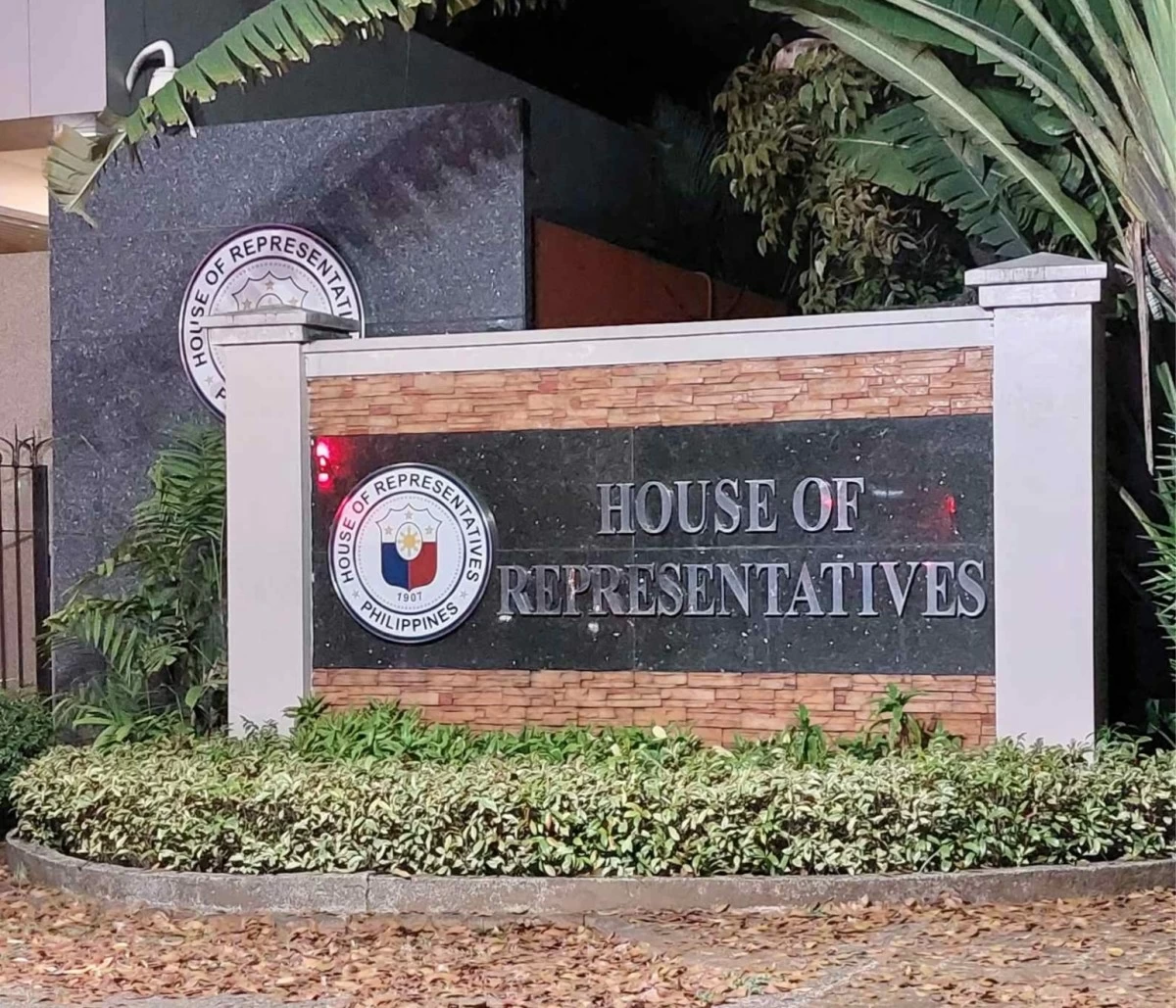
The House of Representatives (Ellson Quismorio/ MANILA BULLETIN)
Parañaque City 2nd district Rep. Brian Raymund Yamsuan is eyeing the passage of a measure that would impose hefty penalties of up to 12 years in prison and fines of up to P2 million on those found guilty of deliberately spreading fake news.
Yamsuan filed for this purpose House Bill (HB) No.5241 which sought the harsh punishment against peddlers of false information on matters of public order and national security in a bid “to protect the Filipino people from deceptive information and ultimately, remind us all that the truth is, and must always be, the foundation of good governance".
Yamsuan sponsored his anti-false information measure---along with HB No.2697--during the hearing of the House Committee on Public Information on Tuesday, Nov. 18. The panel is chaired by Cagayan de Oro 1st District Rep. Lordan Suan.
A technical working group (TWG), in coordination with the House Committee on Information and Communications Technology (ICT), was formed to consolidate these and 10 other measures into a substitute bill.
The TWG was also tasked to finetune the provisions of the substitute bill with the participation of various stakeholders from the government, media, cybersecurity and technology groups, civil society, and social media platforms.
Yamsuan also proposed jail time and hefty fines on creators, operators and financiers of troll farms, bot networks or other organized online campaigns aimed at spreading fake news.
In sponsoring HB Nos. 5241 and 2697, Yamsuan warned that fake news “can be weaponized to manipulate public opinion, incite fear and panic, and endanger our democratic processes".
“This is only one of the many reasons why I am advocating for the passage of this bill. The insightful comments and proposals presented during this hearing demonstrate our shared commitment to fight the growing threat of disinformation,” said Yamsuan, a vice chairperson of the vommittee.
Yamsuan sought the cooperation of the resource persons from the government and the private sector present during the hearing in crafting a “balanced measure” that would effectively penalize fake news dissemination while protecting the constitutionally guaranteed freedoms of speech and expression.
He said the upcoming barangay elections in November next year underscore the urgency for Congress to pass an anti-false information law, owing to the possibility that fake news using artificial intelligence (AI)-generated content and deepfakes could be used to mislead or damage the reputations of certain candidates.
Under HB No.5241, any person found guilty of spreading fake news will face imprisonment of six to 12 years, or a fine ranging from P500,000 to P2 million, or both, depending on the discretion of the court.
The similarly-themed HB No.2697 was authored by by House Majority Leader Ilocos Norte 1st district Rep. Sandro Marcos.
Under Yamsuan’s bill, fake news is defined as “false or misleading information presented as fact or news, deliberately and maliciously disseminated to mislead the public, that may sow confusion, incite hatred or violence, or disrupt public order".
The maximum penalty of 12 years jail time and the P2 million fine shall be imposed if the following aggravating circumstances are present: (a) the offense endangers or undermines national security, public safety, or diplomatic relations; (b) the fake news relates to or interferes with elections, public health emergencies, disaster response, or peace negotiations; and (c) the offender is a public officer, elected official, journalist, or social media influencer with 50,000 or more followers or subscribers, who knowingly leverages their platform to spread disinformation.
Other aggravating circumstances under the bill that warrant the imposition of the maximum penalty are (d) acts committed using automated or coordinated digital systems, including the use of troll farms, bots, or sock puppet networks; and (e) if the fake news is disseminated with the direct or indirect aid of a foreign government, foreign entity, or foreign individual, including financial, logistical, technical, or cyber infrastructure support, with the intent or effect of influencing public opinion, destabilizing institutions, or undermining democratic processes.
Exceptions under the bill are content clearly labeled as satire, parody or editorial content, personal opinions or interpretations that do not claim to state factual assertions; honest mistake made without malicious intent and news reporting or academic discourse made in good faith and with reasonable verification of sources.
The provisions of Republic Act (RA) No.10175 or the Cybercrime Prevention Act shall also apply when the offenses are committed through computer systems or digital networks.
“I have witnessed firsthand during my years of public service, particularly as the media and political affairs officer of the late Senate President Edgardo Angara and as head of Media Relations of the Office of the Press Secretary, how powerful and vital media is. It serves as a bridge between the government and the Filipino people, helping them understand the priorities, programs, and efforts of the administration. And when that bridge stands on honest and unshakeable grounds, our democracy grows stronger,” Yamsuan said.
Yamsuan cited past erroneous reports about South Korea canceling an infrastructure loan to the Philippines and a recent one about a fintech firm supposedly being subjected to a data breach as examples of fake news that could damage foreign relations, tarnish investor confidence and erode public trust in the country’s institutions.