

ADVERTISEMENT

Style meets magic in this 'Wicked'-inspired jewelry collection

Homegrown jewelry brand Penny Pairs joins forces with Universal Studios to tell the story of Elphaba and Glinda through jewelry

Published Nov 20, 2025 10:37 am  |  Updated Dec 5, 2025 10:43 am
It was in 2003 when audiences first saw a different side of Oz through the musical “Wicked.” Its lessons about embracing uniqueness, fighting injustice, and valuing friendship and sisterhood continue to be relevant today. With the arrival of its film adaptation in 2024, “Wicked” gained a new generation of fans who saw their own stories reflected on the big screen through its lead characters, Elphaba and Glinda. Now, with the release of its second installment, “Wicked: For Good,” fans from all over the world are able to bring their experience full circle with its emotional plot and heart-tugging songs.

One of the many fans who had the chance to see “Wicked” on stage was Camille Jimenez-Sandico. She first saw it with her mom and shared that it had left a handprint on her heart.
“I was inspired by the story of Elphaba and how she stuck with who she was. She was not limited by being green or by people saying bad things about her,” Camille says. “She stayed true to herself.”
Now a co-founder of homegrown brand Penny Pairs, Camille rounds out her “Wicked” journey through a collection of jewelry pieces that mirror the beauty of self-expression and friendship, as seen in the lives of the witches of Oz. To bring this vision to life, her brand partnered with Universal Studios to create a 27-piece line that is every bit spellbinding.
The collection captures the signature color story of “Wicked” with a mix of pink, purple, and emerald-green hues—showing that pink and green truly can go hand in hand. Each design strikes the balance Penny Pairs is known for: whimsical yet timeless, expressive yet elegant enough for everyday wear.
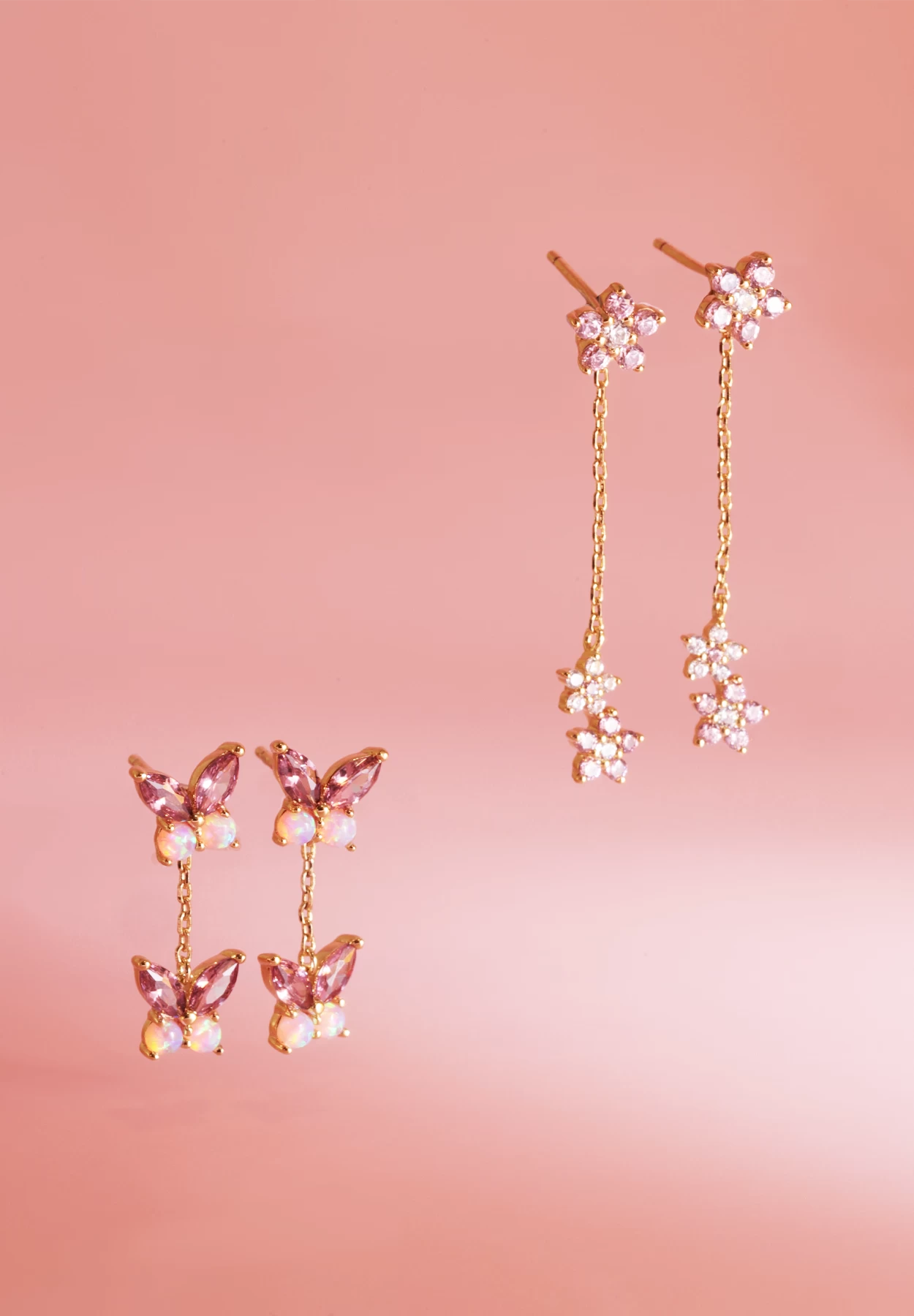
Butterfly gold studs with butterfly gold charm and Glinda gold studs with Glinda gold charm
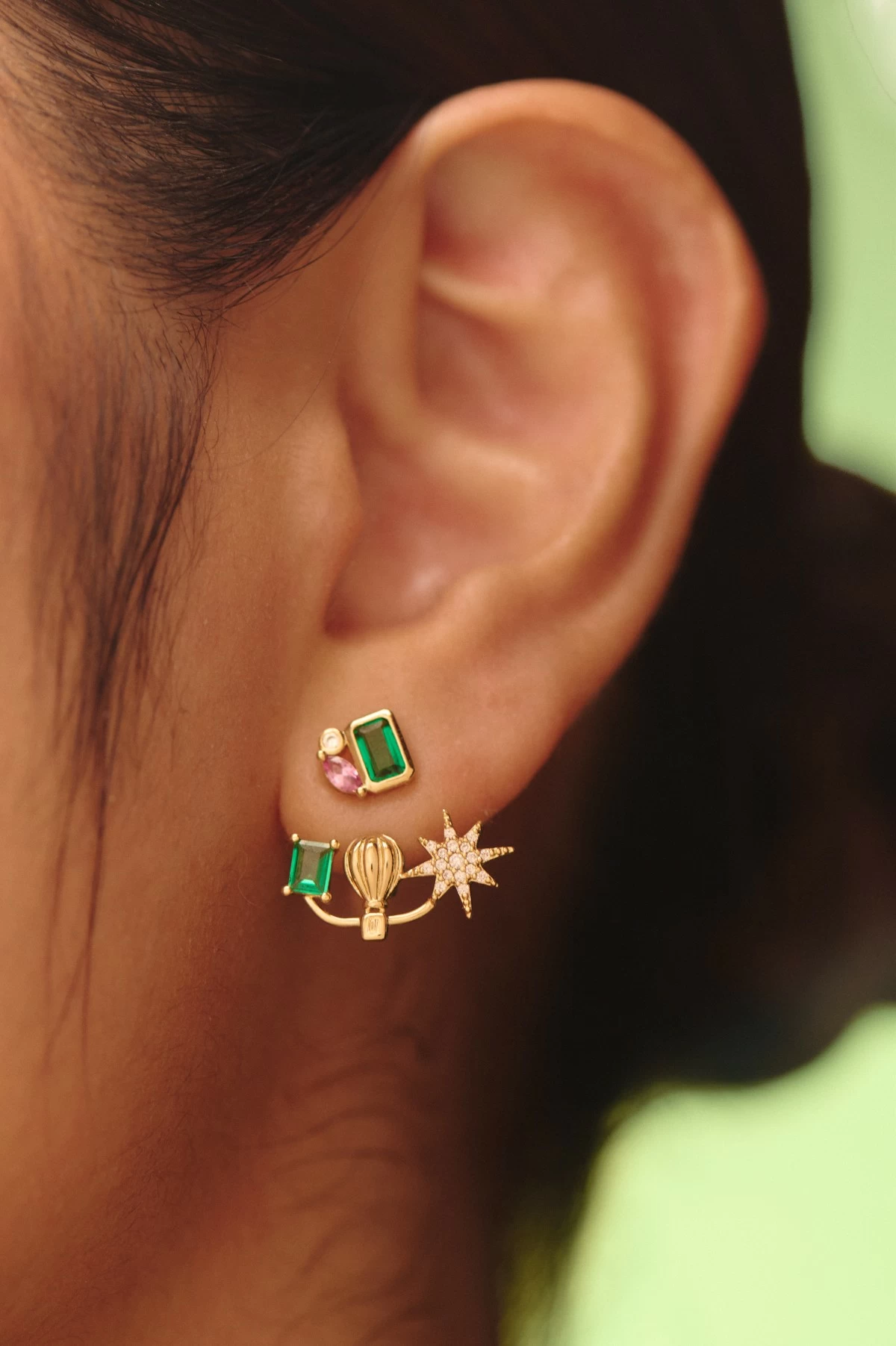
Oz gold studs with Take Flight gold ear jacket
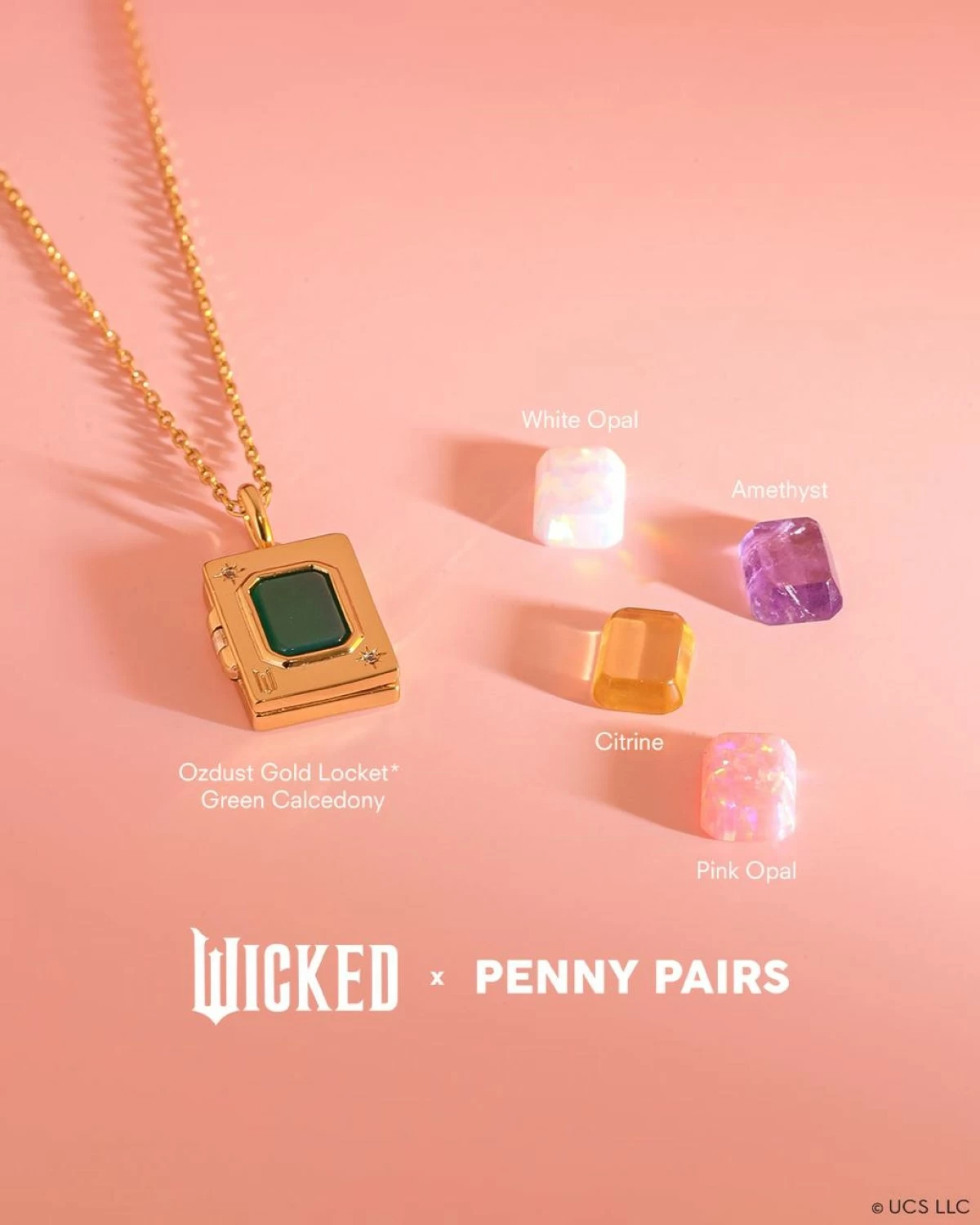
Ozdust locket
Ozdust locket
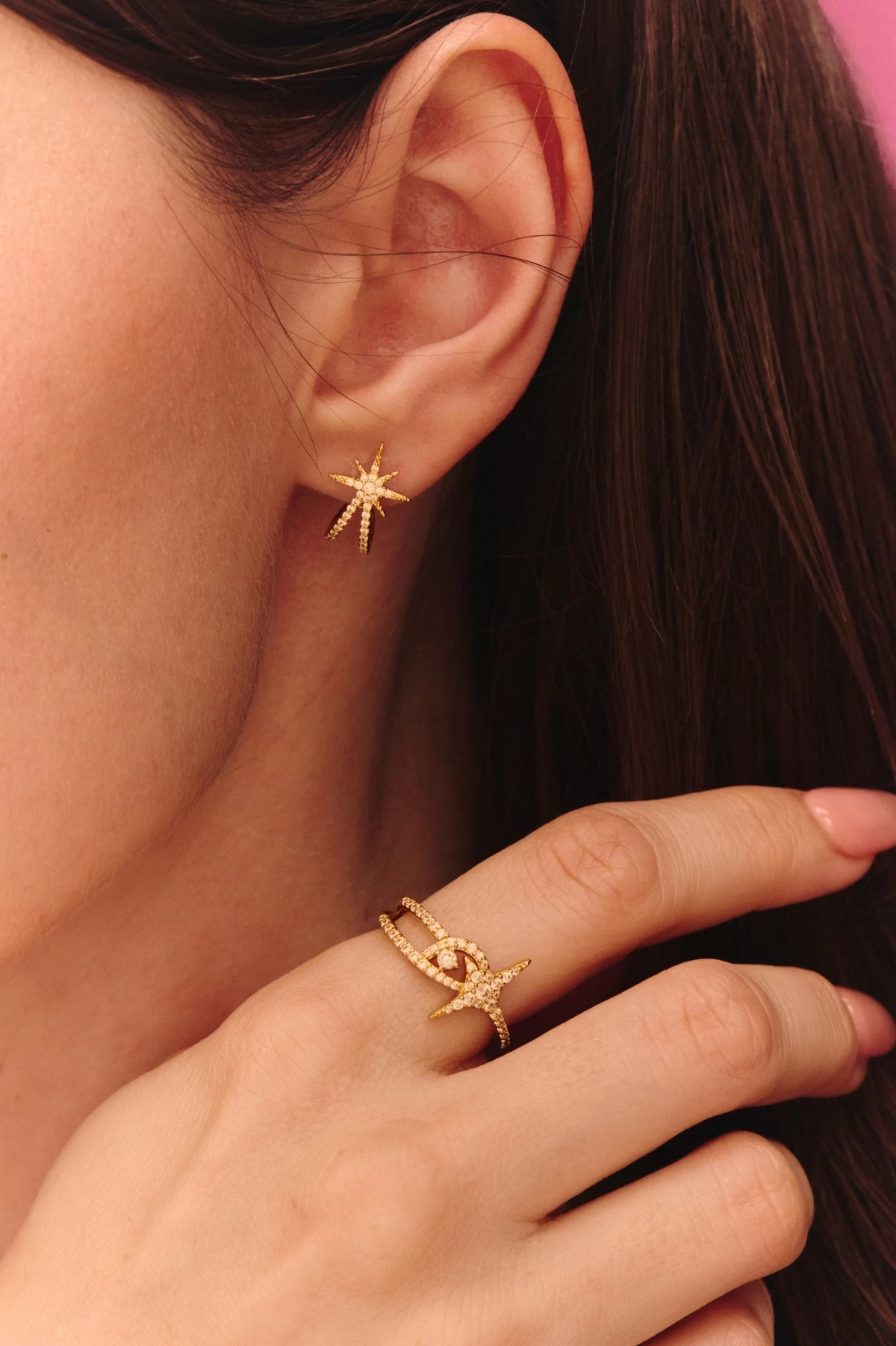
Glinda’s Wand gold huggies and Glimmer gold ring
Reflecting the theme of transformation, the “Wicked x Penny Pair” collection introduces interchangeable and versatile pieces that allow wearers to express their individuality. From ear jackets, charms, and danglers that can dress up your favorite studs, to the Ozdust Gold Locket featuring a gemstone that can be swapped to suit your mood, the collection celebrates jewelry as a form of self-expression and reinvention.
As with all Penny Pairs creations, the collection is made with 10x thicker gold plating, responsibly sourced gems, and hypoallergenic, skin-safe materials—upholding the brand’s commitment to quality, comfort, and conscience.
“One thing we’ve learned from our customers through the years is that jewelry is very special and personal. They are gifts from people who are special to them, or pieces they bought for themselves to mark a milestone,” Camille muses. “With this collection, we hope they can continue to do that—tell their own stories, connect with the people they love, and be reminded that they are not limited in their creativity and in what they can do. We want to make our customers feel confident and see them shine. We are grateful to the team at Universal for trusting us with the opportunity to tell the story of ‘Wicked’ through our jewelry.”
The “Wicked x Penny Pairs” collection is now available online at pennypairs.com and in all Penny Pairs stores nationwide: Glorietta 2, UP Town Center, Eastwood Mall, Alabang Town Center, SM North Edsa, Uptown, and Ayala Malls Manila Bay. For more information, visit @pennypairs on Instagram.

Related Tags

fashion and beauty Penny Pairs Wicked
ADVERTISEMENT
.most-popular .layout-ratio{ padding-bottom: 79.13%; } @media (min-width: 768px) and (max-width: 1024px) { .widget-title { font-size: 15px !important; } }

{{ articles_filter_1561_widget.title }}

.most-popular .layout-ratio{ padding-bottom: 79.13%; } @media (min-width: 768px) and (max-width: 1024px) { .widget-title { font-size: 15px !important; } }

{{ articles_filter_1562_widget.title }}

.most-popular .layout-ratio{ padding-bottom: 79.13%; } @media (min-width: 768px) and (max-width: 1024px) { .widget-title { font-size: 15px !important; } }

{{ articles_filter_1563_widget.title }}

{{ articles_filter_1564_widget.title }}

.mb-article-details { position: relative; } .mb-article-details .article-body-preview, .mb-article-details .article-body-summary{ font-size: 17px; line-height: 30px; font-family: "Libre Caslon Text", serif; color: #000; } .mb-article-details .article-body-preview iframe , .mb-article-details .article-body-summary iframe{ width: 100%; margin: auto; } .read-more-background { background: linear-gradient(180deg, color(display-p3 1.000 1.000 1.000 / 0) 13.75%, color(display-p3 1.000 1.000 1.000 / 0.8) 30.79%, color(display-p3 1.000 1.000 1.000) 72.5%); position: absolute; height: 200px; width: 100%; bottom: 0; display: flex; justify-content: center; align-items: center; padding: 0; } .read-more-background a{ color: #000; } .read-more-btn { padding: 17px 45px; font-family: Inter; font-weight: 700; font-size: 18px; line-height: 16px; text-align: center; vertical-align: middle; border: 1px solid black; background-color: white; } .hidden { display: none; }
function initializeAllSwipers() { // Get all hidden inputs with cms_article_id document.querySelectorAll('[id^="cms_article_id_"]').forEach(function (input) { const cmsArticleId = input.value; const articleSelector = '#article-' + cmsArticleId + ' .body_images'; const swiperElement = document.querySelector(articleSelector); if (swiperElement && !swiperElement.classList.contains('swiper-initialized')) { new Swiper(articleSelector, { loop: true, pagination: false, navigation: { nextEl: '#article-' + cmsArticleId + ' .swiper-button-next', prevEl: '#article-' + cmsArticleId + ' .swiper-button-prev', }, }); } }); } setTimeout(initializeAllSwipers, 3000); const intersectionObserver = new IntersectionObserver( (entries) => { entries.forEach((entry) => { if (entry.isIntersecting) { const newUrl = entry.target.getAttribute("data-url"); if (newUrl) { history.pushState(null, null, newUrl); let article = entry.target; // Extract metadata const author = article.querySelector('.author-section').textContent.replace('By', '').trim(); const section = article.querySelector('.section-info ').textContent.replace(' ', ' '); const title = article.querySelector('.article-title h1').textContent; // Parse URL for Chartbeat path format const parsedUrl = new URL(newUrl, window.location.origin); const cleanUrl = parsedUrl.host + parsedUrl.pathname; // Update Chartbeat configuration if (typeof window._sf_async_config !== 'undefined') { window._sf_async_config.path = cleanUrl; window._sf_async_config.sections = section; window._sf_async_config.authors = author; } // Track virtual page view with Chartbeat if (typeof pSUPERFLY !== 'undefined' && typeof pSUPERFLY.virtualPage === 'function') { try { pSUPERFLY.virtualPage({ path: cleanUrl, title: title, sections: section, authors: author }); } catch (error) { console.error('ping error', error); } } // Optional: Update document title if (title && title !== document.title) { document.title = title; } } } }); }, { threshold: 0.1 } ); function showArticleBody(button) { const article = button.closest("article"); const summary = article.querySelector(".article-body-summary"); const body = article.querySelector(".article-body-preview"); const readMoreSection = article.querySelector(".read-more-background"); // Hide summary and read-more section summary.style.display = "none"; readMoreSection.style.display = "none"; // Show the full article body body.classList.remove("hidden"); } document.addEventListener("DOMContentLoaded", () => { let loadCount = 0; // Track how many times articles are loaded const offset = [1, 2, 3, 4, 5, 6, 7, 8, 9, 10]; // Offset values const currentUrl = window.location.pathname.substring(1); let isLoading = false; // Prevent multiple calls if (!currentUrl) { console.log("Current URL is invalid."); return; } const sentinel = document.getElementById("load-more-sentinel"); if (!sentinel) { console.log("Sentinel element not found."); return; } function isSentinelVisible() { const rect = sentinel.getBoundingClientRect(); return ( rect.top < window.innerHeight && rect.bottom >= 0 ); } function onScroll() { if (isLoading) return; if (isSentinelVisible()) { if (loadCount >= offset.length) { console.log("Maximum load attempts reached."); window.removeEventListener("scroll", onScroll); return; } isLoading = true; const currentOffset = offset[loadCount]; window.loadMoreItems().then(() => { let article = document.querySelector('#widget_1690 > div:nth-last-of-type(2) article'); intersectionObserver.observe(article) loadCount++; }).catch(error => { console.error("Error loading more items:", error); }).finally(() => { isLoading = false; }); } } window.addEventListener("scroll", onScroll); });

Sign up by email to receive news.