






Manila Bulletin
 Philippines
National
Ejercito bats for adequate temporary shelters, mental health care for OFWs
Philippines
National
Ejercito bats for adequate temporary shelters, mental health care for OFWs
Philippines
National
Ejercito bats for adequate temporary shelters, mental health care for OFWs
Ejercito bats for adequate temporary shelters, mental health care for OFWs
By Dhel Nazario
Published Nov 20, 2025 03:54 pm


Senator Joseph Victor "JV" Ejercito has urged the Department of Migrant Workers (DMW) to improve and build more temporary shelters for distressed workers abroad and to expand mental health interventions as the Senate continues its budget deliberations.
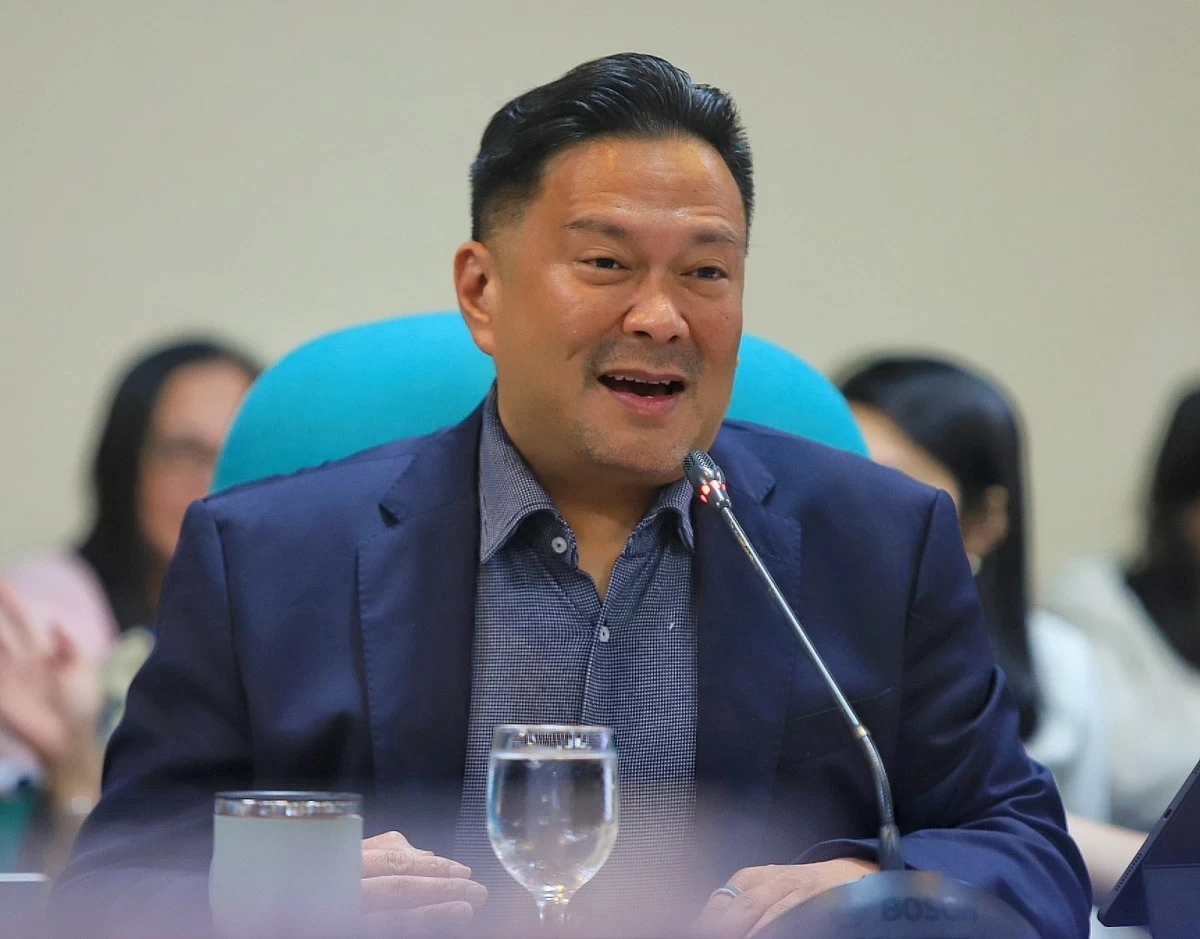
Sen. Joseph Victor “JV” Ejercito. (Senate PRIB photo)
He made this call as he pushed for stronger state protection for overseas Filipino workers (OFWs).
Ejercito said the government must ensure that all temporary shelters maintain humane and dignified standards, especially in areas with high numbers of distressed OFWs.
“Kung kinakailangan tulungan ‘yung iba pang mga areas na hindi kasing ayos na host ay magsabi na po, and then we will support. Nakita ko naman po personally, with my own eyes, na may maaayos naman at magaganda yung mga temporary shelters katulad ng Singapore and Korea. Pero sana ma-level up pa natin ‘yung iba (If other areas that are not as well-prepared as the host need assistance, they should say so, and we will support them. I personally saw with my own eyes that some of the temporary shelters, like those in Singapore and Korea, are well-built and good. But I hope we can level up the others, too),” Ejercito said.
Ejercito, who defended the DMW’s inaugural budget in 2022, asked whether the P870-million allocation for the refurbishment and construction of shelters would adequately meet the needs of OFWs.
He assured that the Senate is prepared to boost funding to ensure safe and improved living conditions across all posts worldwide.
“Dadagdagan natin ang pondo para sa temporary shelters dahil gusto natin siguruhin na maganda ang kanilang kondisyon. Especially sa mga lugar na medyo marami ang bilang ng distressed OFWs So kinakailangan lang po ay magsabi na po, and then we will support whatever your recommendation (We will increase the funding for temporary shelters because we want to ensure that their conditions are good—especially in areas with a high number of distressed OFWs. So they just need to inform us, and we will support whatever your recommendation is),” he said.
Ejercito also underscored the urgent need to strengthen mental health support for OFWs, noting that many continued to face isolation, emotional strain, and psychosocial distress while working abroad.
He welcomed the assurance from the DMW that temporary shelters already offered psychosocial services and that they had psychiatrists, social workers, and trained personnel available to assist OFWs dealing with distress and related issues.
Ejercito, however, urged the DMW to broaden these services to include OFWs who were not staying in government-run temporary shelters.
“Maganda pong marinig na seryoso ang DMW sa pagtugon sa mental health issues ng ating mga OFW. Talagang malaking concern ang mental health ngayon, lalo na sa panahon ng social media. Mas lalo pa para sa mga OFW na vulnerable, nag-iisa, at madalas nakakaramdam ng lungkot (It’s good to hear that the DMW is serious about addressing the mental health issues of our OFWs. Mental health is truly a major concern nowadays, especially in the age of social media. Even more so for OFWs who are vulnerable, alone, and often feeling lonely),” he said.
“Sana lang po, ang hiling natin sa DMW, ay kahit ’yung mga wala sa temporary shelters ay mabigyan din ng access sa mental health interventions (We just hope—and this is our request to the DMW—that even those who are not in temporary shelters will also be given access to mental health interventions),” he added.
Ejercito reiterated that OFWs, who fueled the economy and supported millions of Filipino families, deserved full state protection through safe accommodations, and accessible mental health care that are reflective of their sacrifices abroad.