






Manila Bulletin
 Philippines
National
Dignified homecoming for OFWs: Bryan Revilla renews call for Bagong Balikbayan Act passage
Philippines
National
Dignified homecoming for OFWs: Bryan Revilla renews call for Bagong Balikbayan Act passage
Philippines
National
Dignified homecoming for OFWs: Bryan Revilla renews call for Bagong Balikbayan Act passage
Dignified homecoming for OFWs: Bryan Revilla renews call for Bagong Balikbayan Act passage
Published Nov 20, 2025 11:36 am


At A Glance
- Overseas Filipino workers' (OFWs) journey back home to the Philippines should not be the beginning of new hardships, but the beginning of new hope.bWith this, AGIMAT Party-list Rep. Bryan Revilla, chairman of the Committee on Overseas Workers Affairs has reiterated the need to expedite the passage of the proposed Bagong Balikbayan Act.
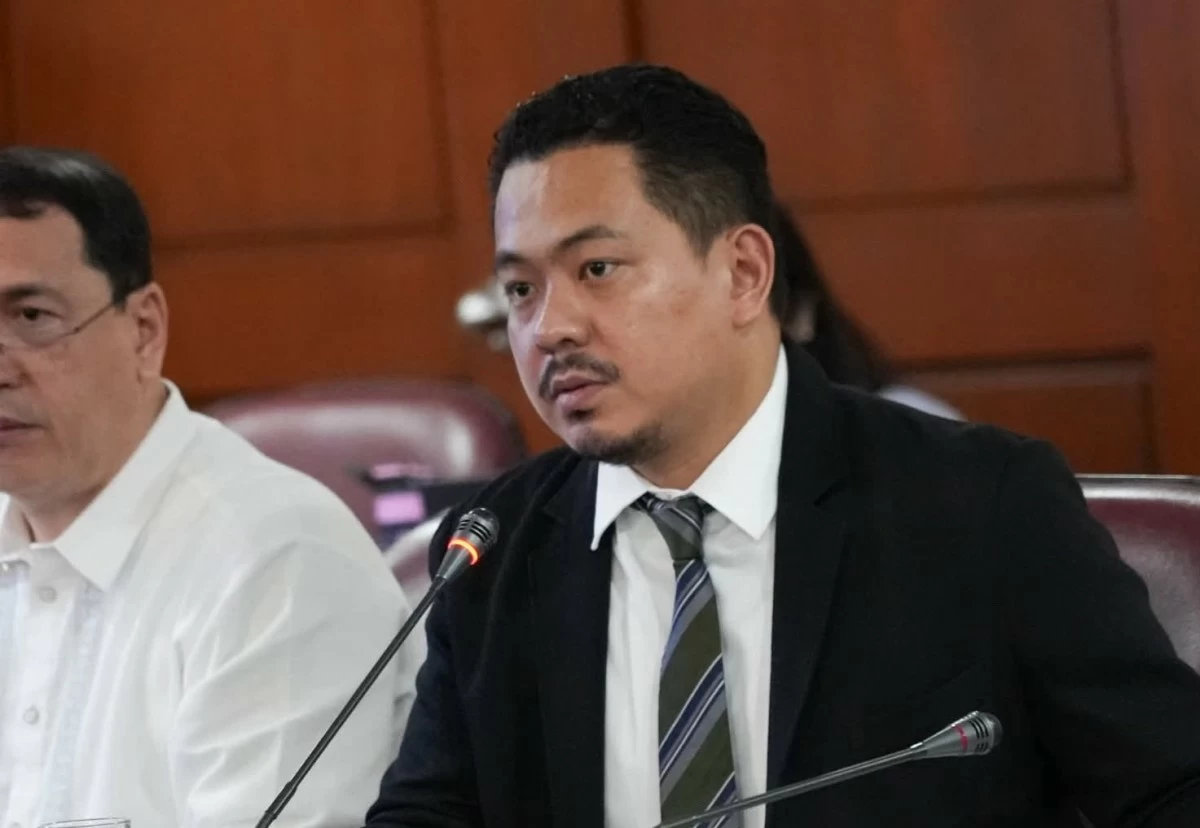
AGIMAT Party-list Rep. Bryan Revilla (Facebook)
Overseas Filipino workers' (OFWs) journey back home to the Philippines should not be the beginning of new hardships, but the beginning of new hope.
With this, AGIMAT Party-list Rep. Bryan Revilla, chairman of the Committee on Overseas Workers Affairs has reiterated the need to expedite the passage of the proposed Bagong Balikbayan Act.
Revilla underscored that the measure was not only a priority legislation of the House of Representatives and the Legislative-Executive Development Advisory Council (LEDAC), but a personal and central advocacy.
For him, ensuring a dignified, seamless, and sustainable reintegration process is “one of the most important responsibilities of government toward its modern-day heroes".
“Reintegration is the true test of government support. Marami sa ating OFWs ang umuuwi nang pagod, stressed, minsan ay traumatized pa, at walang malinaw na direksyon kung saan magsisimula. Pagbalik nila sa bayan, dito dapat pinakamatingkad ang suporta ng gobyerno,” he said.
(Many of our OFWs return home tired, stressed, sometimes even traumatized, and without a clear direction on where to begin. When they come back to the country, this is where the government’s support should be most visible.)
He said that many returning OFWs face joblessness, debt, trauma, family strain, and disjointed government services which are conditions that push many to leave the country again, perpetuating the migration cycle.
The proposed Bagong Balikbayan Act seeks to institutionalize the first-ever comprehensive, integrated, and sustainable national reintegration framework, covering all categories of returning OFWs – land-based or sea-based, documented or undocumented, repatriated, distressed, displaced, retiring, or voluntarily returning.
Once enacted into law, it will provide clear pathways such as education and upskilling, psychosocial support, entrepreneurship, and local employment. It also establishes digital systems like the Returnee-OFWs Management Information System (ROMIS) for job matching, profiling, and coordinated service delivery.
The bill strengthens Migrant Workers Offices (MWOs) and Overseas Workers Offices (OWOs) to deliver on-site support, including for undocumented workers, and enables qualified OFWs to teach in colleges, universities, and TESDA training centers as recognition of their expertise gained abroad.
It further guarantees access to financial literacy programs, livelihood assistance, business start-up services, and government-backed micro, small, and medium enterprises (MSME) loans.
“These are not mere programs — they are investments in the dignity and future of every Filipino who sacrificed years away from home,” Revilla said.
Revilla said that the ultimate goal is to ensure that Filipinos migrate by choice, not because local conditions force them to. Citing global labor and migration studies, he noted that many OFWs return home only to confront underemployment or the lack of viable livelihood options.
“After years of sacrifice and separation, our OFWs deserve more than salubong banners. They deserve a real pathway home – one that gives them stability, dignity, and opportunity,” he noted.
“Migration should one day be a choice, not an economic necessity,” added Revilla.
Revilla noted that while similar versions of the measure had advanced in the past Congress, its passage stalled — a gap he intends to close. During deliberations, he urged agencies and lawmakers to finalize their inputs and assertively instructed the Committee Secretariat to merge six Balikbayan proposals into a single substitute bill to accelerate progress.
He then championed its approval at the committee level and sought its prompt elevation to the House Committee on Appropriations.