







VinFast promises high resale value with new buyback program
Starting November for fully-paid vehicles
Published Nov 19, 2025 06:10 pm


At A Glance
- VinFast launches a residual value guarantee that protects EV buyers for up to three years
- Returned vehicles will be repurposed within the wider VinGroup mobility network
- The program is designed to ease long-term ownership anxiety among first-time EV buyers
Resale value continues to influence many new car purchases in the Philippines because buyers often weigh long-term ownership costs alongside showroom and feature appeal. Some consumers prioritize the assurance that their vehicle will still command a strong price when it is time to sell or upgrade. Established brands benefit from this perception because their name recognition alone helps maintain competitive resale figures, even before factors such as mileage, condition, and service history are considered.
Electric vehicles present a different landscape. The secondhand market has long revolved around internal combustion engine models with predictable depreciation patterns shaped by decades of data. Used EVs are only beginning to enter the mainstream locally, and pricing remains inconsistent because the market is still determining how age, battery health, and technology updates affect residual value. It is unfamiliar territory for most buyers and feels like a new frontier.
VinFast’s new Residual Value Guarantee (RVG) program places the company’s reputation on the line by assuring customers that their vehicles will retain significant value for up to three years. The fledgling Vietnamese electric vehicle mobility company's latest initiative for the Philippine market aims to address one of the most common concerns among first‑time electric vehicle buyers. The initiative sets predetermined buyback values that protect customers from steep depreciation, particularly during the early years of ownership. It also strengthens the brand’s broader effort to integrate into the local market as it continues to expand its charging, service, and dealership footprint.
VinFast confirms that the program will take effect beginning in November 2025. Under the scheme, customers will receive guaranteed residual values that follow a fixed annual schedule, provided that each vehicle is fully paid, passes the company’s technical inspection, and meets the eligibility criteria. The maximum guaranteed values are 90-percent after six months of use, 86-percent after one year, 78-percent after two years, and 70-percent after three years. These figures apply to the brand’s full lineup, from the VF 3 to the VF 9, and are available to new buyers.
The company positions the RVG program as part of a wider package of ownership benefits intended to make electric mobility easier to adopt. Current support measures include a warranty coverage of up to ten years, free charging for three years at V‑Green stations, several financing plans, and 24‑hour technical and roadside assistance. All of these measures remain in place alongside the new value protection program.
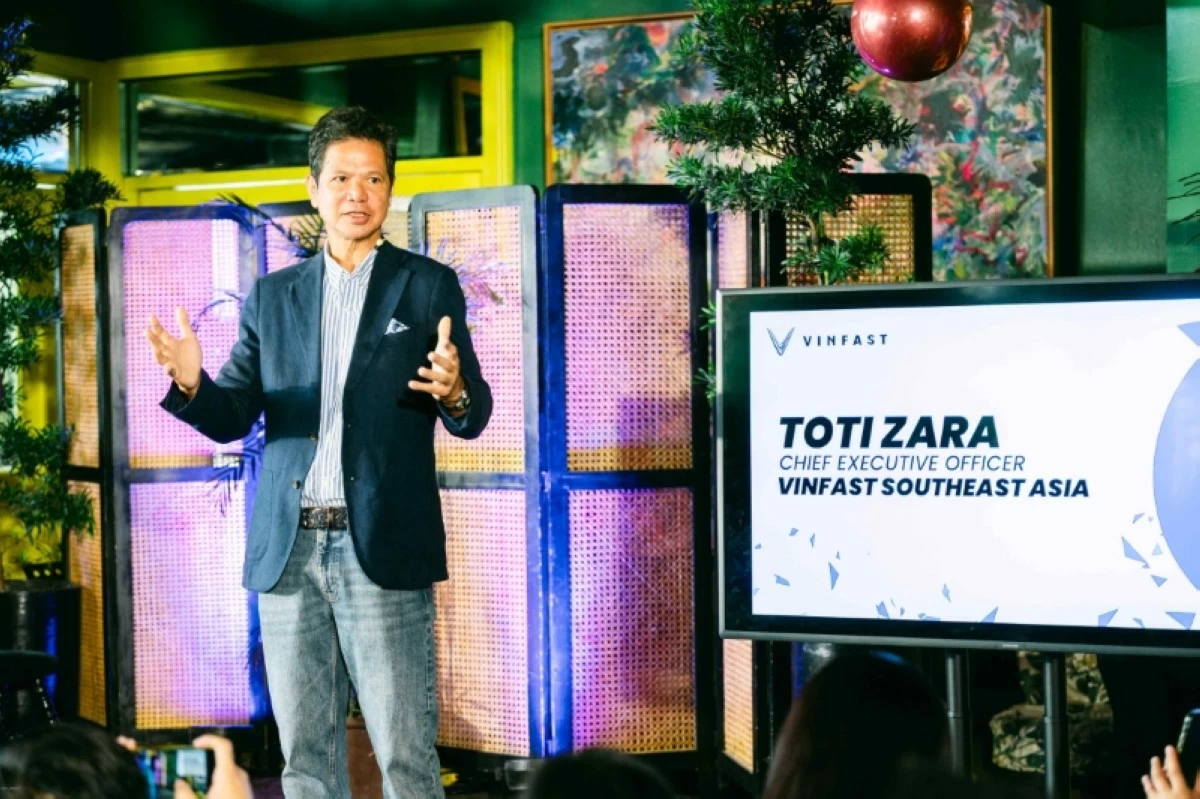
Antonio "Toti" Zara, CEO of VinFast Souteast Asia, discusses the Residual Value Program to members of the motoring media.
According to Antonio "Toti" Zara, CEO of VinFast Southeast Asia, the new scheme aims to address a practical barrier in the EV segment. Zara said, "With a residual value guarantee of up to 90% of the vehicle’s list price, VinFast aims to make EV ownership more accessible and reassuring for Filipino consumers. When combined with our other support programs, we believe electric vehicles will soon become a natural and reliable choice for households and individual users across the Philippines. This program reflects our long-term commitment to the market and reinforces our strong belief in the quality of our products."
VinFast’s shift toward an integrated mobility ecosystem helps explain how the company is able to offer buyback values that remain unmatched in the Philippine market. During the briefing, Zara outlined how the wider VinGroup structure carries much of the long-term sustainability of the program. He emphasized that VinFast operates within a broader green mobility network that includes taxi fleets, TNVS operations, rental and leasing programs, and an upcoming used-car arm called Green Futures. This network absorbs returned vehicles and redeploys them where demand for high-mileage units is constant.
According to Zara, this structure is what allows the company to maintain aggressive residual values. He explained that every unit returned through the RVG program offsets capital expenditure that would otherwise be spent to expand the group’s operating fleet. Zara described the foundation of the program clearly when he said, "It’s the economics of the VinGroup and not VinFast as a car company alone, because if it were VinFast as a car company alone, then the math does not make sense."
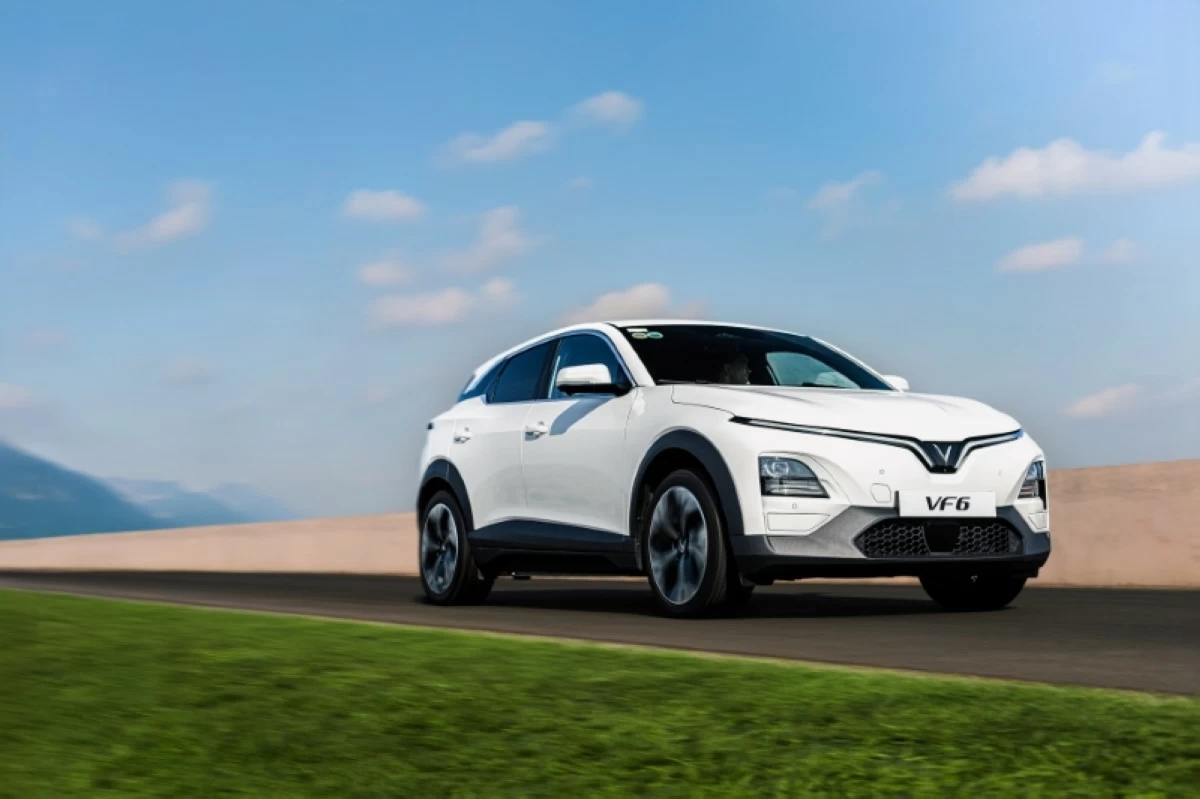
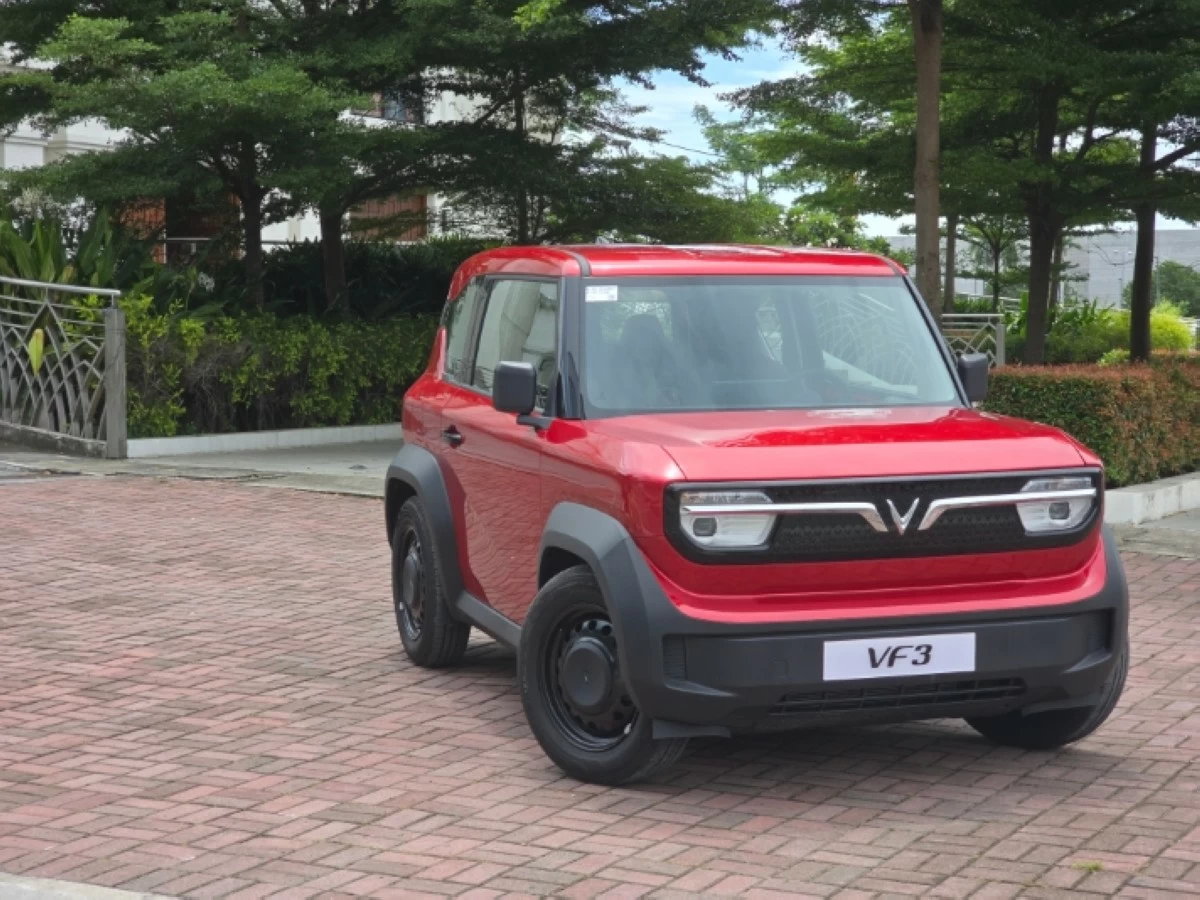
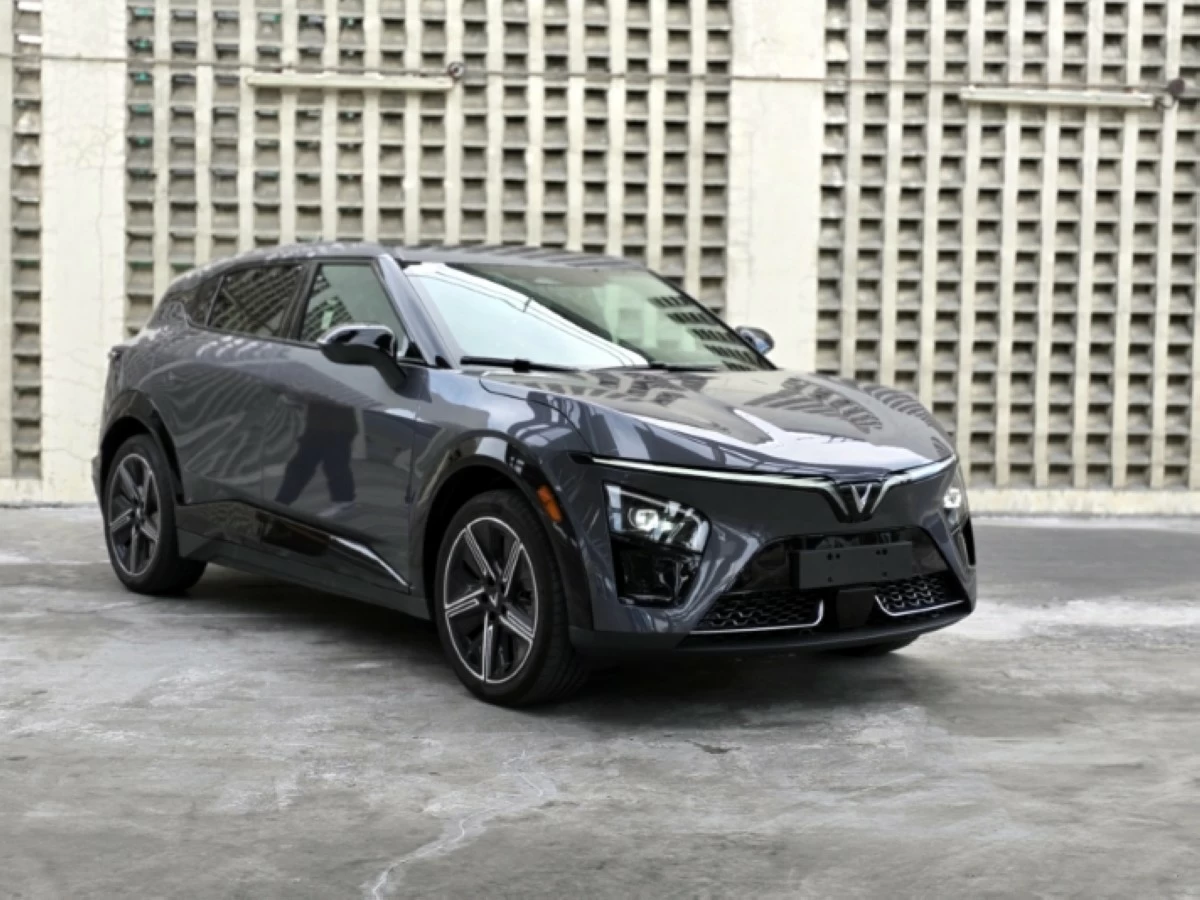

Because the ecosystem relies on continuous circulation and redeployment of vehicles, the RVG program is designed with a three-year limit. Beyond that point, the economics mirror traditional depreciation, and the vehicle becomes less viable for the high-demand mobility segments that drive the ecosystem. Returned units may be repurposed for taxi operations, TNVS services, corporate leasing, rentals, or processed through Green Futures as part of a more organized used-EV market.
This market structure also addresses a crucial concern for EV buyers. Zara noted that most anxieties surrounding electric vehicles are amplified in markets that lack a mature secondhand ecosystem. By returning these vehicles to their own operational network, VinFast helps normalize used-EV values and builds consumer confidence. The company’s parallel investments in accredited third-party workshops, expanded dealer networks, and charging infrastructure support this structure and ensure that EV adoption can continue at scale.
In the next phase of its market plan, the brand intends to increase its distribution and service network across strategic urban and provincial locations. VinFast outlines a long‑term goal of establishing a complete EV ecosystem in the Philippines by improving accessibility to charging facilities, strengthening local partnerships, and broadening its product range.