






 Entertainment
Movies and TV
Execs Eric Schrier, Carol Choi say local original content important to Disney+'s strategy
Entertainment
Movies and TV
Execs Eric Schrier, Carol Choi say local original content important to Disney+'s strategy
Execs Eric Schrier, Carol Choi say local original content important to Disney+'s strategy


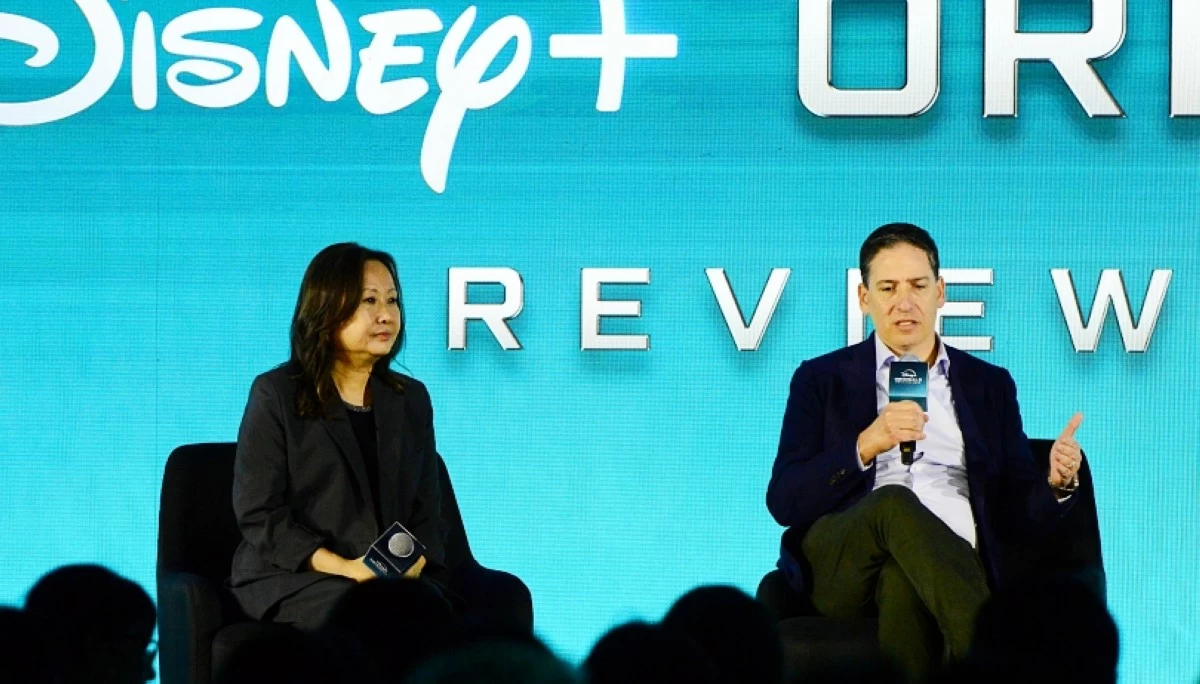
Disney top executives Eric Schrier and Carol Choi emphasized that local original content in APAC (Asia Pacific region) is important for the strategy of streaming service Disney+.
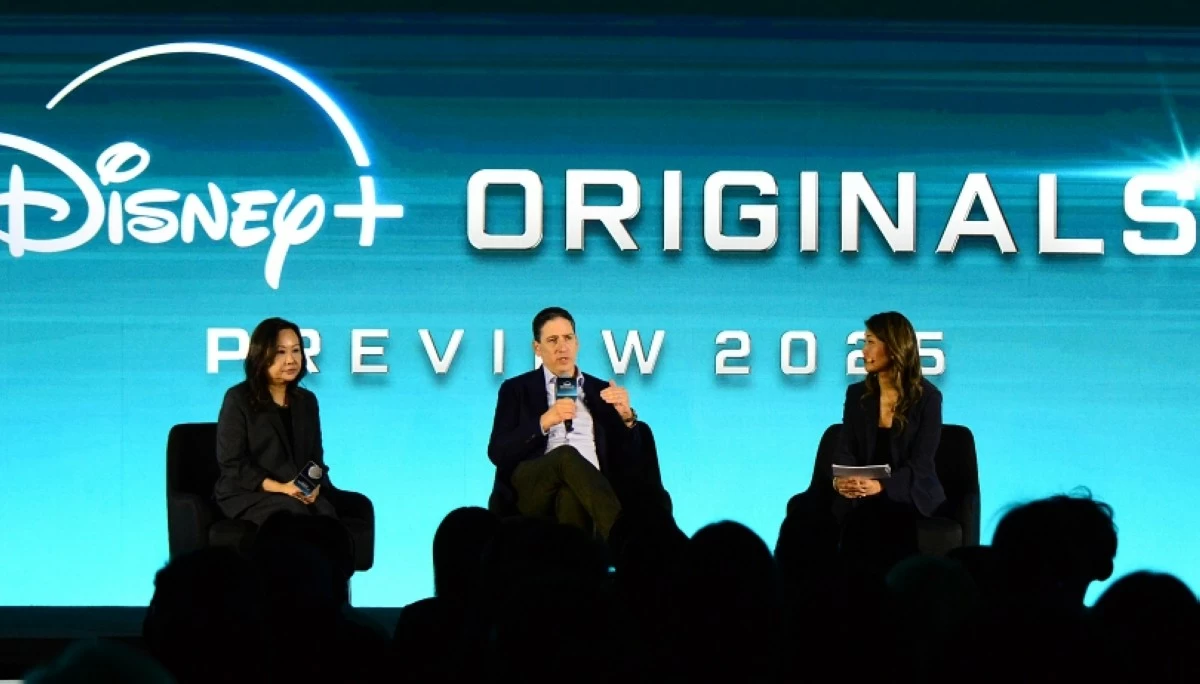
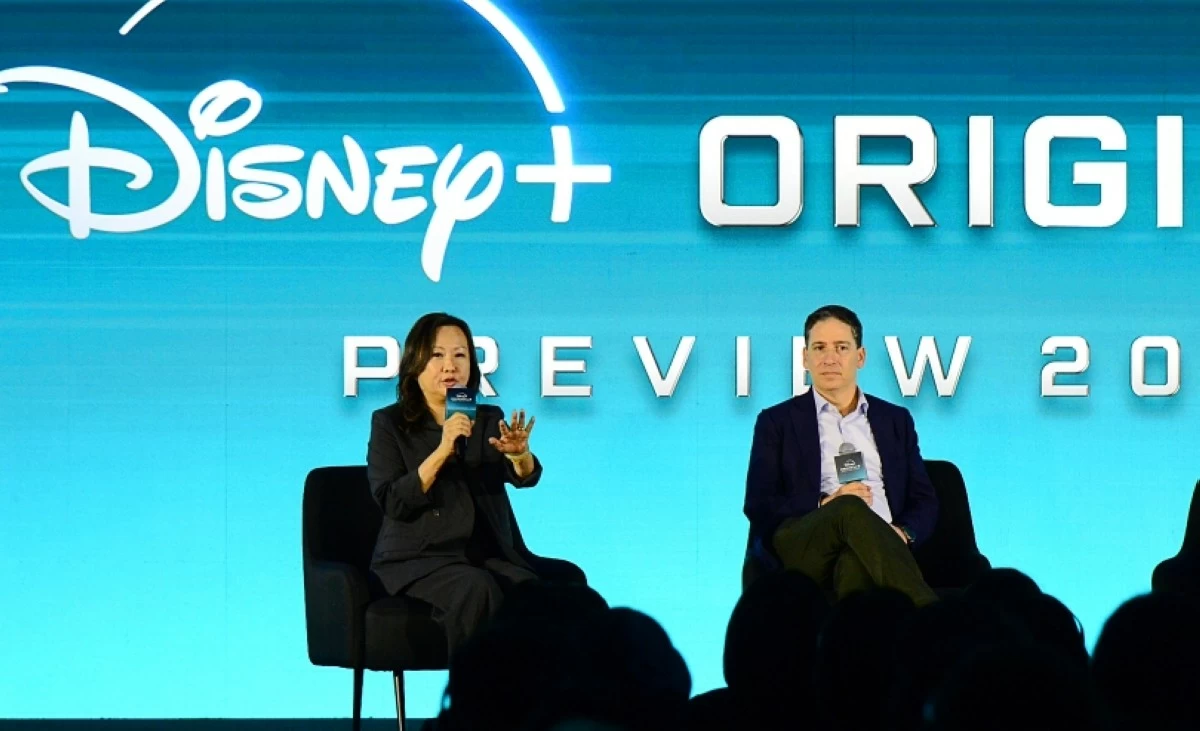
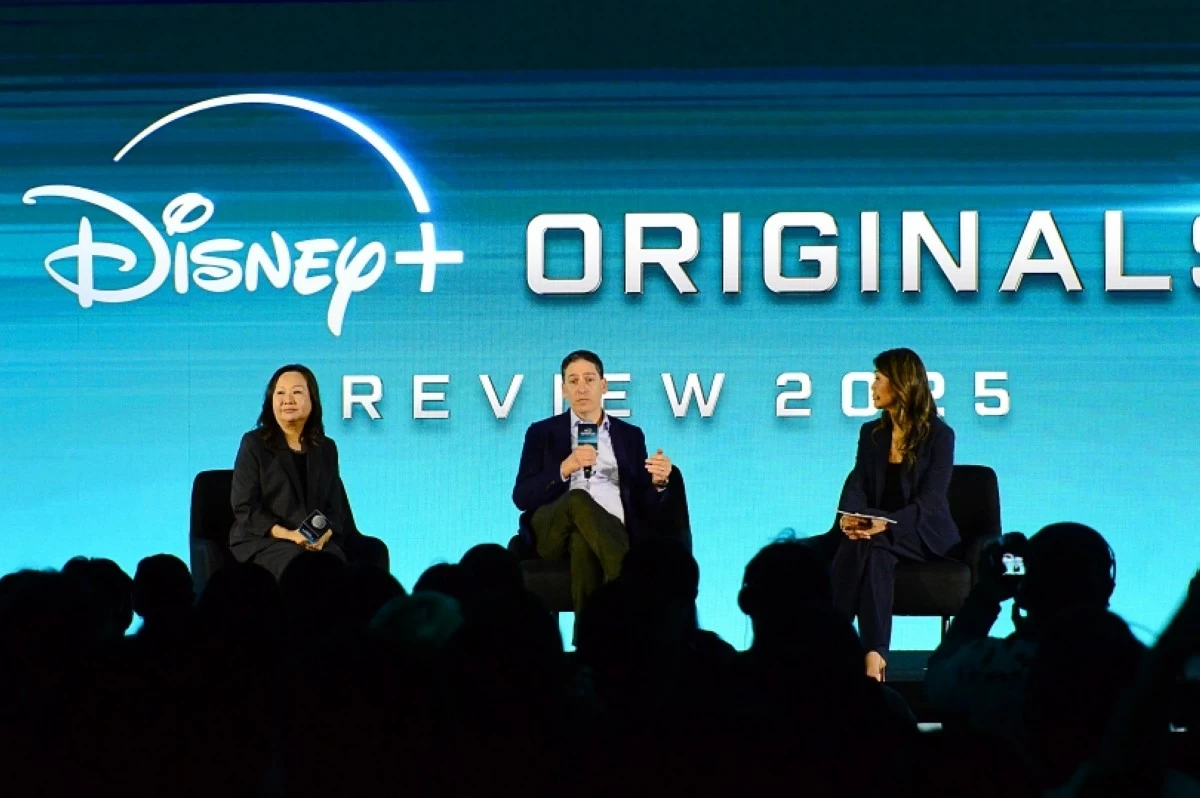
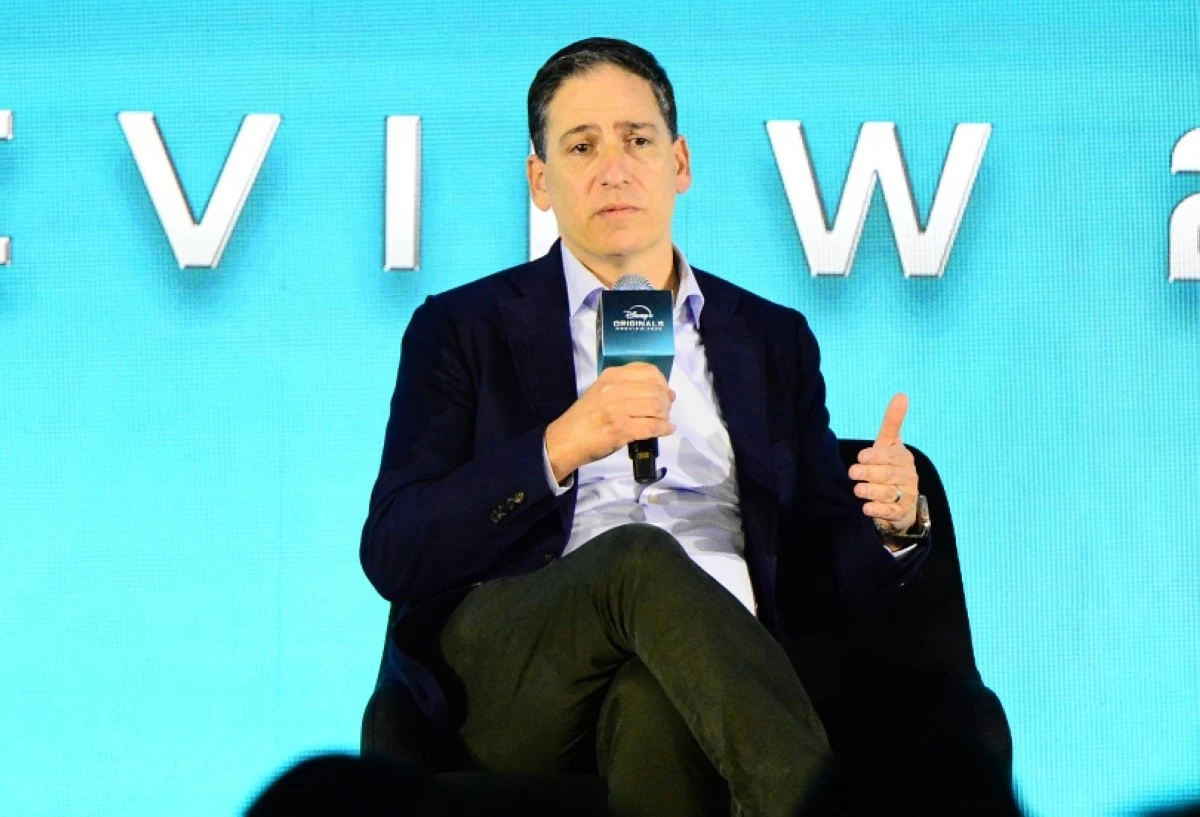
During the Creative Conversation segment at the Disney+ Originals Preview on Nov. 13 at the Hong Kong Disneyland Resort, Schrier and Choi discussed Disney+’s partnership with creators and how shows are chosen.
Schrier is the president of Disney Television Studios and Choi is an executive vice president and head of APAC Original Content Strategy.
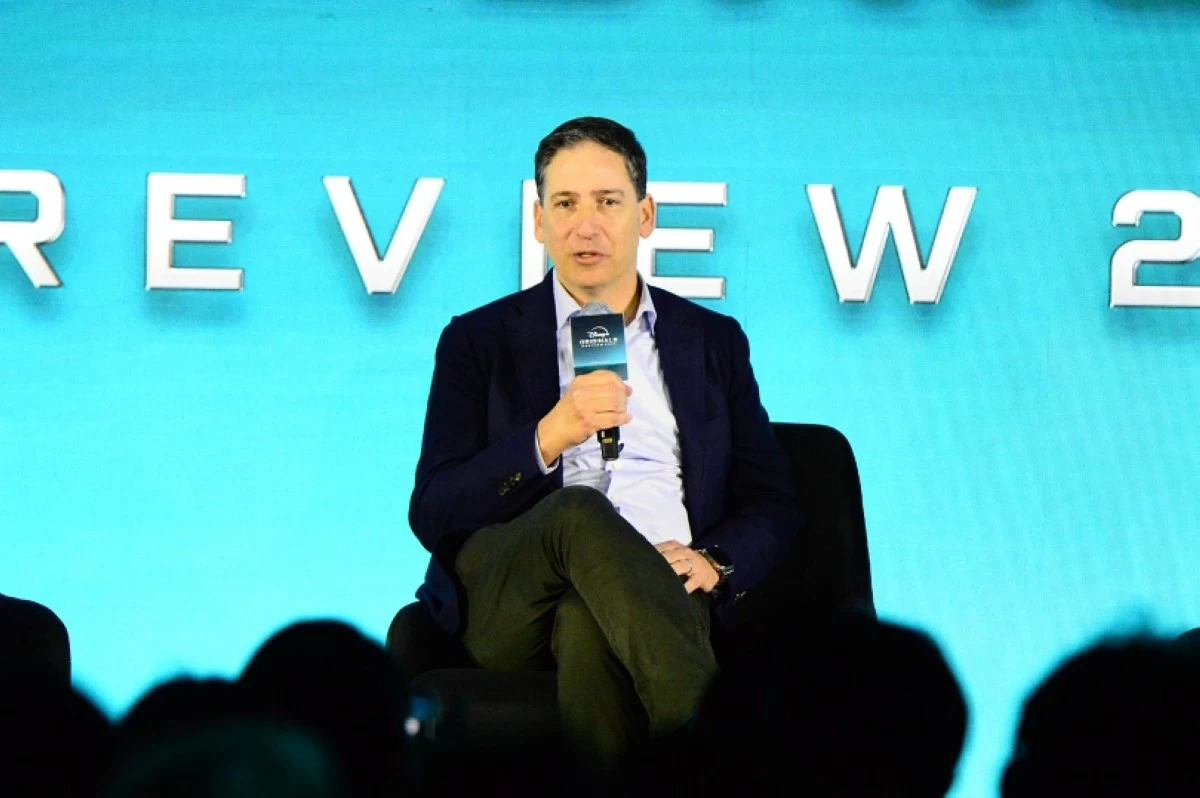

“Local original content is essential to the Disney Plus strategy. We make and make some of the best global shows and films in the world. We have great global brands and IPs that travel the world, whether it's Disney products, Star Wars, Pixar, Marvel, FX, Hulu, I could go on and on. And all that product and shows travel the world really well and people know them,” said Schrier.
He added, “We don't have content in each territory that is for that specific territory. So what we're trying to do is complement that global slate of programming with locally relevant stories. and as we've built that out, it's become an essential part of Disney Plus so that subscribers have something that reflects their world. It's been really, as a creative executive, it's been really exciting and invigorating to see the creativity that's happening all over the world and to see these shows travel all over the world.”
The Disney+ Originals Preview unveiled new shows that will premiere on Disney+, including Korean and Japanese titles.
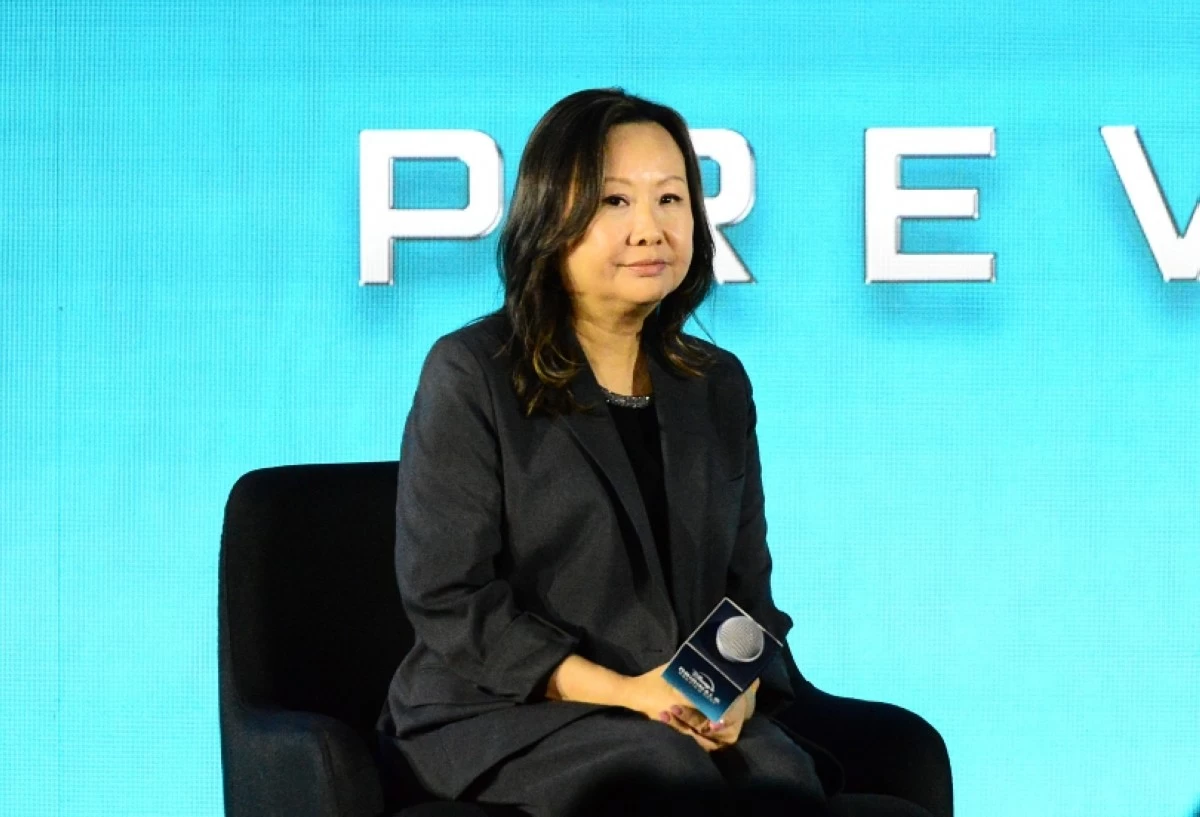
“I think hopefully with all the announcements that you've seen today, it really reaffirms APAC’s or Disney Asia-Pacific's position in our commitment towards local content in our region and its position on how significant it is for us to continue to make our commitments through the creative community here in Asia,” said Choi.
Korean and Japanese stars attended the Disney+ Originals Preview, including Hyun Bin, Ji Chang-wook, Do Kyung-soo, Lee Dong-wook, Woo Do-hwan, Park Bo-young, Shin Min-a, Ju Ji-hoon, and Kaito Nakamura and Genta Matsuda from Japanese boy band Travis Japan.
Creative principles
When asked how creative principles are applied in Disney Plus and how they ensure that Disney+ content still has the same level of bold and distinctive storytelling, Schrier narrated his 25-year experience in the business.
“I've been doing this for 25 years now, and I was saying to Carol before, I'm like, "Oh, I did that show. I did that show." So, it's great to see all my children here. Just don't ask me which is the favorite.They're all great,” he said.
He added, “Luckily, I was trained as a creative executive under great leaders like John Landgraf from FX and Dana Walden. And our approach to working with our creative partners is really to create an environment for them to do their best work and then help them figure out how to achieve their dreams, right? And so if I could act, write or direct, I'd be doing that.”
Schrier said his role “is I help coach creative people to be their best.”
“And so I use that analogy as the best part. And so each individual is very different. Each individual has a different way of working. And what I try to do is really listen to what they want and what is the story that's burning inside them that they want to tell and then help that come to fruition. That philosophy is how I work with all of my creative partners all over the world and with Carol and her team here in APAC,” he said.
“I don't purport that I know what a Japanese audience wants or a Korean audience or even an Australian audience. I'm an American. I know what Americans like. I do know story. I do know how visual storytelling works. So, I'll help there. But what I really do is try to create an environment for executives like Carol and our leaders in Japan and Korea to do their best work and be supportive of them and coach them through the process,’ he said.
Choi saad, “First of all, everything is grounded in great stories, right?. I think, as you know, storytelling seems to be a big buzz word these days but Disney is truly grounded from…we're a storytelling company. So great stories, high production value that we see from some of our creative partners, strong character arcs. Those are things that I believe audiences look for around the world and marry that with some of the best creators around the region so we can fuse that with locally relevant nuances and elements.”
“And I think this local strategy supported by our global leaders has worked really well for us. Hopefully, you know, from the reaction that we're seeing from today's audience as well as many of the critical acclaim that awards that we've been given from some of the past works like ‘Moving,’ ‘Nine Puzzles,’ ‘Gannibal,’ you know, and and we go on and on. So it's it's truly been a great reward uh rewarding experience and we again hope to stay the course to deliver more steady stream of great content for the audiences in the region,” she added.
Science and art
Schrier said there’s a lot of risk taking in choosing shows in addition to basing on data and what audiences want.
“Science right we look at our audience segments we look at how people, content on the platform. We look at the different markets and what audiences there want, where is our headroom to grow but then that's part art right is I rely on my executives and the creative partners in each of the regions to know what or have an instinct to what audiences want in each individual market,” he said.
He added, “And there's also a lot of risk taking. And if you look over the history of film and television, you'll notice that most of the great successes came from things that people least expected, right? ‘Star Wars,’ ‘The Bear,’ right? Who thought that that show would actually be successful? That's about people in a sandwich shop in Chicago, but it tapped into something and you need to have an environment where your creative partners can take risks.”
“And what I've seen in working internationally across all the regions is that, there's been great risk-taking from artists. We use science and data to help us in making informed decisions, but ultimately we're placing bets on people's dreams, their art, and their ability to execute,” he said.
He added, “And then we're learning from different forms. I didn't ever work on anime before working with the Japanese team. It's a really fun art form. I was a fan of it. But looking at how that works has been and the storytelling has been really insightful.
“I like ‘Wandance,’ ‘Twisted Wonderland.’ So, there's a lot of great anime and also just to see the diversity of cultural stories and to understand the cultures. Each culture has its own distinct sense of storytelling. Sometimes those storytelling that we're learning from what we see. Hopefully we'll be able to have some of this content, the formats of them. Content is traveling really well. So in Latin America people are really enjoying our Korean dramas,” he said.
Choi emphasized authentic storytelling.
“As mentioned earlier, I think it all needs to be rooted in authentic storytelling, right? As we see from the success that we see in many of our shows that was introduced earlier today. But I think there are also elements that would help hope to make the content travel better and become and create global resonance. And so again, having, partnering with our global teams, you know, gives us that edge to help realize some of the creative missions from local storytellers,” she said.
Content trends
Choi said Disney+ is evolving in its content portfolio and the unscripted form is a new genre that it has introduced.
“New trendy things fit into our overall product offering on Disney Plus remains to be seen. But from a content portfolio perspective, we continue to look for new formats that would fit the needs of the audiences on Disney Plus,” she said.
She added, “So even from today's introduction, you'll notice that we are introducing a new genre. We're more into unscripted. Maybe it's music related or some lifestyle type of midform or even shorter form type of unscripted content. And so we'll continue to look for some new ways of storytelling and continue to connect with audiences around the region. So more to come.”
Schrier agreed, adding that Disney is focusing on fandoms.
“And to that point, we want to have a wide diversity portfolio of programming that resonates with audiences. And I think something that Disney does really well and that we're really focused on is fandom. And how do we increase fandom with our consumers and all these shows hopefully will be someone's favorite show and have fans all over the world. So, you're trying to make a portfolio that will resonate with everyone,” he said.
Cho said, “Yeah, we're often asked that question and I wish there was as easy as, you know, plugging it into a formula and checking off the boxes, but it's not that. And, as Eric mentioned earlier, it is really a balance between arts and science.”
“Obviously, we have to look at the economics. It's not, you know, we can't just not worry about that. But ultimately, it's the creative or the creator's vision and whether they have that story that we feel can connect and touch the hearts of our audiences and then we know whether we have the right writers. It's the packaging of the entire project. But most importantly is whether it's authentic and true to their vision and how by coupling with Disney and Disney Plus that we could create this wonderful product that hopefully many of you, you know, are big fans of our content,” she said.
She said, “I hope you all see that with today's announcements and our continuous commitment to the production and to the creators in the region, we continue to elevate the quality of our content as well as the significant role that it plays in our overall content portfolio on Disney+.”
Asian content
Schrier was asked how content in Asia fit into the global strategy for Disney+.
“It's really exciting. What the creators are doing and what Carol and her team are doing here in APAC, especially in Korea and Japan where we're focused. It's been really invigorating. The Korean dramas and the Korean audience, somehow, they have a unique ability the creators there to tap into,” he said.
On how he identifies collaborators who can provide distinctive stories that align with broader global strategy, Schrier said it is trust.
“I think it stems from trust. I think trust between the platform, the executives and the creative partners is really important because ultimately you have to take risks. And it was really heartwarming to see Justin Marks on this stage earlier talking about, someone had asked him a question about did FX give you more resources? Did you have to fight with them? And he's like no, they've been great. And that's truly a great partnership. And we're seeing as we're working with the teams in Japan and Korea that level of partnership is really important for our creative executives that are in the market and their relationships with the talent and Gaku Narita who's doing it in Japan is doing an excellent job,” he said.
He said, “It's trust. It's helping our creators create, helping them achieve success. and not taking an adversarial or dictatorial approach to it. If I knew how to create like them, I'd be doing that. If I knew how to act or direct, I'd be doing that. That's not what I do. I'm here to help creative people. And so, that's the philosophy we use. and something I'm seeing growing in this region.”
Choi said that “the difference that Disney or the advantage that Disney has in this region is that we've been in many markets for a good number of years and we formed various types of partnerships because of we have all different lines of businesses.”
“So, for example, we've, you know, had long-term partnerships with terrestrial stations that could be producing long-form drama that could go on our platform with publishers such as Kodansha that, you know, have access to some of the top IPs in the region, with talent agencies like HYBE from a K-pop perspective and Starto and some of the J-pop and J talents that you've met earlier. So we have varying forms of collaborators that we can work with as well as enable us to source IP materials from different formats whether it's from a novel or from games as the collaboration we're doing with Kojima. So, it's a very very exciting time for us and I think it only gives us the opportunity to continue to mine the stories from the region and allow us to do bigger and better projects from Asia,” she said.