

ADVERTISEMENT

Creation of National Film Archive of the Philippines pushed in House

Published Nov 19, 2025 09:09 am

At A Glance

  • Camarines Sur 5th district Rep. Migz Villafuerte and 2nd district Rep. Luigi Villafuerte are leading efforts for the institutionalization of the proposed National Film Archive of the Philippines (NFAP).
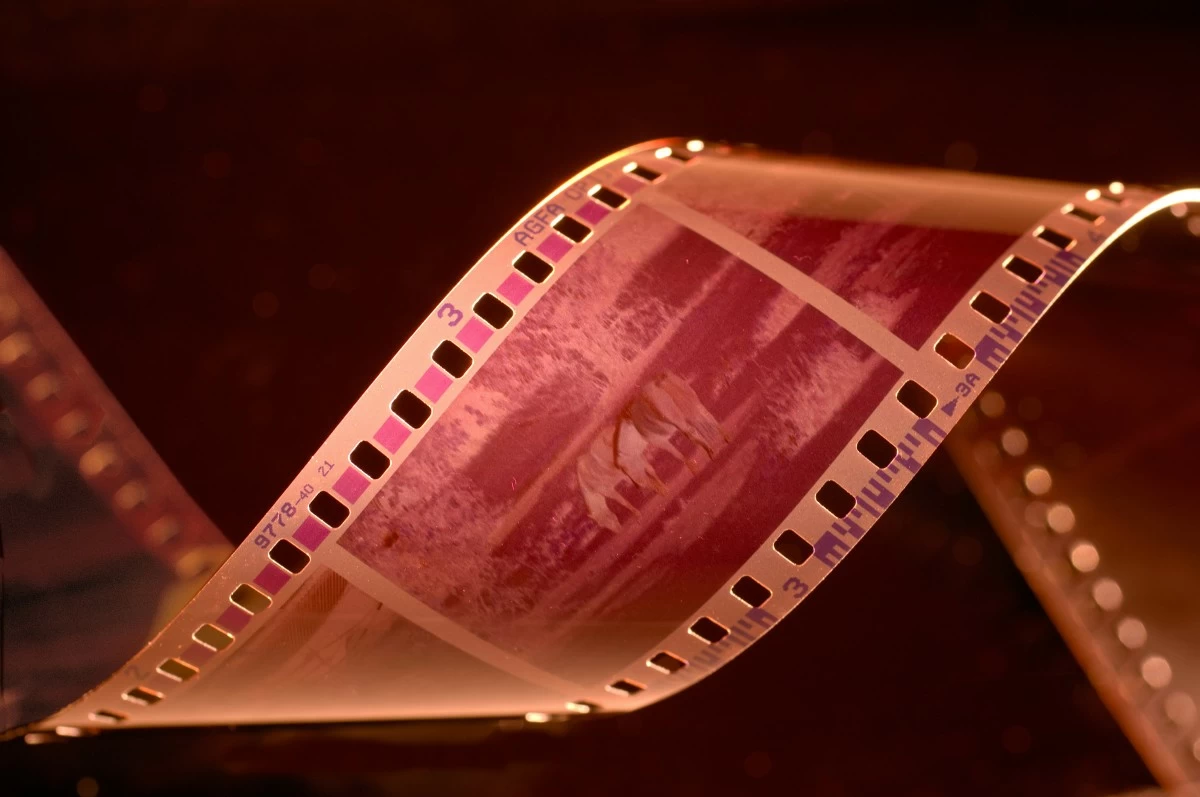
(Unsplash)
(Unsplash)


Camarines Sur 5th district Rep. Migz Villafuerte and 2nd district Rep. Luigi Villafuerte are leading efforts for the institutionalization of the proposed National Film Archive of the Philippines (NFAP).
Embodied in House Bill (HB) No.5053, the proposed NFAP will be tasked to take charge of conserving, promoting and popularizing Filipino cinematic films, which--in being part of the country’s cultural heritage and artistic wealth--deserve to be put under State protection and preservation.
The bill says the NFAP shall be managed by the Film Development Council of the Philippines (FDCP), which is the agency under the Office of the President (OP) that implements policies and programs to promote the production of quality films.
In filing the measure, the Villafuertes and their fellow authors reckoned that Filipino films need to be stored in a “permanent and suitable” building for archiving purposes by the FDCP, as these cinematic creations “constitute the cultural treasure of the nation and shall be under the protection of the State".
Under the bill, film companies and individual producers shall submit, at a reasonable cost, a copy of their respective films to the National Film Archive within three months from the official release of their movies.
“It is a must for us to ensure the preservation of these artistic creations as they reflect the evolution of Philippine Cinema and the changing socioeconomic landscape of our country,” Luigi said.
“A major challenge that confronted filmmakers in the early decades of Filipino movies was the availability of advanced technology for their proper preservation, maintenance and archiving,” he noted.
In response to this concern, Luigi said the Philippine Film Archive was created 14 years ago, under Republic Act (RA) No. 9167. The law established the FDCP.
Luigi said one priority objective of the FDCP was to strengthen efforts in restoring locally produced films, including establishing a permanent archiving facility to further empower the agency in the acquisition, preservation, digitization, and protection of our film and audiovisual collections.
HB No.5053 aims to institutionalize the NFAP, which shall formulate and implement an archival administration program on cinematographic films, conduct archival research, and acquire film prints and digital masters of films with enduring archival value.
Migz said the bill directs the FDCP, in consultation with the National Historical Commission of the Philippines (NHCP), National Commission for the Culture and the Arts (NCCA) and the NFAP, to issue the necessary implementing rules and regulations (IRR) for this Act.
The amount necessary to carry out the provisions of this Act shall be included in the annual General Appropriations Acts (GAAs)  following its enactment into law, Migz said.
As of 2024, the Philippine Film Archive keeps 56,000 elements composed of films from 35 millimeters, 16 millimeters, 8 millimeters, and tapes from various formats such as VHS, Betacam, U-matic and mini DVs. Among these are 47 films by Philippine National Artists, Luigi said.
The NFAP is also tasked to make Filipino films readily available for education, historical, and cultural purposes to all segments of Philippine society, as well as the international community; and
It will also give technical assistance to all government offices, instrumentalities, and agencies, national or local, in the planning, implementation and evaluation of their film archives administration program.
Camarines Sur 1st district Rep. Tsuyoshi Anthony Horibata and Bicol Saro Party-list Rep. Terry Ridon also penned HB No.5053.
ADVERTISEMENT
.most-popular .layout-ratio{ padding-bottom: 79.13%; } @media (min-width: 768px) and (max-width: 1024px) { .widget-title { font-size: 15px !important; } }

{{ articles_filter_1561_widget.title }}

.most-popular .layout-ratio{ padding-bottom: 79.13%; } @media (min-width: 768px) and (max-width: 1024px) { .widget-title { font-size: 15px !important; } }

{{ articles_filter_1562_widget.title }}

.most-popular .layout-ratio{ padding-bottom: 79.13%; } @media (min-width: 768px) and (max-width: 1024px) { .widget-title { font-size: 15px !important; } }

{{ articles_filter_1563_widget.title }}

{{ articles_filter_1564_widget.title }}

.mb-article-details { position: relative; } .mb-article-details .article-body-preview, .mb-article-details .article-body-summary{ font-size: 17px; line-height: 30px; font-family: "Libre Caslon Text", serif; color: #000; } .mb-article-details .article-body-preview iframe , .mb-article-details .article-body-summary iframe{ width: 100%; margin: auto; } .read-more-background { background: linear-gradient(180deg, color(display-p3 1.000 1.000 1.000 / 0) 13.75%, color(display-p3 1.000 1.000 1.000 / 0.8) 30.79%, color(display-p3 1.000 1.000 1.000) 72.5%); position: absolute; height: 200px; width: 100%; bottom: 0; display: flex; justify-content: center; align-items: center; padding: 0; } .read-more-background a{ color: #000; } .read-more-btn { padding: 17px 45px; font-family: Inter; font-weight: 700; font-size: 18px; line-height: 16px; text-align: center; vertical-align: middle; border: 1px solid black; background-color: white; } .hidden { display: none; }
function initializeAllSwipers() { // Get all hidden inputs with cms_article_id document.querySelectorAll('[id^="cms_article_id_"]').forEach(function (input) { const cmsArticleId = input.value; const articleSelector = '#article-' + cmsArticleId + ' .body_images'; const swiperElement = document.querySelector(articleSelector); if (swiperElement && !swiperElement.classList.contains('swiper-initialized')) { new Swiper(articleSelector, { loop: true, pagination: false, navigation: { nextEl: '#article-' + cmsArticleId + ' .swiper-button-next', prevEl: '#article-' + cmsArticleId + ' .swiper-button-prev', }, }); } }); } setTimeout(initializeAllSwipers, 3000); const intersectionObserver = new IntersectionObserver( (entries) => { entries.forEach((entry) => { if (entry.isIntersecting) { const newUrl = entry.target.getAttribute("data-url"); if (newUrl) { history.pushState(null, null, newUrl); let article = entry.target; // Extract metadata const author = article.querySelector('.author-section').textContent.replace('By', '').trim(); const section = article.querySelector('.section-info ').textContent.replace(' ', ' '); const title = article.querySelector('.article-title h1').textContent; // Parse URL for Chartbeat path format const parsedUrl = new URL(newUrl, window.location.origin); const cleanUrl = parsedUrl.host + parsedUrl.pathname; // Update Chartbeat configuration if (typeof window._sf_async_config !== 'undefined') { window._sf_async_config.path = cleanUrl; window._sf_async_config.sections = section; window._sf_async_config.authors = author; } // Track virtual page view with Chartbeat if (typeof pSUPERFLY !== 'undefined' && typeof pSUPERFLY.virtualPage === 'function') { try { pSUPERFLY.virtualPage({ path: cleanUrl, title: title, sections: section, authors: author }); } catch (error) { console.error('ping error', error); } } // Optional: Update document title if (title && title !== document.title) { document.title = title; } } } }); }, { threshold: 0.1 } ); function showArticleBody(button) { const article = button.closest("article"); const summary = article.querySelector(".article-body-summary"); const body = article.querySelector(".article-body-preview"); const readMoreSection = article.querySelector(".read-more-background"); // Hide summary and read-more section summary.style.display = "none"; readMoreSection.style.display = "none"; // Show the full article body body.classList.remove("hidden"); } document.addEventListener("DOMContentLoaded", () => { let loadCount = 0; // Track how many times articles are loaded const offset = [1, 2, 3, 4, 5, 6, 7, 8, 9, 10]; // Offset values const currentUrl = window.location.pathname.substring(1); let isLoading = false; // Prevent multiple calls if (!currentUrl) { console.log("Current URL is invalid."); return; } const sentinel = document.getElementById("load-more-sentinel"); if (!sentinel) { console.log("Sentinel element not found."); return; } function isSentinelVisible() { const rect = sentinel.getBoundingClientRect(); return ( rect.top < window.innerHeight && rect.bottom >= 0 ); } function onScroll() { if (isLoading) return; if (isSentinelVisible()) { if (loadCount >= offset.length) { console.log("Maximum load attempts reached."); window.removeEventListener("scroll", onScroll); return; } isLoading = true; const currentOffset = offset[loadCount]; window.loadMoreItems().then(() => { let article = document.querySelector('#widget_1690 > div:nth-last-of-type(2) article'); intersectionObserver.observe(article) loadCount++; }).catch(error => { console.error("Error loading more items:", error); }).finally(() => { isLoading = false; }); } } window.addEventListener("scroll", onScroll); });

Sign up by email to receive news.