






 Philippines
National
Advocacy group calls for greater transparency, open bicam deliberations amid historic P1.38T education budget
Philippines
National
Advocacy group calls for greater transparency, open bicam deliberations amid historic P1.38T education budget
Advocacy group calls for greater transparency, open bicam deliberations amid historic P1.38T education budget


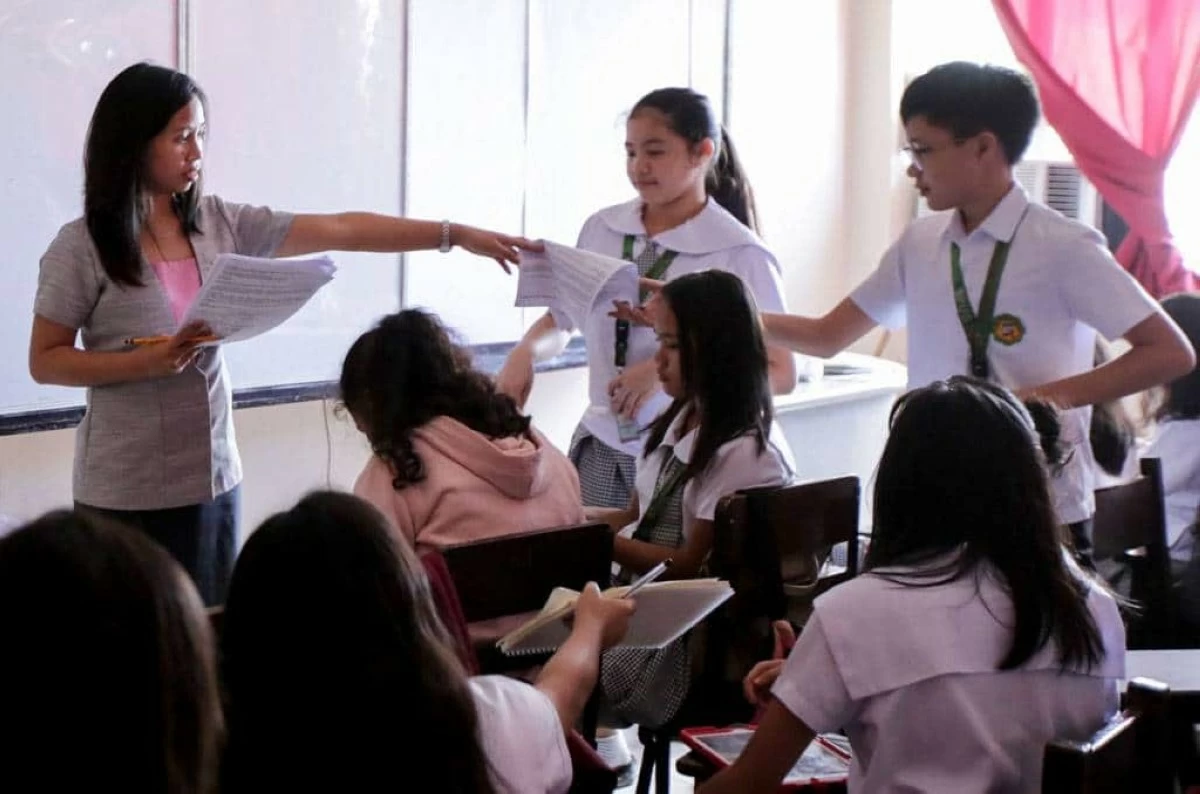
Following the government’s historic P1.38 trillion allocation for the education sector, an industry-led advocacy group urged lawmakers on Wednesday, November 19, to ensure full transparency in the 2026 national budget process.
Philippine Business for Education (PBEd) Executive Director Bal Camua, in a statement, welcomed the significant increase — saying it marks an important step toward meeting global standards on education spending.
“The support and attention given to the education sector is a welcome development, and it is about time that we reach the global benchmark for education spending,” Camua said.
Senate Finance Committee Chair Sherwin Gatchalian earlier reported that the proposed 2026 national budget includes the largest-ever investment in education — roughly 20 percent of the total spending plan, equivalent to 4.5 percent of the country’s GDP.
According to PBEd, the increased allocation presents a “critical opportunity” to strengthen programs that improve learning outcomes, teacher quality, and school facilities.
But Camua emphasized that such gains can only be achieved if public funds are managed transparently.
“This increase presents an opportunity to invest in programs that directly improve learning outcomes, teacher quality, and school facilities — but it must come with transparency and accountability to ensure that every peso truly benefits learners,” Camua said.
Push for open bicam deliberations
PBEd also renewed its call for the bicameral conference committee (bicam) proceedings to be opened to the public.
The group noted that the final phase of budget negotiations often decides key realignments and funding priorities.
“Decisions made in the bicam can significantly reshape allocations — especially for education — and the public deserves to know how and why these decisions are made,” Camua said.
“Transparency at this stage will strengthen public trust and ensure that the education budget reflects the true priorities of our learners and teachers,” he added.
The advocacy group likewise urged both chambers of Congress to make budget hearings, committee reports, and amendments more accessible to the public, particularly in light of recent corruption allegations tied to the budget process.
Call for measurable improvements in education
PBEd stressed that higher spending must translate into real improvements in literacy rates, access to quality education, and job readiness among Filipino graduates.
“Let us invest in our people first if we want to improve our economy,” Camua said. “Education is the foundation of national growth, and clear use of public funds is essential to make that investment count,” he added.
PBEd reaffirmed its commitment to work with the government, private sector, and civil society partners to ensure that the education budget supports evidence-based reforms and long-term human capital development.