






Manila Bulletin
 Drive
Mitsubishi's new design philosophy: Kaku, Tan, Jun, and the future of its cars
Drive
Mitsubishi's new design philosophy: Kaku, Tan, Jun, and the future of its cars
Drive
Mitsubishi's new design philosophy: Kaku, Tan, Jun, and the future of its cars
Mitsubishi's new design philosophy: Kaku, Tan, Jun, and the future of its cars
Insight from Seiji Watanabe, Corporate Officer and Division General Manager of Mitsubishi Motors Design Division
Published Nov 18, 2025 12:49 pm


At A Glance
- Mitsubishi outlines its new Kaku Tan Jun design philosophy rooted in confidence, athleticism, and purity.Watanabe-san confirms the philosophy began with the 2021 Outlander and now guides all new models.Destinator and Elevance concepts showcase the brand's future direction in proportion, lighting, and cabin design.Mitsubishi aims to blend emotional appeal with functional engineering across its upcoming global lineup.
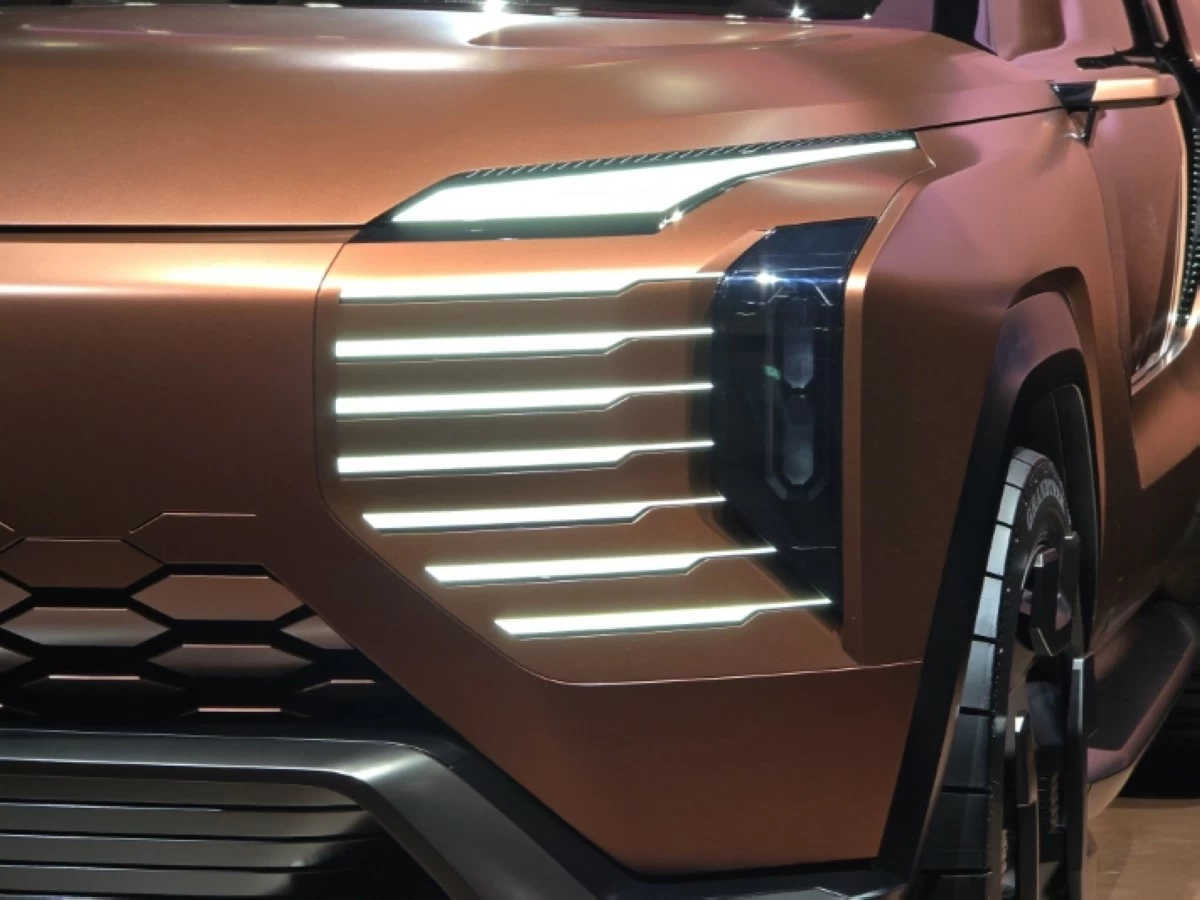
In an exclusive session attended by Philippine motoring journalists during the recently concluded Japan Mobility Show, Mitsubishi Motors’ Corporate Officer and Design Division General Manager, Seiji Watanabe, shared the brand’s evolving design philosophy that places emotion, precision, and cultural depth at the core of its future products. The discussion centered on three guiding principles known as Kaku Tan Jun, the pillars that now define Mitsubishi’s new design language.
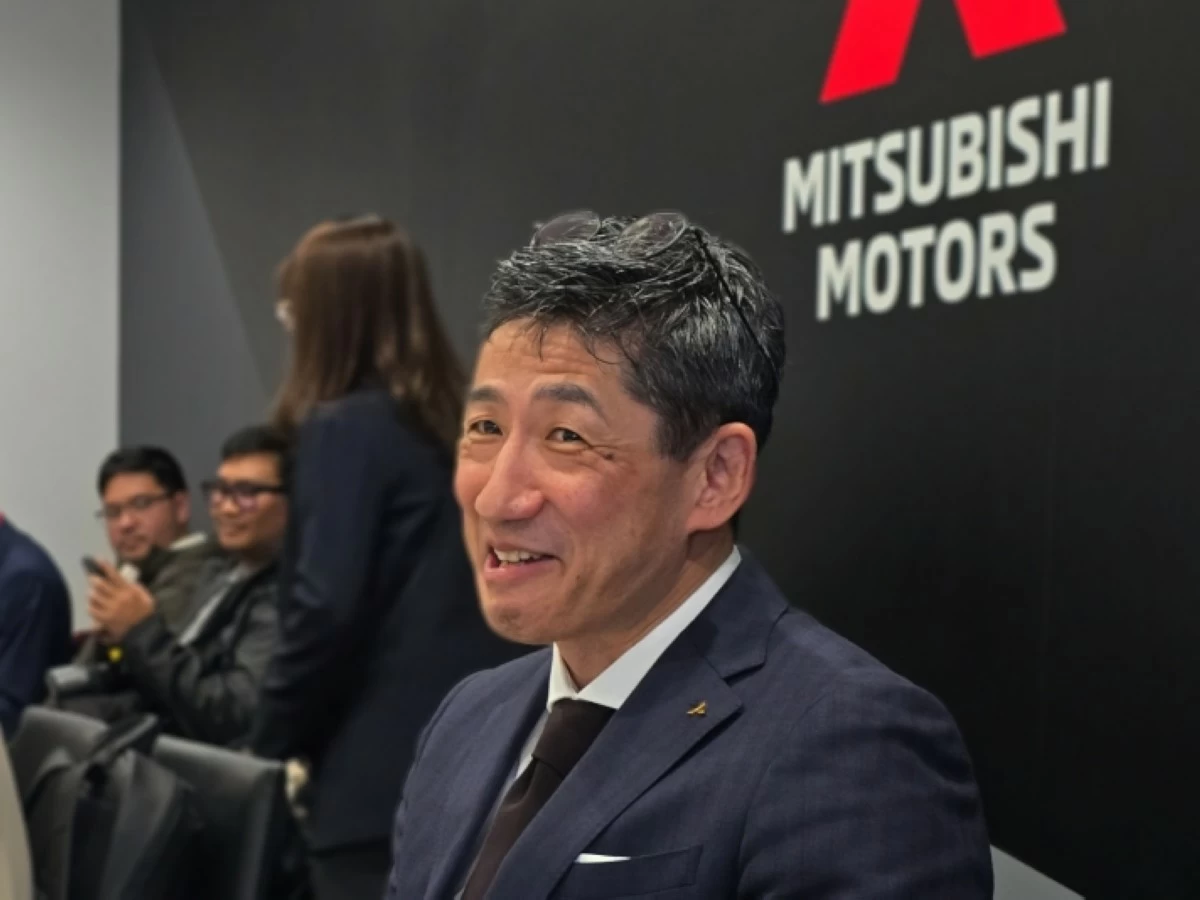
Design General Manager of the Design Division, Mr. Seiji Watanabe explains the principles of Kaku-Tan-Jun to Philippine motoring media
The essence of Kaku, Tan, and Jun
According to Watanabe-san, Mitsubishi’s new design DNA is distilled into three Japanese words that embody the company’s values and aesthetic direction. The Kaku Tan Jun philosophy was first applied in 2021 with the latest-generation Outlander, marking the beginning of Mitsubishi’s unified design direction.
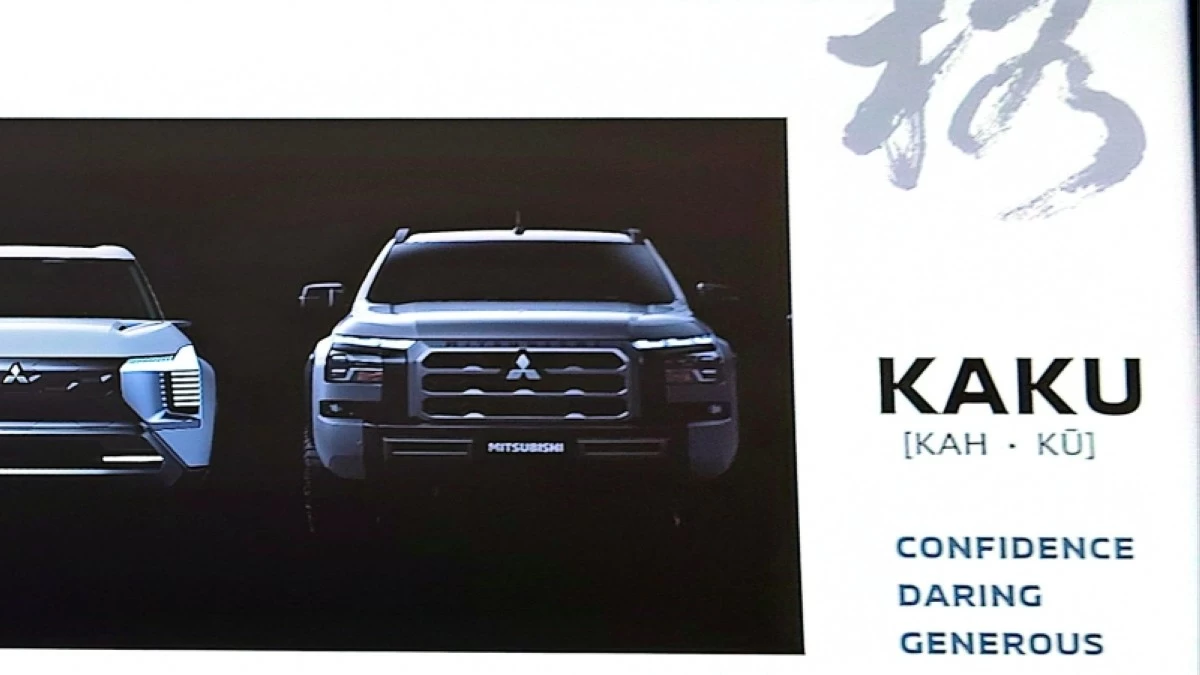
Kaku stands for confidence, daring, and generosity. It defines the strong personality that a Mitsubishi vehicle should convey. Watanabe described it as the car’s sense of dignity and composure, a confident stance that suggests dependability and self-assuredness. The concept is evident in Mitsubishi’s newest models, where bold geometry and upright proportions reflect stability and strength. The idea is not about flamboyance but about calm, self-contained power that gives each vehicle its distinct character.
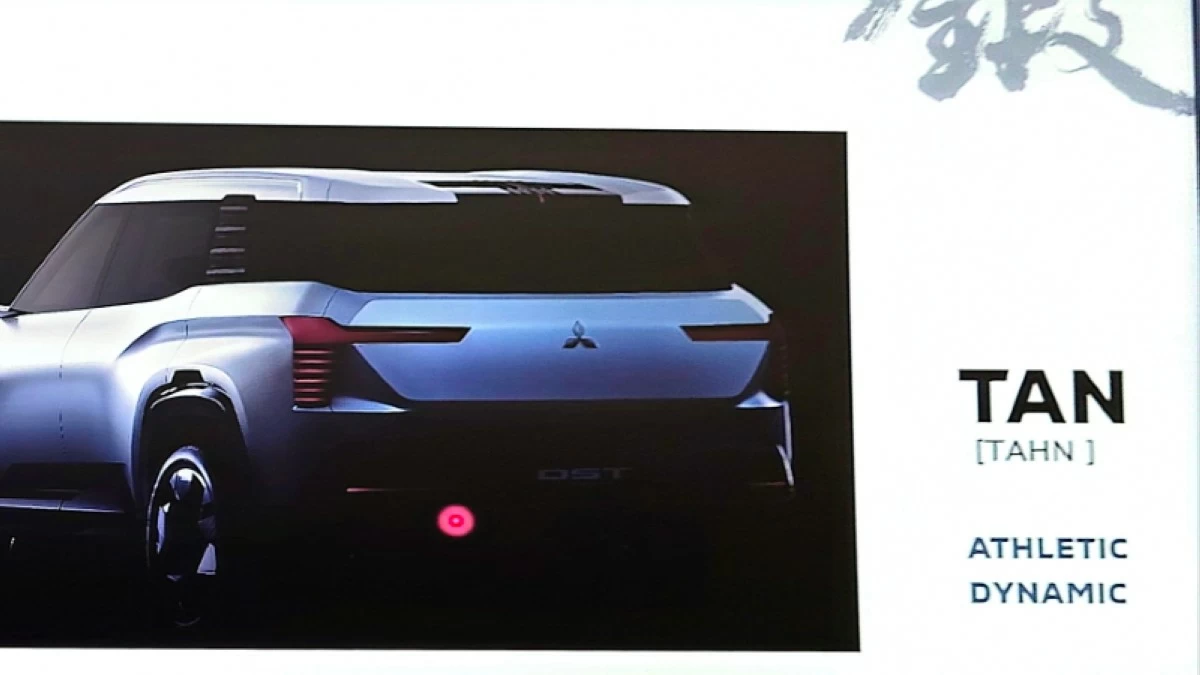
Tan, which translates to athletic dynamism, reflects Mitsubishi’s technical roots and its focus on performance-oriented robustness. The term describes strength and control, traits deeply tied to the brand’s engineering heritage, particularly its renowned Super All-Wheel Control (S-AWC) system. In design, this translates to muscular proportions, wide tracks, and volumes that communicate surefootedness. Watanabe compared it to the stance of an athlete; firmly planted, capable, and prepared for action.
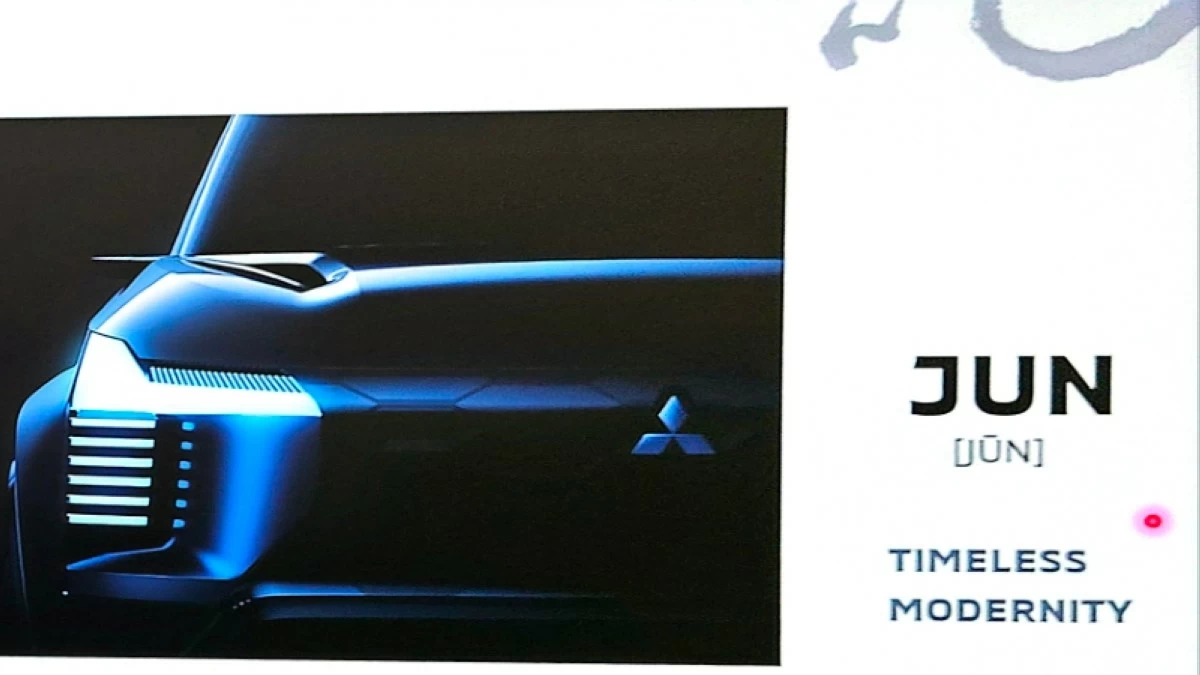
Lastly, Jun represents timeless modernity. It conveys simplicity, purity, and authenticity qualities that Watanabe considers the hardest to achieve in automotive design. The concept removes unnecessary ornamentation and emphasizes clarity of form. Clean lines, purposeful lighting signatures, and an absence of visual clutter define Jun. Watanabe explained that true modernity is not achieved through complexity but by refining every element until only the essential remains. The result is a design language that endures beyond passing trends.
From philosophy to form
This triad, Kaku-Tan-Jun, serves as the foundation of Mitsubishi’s next-generation design strategy. Together, they aim to express what Watanabe calls the “fulfillment of mobility that awakens the adventurous spirit.” Each element combines to create cars that are not only technically competent but emotionally resonant.
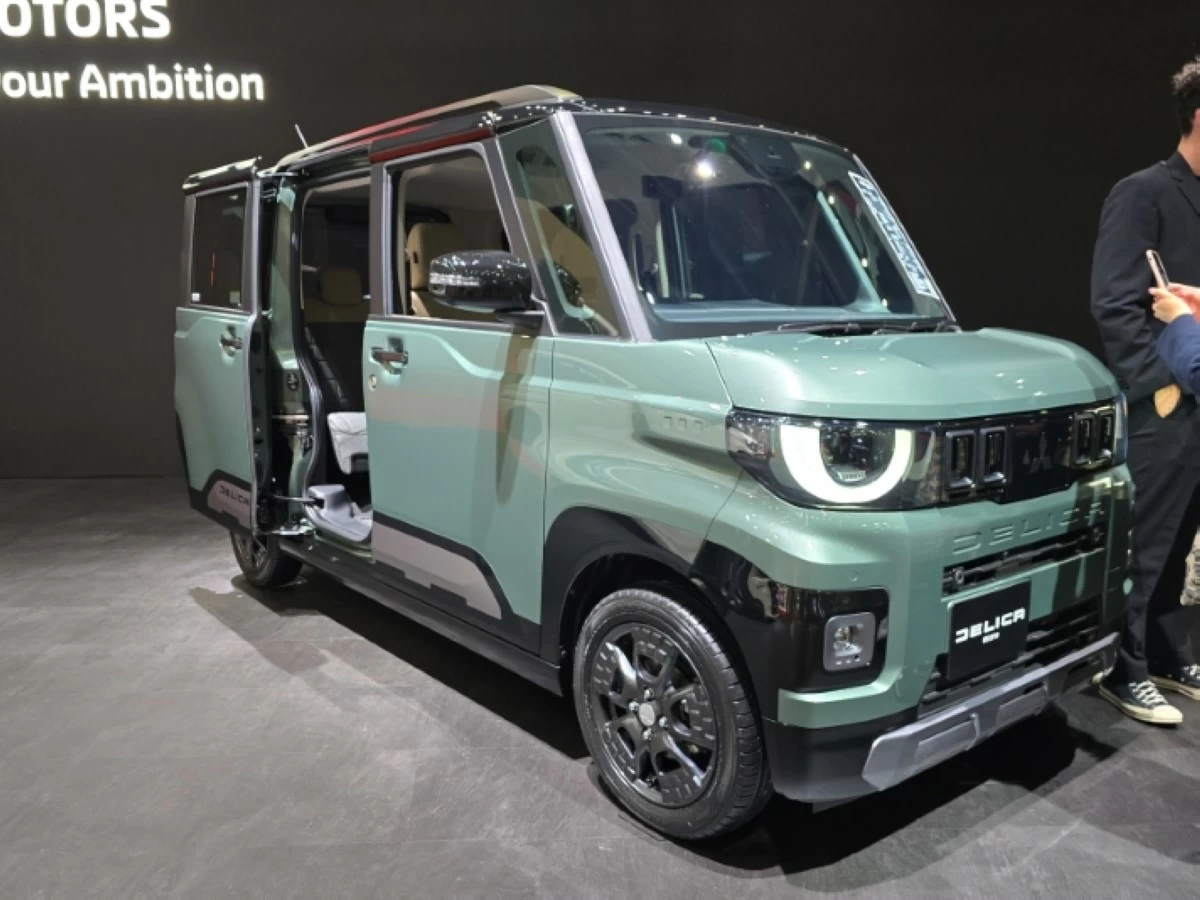
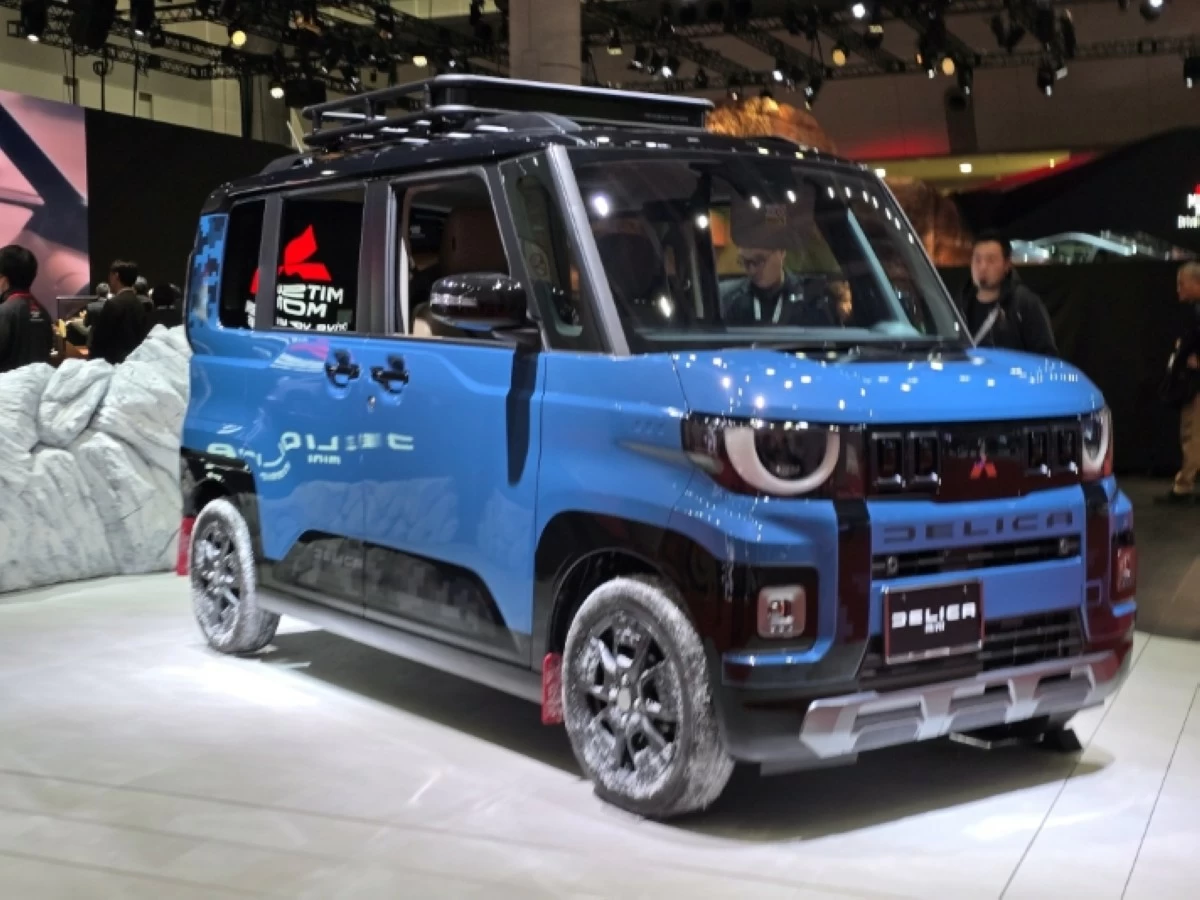
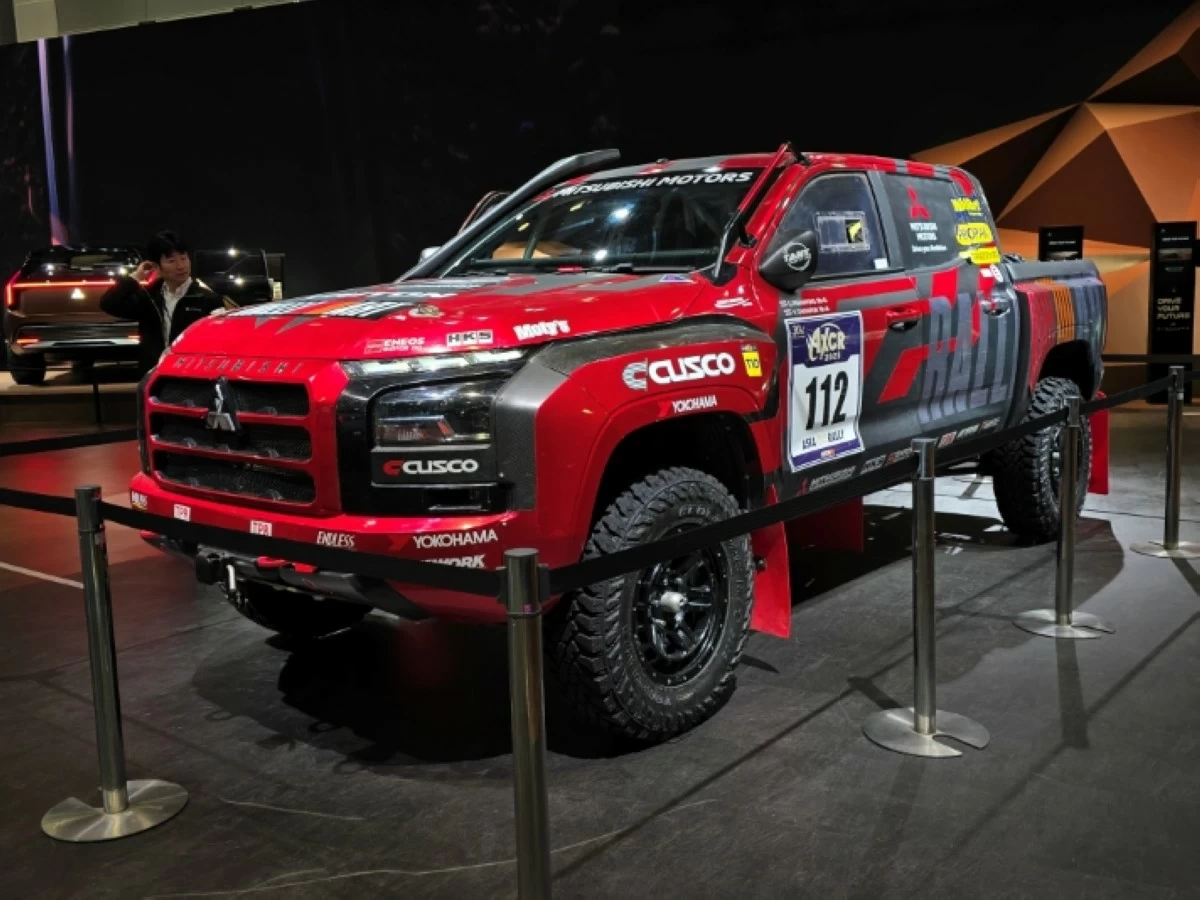
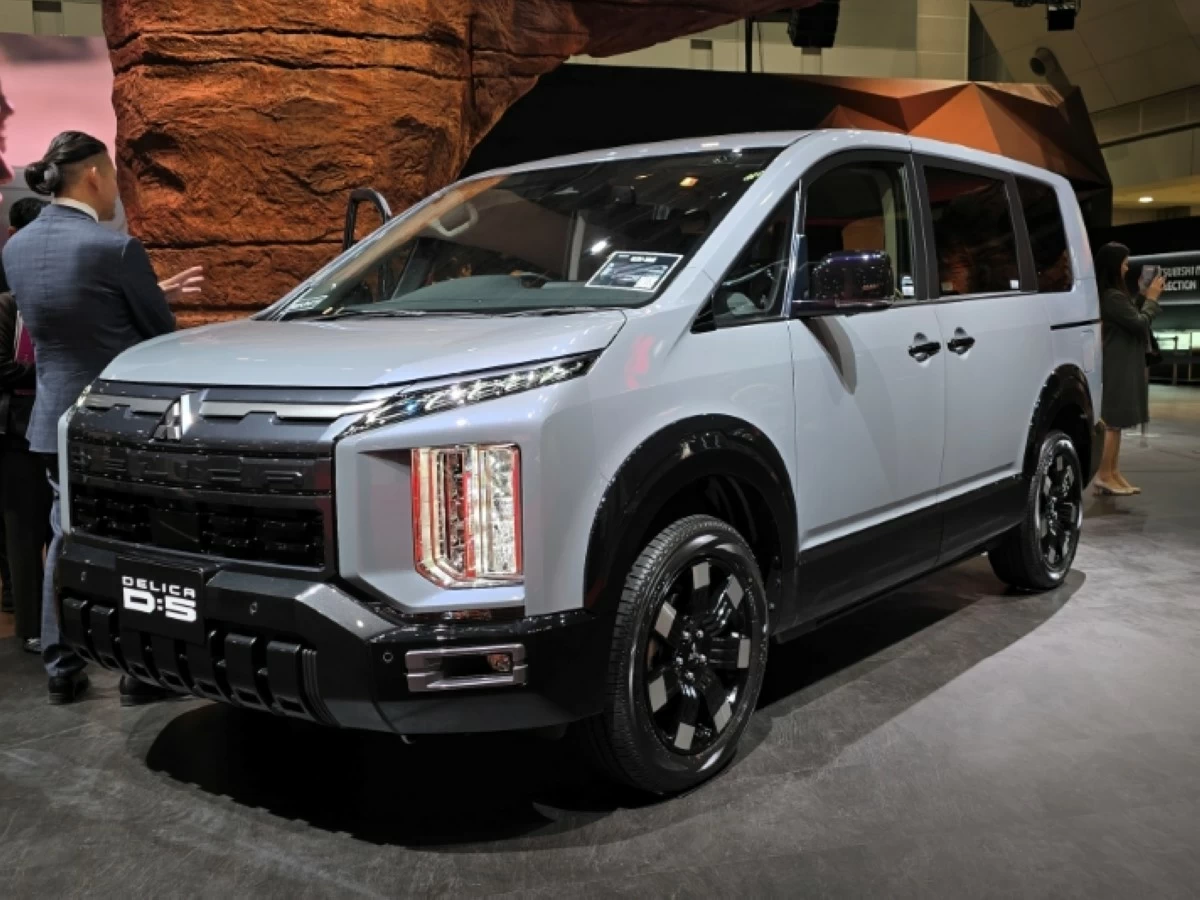
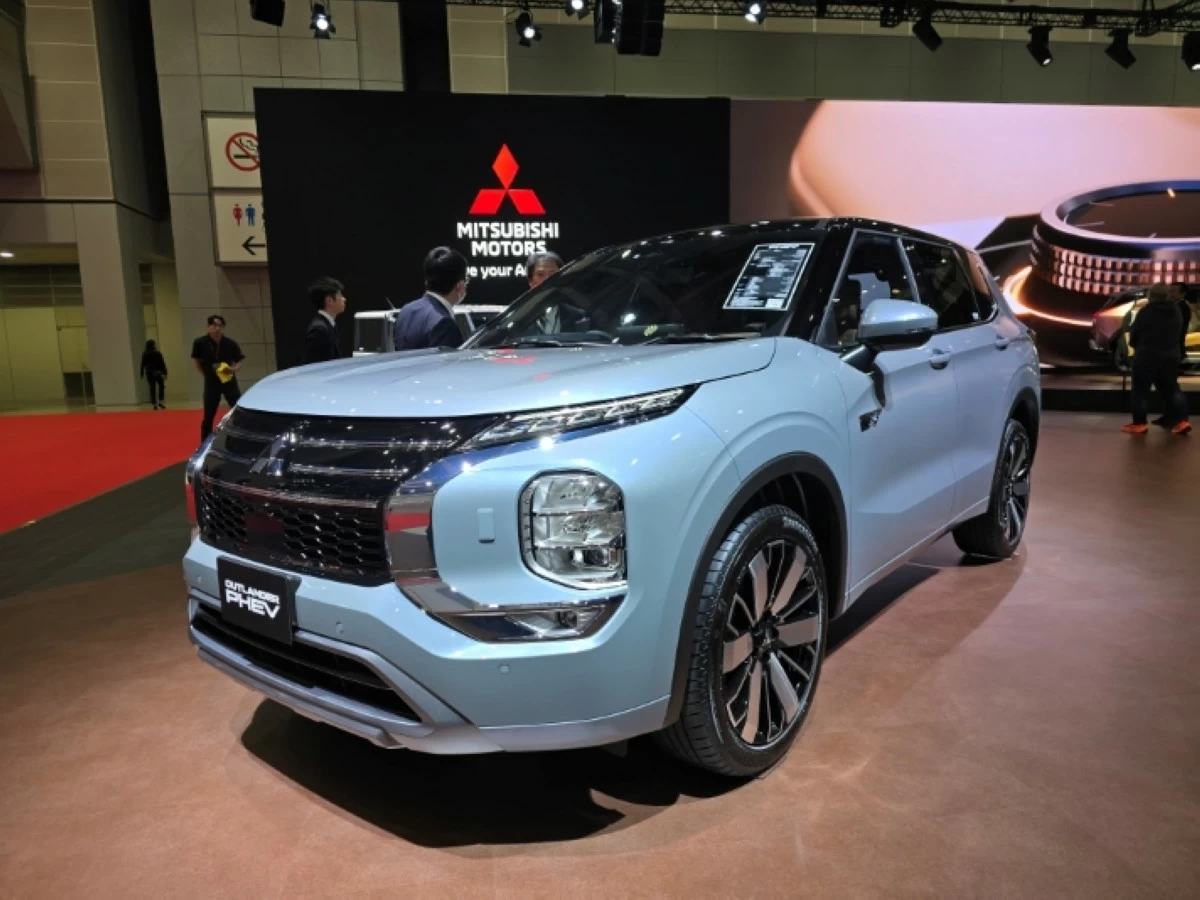
Central to this new design approach is the evolution of the brand’s iconic Dynamic Shield face. Once a purely functional concept symbolizing protection and performance, it now takes on a more sculptural and integrated form. The latest interpretation, as seen on the new Triton and the upcoming Destinator SUV, adopts a more geometric structure while maintaining a sense of protection and purpose. Watanabe said that the Dynamic Shield will continue to evolve into a three-dimensional expression that conveys both technological confidence and human warmth.
The Destinator concept, for example, embodies this design direction. It exhibits upright proportions and a clean front fascia characterized by strong vertical and horizontal lines. Its stance communicates strength and readiness, while the use of lighting elements brings precision and recognition. Watanabe emphasized that the Destinator’s design was carefully balanced to appear both urban and rugged, making it a family SUV that still connects with Mitsubishi’s off-road heritage.
Design with character and purpose
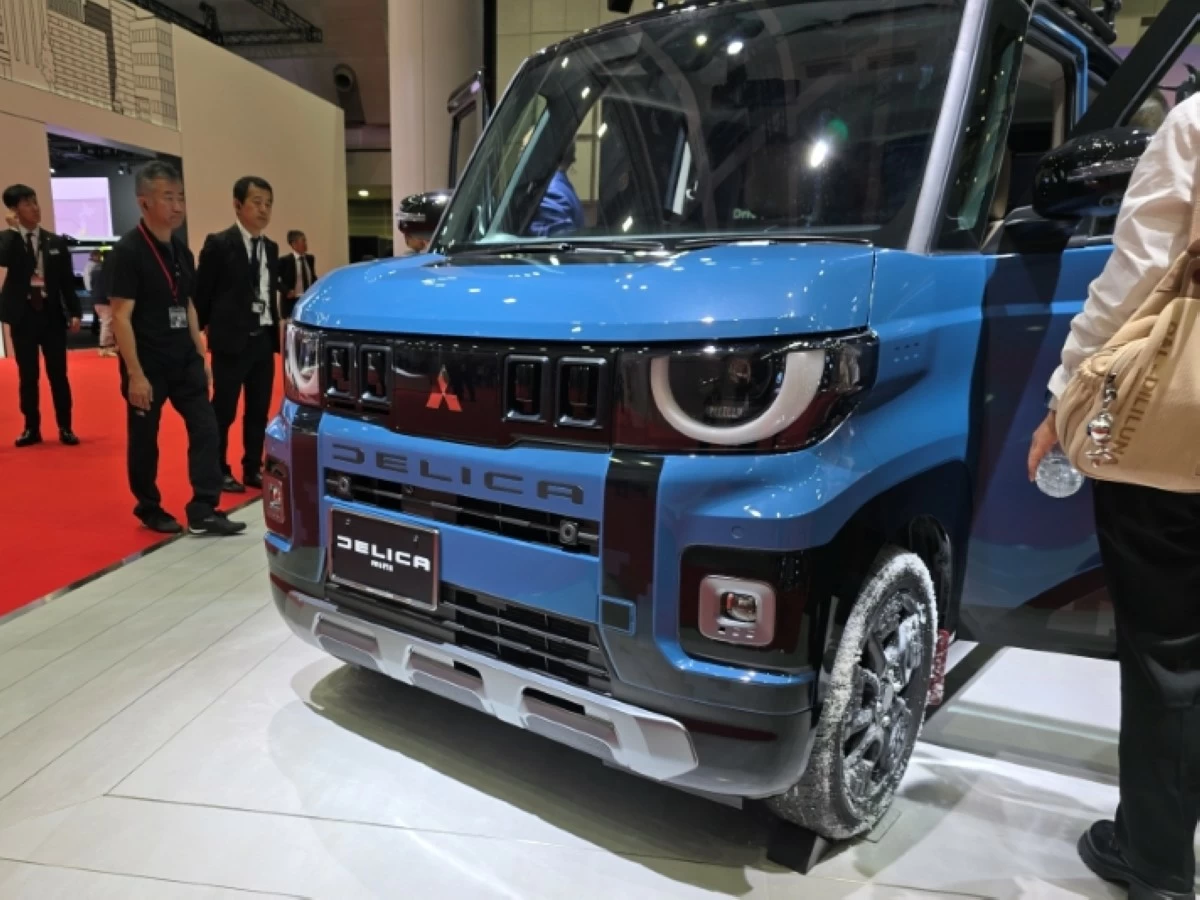
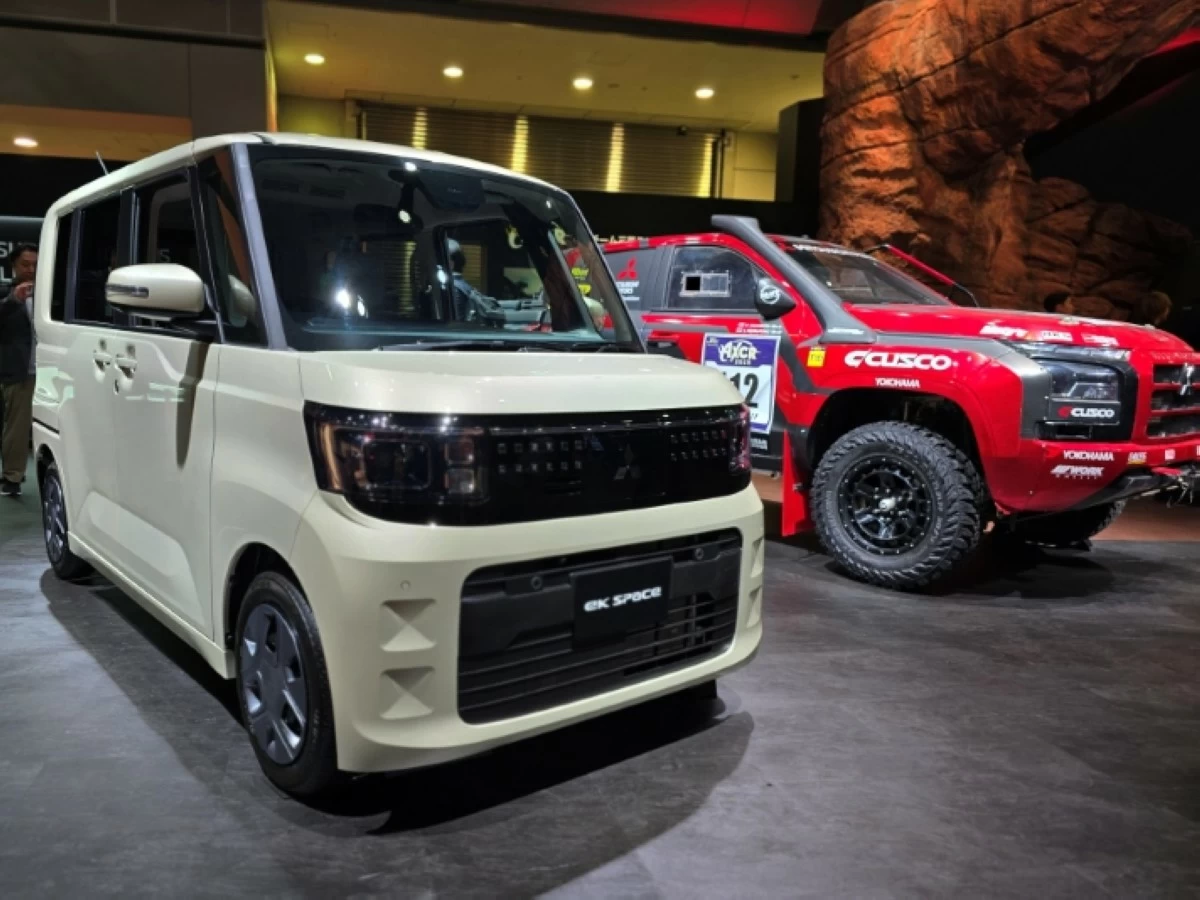
Watanabe highlighted that Mitsubishi’s design process always begins with philosophy before form. Each vehicle is envisioned according to its emotional intent rather than merely its function. “We start with Kaku Tan Jun, then apply it to each model,” he said. “For example, Triton emphasizes Kaku, confidence and strength, while Kei cars express a friendlier, more approachable personality. Each car has its own attitude, but all share the same spirit.”
This philosophy ensures coherence across Mitsubishi’s range, from compact city cars to high-performance SUVs and pickups. The result is a lineup that feels unified yet diverse, with every model expressing a distinct shade of the same design DNA.
Luxe adventure and future vision
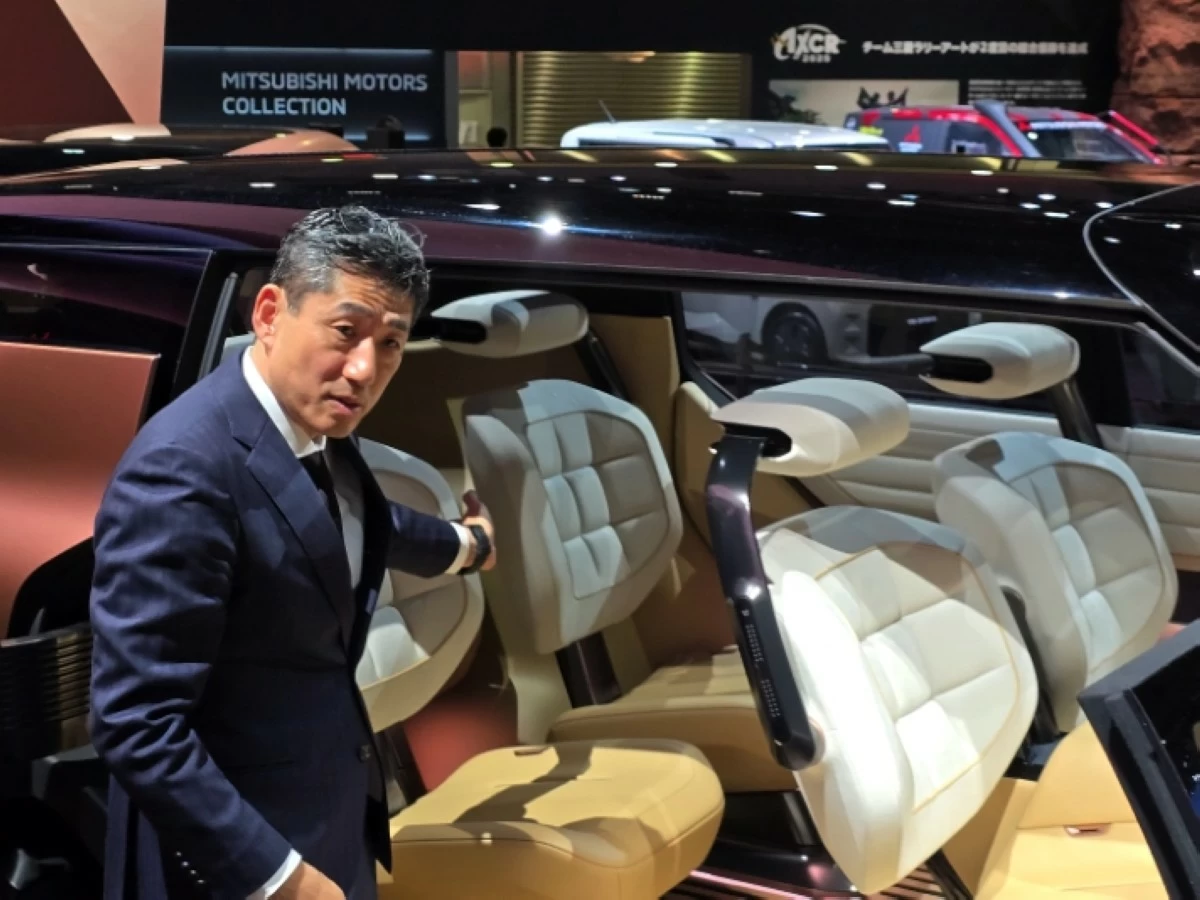
Design General Manager of the Design Division, Mr. Seiji Watanabe describes how the design principles of Kaku-Tan-Jun helped shape the Elevance Concept
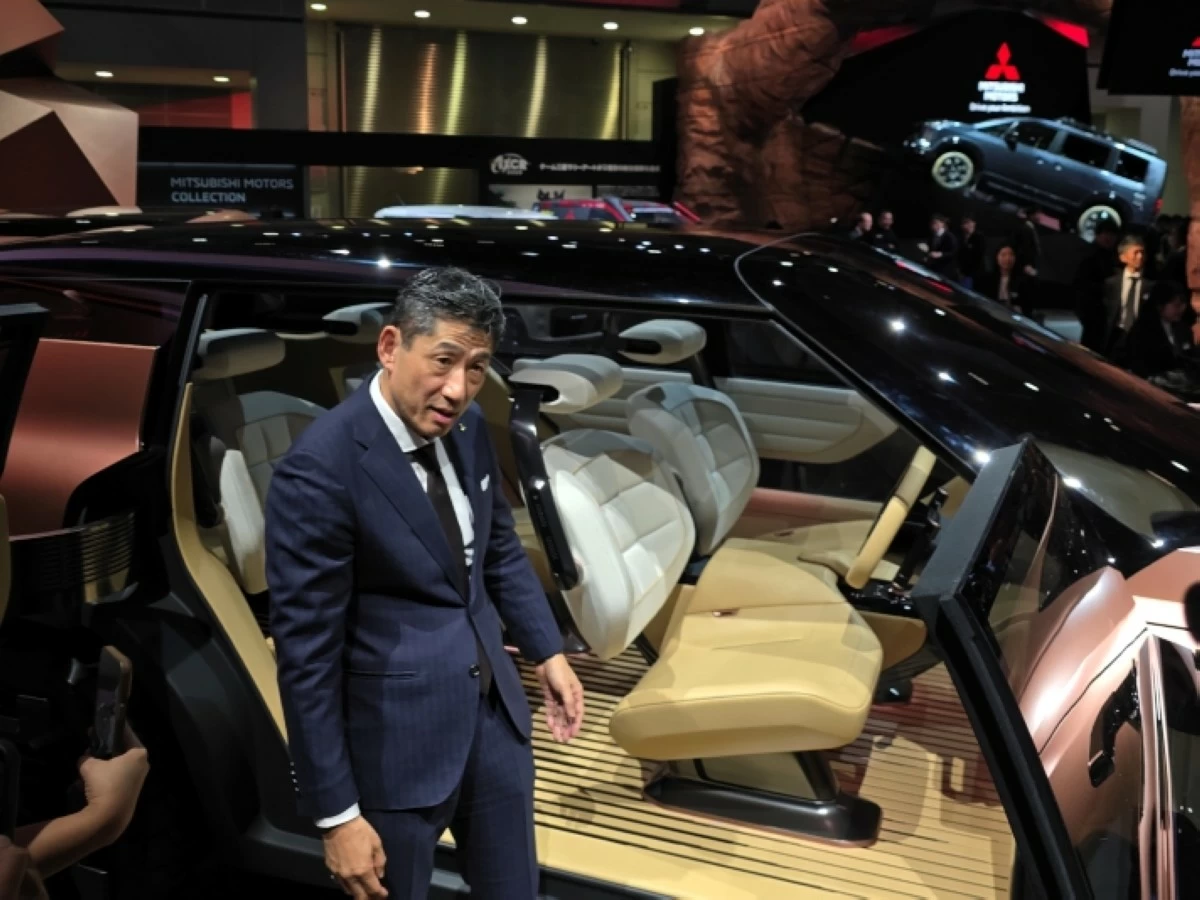
Design General Manager of the Design Division, Mr. Seiji Watanabe describes how the design principles of Kaku-Tan-Jun helped shape the Elevance Concept
Watanabe also presented Mitsubishi’s design vision for the coming decade through the Elevance concept. The theme, called “Luxe Adventurer,” envisions a new frontier in mobility, where vehicles let drivers embrace the grandeur of nature with elegance and composure. This concept merges refined craftsmanship with functional sophistication, offering a seamless connection between technology and environment.
The Elevance concept pairs a futuristic SUV with a modular trailer system, suggesting Mitsubishi’s interpretation of luxury adventure travel. Inside, the capsule-like cabin emphasizes simplicity, openness, and high visibility. “We want people to feel comforted by nature, not isolated from it,” Watanabe said. He described it as “seamless with nature, with comforted sophistication.”
Although the Elevance remains a concept for now, Watanabe confirmed that elements of its design, particularly its lighting architecture and interior simplicity, will influence production models. It symbolizes Mitsubishi’s aim to blend adventure with serenity, and ruggedness with grace.
The future of Mitsubishi design
From the latest Triton and XForce to future models like the Destinator and Elevance, Mitsubishi’s design evolution signals a brand-wide transformation. The Japanese automaker seeks not just to redefine its aesthetics but to reassert its emotional core, rooted in confidence, athleticism, and purity.
Under Watanabe’s leadership, Mitsubishi Design is no longer chasing trends but returning to its authentic identity. “Our cars are made to awaken the adventurous spirit,” he said. “That is the heart of Mitsubishi Motors.”
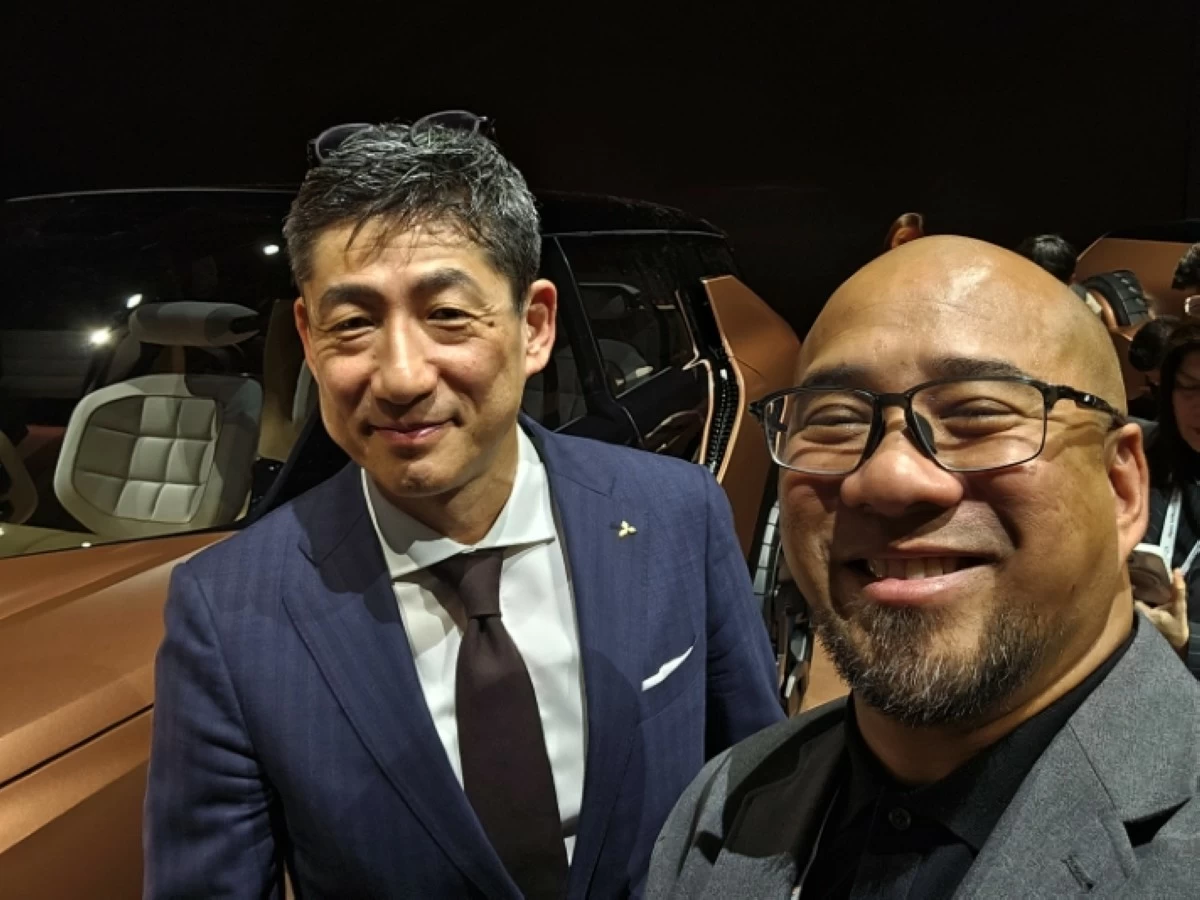
The author with Mr, Seiji Watanabe, Design General Manager of the Design Division for Mitsubishi Motors Corporation.