ADVERTISEMENT

Methane pollution still rises, but UN reports hope for near future reductions

Published Nov 18, 2025 12:33 pm
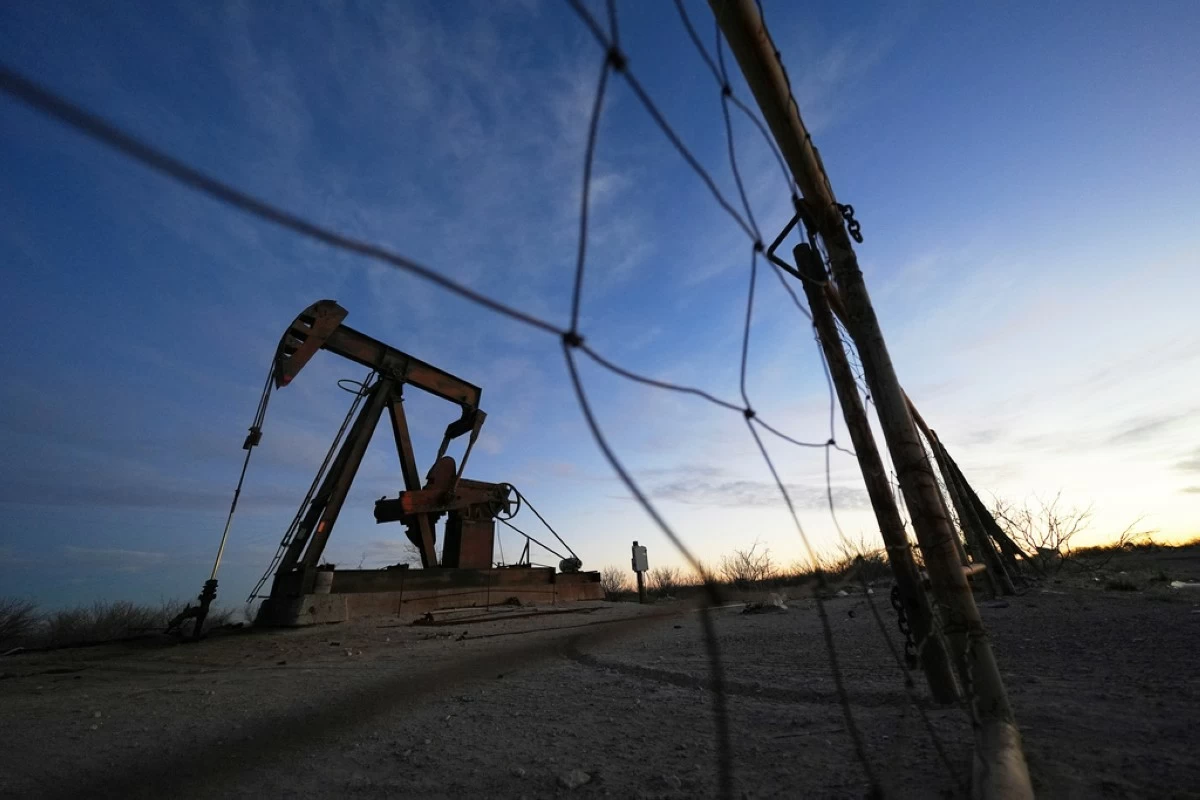
A pumpjack is visible before sunrise Feb. 26, 2025, in Kermit, Texas. (AP Photo/Julio Cortez, File)
BELEM, Brazil (AP) — Global efforts to curb emissions of the potent but short-lived heat-trapping gas methane are doing about as poorly as the more prevalent carbon dioxide, but there's hope for the next five years, U.N. officials said Monday.
Methane emissions can be a “hand brake” for slowing greenhouse gas pollution and temperatures, said Martina Otto, head of the U.N.'s climate and clean air commission for methane pollution. That's because methane from fossil fuels traps nearly 30 times the heat of the more common carbon dioxide, but because they don't last nearly as long in the air, fast action to cut methane could have a big effect on controlling warming, she said.
If countries do what they say in their climate-fighting plans, global methane emissions in 2030 will be 8% below 2020 levels, Otto said. That would be an improvement, because with no effort at all, those emissions are expected to actually rise by 13%.
And yet that's not enough. The goal of the 2021 U.N. global methane pledge is a 30% cut.
“We've gained momentum,” Otto said. “We can still make it, but it takes a whole lot of additional effort.”
Instead of a 8% decrease that the U.N. is hoping to see, outside expert Bill Hare, CEO of Climate Analytics, said his Climate Action Tracker's projections show methane emissions will remain pretty flat — neither growing or shrinking much — between now and 2030. Either flat or an 8% drop as the U.N. predicts would be better than projections for growing carbon dioxide, he said.
Over the last six years, carbon dioxide and methane emissions have grown at roughly the same rate, about 4% Hare said.
Methane stays in the atmosphere about a dozen years compared to hundreds of years for carbon dioxide.
Officials said that for methane emissions that come from burning fossil fuels — about 72% of the methane humans put into the air — in many cases it would save companies money to capture and use gas that is just burned off at drilling sites because it's easier, often because there is no infrastructure to collect it and transport it. They could make money capturing the leaking or flaring methane, but the return on investment on capturing leaking methane is not as big as new exploration, Otto said.
“This report shows some very hard truths but also a sliver of hope,” said Oxford University’s Paul Behrens.
European energy and housing commissioner Dan Jørgensen said the last five years have shown "unparalleled action'' to reduce methane emissions.
“It takes time to see results,” Jørgensen said. “Persistence and patience are key.”

Related Tags

WORLDNEWS United Nations
ADVERTISEMENT
.most-popular .layout-ratio{ padding-bottom: 79.13%; } @media (min-width: 768px) and (max-width: 1024px) { .widget-title { font-size: 15px !important; } }

{{ articles_filter_1561_widget.title }}

.most-popular .layout-ratio{ padding-bottom: 79.13%; } @media (min-width: 768px) and (max-width: 1024px) { .widget-title { font-size: 15px !important; } }

{{ articles_filter_1562_widget.title }}

.most-popular .layout-ratio{ padding-bottom: 79.13%; } @media (min-width: 768px) and (max-width: 1024px) { .widget-title { font-size: 15px !important; } }

{{ articles_filter_1563_widget.title }}

{{ articles_filter_1564_widget.title }}

.mb-article-details { position: relative; } .mb-article-details .article-body-preview, .mb-article-details .article-body-summary{ font-size: 17px; line-height: 30px; font-family: "Libre Caslon Text", serif; color: #000; } .mb-article-details .article-body-preview iframe , .mb-article-details .article-body-summary iframe{ width: 100%; margin: auto; } .read-more-background { background: linear-gradient(180deg, color(display-p3 1.000 1.000 1.000 / 0) 13.75%, color(display-p3 1.000 1.000 1.000 / 0.8) 30.79%, color(display-p3 1.000 1.000 1.000) 72.5%); position: absolute; height: 200px; width: 100%; bottom: 0; display: flex; justify-content: center; align-items: center; padding: 0; } .read-more-background a{ color: #000; } .read-more-btn { padding: 17px 45px; font-family: Inter; font-weight: 700; font-size: 18px; line-height: 16px; text-align: center; vertical-align: middle; border: 1px solid black; background-color: white; } .hidden { display: none; }
function initializeAllSwipers() { // Get all hidden inputs with cms_article_id document.querySelectorAll('[id^="cms_article_id_"]').forEach(function (input) { const cmsArticleId = input.value; const articleSelector = '#article-' + cmsArticleId + ' .body_images'; const swiperElement = document.querySelector(articleSelector); if (swiperElement && !swiperElement.classList.contains('swiper-initialized')) { new Swiper(articleSelector, { loop: true, pagination: false, navigation: { nextEl: '#article-' + cmsArticleId + ' .swiper-button-next', prevEl: '#article-' + cmsArticleId + ' .swiper-button-prev', }, }); } }); } setTimeout(initializeAllSwipers, 3000); const intersectionObserver = new IntersectionObserver( (entries) => { entries.forEach((entry) => { if (entry.isIntersecting) { const newUrl = entry.target.getAttribute("data-url"); if (newUrl) { history.pushState(null, null, newUrl); let article = entry.target; // Extract metadata const author = article.querySelector('.author-section').textContent.replace('By', '').trim(); const section = article.querySelector('.section-info ').textContent.replace(' ', ' '); const title = article.querySelector('.article-title h1').textContent; // Parse URL for Chartbeat path format const parsedUrl = new URL(newUrl, window.location.origin); const cleanUrl = parsedUrl.host + parsedUrl.pathname; // Update Chartbeat configuration if (typeof window._sf_async_config !== 'undefined') { window._sf_async_config.path = cleanUrl; window._sf_async_config.sections = section; window._sf_async_config.authors = author; } // Track virtual page view with Chartbeat if (typeof pSUPERFLY !== 'undefined' && typeof pSUPERFLY.virtualPage === 'function') { try { pSUPERFLY.virtualPage({ path: cleanUrl, title: title, sections: section, authors: author }); } catch (error) { console.error('ping error', error); } } // Optional: Update document title if (title && title !== document.title) { document.title = title; } } } }); }, { threshold: 0.1 } ); function showArticleBody(button) { const article = button.closest("article"); const summary = article.querySelector(".article-body-summary"); const body = article.querySelector(".article-body-preview"); const readMoreSection = article.querySelector(".read-more-background"); // Hide summary and read-more section summary.style.display = "none"; readMoreSection.style.display = "none"; // Show the full article body body.classList.remove("hidden"); } document.addEventListener("DOMContentLoaded", () => { let loadCount = 0; // Track how many times articles are loaded const offset = [1, 2, 3, 4, 5, 6, 7, 8, 9, 10]; // Offset values const currentUrl = window.location.pathname.substring(1); let isLoading = false; // Prevent multiple calls if (!currentUrl) { console.log("Current URL is invalid."); return; } const sentinel = document.getElementById("load-more-sentinel"); if (!sentinel) { console.log("Sentinel element not found."); return; } function isSentinelVisible() { const rect = sentinel.getBoundingClientRect(); return ( rect.top < window.innerHeight && rect.bottom >= 0 ); } function onScroll() { if (isLoading) return; if (isSentinelVisible()) { if (loadCount >= offset.length) { console.log("Maximum load attempts reached."); window.removeEventListener("scroll", onScroll); return; } isLoading = true; const currentOffset = offset[loadCount]; window.loadMoreItems().then(() => { let article = document.querySelector('#widget_1690 > div:nth-last-of-type(2) article'); intersectionObserver.observe(article) loadCount++; }).catch(error => { console.error("Error loading more items:", error); }).finally(() => { isLoading = false; }); } } window.addEventListener("scroll", onScroll); });

Sign up by email to receive news.