






 Entertainment
Hallyuwood
England school bans singing of Netflix's 'KPop Demon Hunters' songs: 'Spiritual forces opposed to God'
Entertainment
Hallyuwood
England school bans singing of Netflix's 'KPop Demon Hunters' songs: 'Spiritual forces opposed to God'
England school bans singing of Netflix's 'KPop Demon Hunters' songs: 'Spiritual forces opposed to God'


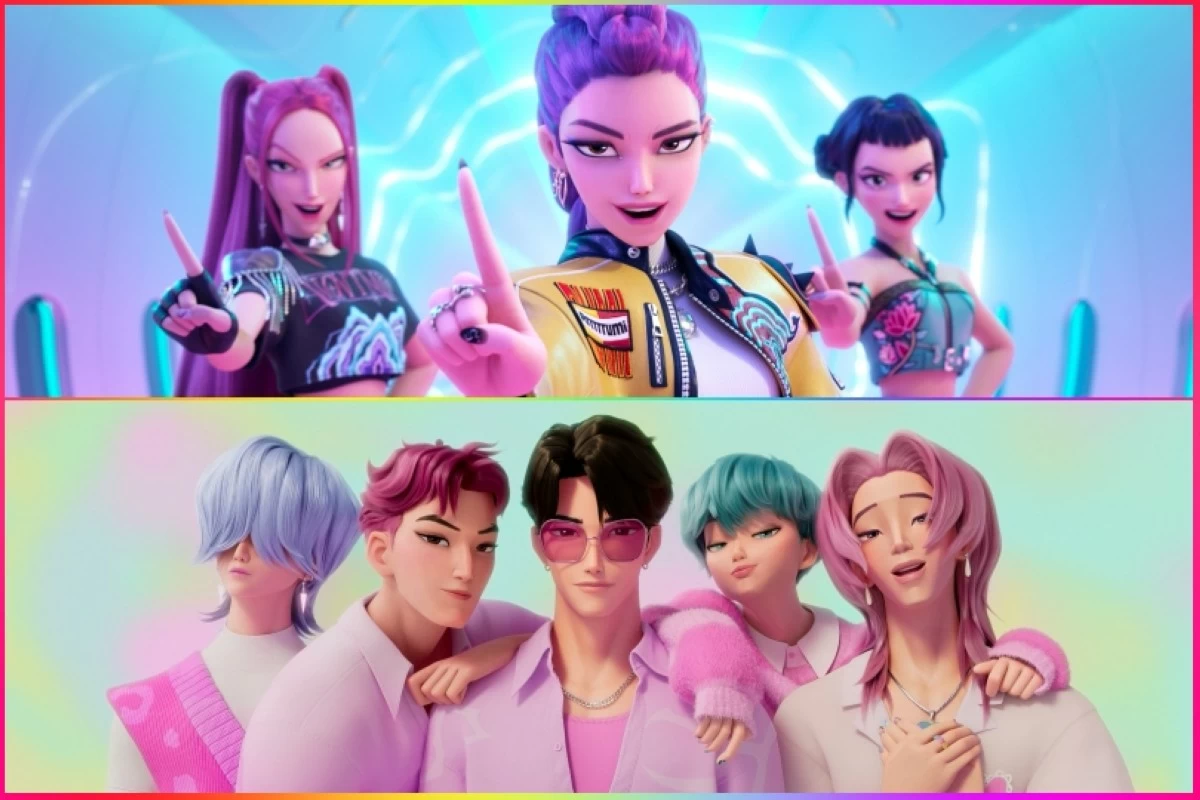
A school in Dorset, England has banned the singing of songs from Netflix’s popular film “KPop Demon Hunters” because these are contrary to Christian beliefs.
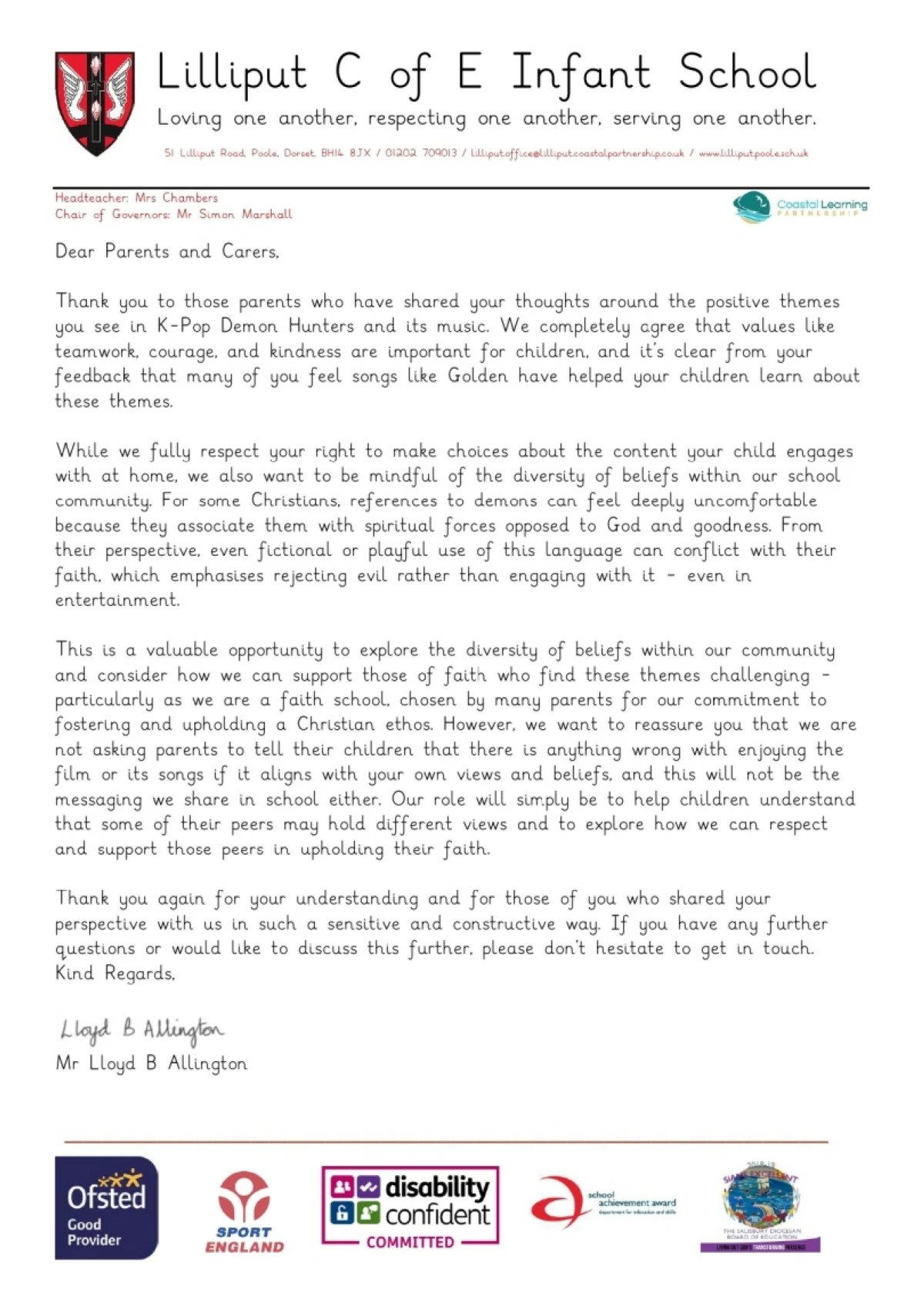
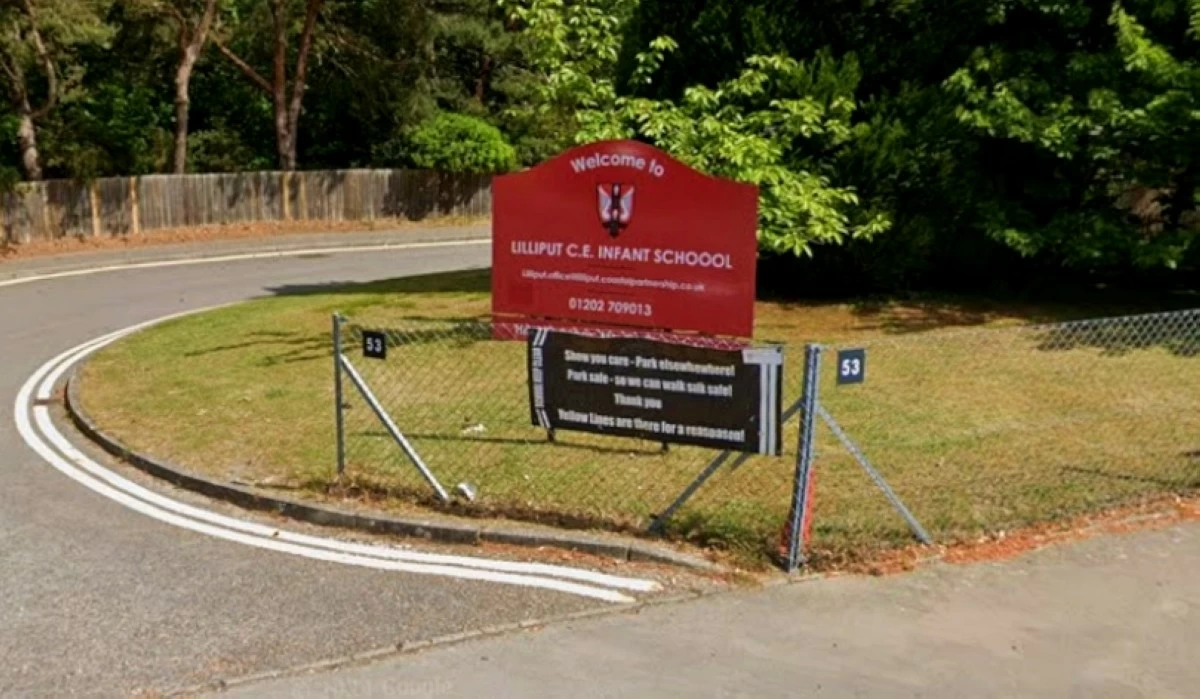
BBC reported that Lilliput Church of England Infant School, located in Poole, Dorset, sent a message to parents, telling them that some were “deeply uncomfortable” with references to demons.
“KPop Demon Hunters” is about the members of K-pop girl group Huntr/x who are also demon hunters. Their rival, Saja Boys, are demons.
On the songs from the hit film, the school said some people in the community "associate them with spiritual forces opposed to God and goodness.”
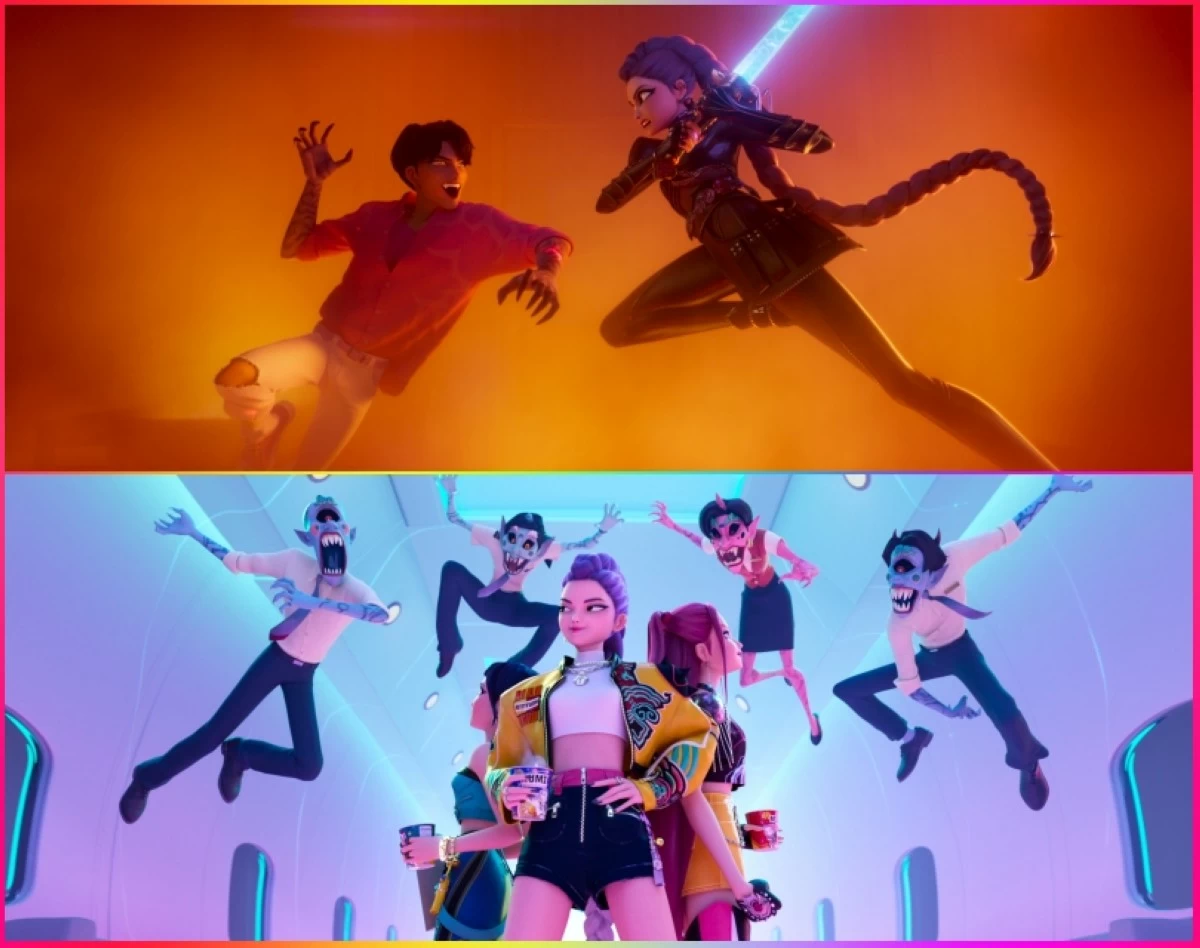
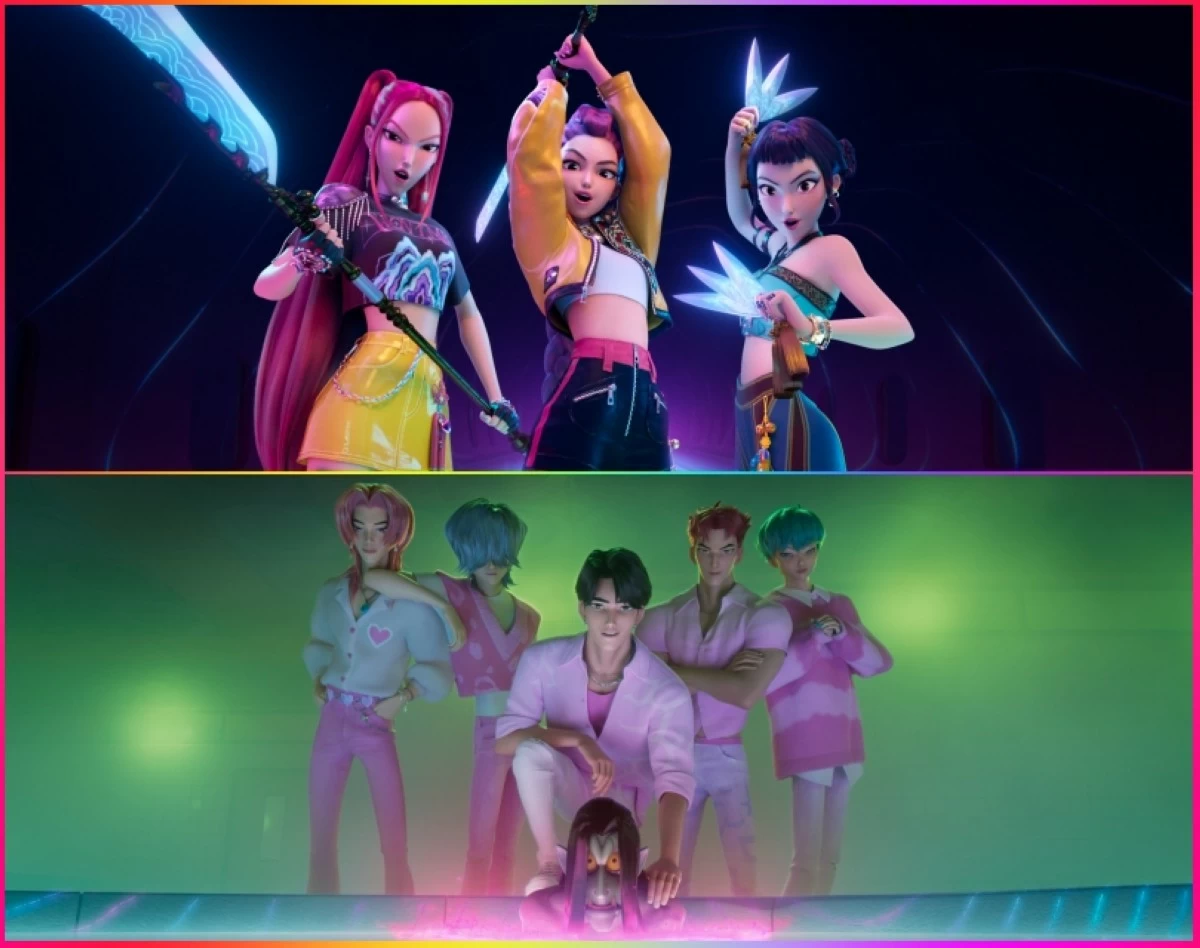
Since its release in June, “KPop Demon Hunters” has become the No. 1 most watched English film on Netflix of all time with a total of 325.1 million views to date.
Popular songs from the “KPop Demon Hunters” soundtrack are “Golden” and “Soda Pop.”
“Golden” has earned nominations at the 2026 Grammy Awards for Song of the Year, Best Song Written for Visual Media, Best Pop Duo/Group Performance, and Best Remixed Recording.
“KPop Demon Hunters” is also nominated for Best Compilation Soundtrack for Visual Media.
In a new letter to parents and carers, Lloyd Allington, acting headteacher of Lilliput Church of England Infant School, said, “Thank you to those parents who have shared your thoughts around the positive themes you see in K-Pop Demon Hunters and its music. We completely agree that values like teamwork, courage, and kindness are important for children, and it’s clear from your feedback that many of you feel songs like Golden have helped your children learn about these themes.”
“While we fully respect your right to make choices about the content your child engages with at home, we also want to be mindful of the diversity of beliefs within our school community,” he said.
He added, “For some Christians, references to demons can feel deeply uncomfortable because they associate them with spiritual forces opposed to God and goodness. From their perspective, even fictional or playful use of this language can conflict with their faith, which emphasises rejecting evil rather than engaging with it - even in entertainment.”
“This is a valuable opportunity to explore the diversity of beliefs within our community and consider how we can support those of faith who find these themes challenging - particularly as we are a faith school, chosen by many parents for our commitment to fostering and upholding a Christian ethos,” he said.
Allington added, “However, we want to reassure you that we are not asking parents to tell their children that there is anything wrong with enjoying the film or its songs if it aligns with your own views and beliefs, and this will not be the messaging we share in school either. Our role will simply be to help children understand that some of their peers may hold different views and to explore how we can respect and support those peers in upholding their faith.”
“Thank you again for your understanding and for those of you who shared your perspective with us in such a sensitive and constructive way. If you have any further questions or would like to discuss this further, please don’t hesitate to get in touch,” he said.