






Manila Bulletin
 Philippines
National
Don't give alms: DSWD urges public to reach out to street families through proper programs
Philippines
National
Don't give alms: DSWD urges public to reach out to street families through proper programs
Philippines
National
Don't give alms: DSWD urges public to reach out to street families through proper programs
Don't give alms: DSWD urges public to reach out to street families through proper programs
Published Nov 18, 2025 01:58 pm


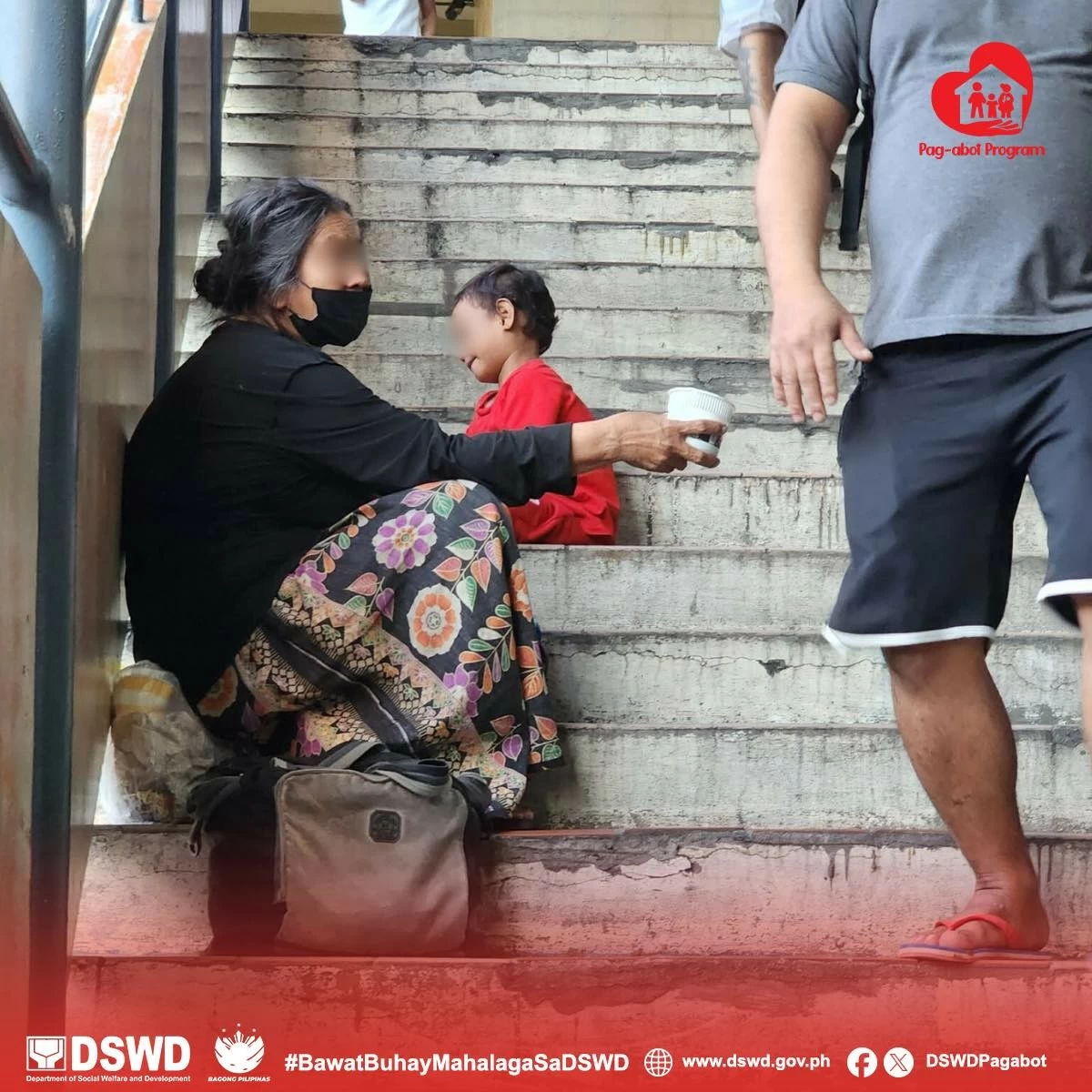
(DSWD PAG-ABOT PROGRAM/FACEBOOK)
The Department of Social Welfare and Development (DSWD) on Tuesday, Nov. 18 reminded the public not to give alms to indigenous peoples (IPs), children, and families in street situations (FISS), particularly during the holiday season.
Instead, the agency urged people to extend assistance through organized programs that aim to protect these groups and help them transition off the streets.
“Naiintindihan po namin na sa panahong ito, marami sa ating mga kababayan ang nais na magbahagi ng tulong sa ating mga kapatid na IPs, at sa mga batang nasa lansangan. Kami po ay muling umaapela sa inyo na huwag po tayong magbigay ng limos sa kanila, bagkus ay magbahagi tayo ng tulong sa tamang pamamaraan,” DSWD Assistant Secretary and spokesperson Irene Dumlao said.
(We understand that many of our fellow citizens want to share help with our IPs and children in the streets. We appeal to everyone not to give alms, but instead provide assistance in the right way).
Dumlao encouraged the public to participate in the DSWD’s “Pag-Abot Program,” which conducts outreach activities to safeguard IPs and FISS from risks associated with street mendicancy.
The program provides both short-term and long-term interventions to help individuals and families live dignified and sustained lives off the streets.
The Pag-Abot Program operates a processing center in the Nasdake Building in Pasay City, which also houses the “Walang Gutom Kitchen” that serves hot meals to reached-out families and individuals.
“Hinihikayat din po namin ang ating mga kababayan at mga private groups na nais tumulong sa aming Walang Gutom Kitchen. Ang soup kitchen po ay tumatanggap ng mga donasyong pagkain at mga volunteers na nais maglaan ng kanilang oras para sa ating mga kababayang na-reach out sa mga lansangan,” Dumlao said.
(We also encourage citizens and private groups who wish to help our Walang Gutom Kitchen. The soup kitchen accepts food donations and volunteers who want to dedicate their time to those we have reached out to in the streets).
Since its launch, the Pag-Abot Program has profiled around 14,000 individuals and provided assistance to about 8,000 families and individuals.