






Manila Bulletin
 Philippines
National
DepEd speeds up post-typhoon recovery, deploys alternative learning modes in hard-hit areas
Philippines
National
DepEd speeds up post-typhoon recovery, deploys alternative learning modes in hard-hit areas
Philippines
National
DepEd speeds up post-typhoon recovery, deploys alternative learning modes in hard-hit areas
DepEd speeds up post-typhoon recovery, deploys alternative learning modes in hard-hit areas
Published Nov 18, 2025 05:36 pm


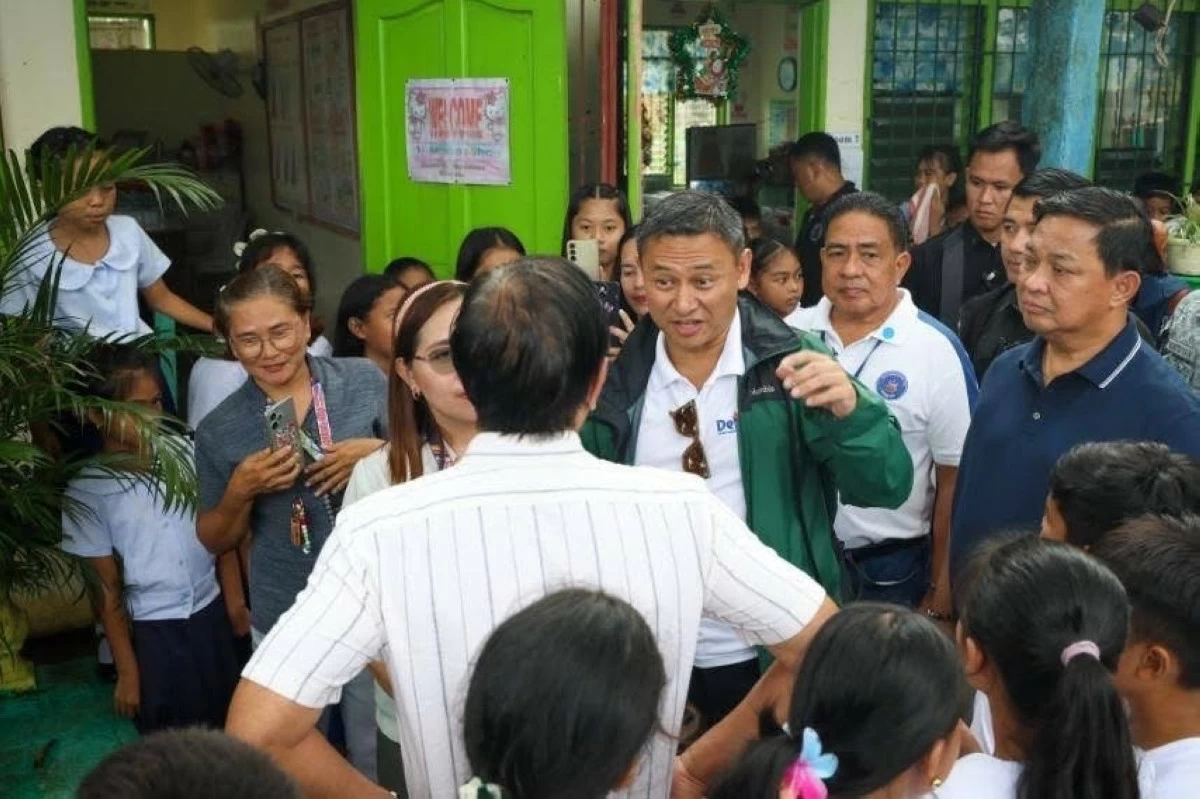
DepEd Secretary Sonny Angara and President Marcos inspect affected schools to fast-track rehabilitation. (DepEd photo)
The Department of Education (DepEd) has intensified recovery operations in communities devastated by Super Typhoon Uwan and Typhoon Tino, pairing clearing efforts with the rapid rollout of alternative learning modes to keep education on track despite widespread destruction.
In a statement issued Tuesday, November 18, DepEd said the updates were presented during the DepEd Management Committee Meeting in Puerto Princesa City, where regional offices detailed pre-disaster preparations and ongoing strategies to sustain learning in severely affected areas.
Bicol inspection
The urgency of maintaining learning continuity was underscored when DepEd Secretary Sonny Angara accompanied President Ferdinand Marcos Jr. during a ground inspection in Bicol on Tuesday.
The officials visited Cararayan-Naga Elementary School in Tiwi, Albay, before proceeding to a situation briefing on the extent of storm-related damage.
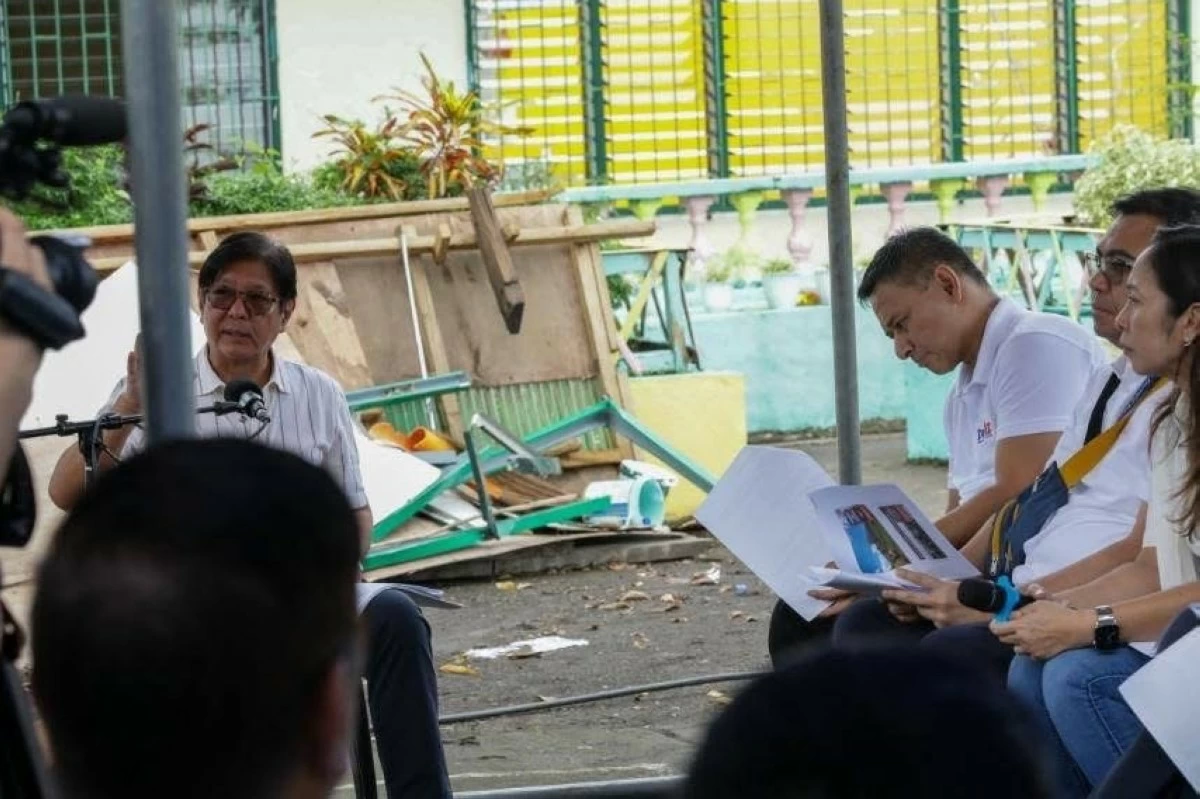
DepEd has intensified recovery efforts after Super Typhoon Uwan and Typhoon Tino, deploying alternative learning modes and funding repairs as Region V reports over 5,700 damaged classrooms. (DepEd photo)
“Hindi tayo titigil sa pag-aayos ng mga paaralan, sa pagbibigay ng alternatibong paraan ng pag-aaral, at sa pagbabalik ng bawat bata sa kanilang karapatan sa edukasyon nang ligtas at mabilis (We will not stop fixing schools, providing alternative ways of learning, and restoring every child’s right to education safely and swiftly),” Angara said.
807 schools damaged in Region V
DepEd noted that Region V emerged as the hardest hit, with 807 schools damaged and 5,742 classrooms affected.
Of these, 743 classrooms were totally destroyed, with the heaviest losses recorded in Albay (237 classrooms), Masbate (229 classrooms), and Catanduanes (190 classrooms).
DepEd reported 1,307 classrooms with major damage and 3,664 with minor damage.
To support immediate repairs, DepEd said it has downloaded P326 million to Region V for interventions across 1,319 schools, with additional funds for clean-up and clearing operations set for release this week.
Pre-positioned learning materials minimized disruptions
DepEd field offices began preparations days before Typhoon Uwan’s landfall.
Several regions pre-positioned Self-Learning Modules (SLMs), Learning Activity Sheets (LAS), and Dynamic Learning Program (DLP) materials.
These resources enabled schools—particularly in Region V—to quickly shift to alternative delivery modes amid power outages, flooding, and blocked roads, DepEd said.
DepEd added that most regions resumed face-to-face classes as of November 12, including schools that previously served as evacuation centers.
Blended learning activated in storm-hit areas
To maintain learning continuity, regions employed various setups depending on local conditions, such as online lessons, printed modules, SMS-based instructions, and blended learning combinations.
DepEd said regional teams also carried out rapid damage assessments, coordinated clean-up drives, and worked closely with LGUs and volunteers to reopen campuses.
Temporary learning spaces and strengthened ADM
DepEd officials said the next stage of rehabilitation includes constructing upgraded temporary learning spaces for schools with major or total damage; expanding Alternative Delivery Mode (ADM) training for teachers; improving coordination and reporting systems with LGUs; scaling up psychosocial support for affected learners and personnel; and ensuring efficient use of preparedness and recovery funds.
Government pushes for safe learning environments
DepEd stressed that the joint inspection by President Marcos and Angara demonstrates a coordinated national effort to restore safe, resilient, and functional learning spaces while communities continue recovering from the twin typhoons.
Moreover, DepEd affirmed that it will continue accelerating rehabilitation to ensure that every learner can safely return to school and resume their education without prolonged disruptions.