






Manila Bulletin
 Philippines
Mindanao
Rep. Paolo Duterte presses mandatory hair follicle drug test for all government officials
Philippines
Mindanao
Rep. Paolo Duterte presses mandatory hair follicle drug test for all government officials
Philippines
Mindanao
Rep. Paolo Duterte presses mandatory hair follicle drug test for all government officials
Rep. Paolo Duterte presses mandatory hair follicle drug test for all government officials
Call aired after Sen. Imee disclosure on brother PBBM at INC rally
By Ivy Tejano
Published Nov 17, 2025 10:16 pm


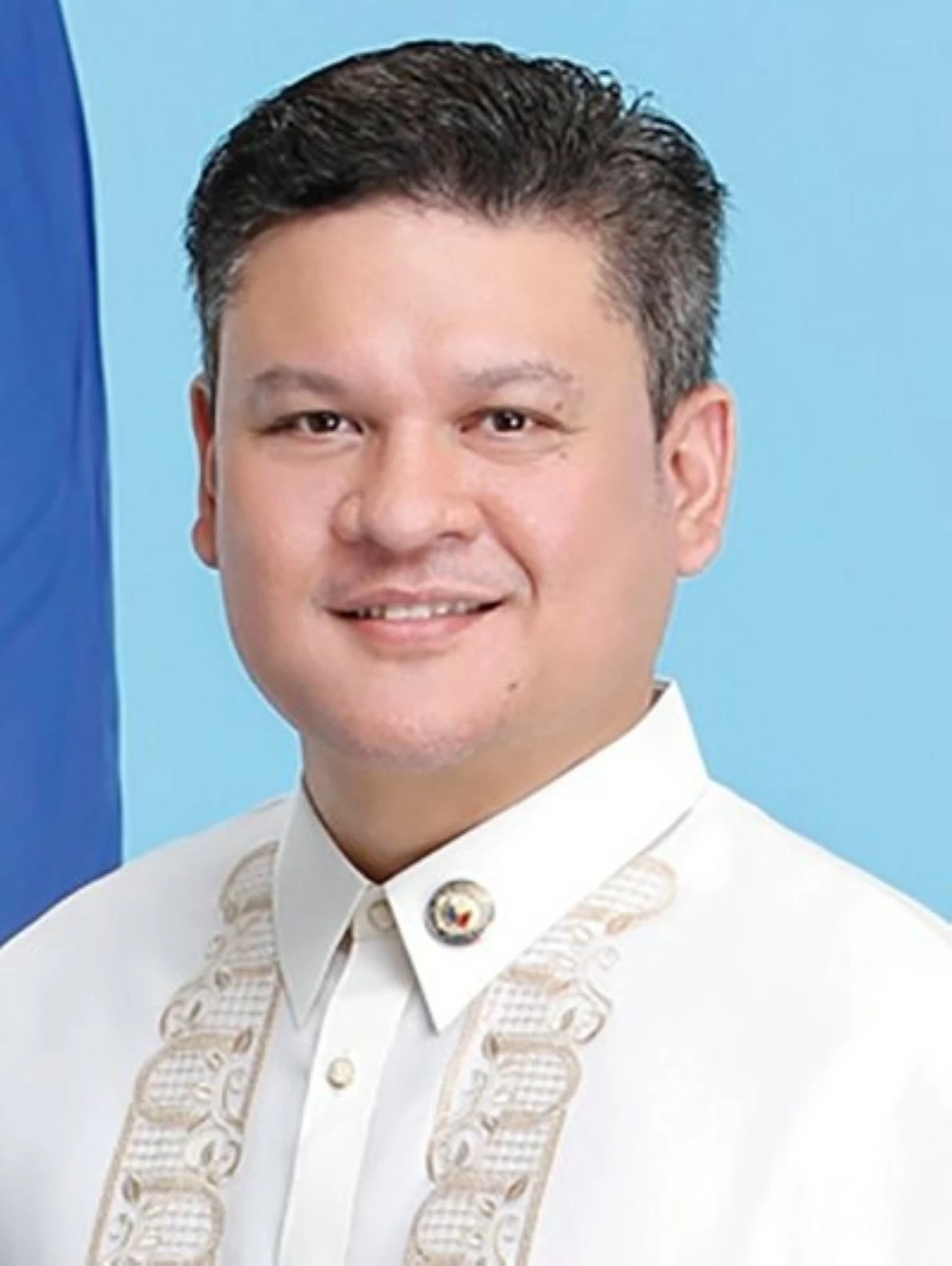
REP. Paolo Duterte (FB)
DAVAO CITY – Davao City first district Rep. Paolo Duterte reiterated his longstanding call for mandatory hair follicle drug testing for all government officials, following Sen. Imee Marcos’ disclosure about her brother, President Ferdinand R. Marcos Jr. on Monday night, Nov. 17.
In a statement on his official Facebook page Duterte said that Sen. Marcos' claims require transparency from public officials and should not be dismissed as “excuses.”
“If Sen. Imee’s statements are true, then the Filipino people deserve clarity, not excuses,” Duterte said.
He emphasized that he and other lawmakers have repeatedly advocated for implementing hair follicle drug testing in government, stressing that the proposal is neither new nor politically motivated.
“For years, we have been at the forefront of the call for hair follicle drug testing for all government officials,” Duterte said. "This is not new. This is not personal. This is for transparency and integrity in government.”
The Davao City lawmaker questioned why some officials refuse to undergo this kind of testing. "Why? What are you hiding? Who are you protecting? If there is nothing to fear, then no one should refuse."
Due to Sen. Marcos’ remarks, Duterte said their push becomes even more urgent. “All government officials must undergo drug testing. No exemptions. No special treatment.”
Duterte said that the Filipino people deserve honesty from their leaders and that officials should be transparent to prove their integrity. "Don't fool the public," he said.
He added that maintaining a drug-free leadership is vital for safeguarding the country’s future, especially for the lives and future of the children.
"It is only right that we ensure those leading our country are fully capable and not under the influence of drugs," Duterte said.
Meanwhile, Duterte and son Davao City Rep. Omar Vincent S. Duterte have filed House Bill 5645 seeking to institutionalize the Value-Added Tax Social Transfer (VAST) for Indigent Citizens Program, a permanent, targeted initiative intended to ease the VAT burden on the country’s poorest households.
Filed electronically on Oct. 21, 2025, the proposed measure—formally titled the Value-Added Tax Social Transfer (VAST) for Indigent Citizens Act of 2025—establishes a nationwide VAT rebate system to mitigate the regressive impact of consumption taxes on low-income families.
Rep. Omar stated that the program is grounded in the principles of social justice, fairness, and progressive taxation, as enshrined in the 1987 Constitution.
“We must ensure the tax system works for the poor, not against them. VAT affects every Filipino, but its burden is heaviest on those who have the least. The VAST Program provides direct, targeted relief so that the most vulnerable households are not left behind as the economy grows,” Rep. Omar said.
Rep. Omar added that the proposed mechanism addresses long-standing gaps in how VAT affects the consumption patterns of poor households.
Rep. Paolo emphasized that the VAST Program is not a typical tax refund but a strategic expenditure-side intervention that would channel a portion of VAT revenues back to indigent citizens through cash and non-cash benefits.
“This is not just a refund, it is a targeted social protection tool. By institutionalizing VAST, we are ensuring that VAT revenues help uplift the very people who feel its impact the most. This program will directly support poor and near-poor households and give them the assistance they deserve,” Rep. Paolo said.
The two lawmakers emphasized that the current VAT refund framework primarily benefits sellers and businesses, rather than low-income consumers who ultimately bear the tax burden.
They stated that the proposed VAST Program aims to make the tax system more equitable and progressive, while alleviating the financial burden on low-income and near-poor families.
The measure is also expected to strengthen social protection coverage and reinforce the government’s commitment to inclusive growth.