







NFA to auction off aging rice monthly
Published Nov 17, 2025 12:00 am
|
Updated Nov 16, 2025 08:10 am


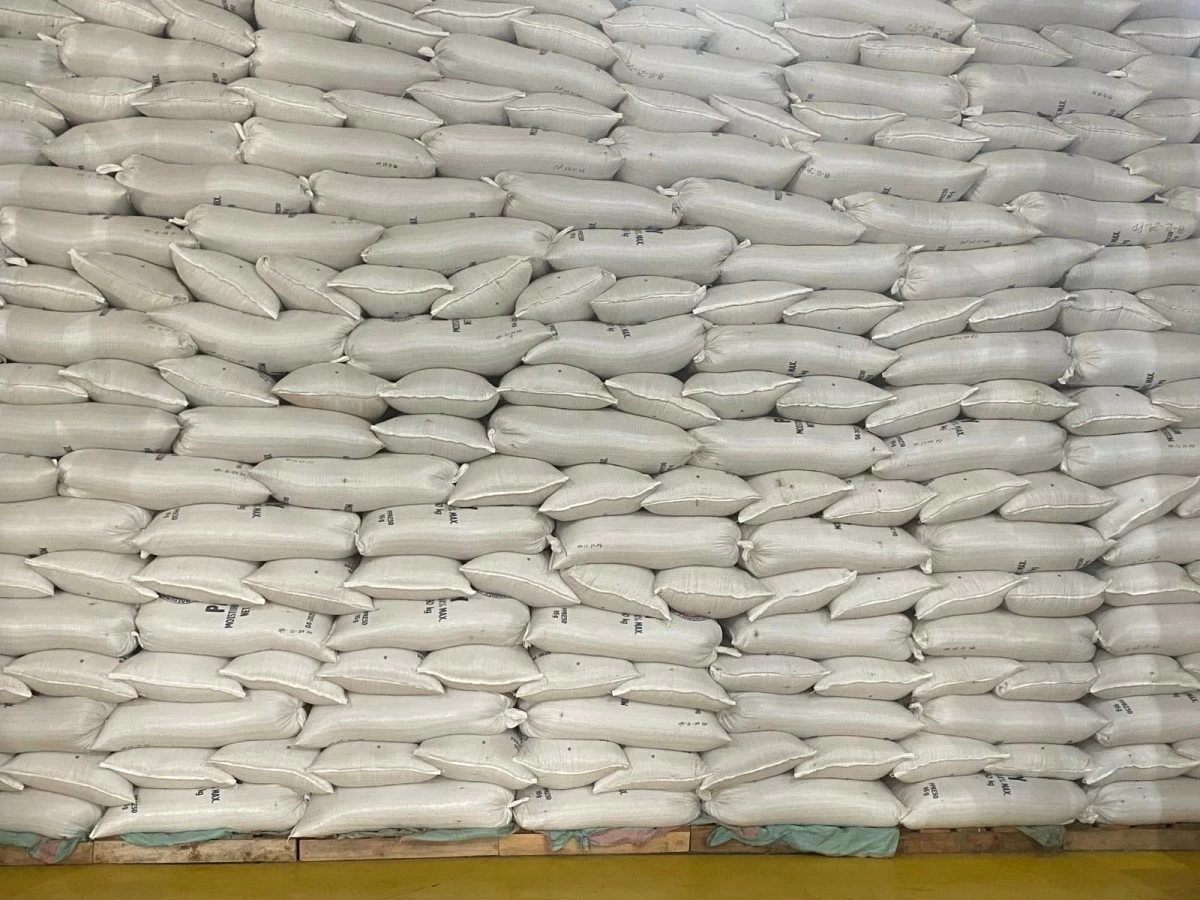
(Dexter Barro II/MANILA BULLETIN)
The National Food Authority (NFA) will start auctioning off its aging rice stocks every month to free up warehouses and help stabilize retail prices of the staple, with the first auction scheduled in December.
Based on the auction’s initial estimates, NFA will bid out 1.16 million 50-kilo bags of milled rice or 58,000 metric tons (MT) next month, slightly lower than the approved 1.2 million bags.
It marks the agency’s second attempt to unload its aging rice stocks after it started auctioning up to 60,000 MT of rice last month.
This, however, was not as successful as originally expected since there were only a few participants.
NFA Administrator Larry Lacson said the auction was “not attractive” due to the implemented pricing scheme, with floor prices ranging from ₱25.01 to ₱27.96 per kilo depending on the storage age of the rice.
“Based on the rules, we adjusted, and the prices dropped a bit. So we’re hoping it will be successful this December,” Lacson said in a chance interview last week.
The updated pricing scheme showed that aging rice stocks up for auction range from ₱22.52 per kilo for rice aged 18 months or older to ₱25.16 per kilo for rice aged less than six months.
NFA will bid out over 570,000 50-kilo bags of rice aged less than six months, while more than 18,000 bags of rice aged 18 months or older have been set aside.
Lacson said the rice grains agency is targeting to dispose of up to 1.2 million 50-kilo bags of rice every month through auction, as approved by its policy-making body, NFA Council.
He noted that the quantity would likely increase over the coming months, although he said this would still depend on the uptake of participants.
Since this will be an open auction, both government agencies and private entities can join the bidding.
Taking into consideration the updated pricing scheme, Lacson said he expects next month’s auction to be successful, as many warehouses are facing a slight shortfall with the suspension of rice imports in place.
He noted that the situation is the opposite for NFA, as its buffer stocks currently stand at 460,000 MT, which is enough to cover just over 12 days of national consumption.
By releasing these stocks, NFA would free up warehouse space, allowing the agency to resume purchasing rice from local farmers.
This would benefit local farmers, who are currently struggling with low farmgate prices, as many are being undercut by private traders and retailers.
Since NFA’s role has been reduced to buffer stocking under the Rice Tariffication Law (RTL), the agency can now only dispose of its rice stocks by selling to government relief agencies, programs such as the ₱20-per-kilo rice initiative, or through auctions.
Before this, the agency could sell rice directly to the public, making it easier to free up warehouse space to purchase from farmers, which ultimately benefits consumers by helping stabilize prices.
Based on the DA’s latest monitoring in Metro Manila markets, the average retail prices of local premium rice, local well-milled rice, and local regular milled rice are ₱49, ₱42, and ₱47 per kilo, respectively.
For the imported varieties, premium rice stands at ₱49 per kilo, well-milled at ₱44 per kilo, and regular milled at ₱39 per kilo.